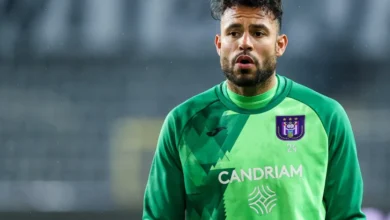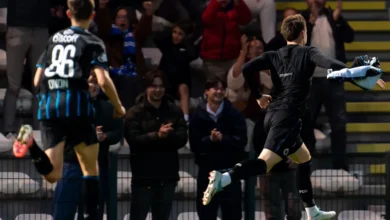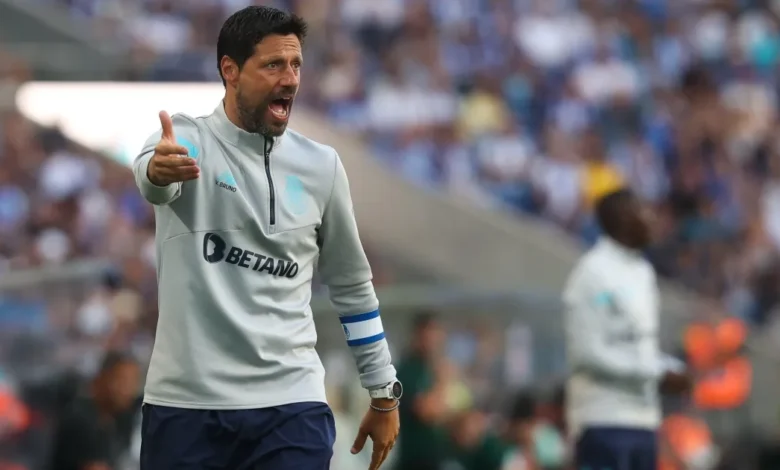
Tonight, RSC Anderlecht embarks on its European journey, facing Swedish side Hammarby IF in the first leg of the Europa League’s second qualifying round. Despite the competitive fixture, a palpable sense of incompletion pervades the club, with management acknowledging that the squad is far from being fully prepared for the upcoming season. The transfer window remains a hive of activity, and the roster currently at the disposal of manager Vitor Bruno is not the one Anderlecht envisions for the start of the domestic league campaign in late August.
Sporting Director’s Strategic Imperative and Transfer Market Hurdles
Sporting Director Antoine Sibierski is acutely aware of the situation. Since his appointment, the Frenchman has been diligently working behind the scenes on numerous transfer targets. However, the crucial "click" – the decisive signings that would solidify the team – has yet to materialize. Sibierski had hoped to have the core of the squad assembled before the club’s initial European engagement. Yet, the search for the precisely defined profiles has proven more complex and protracted than initially anticipated.
The club’s strategic objectives are clear: to inject dynamism, creativity, and winning mentality into the squad. This involves identifying players who can not only compete but elevate the team’s performance in both domestic and continental competitions. The rigorous scouting network has been actively identifying potential candidates, but the financial realities of the transfer market and the competitive landscape for sought-after talent have presented significant challenges. Negotiations are often protracted, requiring careful financial planning and a keen understanding of player motivation and contractual obligations.
The Elusive Wingers: A Persistent Challenge for Anderlecht
The most pressing concern for Anderlecht currently lies in the wide attacking positions. The club is actively seeking to recruit at least one, and ideally two, players capable of providing blistering pace, attacking depth, and potent one-on-one threat on the flanks. Multiple promising avenues have been explored, but a combination of prohibitive transfer fees and the players’ preference for alternative destinations have thwarted these efforts.
This persistent difficulty in securing the desired wing profiles has necessitated improvisation from Vitor Bruno. The Portuguese tactician is currently working with a limited pool of natural wingers. While players like Tristan Degreef, Adriano Bertaccini, and Mihajlo Cvetkovic are part of the current setup, none are unequivocally viewed as specialist wingers by the coaching staff.
Degreef possesses commendable technical ability, but the technical team believes he lacks the explosive acceleration required to consistently make a decisive impact from a wide attacking role. Bertaccini, on the other hand, is primarily seen as a player who can offer his best performance in a more central attacking role. Cvetkovic, a Serbian recruit, has been brought in with a clear mandate to score goals. Internally, he is considered the clinical finisher Anderlecht has been looking for, and Bruno prefers to deploy him as close to the opposition’s goal as possible, leveraging his predatory instincts.
This situation highlights the delicate balance between immediate needs and long-term strategic recruitment. The club’s hierarchy is committed to building a sustainable and competitive team, which requires not only experienced acquisitions but also the development of homegrown talent. The current transfer market dynamics, however, are forcing a more pragmatic approach in the short term.
Youthful Prospects Emerge as Potential Solutions: Onia-Seke and Nga Kana Ready for European Stage
In this context, it is highly probable that two promising products of the Anderlecht academy will be thrust into significant roles against Hammarby. Jayden Onia-Seke and Joshua Nga Kana, both just 17 years old, appear to be ready to gain valuable minutes on the European stage. This reliance on youth is not entirely coincidental, reflecting a deliberate philosophy instilled by manager Vitor Bruno.
Throughout his coaching tenure in Portugal, Bruno cultivated a reputation as a manager unafraid to provide opportunities to young players. The Portuguese league is renowned as a fertile ground for player development, and Bruno has consistently worked within environments where youth development is a cornerstone of club strategy. This aligns perfectly with Anderlecht’s ambition to re-establish its academy, Neerpede, as a central pillar of the club’s project. The academy, once the engine of the club, has seen its influence wane in recent years, and the current leadership is keen to reverse this trend.
Bruno wholeheartedly shares this vision. During pre-season training, he has repeatedly emphasized that age is not a barrier to selection. His mantra is simple: if a player possesses the requisite quality, they will play. This meritocratic approach is a significant departure from traditional selection criteria and signals a strong belief in the potential of the club’s emerging talent.
Vitor Bruno’s Proven Track Record as a Youth Developer
The manager firmly believes that both Onia-Seke and Nga Kana are adequately prepared to assume important roles within the team. Their inherent speed and their ability to exploit space in behind opposition defenses are qualities that align perfectly with the tactical framework Bruno aims to implement. These attributes could prove to be valuable assets in tonight’s encounter against Hammarby.
Bruno’s background in Portugal, a country that consistently produces world-class talent through its robust youth development systems, has equipped him with a deep understanding of nurturing young players. He has witnessed firsthand the transformative impact of giving academy graduates a chance to prove themselves at the senior level. His experience in leagues where financial resources may not always match those of Europe’s elite clubs has fostered an innovative approach to squad building, often relying on the untapped potential of academy prospects.
This philosophy is particularly relevant for Anderlecht, a club with a rich history of producing legendary players from its own ranks. The "Neerpede generation" of players like Vincent Kompany, Romelu Lukaku, and Youri Tielemans are testament to the academy’s pedigree. Reinvigorating this tradition is not just a sporting objective but also a cultural imperative for the club and its supporters.
Broader Implications and the Path Forward
However, the message from within the club remains unequivocal: the current squad is not yet complete. Sibierski continues his relentless pursuit of quality reinforcements, particularly on the wings, with the aim of strengthening the roster in the coming weeks. Therefore, Anderlecht’s European campaign commences with a team still very much in a state of construction. Yet, this transitional phase is being navigated by a manager who is demonstrably willing to place his trust in the new generation emerging from Neerpede.
The implications of this approach are multifaceted. On one hand, it presents an opportunity for raw talent to blossom under pressure, potentially unearthing future stars and fostering a strong sense of connection between the academy and the first team. This can create a more organic and sustainable model for success, reducing reliance on expensive external transfers.
On the other hand, the pressure on these young players will be immense. They will be expected to contribute immediately, often in high-stakes matches. The club’s ambition to compete at the highest level necessitates a careful balance between integrating youth and acquiring proven experience. The success of this strategy will hinge on the club’s ability to provide adequate support, mentorship, and strategic recruitment to complement the emerging talent.
The transfer window’s closing date on August 31st looms large, and the club’s activity in the coming weeks will be crucial in shaping the team’s prospects for the entire season. The European campaign, while offering immediate competitive exposure, also serves as a litmus test for the current squad’s capabilities and the club’s strategic direction. The early performances, particularly those involving the young academy graduates, will be closely scrutinized as Anderlecht navigates this critical juncture. The club’s historical legacy and its future aspirations are intrinsically linked to its ability to effectively blend youthful promise with seasoned expertise. The journey against Hammarby is not just a match; it is the opening chapter in what promises to be a pivotal season for RSC Anderlecht.