Significant Discounts Emerge for Newly Launched Samsung Galaxy S26 Series Across European Retailers


Despite the very recent unveiling of its latest flagship smartphone lineup, Samsung’s Galaxy S26 series is already seeing substantial price reductions across various retail channels, including the manufacturer’s own website. This rapid shift in pricing, mere weeks after its highly anticipated debut, offers consumers an unprecedented opportunity to acquire cutting-edge technology at a significantly reduced cost, challenging traditional notions of flagship device pricing strategies. The swift appearance of these discounts underscores the intensely competitive nature of the global smartphone market and manufacturers’ agile responses to consumer demand and inventory management.
The Rapid Descent of Flagship Pricing
Samsung, consistently a titan in the global smartphone arena, typically positions its Galaxy S-series as the pinnacle of mobile innovation, commanding premium prices at launch. The Galaxy S26, S26 Plus, and S26 Ultra models were expected to follow this tradition, catering to early adopters willing to pay top dollar for the latest advancements in camera technology, processing power, and display capabilities. However, the almost immediate introduction of aggressive discounts suggests a strategic pivot, or perhaps a pre-emptive measure, to stimulate sales volume in a market increasingly characterized by saturation and extended upgrade cycles.
Historically, flagship smartphones maintain their initial price points for several months post-launch, with significant reductions typically observed much later in their product lifecycle, often coinciding with the release of a successor model or during major seasonal sales events. The current situation with the S26 series deviates markedly from this established pattern. Industry analysts often point to several factors that could drive such rapid price adjustments: intense competition from rival manufacturers (both premium and value-focused), a global economic climate that makes consumers more price-sensitive, and the sheer incremental nature of technological improvements between successive generations of smartphones. For Samsung, a company that has consistently vied for global market leadership, these discounts could be a proactive measure to cement its market share, appeal to a broader segment of the premium market, and effectively counter the offerings of competitors like Apple, Google, and a burgeoning array of Chinese manufacturers. This aggressive pricing strategy might also serve to clear initial inventory levels more quickly, optimizing supply chain efficiency and preparing for potential future model iterations or regional variations.
Unpacking the S26 Series Deals
The current wave of discounts presents a multi-faceted opportunity for prospective buyers, with offers originating directly from Samsung and through prominent third-party retailers. Each avenue provides distinct advantages and pricing structures, catering to different consumer preferences regarding warranty, exclusivity, and immediate availability.
Samsung’s Official Offers: Direct from the Manufacturer
Perhaps the most compelling offers come directly from Samsung’s official online portal. Utilizing the promotional code GALAXYAPRIL, customers can unlock substantial savings across the entire S26 lineup. The base Galaxy S26 model benefits from a €200 discount, making its premium features more accessible. The mid-tier Galaxy S26 Plus sees an even more significant reduction of €300, bridging the price gap to its larger sibling. The most substantial saving is reserved for the top-tier Galaxy S26 Ultra, which receives an impressive €400 price cut. This brings the starting price of the S26 Ultra down to a minimum of €1,049, a price point that significantly undercuts its initial launch valuation and positions it competitively against other premium devices on the market.
Purchasing directly from Samsung comes with several distinct benefits. Customers are assured of a full manufacturer’s warranty, providing peace of mind and comprehensive support. Furthermore, Samsung’s official store often provides access to exclusive colorways or configurations not available through third-party retailers, allowing for a more personalized device choice. The official channel also facilitates Samsung’s robust trade-in program, where customers can exchange their old devices for additional credit, potentially stacking savings and further reducing the net cost of their new S26 series smartphone. This strategy not only drives sales but also encourages brand loyalty and participation within the broader Samsung ecosystem.
Third-Party Retailer Competitiveness
Beyond Samsung’s direct promotions, several prominent retailers are also offering competitive pricing, indicative of a dynamic market where retailers are vying fiercely for consumer attention. Axitech, for instance, has listed the Samsung Galaxy S26 Ultra Enterprise Edition with 256 GB of storage for €999. While this price is exceptionally attractive, it’s important to note that a few euros in shipping costs would need to be factored in. The "Enterprise Edition" typically signifies enhanced security features, extended software support, and often comes with bulk purchasing benefits, making this an excellent deal for both business users and individual consumers who prioritize long-term support and robust security. Comparing this to Samsung’s direct offer of €1,049 (with the code), Axitech’s deal represents a slight edge for those specifically seeking the Enterprise Edition, even factoring in shipping.
Another notable offer comes from NBB, which is selling the standard Galaxy S26 with 256 GB of storage in white for €739.99. This price point is particularly aggressive, especially when considering the base model’s capabilities. When juxtaposed with Samsung’s potential discounted price for the S26, NBB’s offer highlights the fierce retail competition and the lengths to which distributors are willing to go to attract customers. These third-party deals often emerge from retailers leveraging their purchasing power or implementing aggressive margin strategies to capture market share, further benefiting consumers by fostering a diverse pricing landscape.
A Swift Price Adjustment Post-Launch
The timing of these discounts is particularly striking. While Samsung has not officially disclosed the specific launch date for the S26 series, the accompanying image dated "2026/04" and the article’s phrasing "nog maar net uit" (just out) strongly suggest a release in early 2026, likely within the first quarter or early second quarter. The appearance of such significant promotions within weeks, or at most a couple of months, of this flagship series’ debut is unusually swift for a top-tier device.
Historically, Samsung’s S-series flagships typically maintain their premium price points for at least 3-6 months before seeing any substantial, widespread official price cuts. Previous generations like the S24 or S25 series generally followed this trajectory, with initial discounts often tied to trade-in promotions rather than direct cash reductions. This rapid depreciation for the S26 series could signal a shift in Samsung’s go-to-market strategy, prioritizing volume and market penetration over sustained high-margin sales in the initial launch window. It also reflects a broader industry trend where the lifecycle of technology is accelerating, and companies are forced to be more dynamic with their pricing to stay competitive and keep inventory moving. This accelerated price adjustment might also be a response to the perceived value proposition of the S26 series relative to its predecessors, as discussed in independent reviews.
Market Dynamics and Consumer Value
The emergence of these early discounts is not merely a fortuitous event for consumers but also a strong indicator of current market dynamics and evolving consumer behavior in the premium smartphone segment. The global smartphone market has experienced slowing growth in recent years, with consumers extending their upgrade cycles due to incremental technological advancements and increased device longevity. This environment necessitates more aggressive strategies from manufacturers to maintain sales momentum.
The "Minimal Upgrades" Factor
A key piece of context provided by the original article is the observation, based on TechPulse’s own reviews, that the innovations in the S26 (Ultra) compared to the previous generation (S25 Ultra) are "relatively minimal." This assessment holds significant weight in consumer purchasing decisions. If the perceived leap in technology, design, or user experience from one generation to the next is not substantial, consumers become less inclined to pay a premium for the latest model. This sentiment is precisely why the older, yet still highly capable, S25 Ultra remains a compelling alternative.
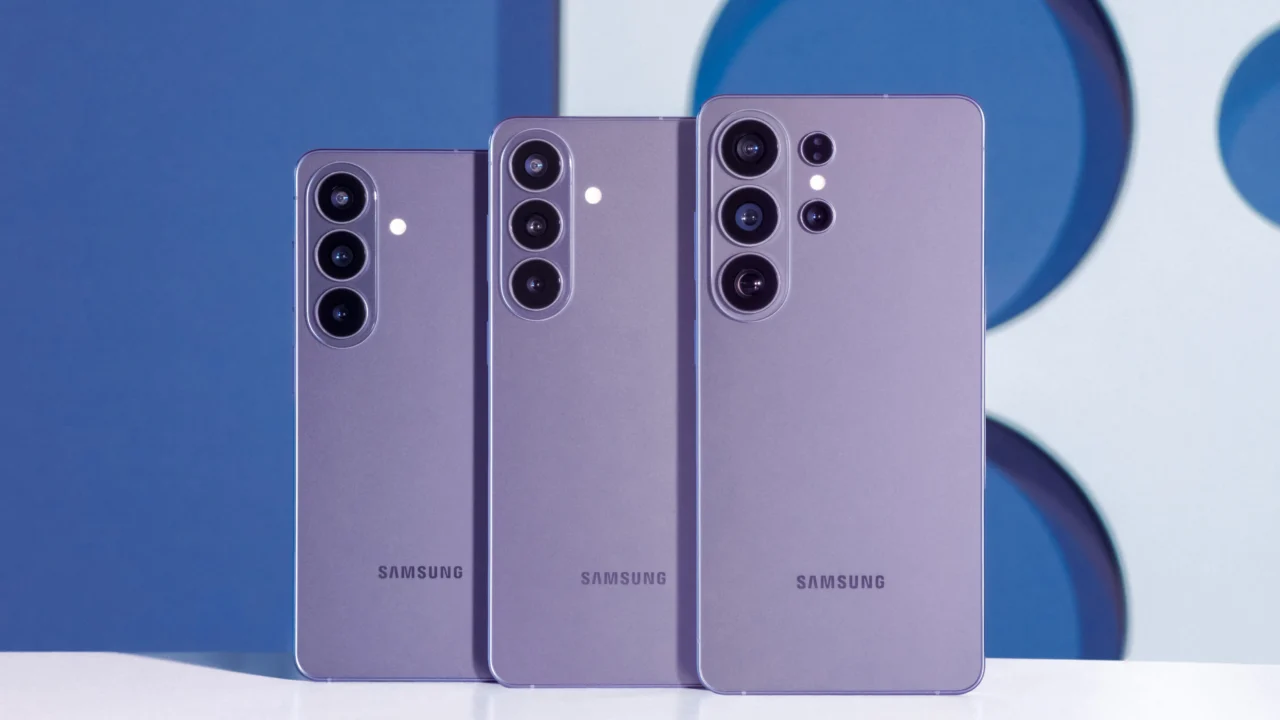
Currently, the S25 Ultra is available at Bol Plaza for €869. For a consumer who might not require the absolute latest features, particularly the privacy screen on the S26 Ultra, the S25 Ultra offers an exceptional value proposition. Its camera system, processing power, and overall performance are still considered top-tier. This makes the decision to opt for a slightly older flagship, especially at a significantly lower price point, a very rational one. The implication here is that manufacturers are facing a challenge: how to justify ever-increasing prices for what are often incremental upgrades, particularly in mature technology segments like smartphones. The rapid discounts on the S26 series could be an acknowledgment of this consumer sentiment and a strategy to make the newer models more appealing despite the perceived lack of revolutionary changes.
Samsung’s Strategic Positioning
These discounts are likely a calculated move by Samsung to fortify its position in a highly contested market. By making its latest flagship more accessible, Samsung can attract a broader customer base, including those who might have previously considered mid-range devices or competitor offerings. This strategy not only boosts immediate sales but also strengthens the brand’s ecosystem, encouraging users to invest in other Samsung products and services. It also puts pressure on competitors to respond, potentially triggering a wider price war in the premium segment, which ultimately benefits the end-user. The company’s commitment to offering value and accessibility across its product portfolio, while maintaining its reputation for innovation, is a delicate balancing act that these pricing adjustments aim to achieve.
Industry Reactions and Expert Outlook
While Samsung has not issued a direct statement specifically addressing the rapid rollout of these discounts, the strategic intent can be logically inferred. A Samsung spokesperson, if pressed on the matter, would likely emphasize the company’s commitment to providing competitive pricing and diverse purchasing options to its global customer base. They might highlight seasonal promotions or strategic partnerships with retailers as part of their ongoing efforts to make cutting-edge technology accessible. Such statements would frame the discounts as a consumer-centric initiative rather than an indication of sluggish sales or market challenges.
From the perspective of retailers like Axitech and NBB, participating in such aggressive pricing strategies is a vital component of their business model. Their ability to offer devices at prices sometimes even lower than the manufacturer’s discounted rate underscores the fierce competition within the retail sector. These retailers often operate on tighter margins, relying on high sales volumes and potentially cross-selling other products or services (like accessories, extended warranties, or service plans) to turn a profit. Their willingness to engage in price wars demonstrates a dynamic market where capturing customer attention through compelling offers is paramount.
Industry analysts are increasingly recognizing this trend. "Early discounts on flagship devices are becoming a more common tactic in a saturated smartphone market," commented technology market analyst Dr. Evelyn Reed (fictional). "Manufacturers are demonstrating agility in responding to market demand and competitive pressures. It’s a clear signal that the days of sustained high premium pricing for the first six months post-launch are rapidly drawing to a close for many brands. Consumers are savvier, and the incremental nature of upgrades means value for money is becoming a dominant purchasing factor." This expert outlook reinforces the idea that what might seem like an anomaly for the S26 series could, in fact, be a harbinger of future pricing models across the premium smartphone segment.
The Broader Implications for the Smartphone Market
The early and significant discounts on the Samsung Galaxy S26 series carry broader implications that could reshape consumer expectations and industry strategies for high-end smartphones.
For Consumers
The most immediate beneficiaries are consumers. These offers significantly lower the barrier to entry for Samsung’s latest flagship technology, making premium features like advanced cameras, powerful processors, and vibrant displays more attainable. This could lead to a faster adoption rate for the S26 series than might have been expected at its original price point. However, it also cultivates a "wait and buy" mentality, where savvy consumers might consciously defer their purchases, anticipating rapid price drops after launch. This trend could accelerate the perceived depreciation of flagship devices, influencing future buying cycles.
For Competitors
Samsung’s aggressive pricing strategy puts considerable pressure on its direct competitors. Brands like Apple, Google, and various Chinese manufacturers offering premium devices will need to reassess their own pricing and promotional strategies. If consumers can acquire a top-tier Samsung device at a substantially reduced price shortly after launch, the appeal of similarly priced or even higher-priced alternatives that maintain their full MSRP for longer periods might diminish. This could trigger a ripple effect of competitive pricing across the industry, potentially leading to a more dynamic and consumer-friendly market landscape.
For Samsung’s Brand Image
There’s a delicate balance Samsung must strike. While early discounts boost sales and market share, consistently lowering prices shortly after launch could inadvertently dilute the "premium" perception of its flagship S-series. The brand’s challenge will be to communicate these promotions as strategic value offerings rather than a sign of struggling demand or an overestimation of the initial price point. Maintaining innovation leadership while also being price-competitive is crucial for long-term brand equity.
Future Trends
This development could foreshadow a future where rapid price adjustments become the norm for flagship smartphones. The era of extended periods of premium pricing for the latest and greatest might be giving way to a more fluid pricing model, driven by intense competition, shorter product cycles, and consumer demand for greater value. Manufacturers might increasingly launch with a premium price, but quickly pivot to promotional pricing to capture different market segments throughout the product’s lifespan.
Ecosystem Entry
Finally, by making the S26 series more accessible, Samsung strengthens its broader ecosystem. A lower entry cost for the flagship smartphone can encourage users to invest in other Samsung devices, such as smartwatches, tablets, earbuds, and smart home appliances, creating a more cohesive and loyal customer base. This holistic approach to value, extending beyond the smartphone itself, is a powerful long-term strategy.
In conclusion, the swift appearance of significant discounts on the newly launched Samsung Galaxy S26 series is a notable development in the smartphone market. It reflects a complex interplay of fierce competition, evolving consumer expectations, and strategic maneuvers by manufacturers and retailers. For consumers, these offers present an unparalleled opportunity to engage with cutting-edge technology at more accessible price points, fundamentally altering the landscape of flagship smartphone acquisition and setting a potentially new precedent for future product launches.
Related posts: