The Belgian Summer Cultural Circuit 2026 Nine Exceptional Destinations Merging Contemporary Art with Historic Landscapes and Botanical Heritage

Belgium’s cultural landscape in the summer of 2026 is defined by a strategic shift toward "hybrid museology," where the traditional confines of the white-cube gallery are abandoned in favor of immersive, open-air experiences. As climate patterns fluctuate between record heatwaves and sudden precipitation, the nation’s leading art institutions have responded by integrating their collections into historic gardens, castle grounds, and repurposed industrial sites. This evolution reflects a broader European trend toward "slow tourism," prioritizing mental well-being and environmental connection alongside intellectual engagement. From the Art Deco splendor of Brussels to the rugged industrial greenhouses of East Flanders, the following nine destinations represent the pinnacle of this season’s cultural offerings, providing a comprehensive survey of how art, architecture, and nature can coexist.
The Architecture of Happiness and Art Deco Revival in Brussels
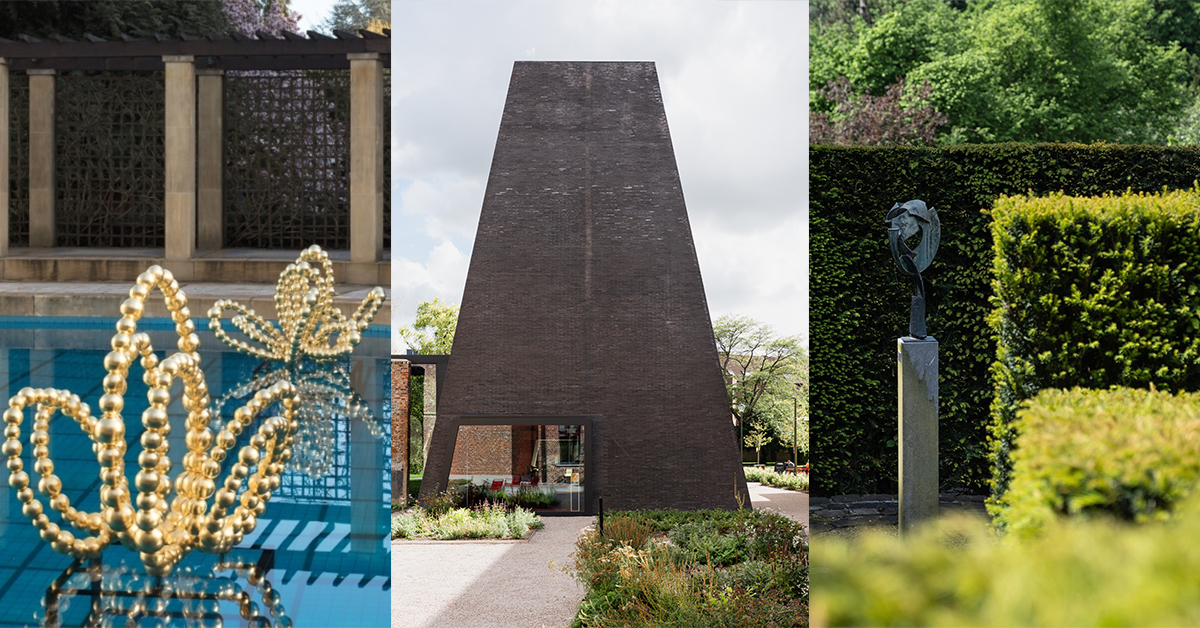
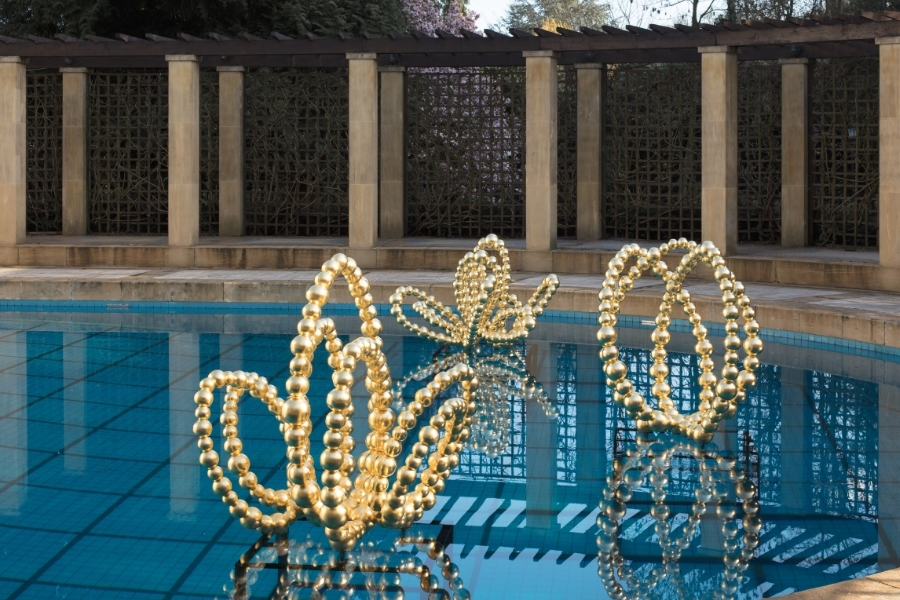
The Villa Empain remains a cornerstone of the Brussels art scene, serving as a testament to the enduring legacy of the Boghossian Foundation. Designed in the early 1930s by Michel Polak for Baron Louis Empain, the villa is an architectural masterpiece of marble, precious woods, and polished granite. In 2026, the site hosts "Diary of Happiness," a major retrospective of French artist Jean-Michel Othoniel. This exhibition marks Othoniel’s first large-scale presence in the Belgian capital, featuring over one hundred works that span three decades of his career.
Othoniel, known for his use of Murano glass and large-scale beaded sculptures, has choreographed the exhibition to flow from the geometric precision of the interior salons to the lush, symmetrical gardens and the iconic swimming pool. The dialogue between Othoniel’s poetic, often fragile-looking glass structures and the rigid, opulent Art Deco lines of the villa creates a tension that highlights the "travel journal" theme of the show. Data from the Boghossian Foundation suggests that such site-specific installations have increased international visitation by 22% over the last five years, illustrating the high demand for architectural tourism.
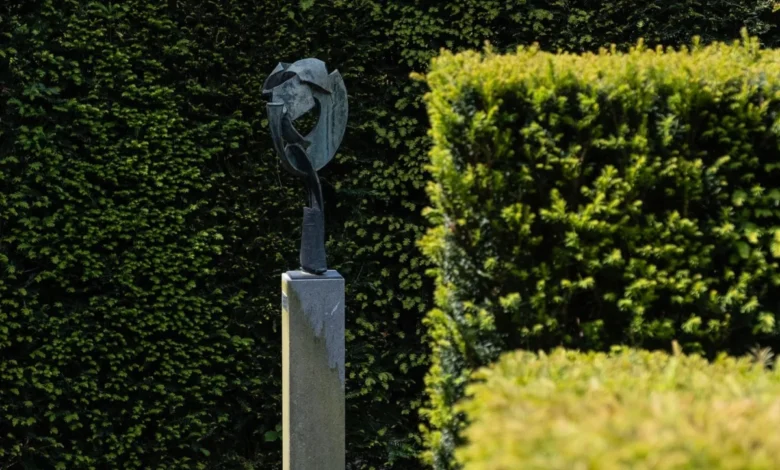
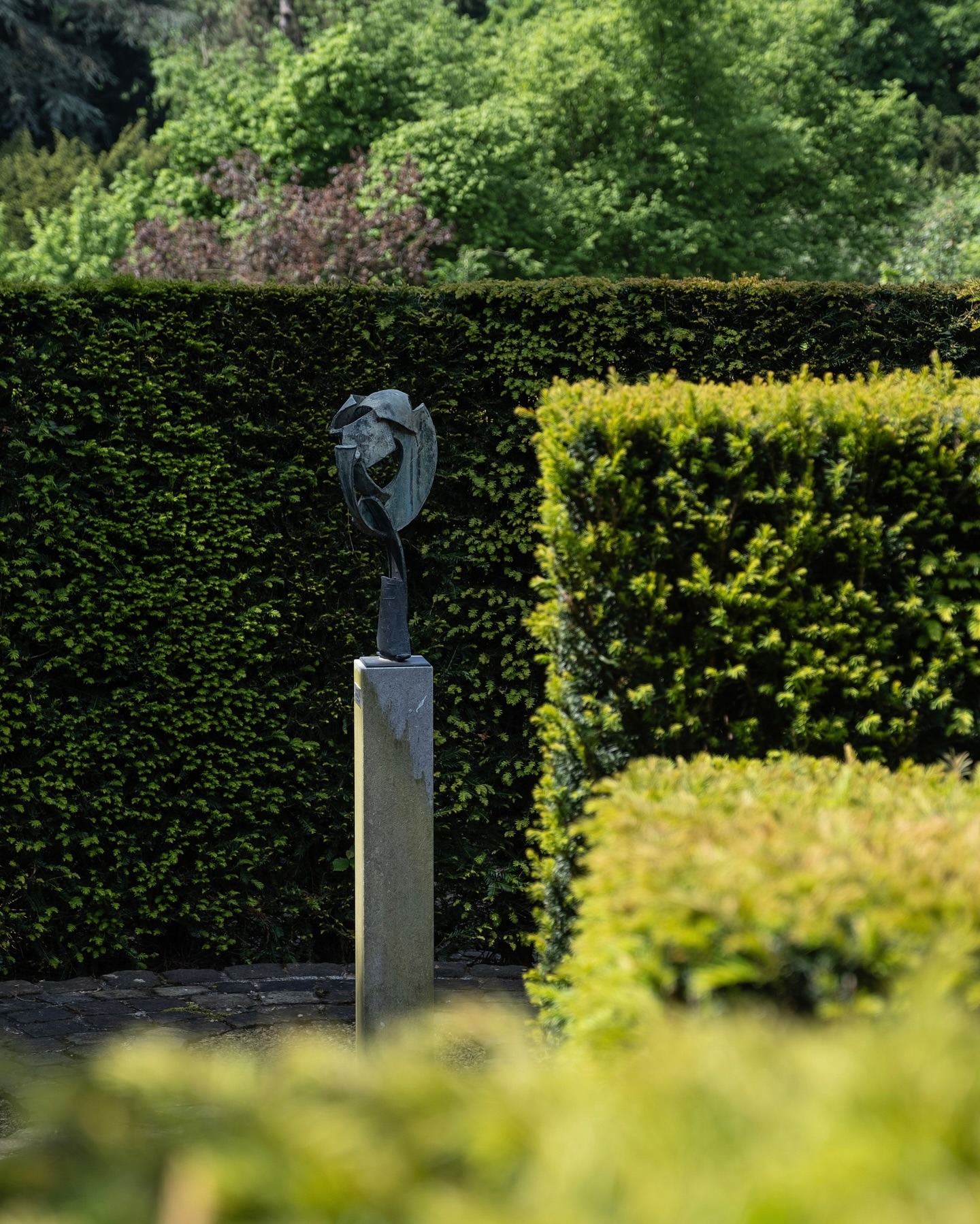
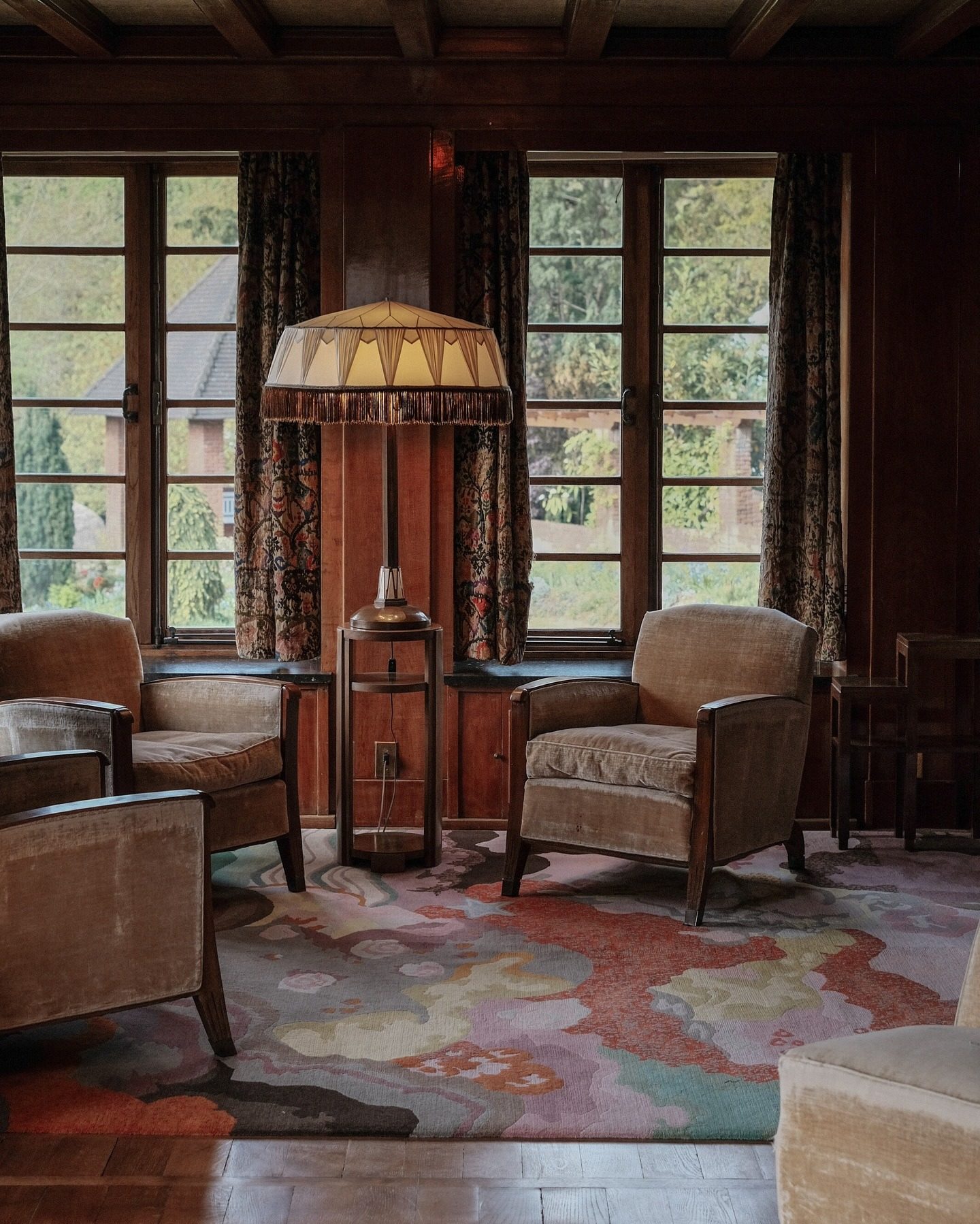
In the Uccle district, the Museum Van Buuren offers a more intimate but equally significant Art Deco experience. The 1928 residence of David and Alice Van Buuren is currently showcasing "Territoires Intérieurs," an exhibition that pairs the works of Gustave van de Woestyne and Anto Carte. For the first time, these two titans of Belgian modernism are displayed in a way that emphasizes their shared fascination with rural spirituality and the natural world. The exhibition extends into the museum’s world-renowned gardens, including the "Garden of Hearts" designed by René Pechère, where the manicured hedges and labyrinthine paths serve as a physical manifestation of the artists’ internal landscapes.
Urban Renewal and the Integration of Contemporary Art in Kortrijk and Antwerp
The city of Kortrijk has recently unveiled "Abby," a contemporary art center situated within the historic Groeninge Abbey and the surrounding Beguinage park. This project represents a significant municipal investment in cultural infrastructure, aimed at revitalizing the city’s historic core. The current exhibition, "Abby & Friends," is a collaborative effort with art organizations Be-Part and Wit.h, focusing on inclusivity and the blurring of boundaries between professional and "outsider" art.
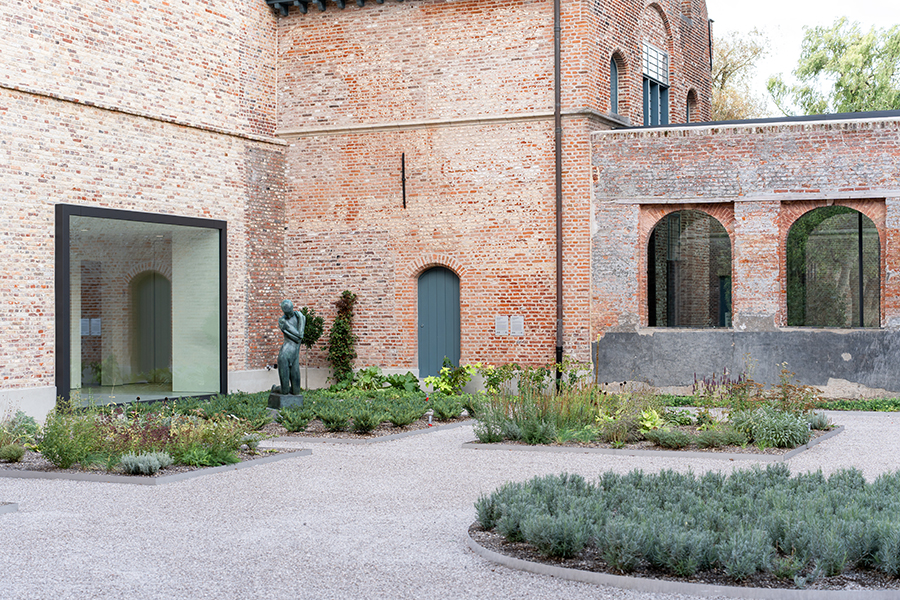
A highlight of the Abby program is the final opportunity for the public to experience "De Living" by Rinus Van de Velde. This immersive installation allows visitors to step into a meticulously constructed fictional world that mimics the artist’s studio and living quarters. The project underscores a growing trend in Belgian museums to provide "Instagrammable" yet intellectually rigorous environments that appeal to a younger demographic. By converting the once-enclosed cloister into a public garden filled with aromatic herbs and contemporary sculptures, Abby has successfully transformed a relic of religious history into a vibrant community hub.
Meanwhile, Antwerp’s Middelheim Museum continues to set the standard for open-air sculpture parks. Founded in 1950, the museum has expanded its mission in 2026 with "Une Machine à Créer des Amis" by Monster Chetwynd. Known for her anarchic, carnivalesque approach to art, Chetwynd has populated the park with a series of sculptures, films, and interactive workshops. Unlike traditional static exhibitions, Chetwynd’s work requires active participation, turning the museum grounds into a "living laboratory" for social interaction. Museum officials state that this move toward performance-based outdoor art is a response to the increasing digitalization of daily life, offering a tactile, communal alternative.
Historical Narratives and the Reclamation of Heritage in Gaasbeek and Bokrijk
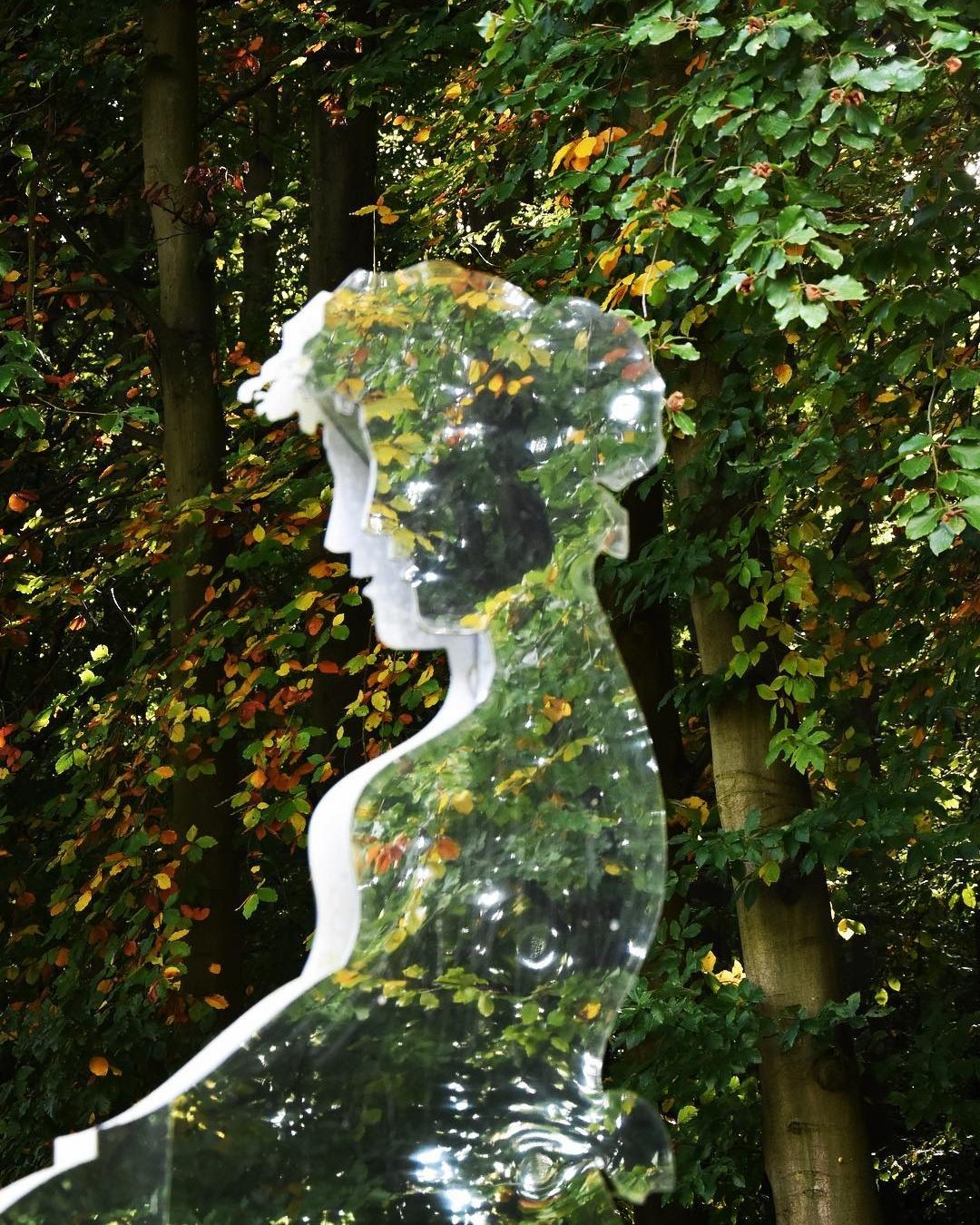
The Castle of Gaasbeek, located in the rolling hills of the Pajottenland, provides a dramatic backdrop for Clara Spilliaert’s exhibition "Amalgame de Sol." The castle, which underwent a massive romanticized restoration in the 19th century by the Marquise Arconati Visconti, serves as a case study in how history is often rewritten through architecture. Spilliaert’s work explores the "underground" elements of the estate, both literally and figuratively, examining the tensions between the manicured surface of the gardens and the untamed nature of the soil. This exhibition is part of a broader initiative by the Flemish Community to utilize heritage sites for contemporary artistic discourse, ensuring that historic monuments remain relevant to modern audiences.
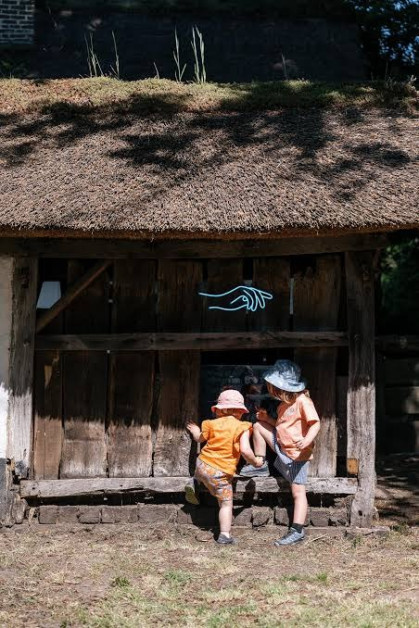
In Limburg, the Bokrijk Open-Air Museum has moved beyond its traditional role as a folk heritage site to tackle complex social issues. The exhibition "Âme de Mère" (Mother Soul) is a poignant collaboration between photographer Lieve Blancquaert and the life story of Magda Horváth. Horváth was one of the thousands of Hungarian children sent to Belgium via "trains of mercy" following World War I. The exhibition uses her personal trajectory—from a displaced child to a Belgian matriarch—to explore themes of motherhood, grief, and cultural transmission. By placing these contemporary photographic portraits within the context of historic farmsteads, Bokrijk creates a powerful bridge between the hardships of the past and the universal experiences of the present.
Industrial Ecology and Organic Architecture in East Flanders and Walloon Brabant
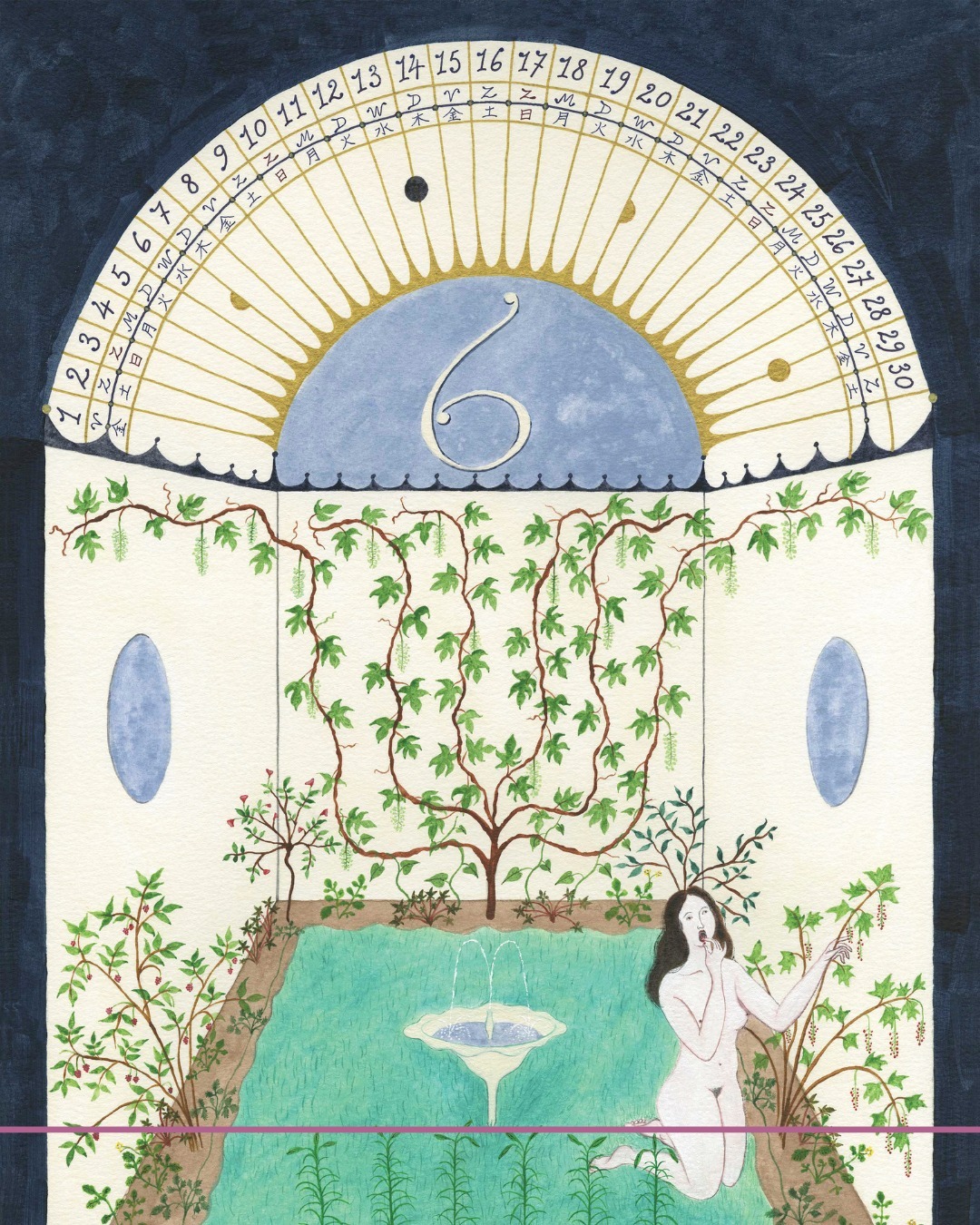
The Verbeke Foundation in Kemzeke remains one of Europe’s most idiosyncratic art sites. Occupying 12 hectares of former industrial warehouses and greenhouses, the foundation operates under the philosophy that art should be "unpolished" and in a state of constant evolution. The summer 2026 exhibition, "Le Fruit N’a Pas Besoin d’Être Distribué," integrates bio-art and ecological installations into the foundation’s wild gardens. The site functions as a creative ecosystem where works are often left to decay or be reclaimed by nature, challenging the traditional museum concept of permanent preservation. This "anti-museum" approach has garnered international acclaim, drawing researchers and environmentalists interested in the intersection of art and sustainability.
In the Solvay Estate of La Hulpe, the Fondation Folon is hosting a landmark collaboration between the estate of Jean-Michel Folon and the renowned Japanese architect Kengo Kuma. The exhibition, "Architecture en Dialogue," explores the shared sensibilities of the two creators—specifically their focus on human-scale design and organic materials. Kuma’s architectural models, known for their use of wood and light, are juxtaposed with Folon’s whimsical watercolors and sculptures. This dialogue is set against the 227-hectare estate, which serves as a prime example of the "Sonian Forest" ecosystem. The collaboration highlights a growing international interest in "biophilic design," where built environments are designed to reconnect humans with the natural world.
Institutional Transparency and the Future of Museology in Liège
The La Boverie museum in Liège, housed in the former Palais des Beaux-Arts from the 1905 Universal Exhibition, is celebrating its tenth anniversary with a focus on institutional transparency. The exhibition "Dans les Coulisses d’une Collection Précieuse" (Behind the Scenes of a Precious Collection) provides a rare look at the inner workings of a major museum. By displaying approximately 300 works alongside documentation regarding their restoration, scientific analysis, and loan history, La Boverie is educating the public on the "hidden" labor of the cultural sector.
This move toward transparency is seen by industry analysts as a critical step in maintaining public trust and demonstrating the economic value of cultural preservation. The exhibition also emphasizes the museum’s role as a steward of the city’s identity, linking the 1905 Palais to Liège’s modern aspirations as a center for art and innovation along the Meuse river.
Implications for the Belgian Cultural Sector
The diverse array of exhibitions scheduled for the 2026 summer season indicates a robust recovery and expansion of the Belgian museum sector. According to recent data from the Belgian Tourist Office, cultural tourism now accounts for nearly 35% of all overnight stays in the country during the summer months. The integration of outdoor spaces has proven particularly effective in mitigating the "museum fatigue" often associated with traditional indoor galleries.
Furthermore, the emphasis on site-specific installations—such as those at Villa Empain and Gaasbeek—suggests that visitors are increasingly seeking unique, unrepeatable experiences. This trend has significant economic implications, as it encourages regional travel beyond the traditional hubs of Brussels, Bruges, and Antwerp. The success of Abby in Kortrijk and Bokrijk in Genk demonstrates that strategic investment in cultural heritage can serve as a powerful engine for regional development and social cohesion.
As the season progresses, these nine destinations collectively offer a vision of a future where art is not an isolated activity but a fundamental component of the environmental and social landscape. By breaking down the walls of the museum, Belgium has created a decentralized, open-air gallery that honors its rich history while remains firmly committed to the avant-garde. The 2026 circuit serves as a definitive guide for those looking to navigate the intersection of human creativity and the natural world.