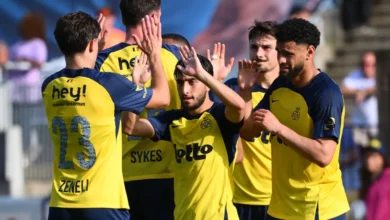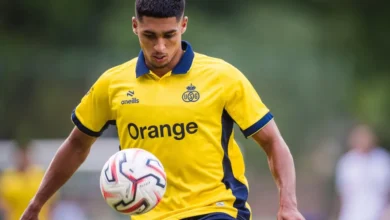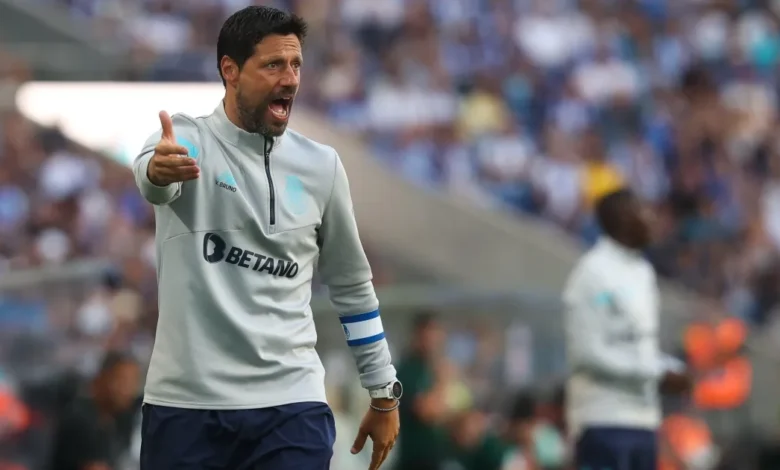
As Anderlecht prepares to embark on its European journey tonight with the first leg of the Europa League second qualifying round against Hammarby, a palpable sense of incompletion pervades the club. Despite the imminent continental clash, insiders suggest that the Belgian giants are far from being fully assembled and ready to tackle the demanding season ahead. The transfer window remains a hive of activity, and the squad currently at the disposal of Vitor Bruno is not yet the one the club envisions for their domestic league campaign, which commences in late August.
The Lingering Shadow of the Transfer Window
The club’s Sporting Director, Antoine Sibierski, is acutely aware of this situation. Since his appointment, the Frenchman has been diligently working behind the scenes on various transfer targets, but the significant breakthrough, the "big click" as it were, has yet to materialize. Sibierski had hoped to have the core of the squad solidified before the crucial European fixture, but the search for the precise profiles needed has proven more intricate than initially anticipated. This prolonged negotiation period, a common feature of modern football transfers, often leaves clubs in a state of flux, particularly when crucial early-season matches loom. The financial implications of the transfer market, coupled with the competitive nature of securing sought-after talent, contribute to the protracted nature of these dealings.
Wingers: A Persistent Challenge in Recruitment
The flanks, in particular, have presented a persistent challenge in Anderlecht’s recruitment strategy. The club is actively seeking to acquire at least one, and ideally two, players capable of injecting pace, directness, and potent one-on-one threat into their attacking play. Numerous avenues have been explored, but potential deals have either fallen victim to prohibitive financial demands or seen the targeted players opt for alternative destinations. This scarcity of suitable wingers is a recurring theme in the transfer market, as clubs often prioritize players who can offer direct impact and break down organized defenses.
The consequence of these recruitment hurdles is that Vitor Bruno is currently compelled to demonstrate considerable tactical ingenuity with the existing roster. The Portuguese tactician has Tristan Degreef, Adriano Bertaccini, and Mihajlo Cvetkovic at his disposal, but none are currently viewed as natural, out-and-out wingers by the club’s hierarchy.
Degreef, while possessing commendable technical ability, is perceived by the coaching staff to lack the explosive pace required to consistently make a decisive impact on the wing. Bertaccini, on the other hand, is seen more as an asset in a central attacking role, best suited to operating in the heart of the opposition’s defense. As for Cvetkovic, Bruno prefers to deploy him as close to the goal as possible. The Serbian was recruited with the primary objective of scoring, and internally, he is regarded as the clinical finisher Anderlecht has been searching for. This assessment highlights the nuanced requirements of different attacking roles and the difficulty in finding players who can seamlessly transition between them.
Emerging Talents: Onia-Seke and Nga Kana Poised for European Debut
Against this backdrop, it is highly probable that two academy graduates will be handed significant roles in the upcoming encounter against Hammarby. Jayden Onia-Seke and Joshua Nga Kana, both a mere 17 years of age, appear ready to gain valuable minutes on the European stage. This willingness to promote youth is not coincidental. Throughout his coaching tenure in Portugal, Vitor Bruno has cultivated a reputation as a manager unafraid to provide opportunities to emerging talents. The Portuguese league is widely recognized as a fertile ground for player development, and Bruno has consistently operated within environments where youth development is paramount. This philosophy was a key factor in his appointment by the Anderlecht hierarchy.
At Anderlecht, there is a clear ambition to re-establish the Neerpede academy at the very heart of the club’s project. The academy is intended to be the engine of the club once more, a role that has diminished in prominence in recent years. Bruno wholeheartedly embraces this vision, and during the pre-season preparations, he has repeatedly emphasized that age is not a determining factor in his team selections. If a player demonstrates the requisite quality, they will play. This commitment to meritocracy, regardless of age, resonates with the club’s long-term vision of fostering homegrown talent.
Vitor Bruno: A Proven Developer of Young Talent
The head coach firmly believes that both Onia-Seke and Nga Kana are prepared to assume significant responsibilities. Their inherent speed and their capacity to exploit space in behind opposing defenses align perfectly with the style of football Bruno aims to implement. These attributes could prove to be a valuable weapon against Hammarby tonight, offering a dynamic and unpredictable element to Anderlecht’s attack.
However, the underlying message within the club remains unequivocal: the current squad is not yet complete. Sibierski continues his diligent search for additional quality on the wings and aims to bolster the squad further in the coming weeks. Consequently, Anderlecht’s European campaign commences with a team still very much in a state of construction. Yet, this transition period is also marked by the presence of a coach who is unafraid to place his trust in the new generation emerging from the Neerpede academy, signaling a potential shift in the club’s playing philosophy and reliance on youth.
The Context of Anderlecht’s European Aspirations
Anderlecht, a club with a rich history and a proud tradition in European competitions, enters this qualifying round with the expectation of progressing deep into the Europa League. Their past successes, including multiple domestic league titles and European silverware, set a high bar for current and future squads. The Europa League, while not the pinnacle of European club football, offers a significant platform for player development, exposure to different tactical approaches, and the potential for financial rewards and increased club prestige. For a club like Anderlecht, consistently competing in European tournaments is not merely an aspiration but a fundamental aspect of their identity.
The recent performance history of Anderlecht in European qualifiers has been a mixed bag. While they have often been a formidable force, there have been instances where early-round exits have highlighted squad deficiencies or tactical shortcomings. This year’s situation, with the transfer window still open and key positions yet to be definitively filled, adds an extra layer of complexity to their European ambitions. The ability of Bruno to mold the current group of players into a cohesive and effective unit, while simultaneously integrating new signings, will be a critical factor in their success.
Hammarby: A Formidable Scandinavian Opponent
Hammarby, their Swedish opponent, represents a significant challenge in itself. Swedish clubs are typically known for their physical prowess, disciplined organization, and a strong work ethic. While perhaps not possessing the same global star power as some of Europe’s elite, they are capable of causing upsets and have a history of performing well in European competitions. Their domestic league, the Allsvenskan, is competitive and provides a solid foundation for their European endeavors. Analyzing their recent form, key players, and tactical tendencies will be crucial for Anderlecht’s preparation. The opening fixture, particularly a home leg, offers an opportunity to establish an advantage, but the away goal rule in European ties means that defensive solidity will be as important as attacking intent.
The dynamics of a two-legged tie mean that the first leg often sets the tone for the entire encounter. A strong performance at home could provide a psychological boost and a crucial lead to defend in the return fixture. Conversely, a disappointing result could put Anderlecht under immense pressure heading into the away leg. The pressure on the players and coaching staff will be significant, especially given the ongoing squad transition.
The Broader Implications of Embracing Youth
The decision to potentially rely on young players like Onia-Seke and Nga Kana speaks volumes about Anderlecht’s strategic direction. In an era where clubs often spend heavily on established stars, a commitment to nurturing academy talent can provide a sustainable and cost-effective pathway to success. It also fosters a sense of connection and loyalty between the club and its fanbase, as supporters often take pride in seeing homegrown players rise through the ranks.
However, this strategy also carries inherent risks. Young players, while possessing raw talent and potential, may lack the experience and consistency of seasoned professionals. Their performances can be more volatile, and they may struggle to adapt to the pressure of high-stakes European matches. The success of this youth-centric approach will depend on the quality of the coaching, the support system in place for the young players, and their individual mental fortitude.
Looking Ahead: The Transfer Market Continues to Dictate
The coming weeks will be pivotal for Anderlecht. The ongoing transfer window will undoubtedly shape the final composition of the squad. Sibierski’s ability to secure the necessary reinforcements will directly impact the team’s chances of success both domestically and in Europe. The club’s financial health and their standing in the transfer market will be tested as they strive to balance ambition with pragmatism.
The fact that the club’s leadership acknowledges the incomplete nature of the squad underscores a realistic approach to the challenges ahead. While the immediate focus is on the European tie against Hammarby, the long-term vision of building a strong, competitive, and sustainable club remains paramount. The interplay between the transfer market, the development of young talent, and the tactical acumen of Vitor Bruno will define Anderlecht’s trajectory throughout the season. The journey has begun, but the final destination remains very much in flux. The club’s supporters will be watching with keen interest, hoping that the blend of established talent and emerging potential will be enough to navigate the challenges of a demanding European campaign.