Brussels Firefighters Continue Strike Action Amidst Standoff with Regional Government Over Working Conditions and Resources

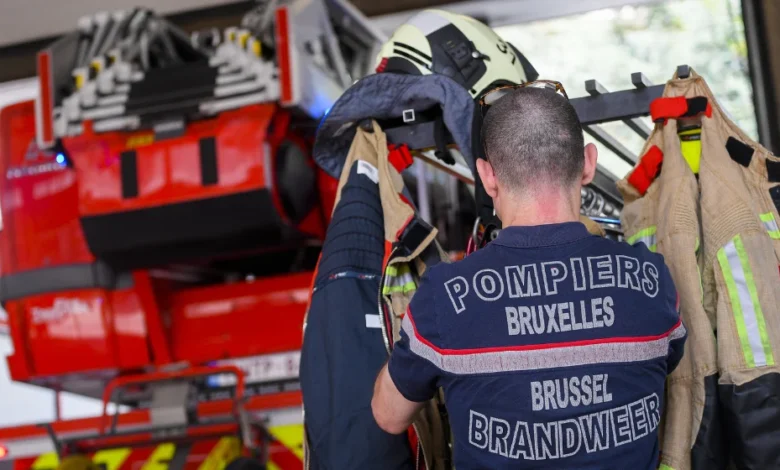
The strike action by Brussels firefighters entered its fourth consecutive day on Friday, with union representatives reporting near-universal participation despite mandatory requisitions. The common union front declared the proposals put forth by the Brussels regional government on Thursday to be insufficient to resolve the ongoing labor dispute, signaling a deepening impasse.
Persistent Mobilization Despite Requisition Orders
Despite the government’s deployment of requisition orders – a measure compelling essential personnel to return to work – the commitment to the strike remains exceptionally high. According to Corporal Pablo Nyns of the CGSP union, approximately forty firefighters were present across various sites of the Brussels Fire Brigade (Siamu) on Friday morning, the vast majority of whom were reportedly requisitioned. Specific numbers cited by the union indicated four agents at Delta, three at Châtenée, none at Saint-Michel, Saint-Pierre, and Cité, and eighteen at Héliport. "The participation rate in the action remains close to 100%," Nyns asserted, underscoring the firefighters’ unified stance.
The core of the dispute revolves around long-standing concerns regarding understaffing, inadequate resources, and the overall working conditions within the Siamu. Firefighters have been vocal about the increasing demands placed upon them, citing a rise in emergency calls and the need for modern equipment and sufficient personnel to ensure both public safety and their own well-being. This strike represents the culmination of what unions describe as years of unaddressed issues and broken promises from successive regional administrations.
Government’s Proposed Solutions Deemed Inadequate by Unions
The Brussels government, led by Minister-President Boris Dilliès (MR), presented a package of measures on Thursday aimed at de-escalating the situation. These proposals include a commitment to recruit 132 new firefighters by the end of 2027. Additionally, the plan outlines the creation of a specific framework for ambulance personnel, a move intended to address concerns about their professional development and working conditions. A financial envelope of ten million euros was also announced, with two million earmarked for priority investments and the remaining eight million designated for supplementary projects.
However, the unions have expressed significant reservations about the efficacy and clarity of these proposals. Pablo Nyns characterized the government’s commitments as "a lot of communication, but without concrete and net figures." He further elaborated that the announced recruitment of forty personnel for the current year would not even be sufficient to offset the estimated sixty firefighters retiring by year’s end. This shortfall, according to union leaders, directly contributes to the persistent understaffing that fuels their discontent.
Further points of contention include the vagueness surrounding the allocation of the additional eight million euros. Unions are seeking precise details on how this funding will be utilized, emphasizing the need for tangible investments in infrastructure, equipment, and operational enhancements. The proposed framework for ambulance staff also lacks crucial specifics, such as the projected number of new positions, the criteria for recruitment, and the timeline for implementation. This lack of concrete detail, the unions argue, renders the government’s promises insufficient to address the immediate and pressing needs of the service.
Allegations of Intimidation Tactics During Requisitions
Adding a layer of controversy to the ongoing dispute, the union has also raised serious allegations regarding the methods employed during the requisition process. According to Pablo Nyns, some police officers allegedly activated their sirens outside the homes of requisitioned firefighters, sometimes in the middle of the night. These actions, he claims, were intended to intimidate the firefighters and their families. The authorities have not yet issued an immediate comment on these accusations. Such tactics, if proven, could further exacerbate tensions and erode trust between the striking workers and the authorities. The requisitioned firefighters are obligated to report for duty to ensure essential interventions are carried out, but the alleged intimidation tactics suggest a heavy-handed approach by some elements of law enforcement involved in the requisition process.
Operational Impact and Current Service Levels
The impact of the strike on emergency services is a critical concern for the public and has been quantified by the fire department’s spokesperson. Walter Derieuw stated that on Friday, only "22% of the scheduled on-duty personnel is present." This translates to an approximate operational capacity of "around 20% for fire services interventions and about 70% for urgent ambulance interventions." To compensate for the reduced staffing, reinforcements have been mobilized for ambulance missions. The department maintains that available resources are continuously assessed and deployed based on the urgency and nature of calls. The operational command is closely monitoring the situation and adapting its organization as necessary to maintain essential services.
Historical Context and Underlying Issues
The current strike action is not an isolated incident but rather a symptom of deeper, systemic issues within the Brussels fire department. For years, unions have been advocating for better staffing levels, arguing that the current numbers are insufficient to cope with the increasing frequency and complexity of emergencies in a densely populated urban environment. Factors such as an aging workforce, a high rate of retirements, and insufficient recruitment have contributed to a growing deficit in personnel.
Furthermore, the aging infrastructure and outdated equipment at some fire stations have been cited as significant concerns, impacting both operational efficiency and the safety of firefighters. The financial allocation for the Siamu has often been a point of contention, with unions arguing that it has not kept pace with the growing demands and the need for modernization.
The proposed recruitment of 132 firefighters by 2027, while a step in the right direction, is viewed by many as too slow to address the immediate staffing crisis. With an estimated sixty retirements anticipated within the same period, the net increase in personnel might be marginal, failing to alleviate the pressure on the existing workforce. The creation of a specific framework for ambulance personnel is also a long-standing demand, as this group often operates under different conditions and faces unique challenges.
Broader Implications and Potential Future Scenarios
The ongoing strike has significant implications beyond the immediate operational disruptions. It highlights a critical need for sustainable investment in public safety services and a more proactive approach to addressing labor concerns in essential sectors. The effectiveness of the government’s response will be closely scrutinized, not only by the striking firefighters but also by other public sector unions who may be monitoring the situation for precedents.
The prolonged nature of the strike and the continued mobilization of firefighters, even under requisition, suggest a strong resolve within the ranks. This could lead to further pressure on the regional government to engage in more substantive negotiations and offer more comprehensive solutions. The union’s demand for clear, quantifiable commitments on recruitment, funding, and operational improvements indicates a desire for long-term stability rather than short-term fixes.
If a resolution is not reached soon, the strike could escalate further, potentially impacting other aspects of public safety or leading to broader industrial action across different sectors in Brussels. The economic and social impact of a prolonged disruption to emergency services, even with contingency measures, can be substantial.
The allegations of intimidation tactics, if substantiated, could also lead to a formal investigation and potentially have legal ramifications, further complicating the path to resolution. The public’s perception of the situation will also play a crucial role, with a balance to be struck between sympathy for the firefighters’ demands and concerns about public safety.
A Timeline of the Dispute
While the current article focuses on the fourth day of the strike, the roots of this conflict extend back much further. The following is a general chronology of the underlying issues and recent developments:
- Years Preceding Strike: Ongoing concerns raised by firefighter unions regarding understaffing, aging equipment, and insufficient budget allocations for the Brussels Fire Brigade. Numerous petitions, memorandums, and informal discussions with regional authorities.
- Recent Months: Increased frequency of emergency calls and a perceived worsening of working conditions due to persistent staffing shortages. Growing frustration among firefighters.
- Weeks Preceding Strike: Formal escalation of demands by unions, including the threat of industrial action if no satisfactory response was received from the regional government.
- [Date – approx. 4 days before Friday’s article]: Brussels firefighters initiate strike action. Initial reports indicate high participation and concerns about service continuity.
- [Date – 1 day before Friday’s article]: The Brussels regional government, led by Minister-President Boris Dilliès, presents a package of proposed measures to the unions, including recruitment plans and financial allocations.
- [Friday – date of the article]: Strike action continues for the fourth day. Unions deem government proposals insufficient. Reports of near-100% participation and ongoing requisitions. Allegations of intimidation tactics emerge. Official figures on reduced operational capacity are released.
Expert Analysis and Broader Context
The situation in Brussels mirrors similar labor disputes occurring in other major European cities, where public services are often stretched thin by budget constraints and increasing demands. The COVID-19 pandemic further highlighted the critical importance of frontline workers, including firefighters, and the need for adequate support and resources.
The Brussels firefighters’ strike serves as a stark reminder of the delicate balance between austerity measures and the essential provision of public safety. The government’s challenge is to address the firefighters’ legitimate concerns without compromising fiscal responsibility, a task that requires nuanced negotiation and a genuine commitment to finding sustainable solutions. The long-term implications of failing to adequately invest in emergency services could lead to a decline in response times, increased risks for both the public and firefighters, and a diminished capacity to handle major crises. The current standoff underscores the urgent need for a comprehensive and forward-thinking strategy to ensure the resilience and effectiveness of Brussels’ vital fire and ambulance services. The resolution of this dispute will likely set a precedent for how such critical public service negotiations are handled in the region.