Cupra Raval 37 kWh 2026: An In-Depth Look at the New Entry-Level Urban Electric Vehicle and Its Market Positioning.

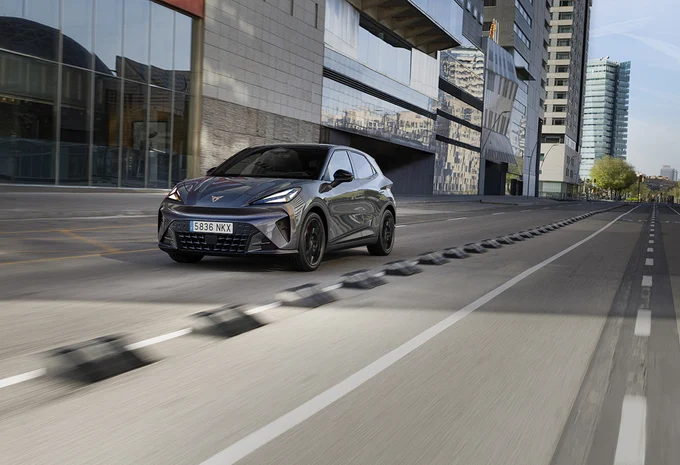
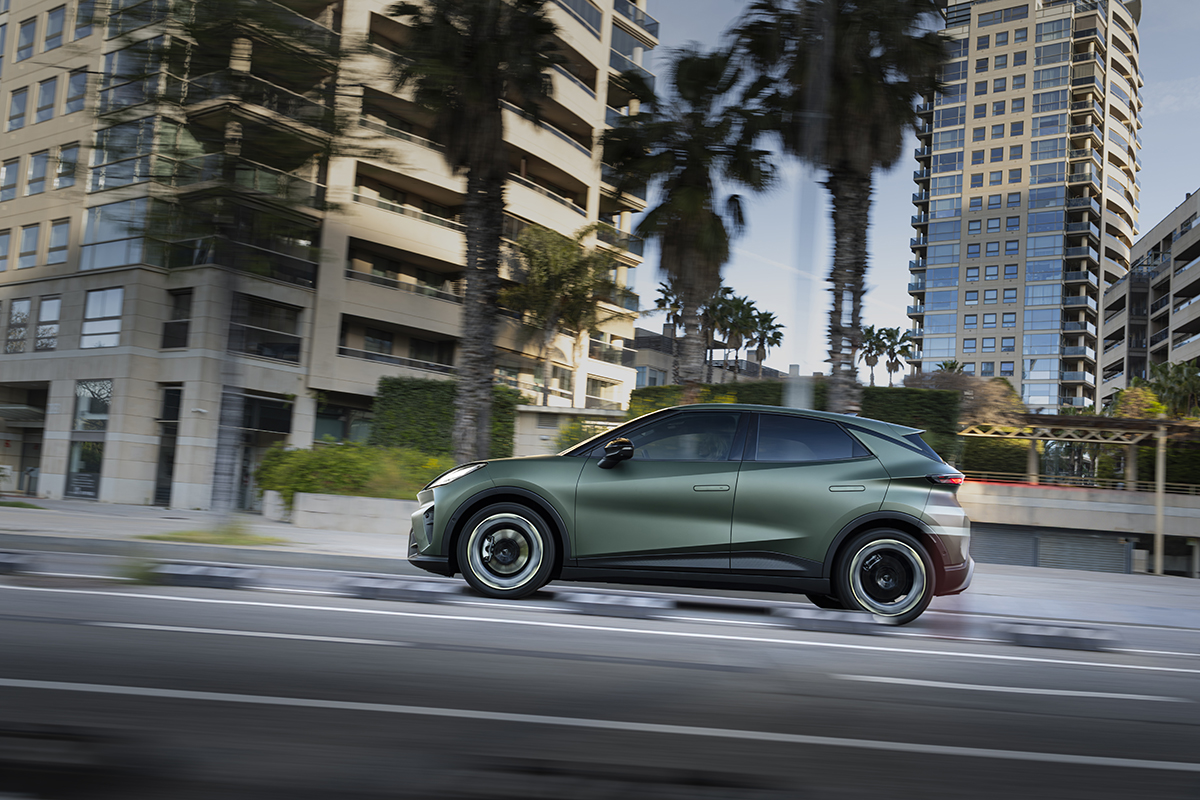
The automotive landscape in Europe is currently undergoing a seismic shift as manufacturers race to capture the burgeoning market for affordable, compact electric vehicles. Leading this charge is Cupra, the high-performance Spanish brand under the Volkswagen Group umbrella, which has officially opened orders for its latest iteration of the Raval. This new entry-level version, equipped with a 37 kWh battery and a 135 hp electric motor, represents a strategic move to lower the barrier to entry for electric mobility while maintaining the brand’s reputation for design and emotional appeal. As the Belgian market prepares for the first deliveries in mid-September 2026, the Raval 37 kWh stands as a testament to the brand’s commitment to urban-centric, sustainable performance.
The Strategic Importance of the 37 kWh LFP Battery
At the heart of this new Cupra Raval variant is a lithium-iron-phosphate (LFP) battery with a gross capacity of 37 kWh. The choice of LFP chemistry is a deliberate and calculated decision by the Volkswagen Group’s engineering team. Unlike traditional nickel-manganese-cobalt (NMC) batteries, LFP cells are significantly less expensive to manufacture because they do not rely on scarce and volatile raw materials like cobalt and nickel. This cost-saving measure is directly reflected in the Raval’s competitive starting price of €31,150 in Belgium.
Beyond cost, LFP technology offers several practical advantages for urban drivers. These batteries are known for their exceptional thermal stability and longevity, capable of undergoing significantly more charge-discharge cycles before experiencing capacity degradation. This makes the 37 kWh Raval an ideal candidate for daily commuting and city-based car-sharing programs. However, LFP batteries are generally less energy-dense than NMC counterparts. To mitigate this, Cupra has optimized the Raval’s efficiency to achieve a WLTP-certified range of 320 kilometers (approximately 199 miles). While this figure is lower than the long-range versions of the Raval, it is tailored specifically for urban and suburban environments where daily mileage rarely exceeds 50 kilometers.
Performance and the MEB+ Architecture
The 2026 Cupra Raval is powered by a front-mounted electric motor delivering 99 kW, or roughly 135 horsepower. While Cupra has not yet released specific 0-100 km/h acceleration figures for this 37 kWh version, industry analysts expect a sprint time in the range of 8.5 to 9.0 seconds. This performance is designed to be punchy and responsive at low speeds—essential for navigating tight city streets—rather than focusing on high-speed highway cruising.
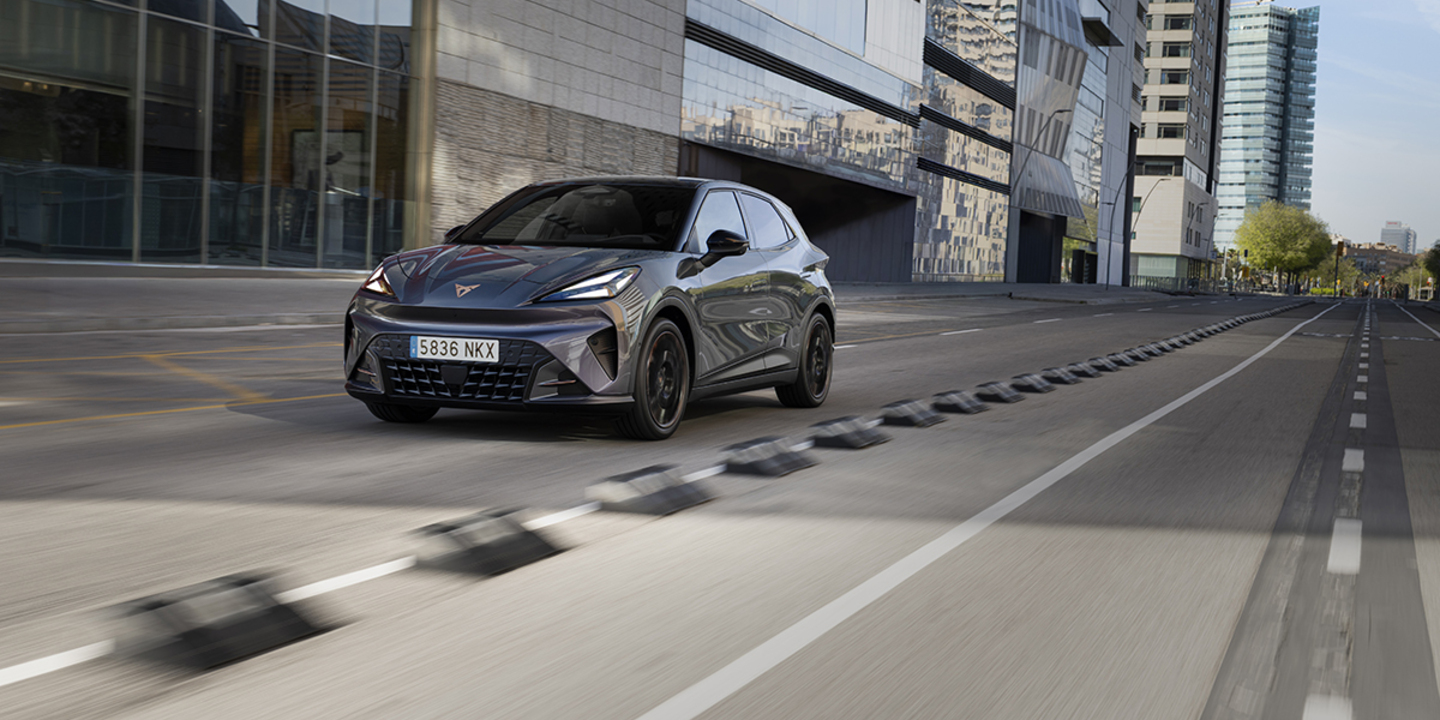
The vehicle is built upon the Volkswagen Group’s new MEB+ platform. This architecture is an evolution of the original Modular Electric Drive Matrix (MEB) that underpins cars like the Cupra Born and VW ID.3. The "Plus" designation signifies improvements in charging speeds, software integration, and a more compact layout optimized for front-wheel-drive configurations. By utilizing the MEB+ platform, the Raval benefits from a long wheelbase relative to its total length, which maximizes interior space while keeping the exterior footprint small enough for effortless parking.
Production is centered at the SEAT S.A. plant in Martorell, near Barcelona. This facility has undergone a €3 billion transformation to become a primary hub for the Volkswagen Group’s Small BEV (Battery Electric Vehicle) family, which will also include the Volkswagen ID.2all and a future model from Škoda. The Raval’s name itself is a tribute to the vibrant, multicultural El Raval district in Barcelona, reinforcing the car’s identity as a product of Catalan design and urban culture.
Charging Capabilities and Infrastructure Compatibility
For urban electric vehicles, charging speed is often more critical than absolute range. The Cupra Raval 37 kWh supports 11 kW AC charging, which is standard for home wallboxes and public street chargers. More importantly, it features DC fast-charging capabilities of up to 88 kW. While 88 kW might seem modest compared to the 200+ kW rates seen in luxury EVs, it is perfectly matched to the Raval’s smaller battery capacity.
According to Cupra’s technical data, the Raval can charge from 10% to 80% in approximately 23 minutes when connected to a compatible fast charger. This rapid turnaround time ensures that even if a driver needs a quick boost during a busy day, the interruption remains minimal. Furthermore, the 37 kWh version includes the innovative "Vehicle-to-Load" (V2L) function as part of its Edge equipment pack. This allows the car to act as a mobile power bank, providing electricity to external devices such as laptops, electric bicycles, or camping equipment—a feature that is increasingly popular among younger, tech-savvy consumers.
Interior Technology and Versatility
Despite its entry-level positioning, the interior of the Raval 37 kWh does not compromise on the digital experience that Cupra customers have come to expect. The cabin is dominated by a 12.9-inch central infotainment touchscreen, which serves as the hub for navigation, media, and vehicle settings. This is complemented by a 10.25-inch digital cockpit for the driver, providing clear, customizable data on speed, range, and energy flow.
Storage is another area where the Raval punches above its weight. Despite its compact exterior dimensions, the vehicle offers a boot capacity of 441 liters. This is significantly larger than many of its direct competitors in the B-segment, such as the Peugeot e-208 or the Renault 5 E-Tech. The inclusion of sport seats as standard equipment across the range underscores Cupra’s desire to maintain a "cool" and athletic brand image, even in its most affordable model.
Personalization through Equipment Packs
Cupra has simplified the ordering process by offering three distinct equipment packages, allowing buyers to tailor the vehicle to their specific needs:
- Edge Pack: Focuses on convenience and connectivity. It includes wireless smartphone charging, Keyless Advanced (entry and start), a digital smartphone key, and the aforementioned Vehicle-to-Load (V2L) functionality.
- Drive Pack: Aimed at safety and driver assistance. This pack integrates Travel Assist (semi-autonomous driving), a 360-degree top-view camera, and an Intelligent Park Assist system that allows the driver to maneuver the car into tight spots using their smartphone from outside the vehicle.
- Light & Sound Pack: Designed for enthusiasts of high-fidelity audio and aesthetics. It features a premium 12-speaker sound system developed in partnership with Sennheiser, along with an expanded ambient lighting system that can be customized to match the driver’s mood.
Market Analysis and Competitive Landscape
The launch of the Raval 37 kWh at €31,150 is a direct response to the "democratization" of the electric vehicle market. For years, the high cost of batteries meant that EVs were restricted to the premium segments. However, with the arrival of the Renault 5 E-Tech and the upcoming Volkswagen ID.2, the €25,000 to €32,000 price bracket has become the new battleground.
Industry experts suggest that Cupra is positioning the Raval as the "emotional" choice in this segment. While the VW ID.2 targets a more conservative, utilitarian audience, the Raval uses aggressive styling and a performance-oriented brand story to attract younger buyers. The inclusion of LFP technology allows Cupra to compete on price without sacrificing the high-tech features that define the brand.
In Belgium, the timing of the Raval’s arrival in September 2026 coincides with tightening emissions regulations in major cities like Brussels and Antwerp. With more "Low Emission Zones" (LEZ) coming into effect, a compact EV with a 320 km range and a sub-€32,000 price tag is likely to see high demand among urban professionals and young families.
Chronology of Development
The journey of the Cupra Raval began in 2021 with the unveiling of the Cupra UrbanRebel concept. Initially presented as a wild, wing-laden racing prototype, the concept was later refined into a more production-ready "UrbanRebel" concept in 2022. In 2023, Cupra officially announced that the production model would be named the Raval, honoring the brand’s roots in Barcelona.
The development phase focused heavily on the MEB+ platform, ensuring that the front-wheel-drive layout would deliver the "fun-to-drive" characteristics associated with the Cupra name. Testing took place in varied environments, from the extreme heat of the Spanish interior to the freezing conditions of Northern Sweden, ensuring the LFP battery could handle a wide range of temperatures.
With orders now open and production scheduled to ramp up through 2025, the mid-2026 Belgian launch marks the final step in bringing this vision to the public.
Broader Implications for the Volkswagen Group
The success of the Cupra Raval is crucial for the Volkswagen Group’s overall electrification strategy. As the group pivots away from internal combustion engines, brands like Cupra are essential for capturing market share in Southern Europe and among younger demographics where the traditional VW brand may not have the same "cool factor."
Furthermore, the Raval serves as a pilot for the Group’s LFP battery integration. If the 37 kWh version proves successful, it is highly likely that LFP chemistry will become the standard for all entry-level electric models across the VW, Škoda, and SEAT portfolios. This would allow the group to achieve the economies of scale necessary to compete with aggressive pricing from Chinese manufacturers entering the European market.

In conclusion, the Cupra Raval 37 kWh is more than just a new car; it is a strategic pillar for the future of the Spanish automotive industry. By combining LFP efficiency, MEB+ technology, and a design-forward approach, Cupra is making a bold statement about the future of urban mobility. As the 2026 launch date approaches, all eyes will be on the showrooms of Belgium to see if this "popular" EV can truly deliver on its promise of accessible performance.
Related posts: