Brussels Casino Set for Major Ownership Change as Napoleon Games Secures 15-Year Concession

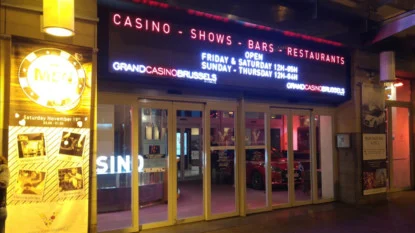
The city of Brussels is poised for a significant shift in its entertainment landscape with the announcement that the capital’s primary casino will change hands on January 1, 2027. The College of Mayor and Aldermen has officially awarded a 15-year operating concession to ECK NV, the company behind the well-established Napoleon Games brand. This strategic decision marks the end of Viage’s tenure, which has operated the establishment since 2010, and ushers in a new era under the management of a company with a strong and expanding presence in the Belgian gaming market.
Napoleon Games, now a subsidiary of the Romanian conglomerate Superbet since 2021, has demonstrated its capability in managing high-profile gaming venues, notably operating the casino in Knokke-Heist. Their selection followed a rigorous concession tender process initiated by the City of Brussels, a move designed to ensure the optimal operation and continued appeal of this prominent city landmark. The process involved a thorough evaluation of multiple bids, underscoring the competitive nature of securing such a valuable operating license.
The competitive tender process saw six distinct offers analyzed by the city’s authorities. Among the contenders was the incumbent operator, Viage, a subsidiary of the Austrian group Casinos Austria International. Viage had expressed a strong desire to extend its operational lease, aiming to build upon its established presence and visitor base. However, their bid was ultimately unsuccessful, meaning Viage will be required to vacate the premises by the end of 2026. This transition represents a considerable change for the company and its employees, necessitating a carefully managed handover to ensure minimal disruption to operations and the public.
Viage has highlighted the casino’s significant annual visitor numbers, reporting that it welcomes "over 310,000 visitors per year." This figure underscores the venue’s importance as a major entertainment hub within Brussels. The casino itself is a substantial facility, spanning 14,300 square meters. Crucially, it holds a Class I gambling license, placing it among the nine establishments in Belgium authorized to offer the highest tier of gaming services. Its strategic location on Boulevard Anspach, a central pedestrian artery in the heart of the capital, further amplifies its accessibility and appeal to both local residents and tourists. The boulevard’s vibrant atmosphere and its role as a key thoroughfare in the city center contribute to the casino’s visibility and foot traffic.
The financial valuation of this concession by the City of Brussels’ Real Estate and Economic Affairs Department has been assessed at an impressive €750 million, exclusive of Value Added Tax (VAT). This substantial figure reflects the significant economic potential and strategic importance of the casino’s operating rights. It also signals the city’s commitment to maximizing the value derived from its assets and ensuring that public resources are managed effectively to benefit the community. The concession fee structure, and the projected revenue streams, are critical components in the city’s budgetary planning and economic development strategies.
In an official communiqué, the City of Brussels expressed its enthusiasm for the upcoming transition, stating its eagerness "to continue the development of an emblematic establishment in the city center, an actor in the attractiveness of the capital for tourism, economy, and events." This statement indicates a clear strategic objective: to leverage the casino as a catalyst for broader urban development and to enhance Brussels’ standing as a dynamic and appealing destination. The city’s administration views the casino not merely as a place of gaming but as a vital component of its cultural and economic fabric, contributing to job creation, local business support, and the overall vibrancy of the downtown area.
The Road to the Concession: A Competitive Bidding Process
The awarding of the casino concession was not an arbitrary decision but the culmination of a structured and competitive tender process. The City of Brussels, recognizing the significant economic and social impact of its casino, initiated a formal call for concessions to ensure transparency and to secure the best possible operator for the future. This process, designed to attract a wide range of qualified candidates, typically involves stringent evaluation criteria focusing on financial stability, operational expertise, proposed development plans, and adherence to regulatory standards.
The tender process itself can be viewed as a timeline of strategic planning and execution. The initial announcement of the tender likely involved a period for potential bidders to register their interest and obtain the detailed tender documentation. This would be followed by a submission deadline for the proposals. Subsequently, a multi-stage evaluation phase would commence, involving technical reviews, financial assessments, and potentially presentations or interviews with the shortlisted candidates. The selection of ECK NV (Napoleon Games) represents the final step in this rigorous procedure, signifying that their proposal best met the city’s objectives.
Napoleon Games: A Growing Force in Belgian Gaming
Napoleon Games, the entity now set to operate the Brussels casino, has been steadily building its reputation and market share within Belgium. Its acquisition by the Superbet group in 2021 marked a significant turning point, injecting fresh capital and strategic direction into the company. Superbet, a prominent European operator, has a proven track record of success in diverse markets, bringing with it a wealth of experience in gaming operations, technology, and customer engagement. This backing provides Napoleon Games with a robust foundation for ambitious expansion and development plans.
The company’s existing operation of the casino in Knokke-Heist, a popular coastal resort town, demonstrates their ability to manage a high-volume, high-profile gaming establishment. This experience is likely to be invaluable as they prepare to take over the flagship Brussels venue. Napoleon Games’ portfolio typically encompasses a blend of traditional casino offerings, sports betting, and online gaming, suggesting that their vision for the Brussels casino may involve an integrated approach to entertainment, potentially leveraging digital platforms to enhance the on-site experience and reach a broader audience.
Viage’s Departure: End of an Era
For Viage, the upcoming transition marks the end of a 16-year operational chapter. Since opening its doors in 2010, Viage has been instrumental in shaping the modern casino experience in Brussels. The venue, known for its sophisticated ambiance and diverse gaming options, has been a significant contributor to the city’s nightlife and entertainment scene. Their efforts to retain the concession, as indicated by their participation in the tender, suggest a belief in their continued ability to operate the venue successfully.
The departure of Viage raises questions about the future of its operations in Belgium and the potential redeployment of its resources and expertise. Casinos Austria International, the parent company, is a major player in the global gaming industry, and while this particular concession will not be renewed, their strategic presence in other markets remains. The transition will necessitate a well-managed handover process, ensuring that employees are supported and that the continuity of services for patrons is maintained during the interim period.
The Brussels Casino: A Landmark Venue
The Brussels casino is more than just a gaming facility; it is an integral part of the city’s urban fabric. Its location on Boulevard Anspach places it at the heart of the capital’s commercial and cultural activities. The 14,300 square meter site offers ample space for a wide array of gaming tables, slot machines, and other entertainment amenities. Its status as a Class I licensed establishment signifies that it operates under the strictest regulatory oversight, ensuring fair play and responsible gaming practices.
The casino’s role in contributing to the city’s attractiveness is multifaceted. It serves as a significant draw for tourists, offering a unique entertainment option that complements Brussels’ rich history, architecture, and culinary scene. Economically, it generates substantial revenue, supports numerous jobs, and contributes to the local tax base. Furthermore, its potential as a venue for events and conferences can further enhance its contribution to the city’s economic dynamism. The city’s statement explicitly acknowledges this multifaceted role, emphasizing the desire to build upon the establishment’s existing strengths.
Financial Implications and Economic Significance
The €750 million valuation of the concession highlights the immense economic value associated with operating the Brussels casino. This figure is a testament to the venue’s profitability and its strategic importance in the Belgian gaming market. For the City of Brussels, securing a substantial concession fee is a crucial aspect of its fiscal management, providing significant revenue that can be reinvested in public services, infrastructure projects, or other urban development initiatives.
The successful operation of the casino under Napoleon Games is expected to generate ongoing economic benefits, including direct employment within the casino and indirect employment in supporting industries such as hospitality, security, and maintenance. The increased investment and potential expansion plans by Napoleon Games could further stimulate economic activity in the city center. Furthermore, the casino’s contribution to tourism can have a ripple effect on other sectors of the local economy, from hotels and restaurants to retail and cultural attractions.
Future Outlook and Strategic Considerations
The transition to new management presents an opportunity for the Brussels casino to evolve and adapt to changing market trends and player preferences. Napoleon Games, with the backing of Superbet, is likely to introduce innovative gaming technologies, enhanced customer experiences, and potentially new entertainment concepts. The focus will undoubtedly be on maintaining and growing the casino’s appeal to a diverse clientele, from seasoned gamblers to casual visitors seeking entertainment.
The city’s objective of enhancing its "attractiveness for tourism, economy, and events" suggests that the new operator will be expected to contribute actively to these goals. This might involve developing the casino as a destination for international gaming events, collaborating with local businesses to offer package deals, or integrating the casino’s offerings with other cultural and leisure activities in the city. The long-term success of the concession will be measured not only by financial returns but also by the casino’s sustained contribution to Brussels’ reputation as a vibrant and dynamic capital.
The decision by the City of Brussels to award the concession to ECK NV (Napoleon Games) represents a pivotal moment for the city’s premier gaming establishment. While Viage’s tenure concludes, the anticipation is that the new operators will build upon the existing foundation, injecting new energy and strategic vision into an iconic city landmark. The coming years will reveal how this significant ownership change will shape the future of entertainment and economic activity in the heart of Brussels.