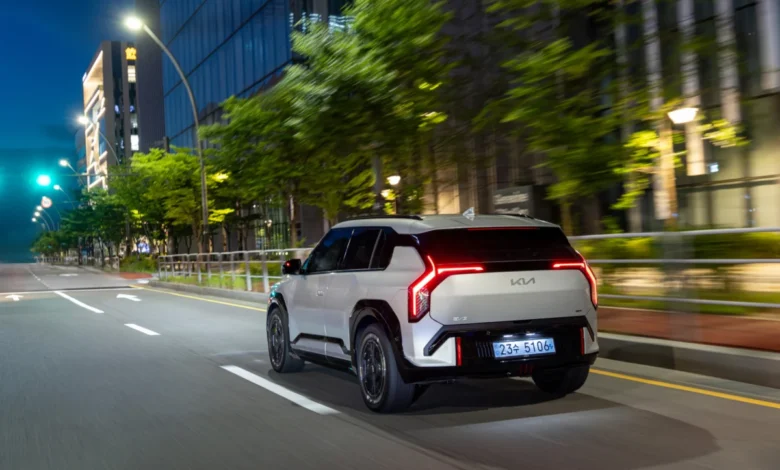
The 2026 Kia EV3 GT arrives as a strategic expansion of the South Korean manufacturer’s electric vehicle lineup, positioning itself not as a track-focused weapon, but as a spirited enhancement of the standard compact crossover. By defining the "GT" moniker in this context as standing for "Good Times," Kia is intentionally managing consumer expectations. This move creates a clear distinction between Kia’s performance philosophy and the more aggressive, hardware-heavy "N" division of its corporate sibling, Hyundai. While enthusiasts seeking raw power and circuit-ready dynamics might find the EV3 GT understated, the vehicle aims to capture a demographic that values engagement and personality without sacrificing the daily utility and ride quality of a traditional SUV.
Design Philosophy and Aesthetic Subtlety
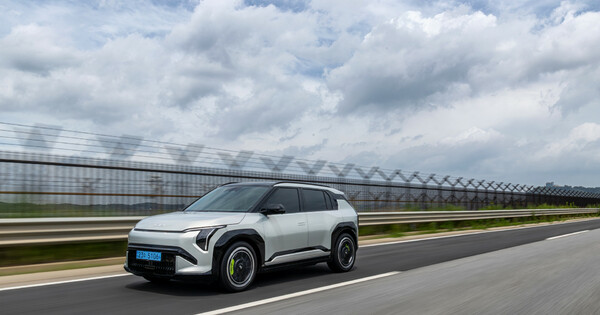
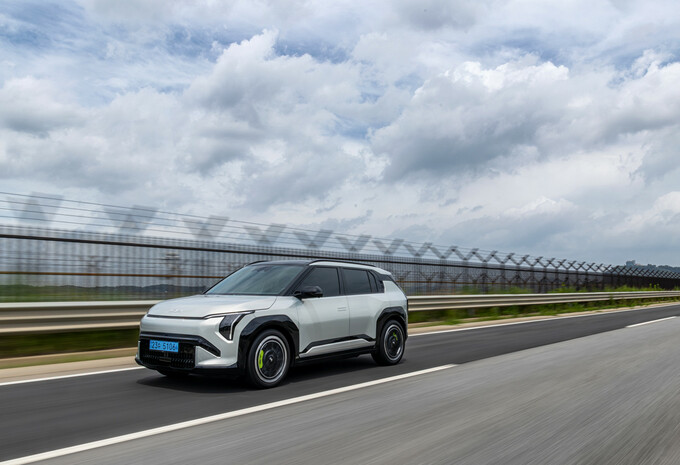
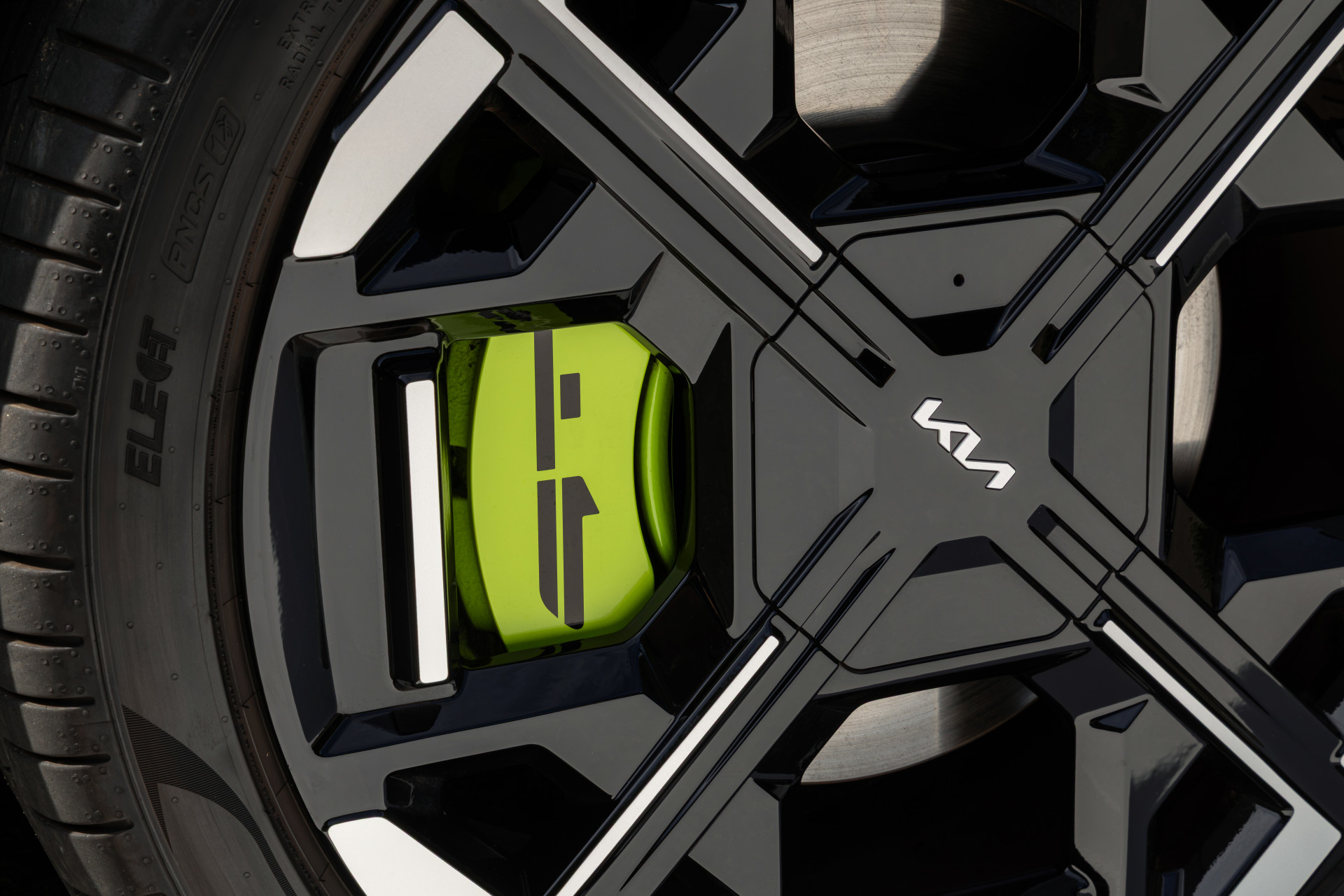
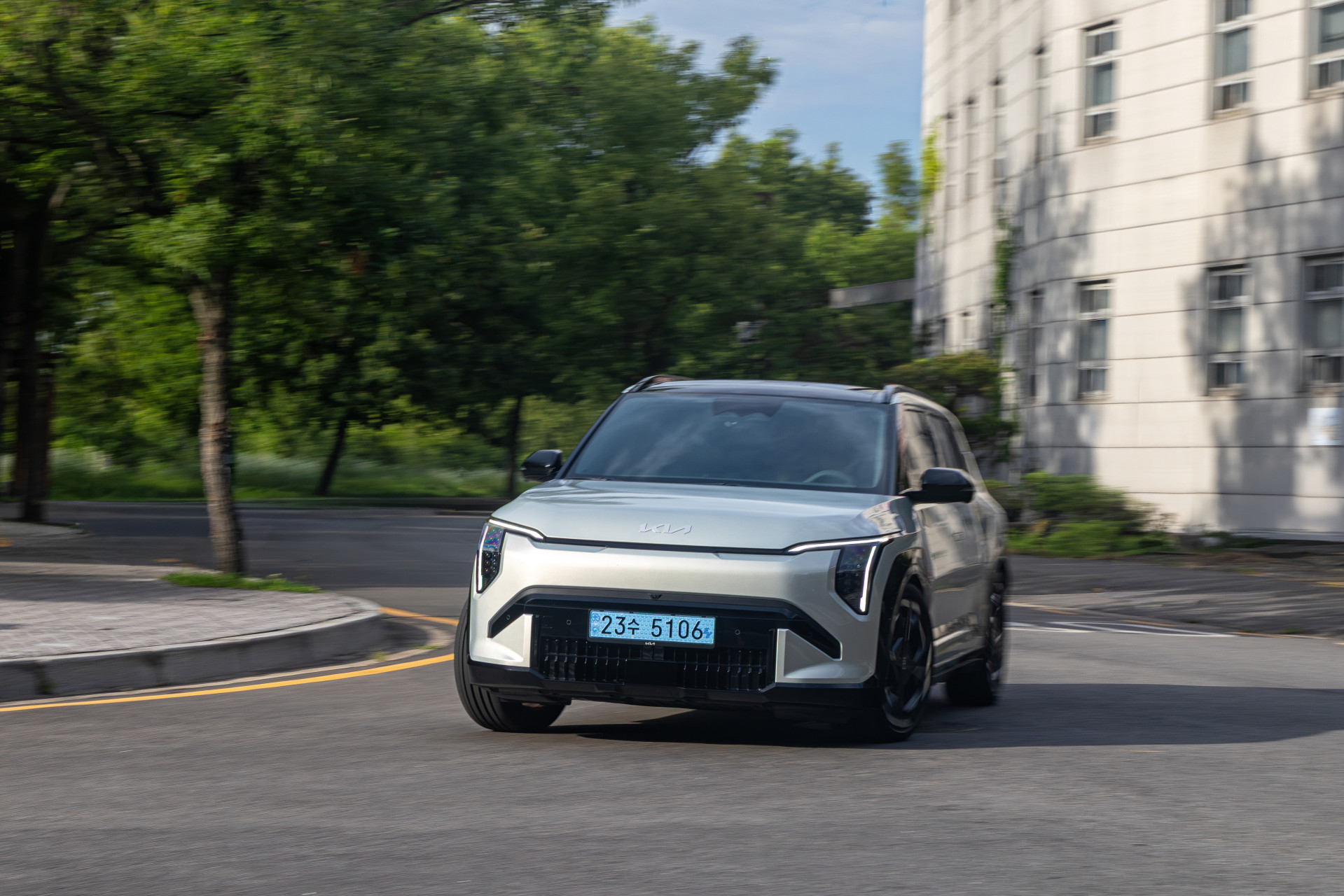
The visual identity of the 2026 Kia EV3 GT is characterized by restraint. Unlike many performance-oriented variants that utilize aggressive aerodynamic kits, wide-body flares, or prominent rear wings, the EV3 GT maintains a silhouette nearly identical to the GT-Line trim. The primary exterior differentiators are functional and focused on detail rather than radical transformation. The vehicle sits on model-specific 20-inch alloy wheels designed to balance aerodynamic efficiency with a more planted stance.
Visibility of the performance hardware is heightened by the inclusion of fluorescent yellow brake calipers, a signature color accent that carries through to the interior. The bumpers have been subtly reshaped with more "etched" or angular surfacing to provide a slightly more assertive face to the wind. Additionally, a GT-specific puddle lamp projects the logo onto the asphalt when the doors are opened, serving as a digital "handshake" for the driver. Critics and early observers note that the visual overlap between the standard GT-Line and the full GT model may be a point of contention for buyers paying a premium, as the aesthetic distinction remains minimal.
Interior Architecture and the GT Interface
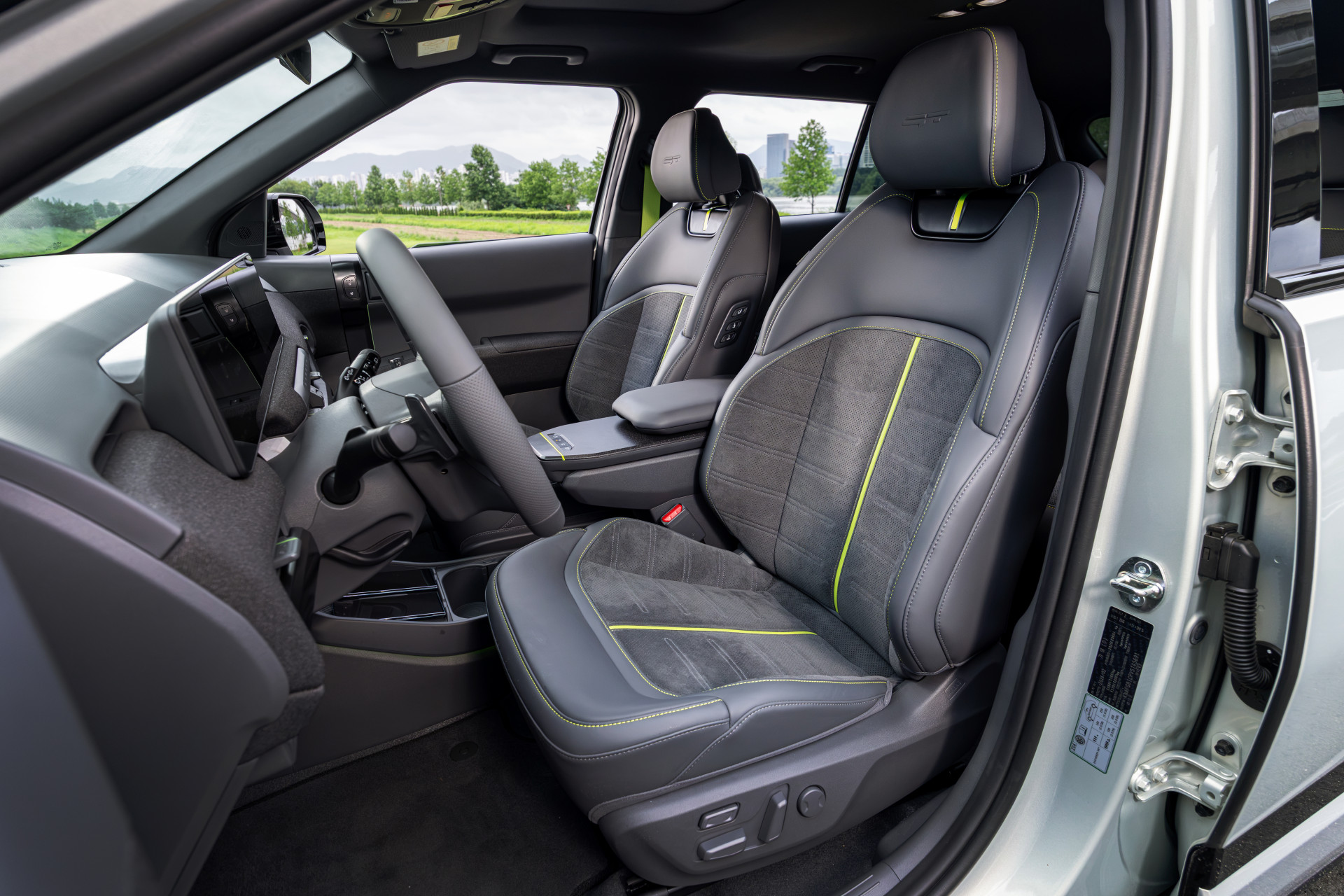
Inside the cabin, the EV3 GT retains the sustainable and minimalist layout of the standard EV3 but introduces targeted ergonomic upgrades. The "sport seats" feature higher side bolsters and more pronounced shoulder support to keep occupants secure during spirited cornering. These seats are accented with the same fluorescent yellow stitching found on the exterior, creating a cohesive design language.
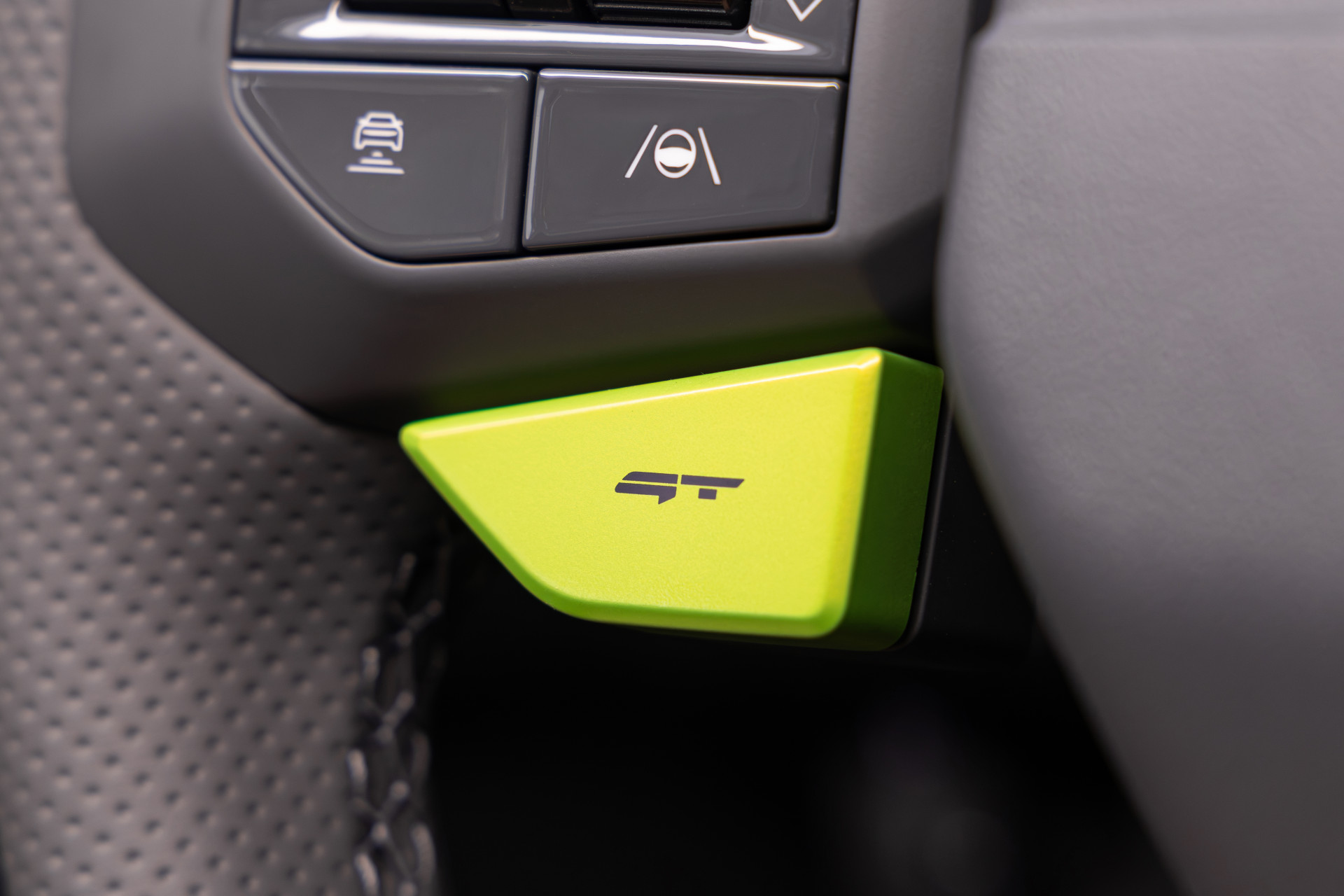
The most significant interior addition is the dedicated GT button located on the lower-left hub of the steering wheel. This physical interface serves as the gateway to the vehicle’s unique software-driven performance characteristics. Rather than simply stiffening the steering or sharpening the throttle response, this button activates a suite of digital enhancements designed to mimic the visceral feedback of an internal combustion engine (ICE) vehicle.
Technological Innovation: Virtual Gear Shift and Active Sound Design
Kia’s approach to performance in the EV3 GT is heavily rooted in digital simulation, a trend becoming increasingly popular in the high-end electric segment. The centerpiece of this experience is the Virtual Gear Shift (VGS) system. Although the EV3 GT utilizes a direct-drive, single-speed transmission typical of most electric vehicles, the VGS software simulates the sensation of an eight-speed dual-clutch transmission.
The system allows drivers to "shift" through these virtual ratios using steering-wheel-mounted paddles. The software is sophisticated enough to include a virtual rev-limiter. In "Normal" and "Sport" modes, the virtual engine cuts off at 6,500 RPM, while the "GT" mode extends this limit to 7,000 RPM. If the driver fails to pull the paddle in manual mode, the vehicle will "bounce" against the limiter, providing a haptic and auditory experience that mirrors a traditional petrol-powered sports car.
Complementing the VGS is the Active Sound Design (ASD). Kia engineers have developed a sound profile that occupies the middle ground between a high-revving turbocharged four-cylinder and a more resonant five-cylinder engine. This sound is piped through the vehicle’s internal speaker system with high fidelity, though it remains silent to pedestrians and observers outside the vehicle. This focus on "internalized" performance reinforces the idea that the EV3 GT is about the driver’s personal experience rather than outward display.
Powertrain Performance and Chronology
The development of the EV3 GT follows the successful launch of the standard EV3, which was built on a modified version of the Electric-Global Modular Platform (E-GMP). While the standard EV3 is primarily a front-wheel-drive affair, the GT variant introduces a second synchronous motor on the rear axle.
The front motor remains the 197 hp unit found in the standard Long Range model, but the addition of the rear motor brings the total system output to 292 hp and 468 Nm of torque. This represents a 70 hp increase over the base model. In terms of raw acceleration, the EV3 GT completes the 0-100 km/h (0-62 mph) sprint in 5.7 seconds. The top speed is electronically governed at 170 km/h (106 mph). While these figures do not place the EV3 GT at the top of the "electric hyper-hatch" category—where some competitors offer sub-4-second times—the power delivery is tuned for consistency and accessibility in real-world driving scenarios.
Handling Dynamics and Chassis Engineering
To manage the additional weight of the dual-motor setup and the increased torque, Kia has outfitted the EV3 GT with several chassis-level upgrades. The vehicle features adaptive dampers that can adjust their firmness based on the selected drive mode. This allows the car to maintain a comfortable, "spongy" ride for city commuting while tightening up for better body control on winding roads.
Lateral grip and cornering precision are managed by the Electric Dynamic Torque Vectoring Control (eDTVC). This system uses the electric motors to distribute torque precisely between the wheels, mitigating understeer and helping the vehicle rotate through corners. Despite these additions, the steering calibration remains intentionally light. Kia’s engineers have prioritized safety and stability over the raw, twitchy feedback found in dedicated track cars. This ensures that the vehicle remains approachable for the average driver while still offering a "stiffer" and more engaging feel than the standard model.
Battery Capacity, Range, and Charging Infrastructure
One of the logistical advantages of the EV3 GT’s moderate power increase is the preservation of efficiency. The vehicle utilizes the same 81.4 kWh lithium-ion battery pack found in the EV3 Long Range. Because the GT is not tuned for extreme high-performance discharge rates that would rapidly deplete the cells, it maintains a competitive range of approximately 501 kilometers (311 miles) on the WLTP cycle.
Charging performance is dictated by the vehicle’s 400-volt architecture. While it does not benefit from the ultra-fast 800-volt charging found in the larger Kia EV6 or EV9, the EV3 GT supports DC fast charging at a peak rate of 128 kW. This allows the battery to replenish from 10% to 80% in approximately 31 minutes. For home charging, the vehicle is equipped with an 11 kW on-board charger, making it suitable for overnight top-ups.
Market Context and Broader Implications
The introduction of the EV3 GT is a critical component of Kia’s "Plan S" strategy, which aims to establish a full lineup of 15 electric models by 2027. The EV3 GT occupies a unique niche in the market. It competes with vehicles like the Volvo EX30 Twin Motor Performance and the Smart #1 Brabus, but it does so with a focus on "software-defined fun" rather than just straight-line speed.
Industry analysts suggest that Kia’s decision to focus on simulated engagement (VGS and ASD) is a response to a common criticism of electric vehicles: that they lack soul or driver involvement. By providing these optional "gimmicks," Kia is attempting to bridge the gap between traditional car culture and the digital future. If successful, this approach could become a blueprint for how mainstream manufacturers differentiate their performance trims in an era where electric motors often feel identical across different brands.
Conclusion and Final Assessment
The 2026 Kia EV3 GT serves as a sophisticated experiment in psychological performance. By prioritizing the "illusion" of speed and mechanical complexity through Virtual Gear Shifts and high-fidelity soundscapes, Kia has created a vehicle that feels faster and more engaging than its 292 hp output might suggest on paper.
While the lack of aggressive visual differentiation from the GT-Line and the modest top speed may deter those seeking a traditional "hot hatch" experience, the EV3 GT succeeds in its primary mission: delivering a more entertaining driving experience without compromising the comfort, range, or practicality that makes the standard EV3 a compelling compact SUV. It is a car designed for the "Good Times" of daily driving, proving that in the electric age, software can be just as impactful as hardware in defining a vehicle’s character. As pricing is finalized and the vehicle reaches global showrooms, its success will largely depend on whether consumers value this digital charisma enough to pay the premium over the standard dual-motor offerings.
Related posts: