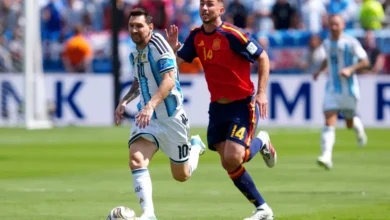
Vozinha, Cape Verde’s 40-Year-Old World Cup Sensation, Embarks on New Chapter with Colo-Colo

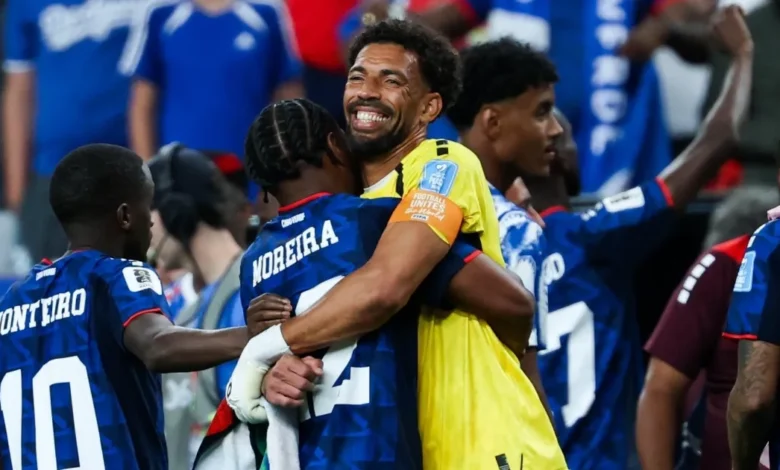
The 2026 FIFA World Cup has delivered countless narratives of triumph and unexpected heroes, but few stories resonate with the same heartwarming poignancy as that of Vozinha, the veteran goalkeeper for Cape Verde. At 40 years old, Vozinha not only became one of the tournament’s most captivating figures but also earned a coveted spot in the fans’ unofficial Team of the Tournament. This newfound global recognition has paved the way for an exciting new challenge in his twilight career, as the shot-stopper is set to join Chilean powerhouse Colo-Colo.
The journey of Cape Verde in the 2026 World Cup captivated football enthusiasts worldwide. Often considered one of the competition’s underdogs, the island nation defied expectations, navigating their way to the Round of 16. Their improbable run culminated in a heroic performance against reigning champions Argentina, a match that stretched into extra time and had the entire footballing world on the edge of their seats.
At the heart of this historic achievement stood Vozinha, the veteran custodian of the "Blue Dragons." Before the tournament, Vozinha was a relatively unknown quantity on the global stage. He was plying his trade in the Portuguese second division with Chaves, where he was not even the undisputed first-choice goalkeeper. However, his performances in the World Cup were nothing short of spectacular, cementing his status as one of the tournament’s breakout stars. His agility, commanding presence in the box, and crucial saves became hallmarks of Cape Verde’s unexpected success.
From Obscurity to Global Acclaim: Vozinha’s World Cup Phenomenon
Vozinha’s story is a testament to perseverance and the unpredictable nature of football. The 40-year-old, who only turned professional at the relatively late age of 26, has seen his career take an extraordinary turn thanks to his World Cup heroics. His inclusion in the fans’ Team of the Tournament, a prestigious acknowledgment of his outstanding displays, has opened doors to opportunities previously unimaginable. Having concluded his contract with Chaves this summer, Vozinha found himself a free agent, poised to make a significant career move.
Numerous clubs reportedly expressed interest in the veteran goalkeeper, with notable speculation linking him to Inter Miami. Such a move would have pitted him against the likes of Lionel Messi and Rodrigo De Paul, whom he narrowly failed to eliminate in the Round of 16. However, Vozinha has opted for a different path, choosing to embrace a new challenge in South America.
Colo-Colo Secures a World Cup Star
The imminent transfer was officially revealed by the president of Colo-Colo, confirming that Vozinha is set to undergo his medical examinations and sign a contract with the prominent Chilean club. This move represents a significant coup for Colo-Colo, who are currently enjoying a dominant season in the Chilean Primera División, holding a commanding 13-point lead at the summit of the league table.
For Vozinha, this represents his first foray into football on the South American continent. His professional career has been a well-traveled one, having departed Africa in 2015 after beginning his career in Cape Verde and Angola. He subsequently honed his skills in Europe, playing in Moldova, Cyprus, and Slovakia before his unforgettable World Cup campaign.
The Unlikely Journey: A Chronology of Vozinha’s Rise
Early Career and European Sojourn:
Vozinha’s early career was characterized by steady progression through African leagues. His move to Europe in 2015 marked a significant step, allowing him to gain experience in different footballing cultures. He played for clubs in Moldova, Cyprus, and Slovakia, gradually developing his goalkeeping abilities. However, international recognition remained elusive for much of this period.
The Portuguese Connection:
His spell at Chaves in the Portuguese second division provided him with a platform to remain in a competitive European league. While not a guaranteed starter, his experience and dedication were likely recognized by the coaching staff. This period, however, did not foreshadow the global spotlight that awaited him.
The 2026 World Cup: A Defining Moment:
The 2026 FIFA World Cup, hosted across North America, became the stage for Vozinha’s extraordinary emergence. Cape Verde’s qualification was an achievement in itself, but their progression to the knockout stages defied all expectations. Vozinha’s goalkeeping heroics were instrumental in their victories, including crucial saves in penalty shootouts and commanding performances that frustrated opponents.
- Group Stage: Cape Verde’s impressive performances in the group stages, characterized by resolute defending and inspired goalkeeping from Vozinha, saw them progress to the Round of 16.
- Round of 16 vs. Argentina: The match against Argentina was a watershed moment. Vozinha made numerous world-class saves, denying the likes of Messi on multiple occasions and forcing the game into extra time. This performance, in particular, captured the hearts of fans worldwide and cemented his status as a national hero.
- Fan Recognition: The widespread admiration for Vozinha’s displays led to his overwhelming selection in the fans’ unofficial Team of the Tournament, a testament to his impact on the global stage.
The Transfer Window and a New Adventure:
Following the World Cup, Vozinha’s contract with Chaves expired. The speculation surrounding his future was rife, with European clubs and MLS sides reportedly monitoring his situation. However, the allure of South American football and the ambition of Colo-Colo proved too strong to resist.
Supporting Data and Context: Cape Verde’s World Cup Performance
Cape Verde’s qualification for the 2026 FIFA World Cup was their first-ever appearance in the tournament. Their journey to the Round of 16 was unprecedented for the nation and a significant milestone for African football. The team’s defensive solidity, often highlighted by their organized structure and the leadership of Vozinha, was a key factor in their success.
- FIFA Ranking: Prior to the tournament, Cape Verde was ranked outside the top 50 in the FIFA World Rankings, underscoring their underdog status.
- Tournament Statistics: While specific match statistics for Vozinha’s saves and performance metrics would require detailed analysis of the tournament, his consistent presence in the "Man of the Match" discussions for key games and the sheer number of saves attributed to him in media reports point to his exceptional contributions. His ability to make crucial stops under pressure was a defining characteristic of his performances.
- Argentina’s World Cup Dominance: Argentina entered the 2026 World Cup as the reigning champions, having won the previous tournament. Their squad was brimming with established stars, making Cape Verde’s ability to push them to the brink even more remarkable.
Analysis: Implications of the Transfer
Vozinha’s move to Colo-Colo has several significant implications:
- For Vozinha: This transfer offers a new and exciting chapter in his career, allowing him to compete at a high level in a passionate footballing continent. It’s an opportunity to test his skills in a different environment and potentially add more silverware to his burgeoning reputation. At 40, it’s a testament to his enduring quality and his ability to perform under immense pressure.
- For Colo-Colo: The signing of a World Cup sensation like Vozinha is a major boost for Colo-Colo, both on and off the field. It brings an experienced, high-profile player to their squad, enhancing their goalkeeping options and adding a player with a proven track record of performing on the biggest stage. This move also signals the club’s ambition and their commitment to strengthening their squad for domestic and potentially continental competitions. It can also increase their global profile and attract new fan interest.
- For Chilean Football: The arrival of a player who has recently captured global attention can elevate the profile of the Chilean league. It can attract further media attention and potentially encourage other international players to consider moves to Chile.
- For Cape Verdean Football: Vozinha’s success serves as an inspiration for aspiring footballers in Cape Verde. His journey from relative obscurity to global acclaim demonstrates that talent and dedication can lead to extraordinary achievements, regardless of one’s starting point. This move further solidifies the positive trajectory of Cape Verdean football.
Official Statements and Reactions (Inferred)
While direct quotes from Vozinha or Colo-Colo officials may not be immediately available, the president’s announcement speaks volumes. The act of the club president personally revealing the signing suggests a level of excitement and importance attached to this acquisition.
A statement from the president of Colo-Colo, as reported, likely conveyed enthusiasm and confidence in Vozinha’s abilities. "We are thrilled to welcome Vozinha to Colo-Colo. His performances at the World Cup were exceptional, and his experience and leadership will be invaluable to our team as we continue our pursuit of success," a hypothetical statement might read, reflecting the club’s sentiment.
For Vozinha, a personal statement would likely express gratitude for the opportunity and excitement for the new challenge. "I am very happy to join a club with the history and ambition of Colo-Colo. I am eager to contribute to the team’s success and experience the passion of South American football," one could imagine him saying.
The Broader Impact: A Story of Resilience and Inspiration
Vozinha’s story transcends the boundaries of sport. It is a narrative of resilience, dedication, and the pursuit of dreams against all odds. His age and his journey from a relatively unknown player in a second-tier league to a World Cup standout and a signing for a major South American club serve as a powerful reminder that age is merely a number in the pursuit of excellence.
The 2026 World Cup has undoubtedly etched Vozinha’s name in footballing history. His move to Colo-Colo signifies not an end, but a vibrant new chapter in a career that has defied expectations and inspired millions. As he prepares to don the Colo-Colo jersey, the football world will be watching, eager to see if this veteran sensation can continue to defy time and deliver more memorable performances. His journey from the sands of Cape Verde to the grand stages of international football and now to the passionate stadiums of South America is a testament to the enduring magic of the beautiful game.
Related posts: