The European Network of Brewing Communes and Regions (RECORB) Launches to Transform Beer Heritage into Sustainable Tourism

The launch of the European Network of Brewing Communes and Regions (RECORB) on June 24, 2026, at the prestigious Press Club Brussels Europe marked a significant moment for the continent’s rich brewing heritage. This innovative non-profit association, established under Belgian law, extends an invitation to cities, communes, and regions across Europe to leverage their historical brewing traditions as potent drivers for sustainable tourism, enhanced local pride, and robust economic development. The initiative aims to reframe beer not merely as a beverage, but as a vital gateway to understanding the cultural tapestry, historical narratives, and distinct identities of European territories.
A New Paradigm: Beer as a Cultural and Economic Catalyst
For centuries, the appreciation of beer often remained confined to its sensory qualities – a drink to be savored and then forgotten. However, a profound shift is currently underway across Europe. RECORB champions the understanding that behind every pint lies a rich narrative of a specific territory: its people, its landscape, its generations of accumulated knowledge, and the artisanal skills passed down through time. The core ambition of RECORB is to transform this often-underestimated heritage into a tangible and valuable tourism asset.
The network encourages local and regional leaders to adopt a broadened perspective. Instead of focusing solely on individual breweries, RECORB advocates for the promotion of entire territories. This approach intricately weaves together elements of culture, heritage, gastronomy, and local identity, positioning beer as the key that unlocks deeper engagement with Europe’s history, diverse landscapes, and time-honored traditions.
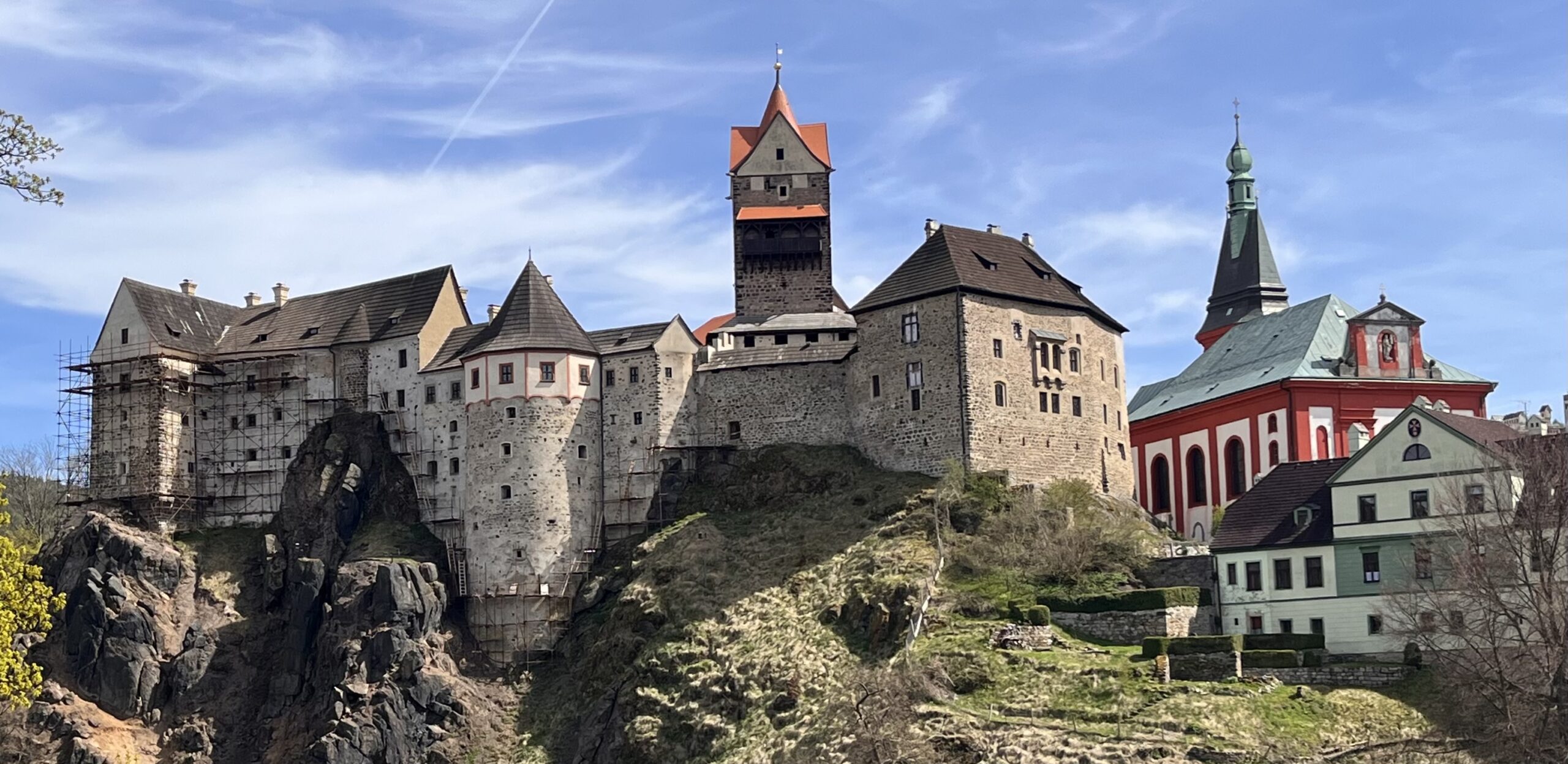
The strategic rationale behind this initiative is compelling for any commune or region seeking to bolster its appeal and economic resilience. Beer tourism offers a powerful mechanism to divert visitors from oversaturated tourist hotspots, guiding them instead towards smaller cities, rural communes, and lesser-known regions that often lie off the beaten path of mass tourism. This redirection of tourist flows directly benefits local economies, sustaining businesses such as hotels, restaurants, shops, and artisanal craft producers. Furthermore, the inherent seasonality of brewing, intrinsically linked to agricultural cycles, harvests, festivals, and traditional celebrations, facilitates a more even distribution of visitor flows throughout the year, mitigating the challenges posed by concentrated peak tourism periods. This aligns perfectly with the burgeoning "Beer Trips" movement, which is actively reshaping European travel by emphasizing authentic local discovery, promoting slow tourism principles, and shining a spotlight on destinations often overlooked by mainstream tourism. Data from the European Travel Commission consistently highlights a growing traveler preference for authentic experiences and off-the-beaten-path destinations, underscoring the timely relevance of RECORB’s mission. In 2025, reports indicated a 15% increase in bookings for niche tourism experiences, a trend RECORB is poised to capitalize on.
European Recognition at a Crucial Juncture
The establishment of RECORB arrives at a particularly opportune moment, coinciding with a significant recognition of sustainable tourism’s importance at the European Union level. On April 28, 2026, the European Parliament adopted a pivotal resolution on sustainable tourism, spearheaded by MEP Daniel Attard. This landmark parliamentary text was the first to explicitly acknowledge beer and beer tourism, alongside wine and gastronomy, as crucial levers for fostering sustainable tourism across Europe. Crucially, it also recognized the vital role that cities, communes, and regions play in rebalancing tourist flows and promoting diversification. As the European Commission is currently in the process of formulating its first comprehensive strategy for sustainable tourism, the inclusion of brewing heritage on the continental agenda signifies a strategic shift towards valuing and promoting diverse cultural assets.
This official endorsement was powerfully echoed during the RECORB launch event by key figures shaping European policy. Benoît Cassart, a Member of the European Parliament, articulated the network’s significance, stating, "Through beer tourism, regions keep their identity and local traditions alive, support local economies and enhance the appeal of their territories." He further characterized beer tourism as a "tangible tool for promoting cultural heritage, creating jobs and strengthening territorial cohesion across Europe – with cities and regions holding a key role in preserving and showcasing this shared asset." This sentiment underscores the broad political support for initiatives that leverage cultural heritage for socio-economic benefit.
A Comprehensive Framework: Label, Network, and Digital Tools
Central to RECORB’s operational framework is the "Brewing Commune" label. This distinction, meticulously modeled on the highly successful "towns in bloom" initiative, serves to officially recognize and categorize territories based on the vibrancy and depth of their brewing presence. Territories are awarded one, two, or three hops, signifying the intensity of their brewing heritage and its integration into the local fabric. This labeling system aims to unite a diverse array of stakeholders – including brewers, taverns, restaurateurs, historical guilds, museums, local tourist offices, and festival organizers – under a unified banner, fostering collaboration and collective promotion.
The inaugural "Brewing Commune" designation was awarded to the Walloon municipality of Braine-l’Alleud, a locale more commonly associated with the historic Battle of Waterloo. This symbolic designation serves as compelling proof that a territory’s legacy can be powerfully built and celebrated not only through historical events but also through its commitment to malt, hops, and artisanal craftsmanship. The official plaque, bearing its allotted number of hops, will be formally presented at a forthcoming ceremony, marking a significant milestone for the commune.
As the designated institutional partner of the beBeer ecosystem, RECORB leverages a sophisticated suite of digital tools specifically engineered to enhance cultural and heritage discovery. These include the "beBeer in your pocket" web application, the Beer Planner, curated Beer Routes, the innovative Beer Trips platform, and the interactive Brasserium. This integrated digital offering creates a "phygital" (physical-digital) tourism experience, where the richness of on-site exploration is amplified and complemented by accessible digital resources. It is crucial to emphasize that beBeer is not merely a "beer network" but a comprehensive European beer tourism initiative dedicated to fostering authentic travel experiences and promoting sustainable discovery. The integration of digital tools is projected to boost engagement by an estimated 20%, based on similar heritage tourism initiatives.
An Industry United: Supporting Brewing Heritage
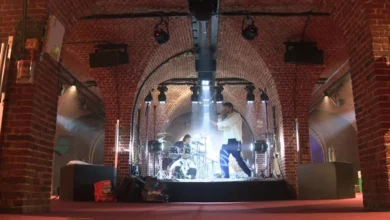
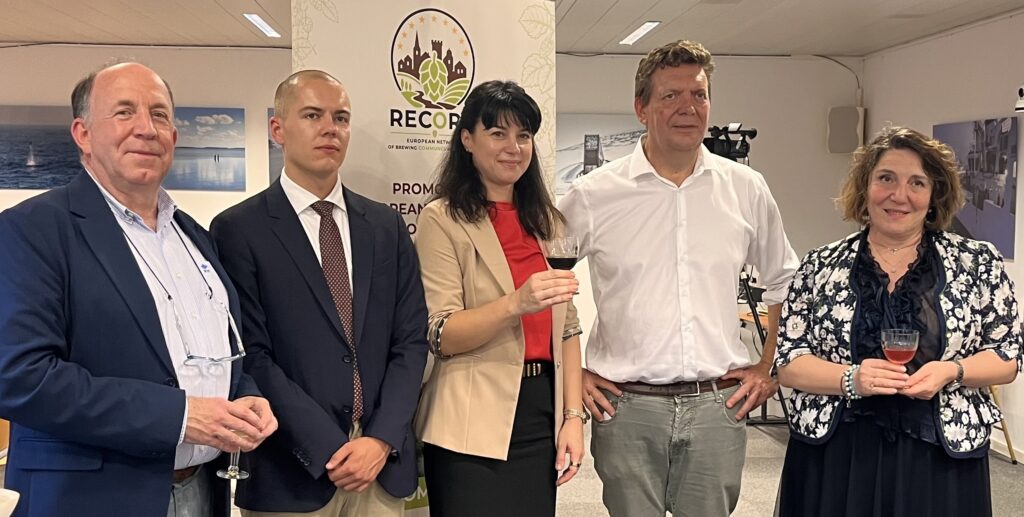
The official launch event at the Press Club Brussels Europe convened a diverse assembly of stakeholders, including representatives from Permanent Representations to the European Union, regional representation offices in Brussels, and members of the international press. The event also featured a showcase of European craft brewers, vividly illustrating the continent’s remarkable brewing diversity. The initiative garnered significant backing from the broader European brewing sector. Julia Leferman, Secretary General of The Brewers of Europe, delivered a powerful endorsement, emphasizing that beer is far more than just a beverage; it is an integral component of Europe’s cultural heritage and a significant contributor to its economic future. She highlighted how initiatives like RECORB play a crucial role in strengthening the vital connections between breweries, local communities, and their respective regions, thereby underscoring beer’s multifaceted role in supporting tourism, fostering local development, and enhancing European competitiveness on a global scale. The Brewers of Europe represent over 10,000 breweries across the continent, indicating substantial industry-wide support for RECORB’s objectives.
An Open Invitation to Europe’s Leaders
The opportunity presented by RECORB is tangible and direct for local and regional elected representatives. By joining the network, territories can achieve formal recognition for their unique brewing heritage, thereby enhancing their appeal to visitors and stimulating local economic growth. Furthermore, it provides a platform to unite local brewers, cafés, restaurateurs, and cultural stakeholders under a common, recognizable identity. Communes that earn the "Brewing Commune" label gain valuable European visibility and access to a network of best practices. Regions, in turn, can strategically link their designated communes to develop authentic "Beer Routes." These routes are envisioned as immersive journeys that connect local ingredients, historic towns, outstanding breweries, and vibrant communities, creating a cohesive and compelling narrative for tourists.
In essence, brewing heritage transcends the simple act of sharing a glass; it represents a potent force for solidifying identity, amplifying tourism appeal, and cultivating deep-seated local pride for hundreds of communes and regions across the European landscape. The potential for economic uplift is substantial; a 2025 study by the European Institute for Tourism projected that a 10% increase in heritage tourism could translate to a 3% rise in regional GDP in areas with strong cultural assets. RECORB aims to harness this potential, offering a structured and collaborative pathway for European territories to celebrate and capitalize on their unique brewing legacies.
The question for mayors and regional leaders across Europe is clear: Does your territory possess a compelling brewing story waiting to be told? The invitation is extended to join this burgeoning movement and discover the transformative power of beer heritage. Further information and details on how to participate can be found at www.recorb.eu.