The Resurrection of an Icon How a Modernized Chrysler PT Cruiser Could Define the Future of Stellantis American Heritage Brand

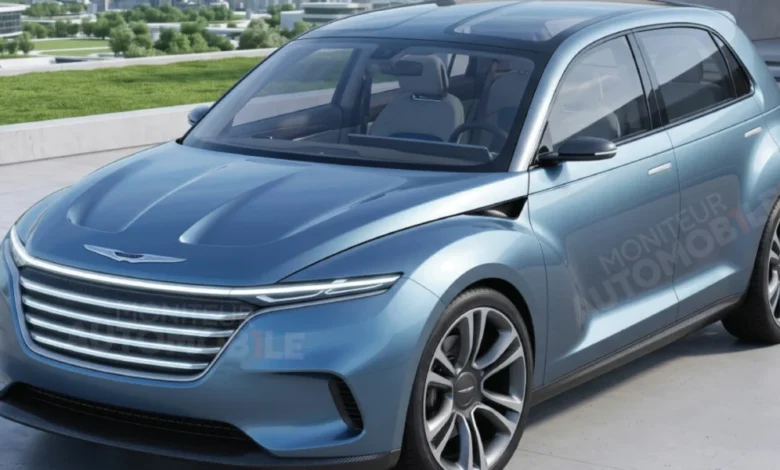
Chrysler currently stands at a critical juncture in its century-long history, navigating a period that industry analysts describe as a struggle for fundamental relevance. As the automotive landscape shifts toward electrification and software-defined vehicles, the American marque has found itself with a dangerously thin portfolio, buoyed almost exclusively by the aging yet capable Pacifica minivan. However, a new strategic vision suggests that the path to salvation for this historic brand lies not in the pursuit of another generic crossover, but in the bold resurrection of its most polarizing and successful nameplate of the modern era: the PT Cruiser. By reimagining the PT Cruiser as a premium, global compact vehicle built on the versatile STLA Medium platform, Chrysler aims to recapture the "lightning in a bottle" that made the original model a cultural phenomenon at the turn of the millennium.
The Historical Context of a Cultural Disruptor
To understand the potential impact of a new PT Cruiser, one must first examine the seismic shift caused by the original vehicle’s debut in late 1999 as a 2000 model year offering. Designed by Bryan Nesbitt, the original PT Cruiser was a masterclass in "retro-futurism," drawing heavy inspiration from the 1930s-era Airflow and the hot-rod culture of the post-war United States. At a time when the market was dominated by three-box sedans and increasingly bloated SUVs, the PT Cruiser offered a "too-cool-to-categorize" silhouette that blended the utility of a multi-purpose vehicle (MPV) with the footprint of a compact car.
The success was immediate and overwhelming. In 2001 alone, Chrysler sold over 144,000 units in the United States, and by the end of its production run in 2010, more than 1.35 million units had been produced globally. It was a vehicle that transcended demographics, appealing to retirees, young customizers, and suburban families alike. However, the subsequent decade saw Chrysler fall into a cycle of bankruptcy, mergers, and a lack of product investment, leaving the brand with a skeletal lineup. Today, under the massive umbrella of Stellantis, Chrysler has been given a ten-year window by CEO Carlos Tavares to prove its viability. The proposed 2027 PT Cruiser represents the cornerstone of this survival strategy.
A New Aesthetic Direction: From Caricature to Premium Sophistication
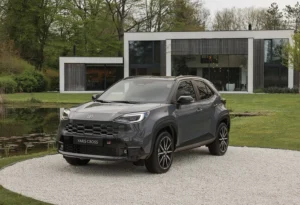
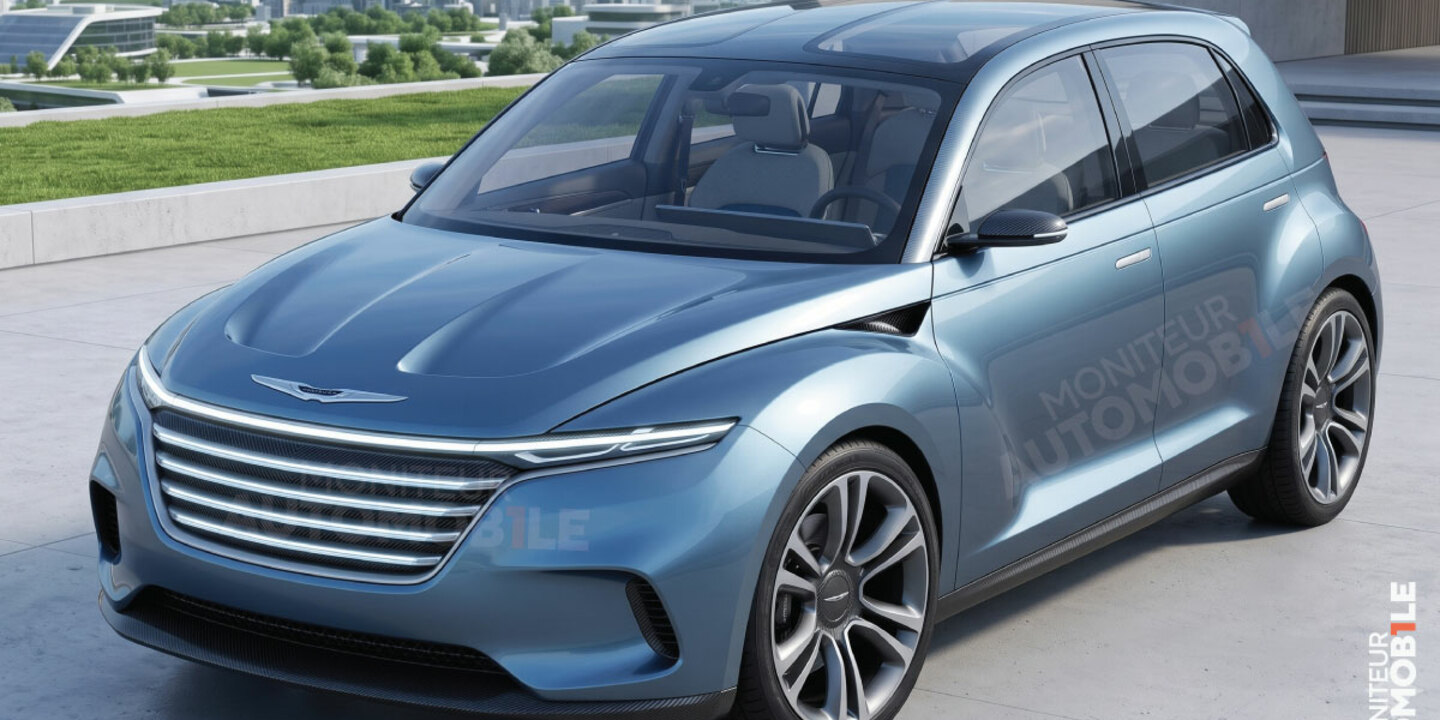
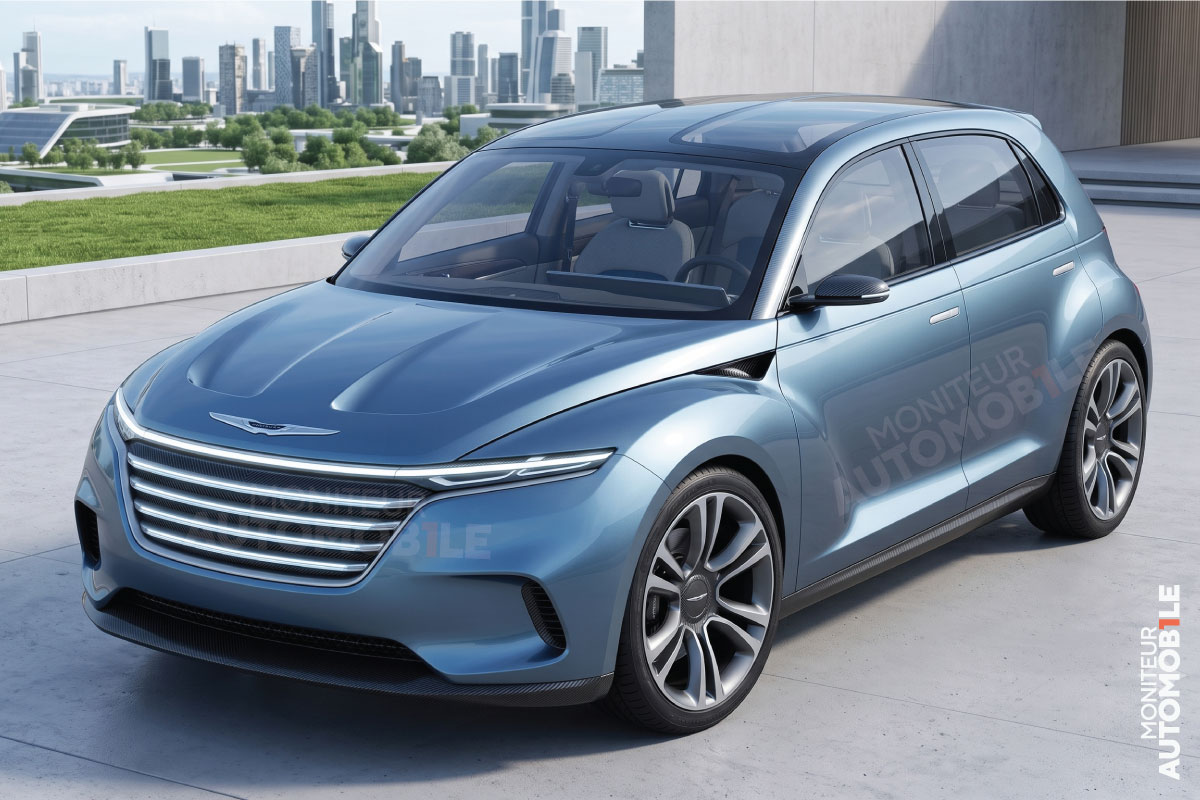
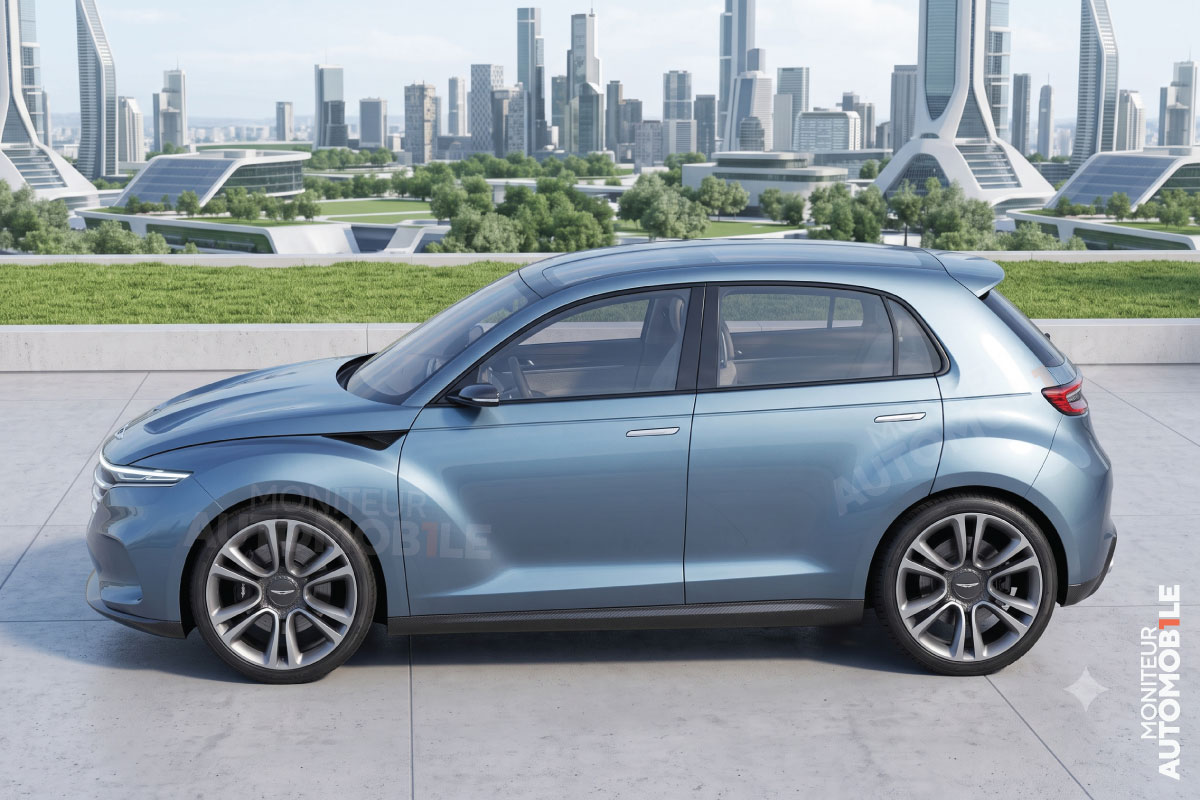
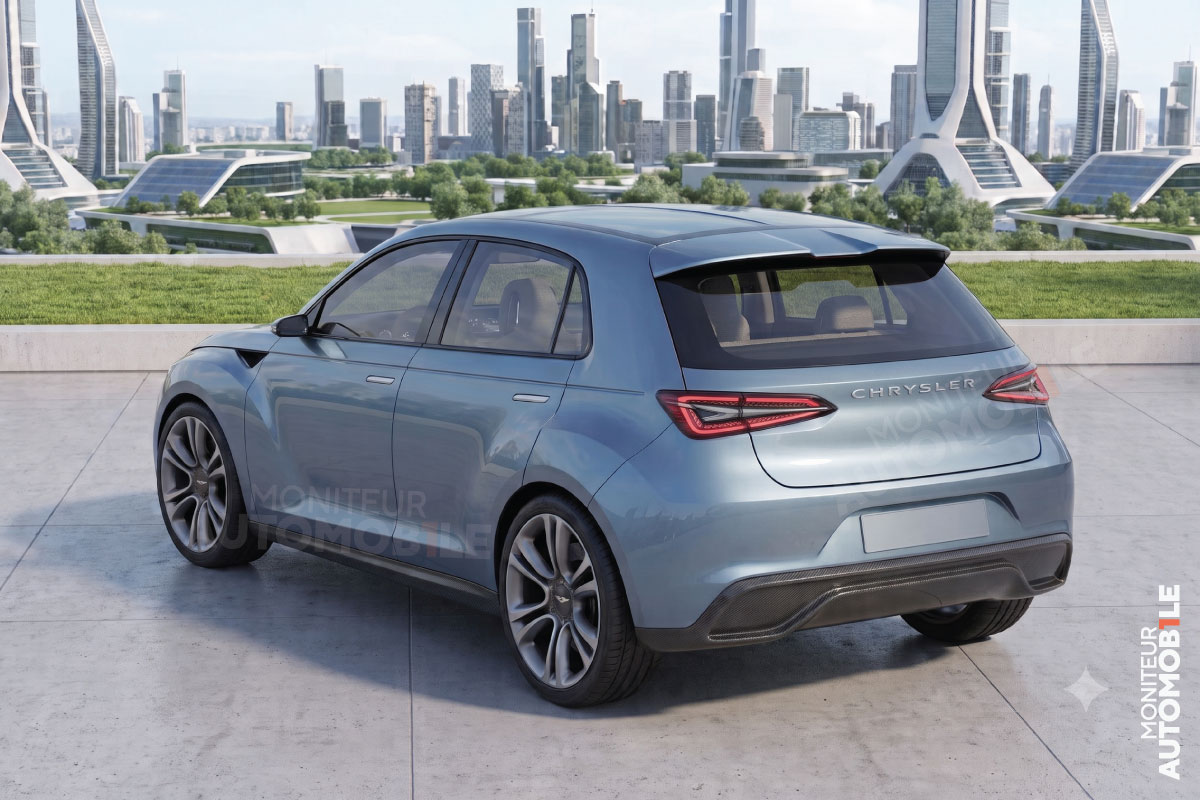
The design philosophy for the 2027 PT Cruiser departs from the overtly cartoonish lines of its predecessor in favor of a "sleek-retro" aesthetic. While the original model leaned heavily into its 1930s truck-inspired fenders and vertical grille, the new iteration, spanning approximately 4.50 meters in length, adopts a more aerodynamic and sophisticated "two-box" volume.
The front fascia is perhaps the most significant departure. The towering vertical grille has been replaced by a more integrated, plunging "nose" featuring horizontal chrome slats. This element is flanked by ultra-slim LED matrix projectors that provide a high-tech, aggressive gaze. The iconic winged Chrysler logo sits proudly above this assembly, signifying a return to the brand’s luxury aspirations.
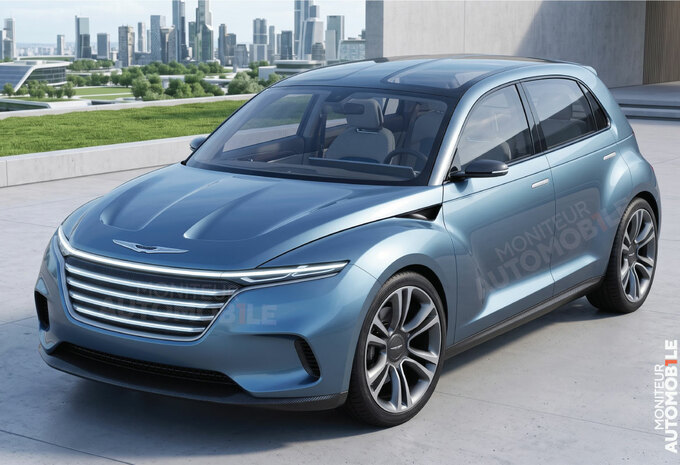
In profile, the vehicle maintains the signature flared wheel arches—a nod to the 2000s icon—but the bodywork is otherwise remarkably clean. To meet modern aerodynamic standards and aesthetic trends, the vehicle features flush-mounted door handles and a streamlined greenhouse. The high roofline remains a functional necessity, ensuring that the interior space rivals that of larger SUVs while maintaining the maneuverability of a compact hatchback. The rear of the vehicle returns to a vertical "Kamm-back" style, optimized for cargo capacity and featuring three-dimensional LED light signatures that wrap around the rear quarters, lending the car a wider, more planted stance.
Technical Architecture: The Versatility of the STLA Medium Platform
The backbone of the new PT Cruiser is the STLA Medium platform, one of the four global battery-electric vehicle (BEV) centric platforms at the heart of the Stellantis "Dare Forward 2030" strategic plan. Unlike the original PT Cruiser, which utilized a modified Neon platform, the STLA Medium architecture allows for a "multi-energy" approach that is essential for a global rollout.
According to technical data released regarding this platform, it is designed to accommodate a variety of propulsion systems:
- Mild Hybrid (MHEV): A 48V system paired with a 1.2-liter turbocharged engine, aimed at price-sensitive markets and urban commuters.
- Plug-in Hybrid (PHEV): Combining a high-output internal combustion engine with an electric motor to provide over 50 miles of all-electric range, catering to the North American "bridge" market.
- Battery Electric (BEV): The flagship powertrain, utilizing a 400V architecture with battery packs ranging from 73 kWh to 98 kWh. This configuration is expected to deliver a WLTP range of up to 700 kilometers (approximately 435 miles), making it a leader in the compact segment.
This flexibility is crucial. By offering a range of powertrains, Chrysler can market the PT Cruiser in regions with varying levels of charging infrastructure, from the heart of the United States to the strict emissions zones of Western Europe.
Interior Revolution: Modularity Meets the Digital Age
The original PT Cruiser was beloved for its "Stow ‘n Go" precursors—removable seats and a multi-level parcel shelf that turned a small car into a cavernous hauler. The 2027 model doubles down on this heritage. Internal sources suggest that Stellantis is moving away from the aggressive cost-cutting measures that characterized previous years, allowing for more brand-specific interior designs.
The new PT Cruiser is expected to feature a 35-30-35 split rear seating arrangement. These seats are not only sliding and reclining but are also fully removable, a rarity in the modern era of heavy, battery-laden vehicles. This modularity targets a specific "lifestyle" buyer who requires the ability to transport bicycles, camping gear, or bulky items without upgrading to a full-sized SUV.
On the technology front, the vehicle will debut the "STLA SmartCockpit," powered by a new generation of high-speed processors. This system aims to rectify long-standing criticisms of Stellantis’ infotainment lag. Features include:
- Artificial Intelligence Integration: A virtual assistant capable of predictive navigation and climate control based on driver habits.
- Augmented Reality Head-Up Display (AR-HUD): Projecting navigation cues directly onto the windshield to minimize driver distraction.
- Over-the-Air (OTA) Updates: Ensuring that the vehicle’s software and performance parameters can be improved throughout its lifecycle.
Market Positioning and Strategic Implications
The decision to revive the PT Cruiser nameplate is a calculated risk. For some, the name is synonymous with the "plastic-heavy" interiors and reliability woes of the DaimlerChrysler era. However, for a new generation of buyers, the name represents a distinct alternative to the "sea of sameness" in the current crossover market.
Market analysts suggest that Chrysler’s survival depends on creating a "halo effect." By positioning the PT Cruiser as a premium, design-forward compact, Chrysler avoids a direct, losing battle with volume giants like Toyota or Hyundai. Instead, it enters the space occupied by the Mini Countryman or the Volvo EX30—vehicles that trade on personality and brand heritage.
Industry reaction has been cautiously optimistic. "Chrysler cannot afford to be boring," says Michael Ramsey, an analyst specializing in automotive evolution. "The Pacifica is a great tool, but it doesn’t build brand heat. A new PT Cruiser, if executed with the build quality and tech of the STLA platforms, gives Chrysler a global footprint it hasn’t had in decades."
A Timeline for the Chrysler Renaissance
The roadmap for Chrysler’s revival is expected to follow a strict chronology over the next three fiscal years:
- 2025: Official concept reveal of the "New Cruiser" philosophy, showcasing the STLA Medium capabilities.
- 2026: Pre-production testing in both extreme cold (Sweden) and high-heat (Arizona) environments to validate the new battery thermal management systems.
- 2027: Global launch, starting with North American and European markets, followed by an expansion into Asian territories where premium compacts are seeing a resurgence.
Conclusion: The Final Stand for an American Legend
The 2027 Chrysler PT Cruiser is more than just a car; it is a litmus test for whether a legacy brand can reinvent itself in the 21st century. By marrying the utilitarian soul of the original model with the sophisticated technology of the Stellantis group, Chrysler is making a bold claim for its future.

The strategy ignores the trend of generic styling in favor of a polarizing, high-character silhouette. In an era where automotive manufacturing is increasingly defined by shared platforms and anonymous designs, the PT Cruiser stands as a reminder that "audacity" was once the primary driver of the American auto industry. If this gamble pays off, the PT Cruiser will not only save Chrysler from the brink of extinction but will also redefine what a modern, versatile, and soulful compact vehicle can be. The automotive world is watching, and for Chrysler, the stakes have never been higher.
Related posts: