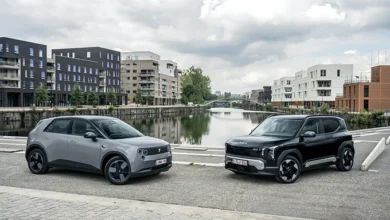
The Battle for the Compact Electric Segment Analyzing the Firefly and Kia EV2 Space Efficiency Revolution

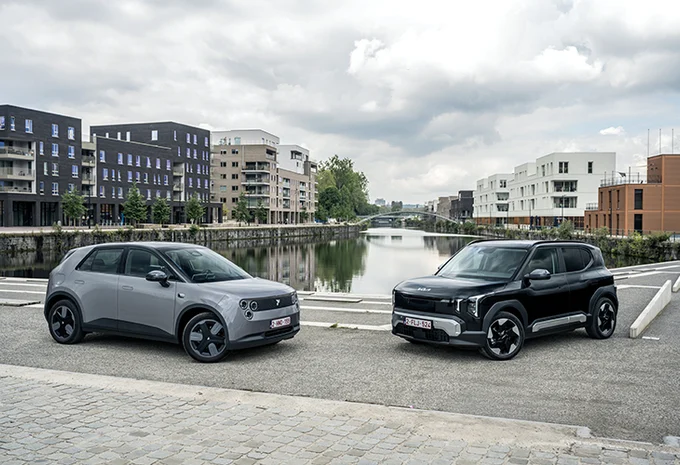
The transition to electromobility was heralded as a transformative moment for automotive design, promising a radical departure from the constraints of internal combustion engines. In the early stages of the electric vehicle (EV) revolution, engineers and enthusiasts alike suggested that the shift would fundamentally redraw the automotive landscape. Because electric powertrains occupy significantly less physical volume and allow for greater architectural flexibility—eliminating the need for large engine bays, transmission tunnels, and exhaust systems—the theory was that cars would become more compact on the outside while offering equivalent or superior interior space. However, as the market has matured, the industry has discovered that consumer psychology often prioritizes physical presence and status over pure spatial efficiency. Despite this, a new generation of entry-level electric vehicles, spearheaded by the Firefly sub-brand and the Kia EV2, is attempting to prove that the promise of the "small on the outside, large on the inside" vehicle is finally ready for the mainstream.
The Evolution of Electric Vehicle Packaging
For over a century, the silhouette of the automobile was dictated by the requirements of the internal combustion engine (ICE). Designers had to accommodate a bulky engine at the front (or occasionally the rear), a complex cooling system, and a drivetrain that often intruded into the passenger cabin. The advent of the dedicated EV "skateboard" platform changed this dynamic. By placing the battery pack in the floor and the electric motors on the axles, manufacturers have been able to push the wheels to the absolute corners of the vehicle. This maximizes the wheelbase—the distance between the front and rear wheels—which is the primary determinant of interior legroom.
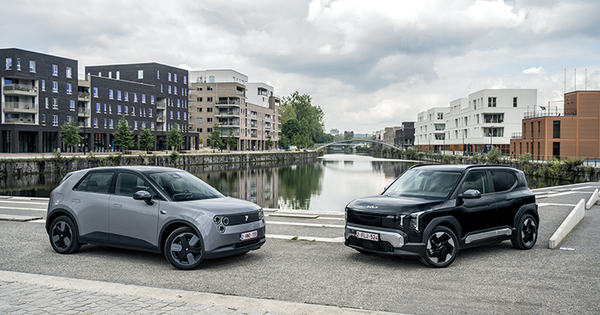
In theory, this should have led to a fleet of hyper-efficient urban vehicles. In practice, the premium market took the lead. For buyers of luxury sedans and large SUVs, size remains a marker of prestige. A consumer accustomed to the road presence of a large executive sedan is often hesitant to downsize to a compact vehicle, even if that vehicle offers comparable internal dimensions. The perceived status associated with a long hood and a substantial footprint continues to drive sales in the upper echelons of the market. However, in the budget-conscious segments, the narrative is shifting. For many buyers, the ability to purchase a compact, maneuverable electric car that offers the utility of a larger vehicle is a compelling value proposition, provided that the trade-offs in comfort and space are minimized.
The Firefly Initiative: Nio’s Strategic Pivot for Europe
Firefly is the internal codename for a new sub-brand from the Chinese electric vehicle manufacturer Nio. Recognizing that the European market has a historical preference for hatchbacks and compact city cars—a stark contrast to the Chinese and American preference for large SUVs and sedans—Nio developed Firefly to capture the B-segment. The Firefly project represents a strategic effort to offer premium technology at a more accessible price point, specifically targeting the sub-€30,000 bracket.
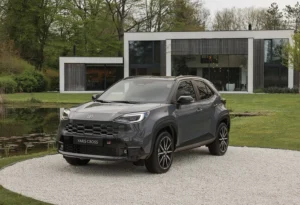
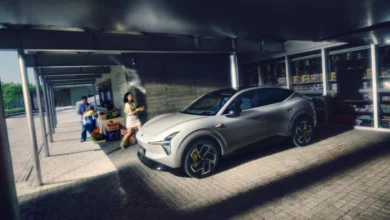
Early technical data suggests that the Firefly models will be roughly the size of a Renault 5 or a Volkswagen Polo on the exterior, measuring approximately 3.9 to 4.0 meters in length. However, by utilizing a dedicated high-density battery architecture and a compact motor setup, Nio claims the interior volume will rival that of C-segment vehicles like the Renault Megane E-Tech or the Volkswagen ID.3. This "class-above" interior space is achieved through an exceptionally long wheelbase relative to the car’s total length. Furthermore, Firefly is expected to benefit from Nio’s signature battery-swapping technology, which could alleviate concerns regarding charging times in urban environments where home charging is often unavailable.
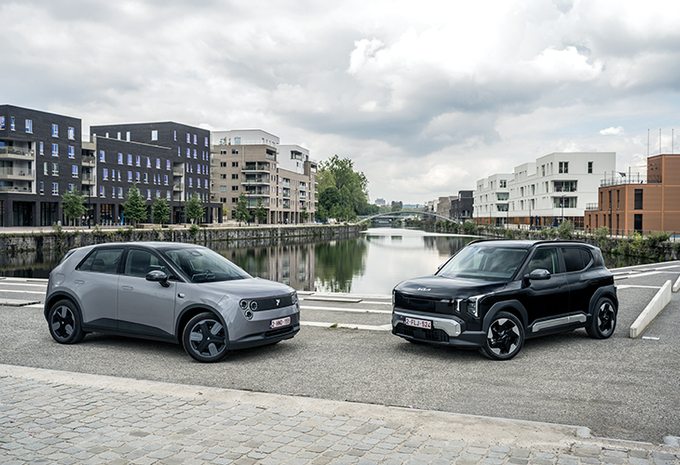
The Kia EV2: Democratizing the E-GMP Platform
Kia has been equally aggressive in its pursuit of the compact EV market. Following the success of the EV6 and the launch of the flagship EV9, the South Korean automaker has unveiled a roadmap to fill the gaps in its electric lineup. The Kia EV2, expected to debut in late 2025 or early 2026, is the cornerstone of this strategy for the European and emerging markets.
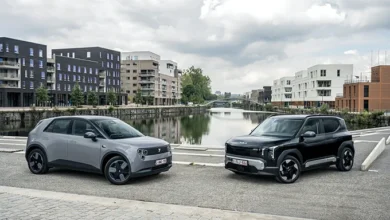
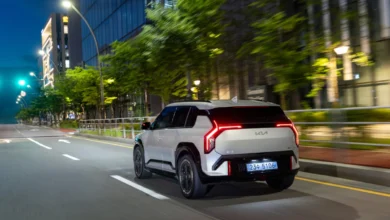
The EV2 is designed to sit below the recently revealed EV3, acting as a spiritual successor to the Soul EV but with a much more sophisticated technical foundation. While the EV3 utilizes a modified version of the E-GMP (Electric-Global Modular Platform), the EV2 is expected to use a cost-optimized evolution of this architecture. The goal is a starting price of approximately €25,000. Like the Firefly, the EV2 focuses on a "boxy" silhouette that maximizes vertical space and provides a command seating position, which consumers increasingly prefer. Kia’s design team has emphasized that the EV2 will not feel like a "cheap" car, but rather a concentrated version of their larger EVs, maintaining the brand’s "Opposites United" design philosophy.
The Prestige Paradox and Market Realities
The Dutch automotive analysis highlighted in the source material points to a "prestige paradox." In the premium sector, size is synonymous with status. However, in the lower segments, the "wallet speaks louder than the ego." The economic climate in Europe, characterized by high inflation and rising energy costs, has created a fertile ground for vehicles that offer high utility-to-cost ratios.

Market data indicates that the B-segment (compact cars) remains one of the most competitive in Europe. However, the transition to electric has been slow in this category because the cost of batteries makes it difficult for manufacturers to maintain profit margins on small cars. The arrival of the Firefly and Kia EV2 represents a second wave of EVs where manufacturing efficiencies and battery chemistry (such as the use of Lithium Iron Phosphate or LFP batteries) have reached a point where small cars can be both affordable and profitable.
Technical Analysis: Engineering the "Tardis" Effect
The ability of the Firefly and Kia EV2 to offer Megane-sized interiors in Renault 5-sized bodies is not mere marketing hyperbole; it is a result of specific engineering choices:
- Short Overhangs: By reducing the distance between the wheels and the bumpers, designers can allocate more of the vehicle’s total length to the passenger compartment.
- Flat Floors: The absence of a transmission tunnel allows for a middle seat in the rear that is actually usable, as well as more flexible storage solutions in the front console.
- Slim Seats: New materials and ergonomic designs allow for thinner seatbacks, which can claw back several centimeters of vital knee room for rear passengers.
- Integrated Power Electronics: By combining the motor, inverter, and transmission into a single "3-in-1" unit, the mechanical footprint is minimized.
When comparing these new entrants to traditional ICE vehicles, the difference is stark. A traditional B-segment ICE car typically has a wheelbase-to-length ratio of about 60%. Modern dedicated EVs like the Kia EV2 aim for a ratio closer to 70%, effectively turning a small car into a "room on wheels."

Chronology of the Compact EV Race
The development of the Firefly and Kia EV2 is part of a broader timeline of the "Race to €25,000":
- 2021-2022: Manufacturers focused on high-margin luxury EVs to recoup R&D costs.
- Early 2023: Tesla announced plans for a "next-generation" low-cost platform, prompting a defensive response from global automakers.
- Late 2023: Kia held its inaugural "EV Day," outlining the EV2, EV3, and EV4 concepts.
- Early 2024: Nio confirmed the Firefly sub-brand for Europe, with prototypes spotted testing in China and Germany.
- 2025: Anticipated production start for several key competitors, including the Volkswagen ID.2all and the production version of the Kia EV2.
Official Responses and Strategic Implications
While Nio and Kia have been careful not to release final specifications, executive statements provide insight into their goals. Nio’s CEO, William Li, has frequently noted that the Firefly brand is essential for Nio’s global volume targets, acknowledging that the flagship Nio brand is too expensive for the average European buyer. Similarly, Kia’s leadership has stated that their goal is to provide a "full range" of EVs, ensuring that loyal customers can transition to electric power regardless of their budget.
The implications for the broader industry are significant. If Firefly and Kia can successfully deliver C-segment space in a B-segment footprint, it will put immense pressure on established European marques like Stellantis and the Renault Group. It also challenges the "bigger is better" narrative that has dominated the automotive industry for decades.

Broader Impact on Urban Mobility
Beyond the individual success of these models, the Firefly and Kia EV2 represent a necessary step toward sustainable urban mobility. Large SUVs, even electric ones, contribute to urban congestion and require more energy to move. Compact cars that do not compromise on utility are the logical solution for densifying cities.
Furthermore, the success of these vehicles will depend heavily on the evolution of charging infrastructure. While the Firefly’s battery-swapping capability offers a unique solution, the Kia EV2 will rely on the continued expansion of high-speed public charging. The integration of these vehicles into the smart grid, potentially using Vehicle-to-Load (V2L) technology, could also turn these compact cars into mobile power banks, further increasing their value to the consumer.
In conclusion, while the automotive world may still be enamored with the prestige of large dimensions, the real innovation is happening in the compact segment. The Firefly and the Kia EV2 are not just smaller electric cars; they are a reimagining of what a car can be when the constraints of the past are removed. If they can deliver on the promise of "small outside, big inside," they may finally trigger the mass adoption of electric vehicles that the industry has been promising for years.
Related posts: