The automotive industry is currently witnessing a strategic pivot in how performance is defined within the electric vehicle (EV) sector. As Kia expands its dedicated electric lineup under the "Plan S" strategy, the introduction of the 2026 Kia EV3 GT marks a significant departure from traditional performance tropes. While many manufacturers are engaged in a relentless pursuit of astronomical horsepower figures and track-focused dynamics, Kia has signaled a different direction for its compact flagship. In Seoul, the "GT" acronym for this specific model has been redefined to mean "Good Times," a nomenclature that emphasizes driver engagement, sensory feedback, and daily usability over the raw, often punishing characteristics of a dedicated circuit machine. This positioning is intentional, serving to manage consumer expectations while carving out a unique niche in the increasingly crowded subcompact electric crossover market.
Strategic Positioning and the Evolution of the GT Badge
To understand the 2026 Kia EV3 GT, one must first look at the broader hierarchy within the Hyundai Motor Group. While the "N" division of sister brand Hyundai focuses on high-performance, track-capable vehicles like the Ioniq 5 N, Kia’s "GT" philosophy has historically leaned toward the "Grand Tourer" ethos—combining speed with long-distance comfort. With the EV3 GT, the brand is further refining this identity. The vehicle is designed for the enthusiast who values a spirited commute and technological novelty rather than the individual seeking to shave tenths of a second off a lap time at the Nürburgring.
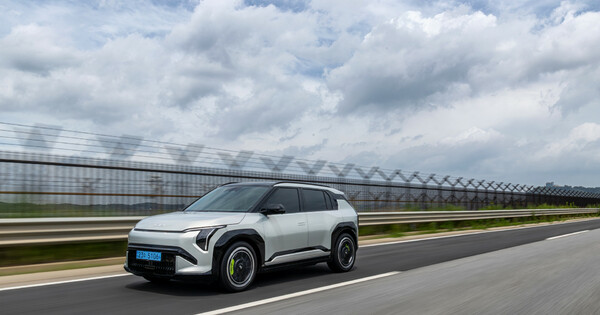
The EV3 itself is built upon a modified version of the Electric Global Modular Platform (E-GMP). While the larger EV6 and EV9 utilize an 800-volt architecture for ultra-fast charging, the EV3 employs a 400-volt system to maintain cost-competitiveness in the B-SUV segment. The GT variant represents the pinnacle of this specific platform iteration, balancing the inherent efficiency of the E-GMP with a dual-motor configuration that introduces all-wheel-drive capability to the compact frame.
Aesthetic Refinement and Design Philosophy
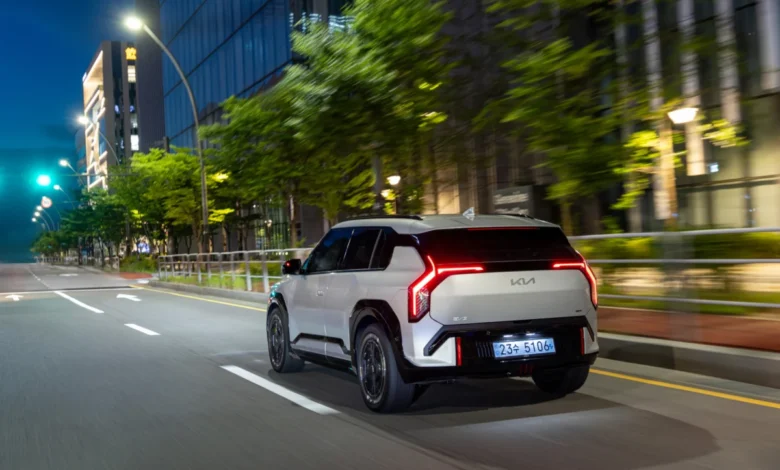
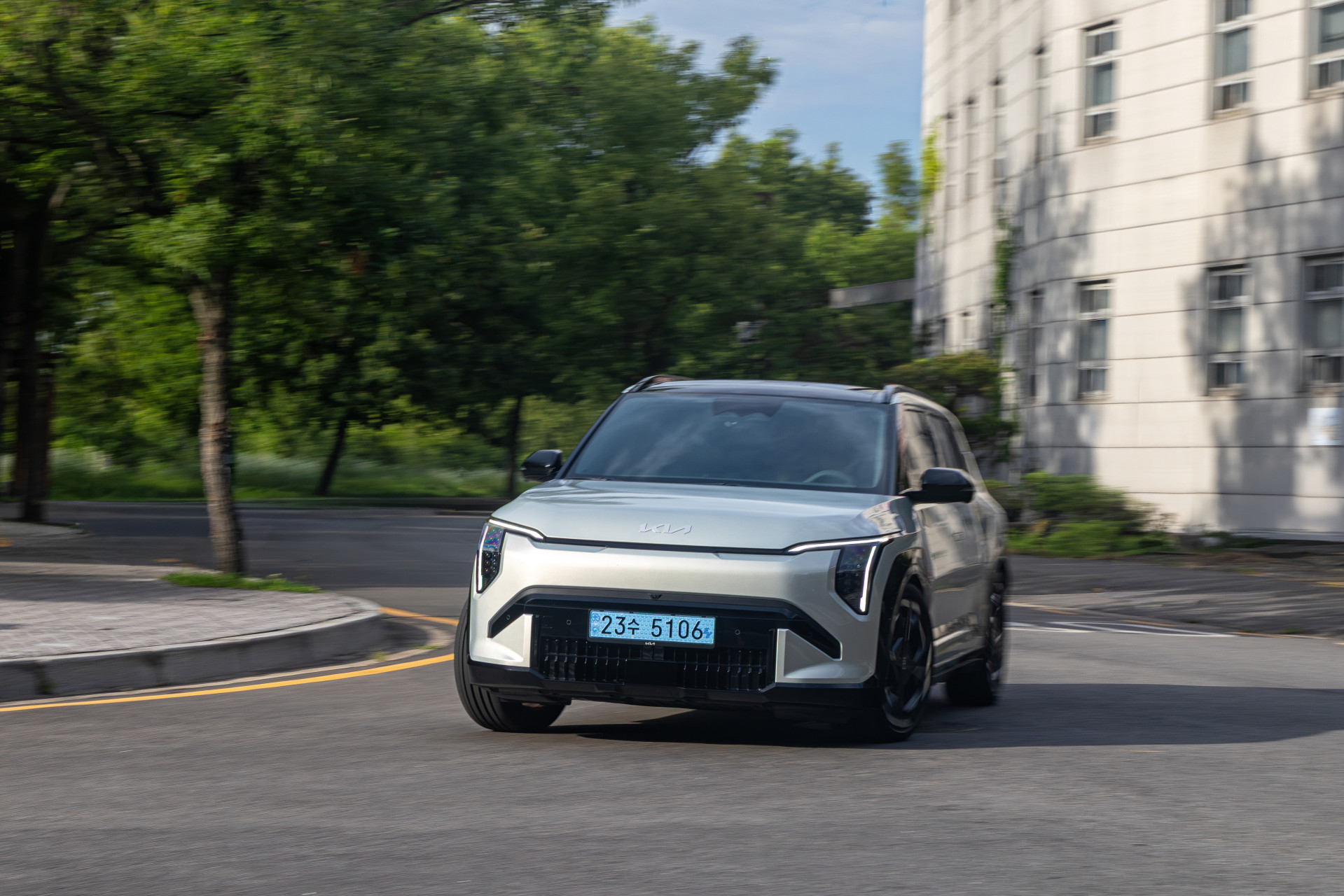
Visually, the 2026 Kia EV3 GT adheres to a philosophy of aesthetic restraint. In an era where performance variants are often adorned with aggressive splitters, massive rear wings, and flared wheel arches, Kia has opted for a more understated approach. The GT is distinguished from the standard EV3 and the mid-tier GT-Line by a series of subtle yet purposeful enhancements.
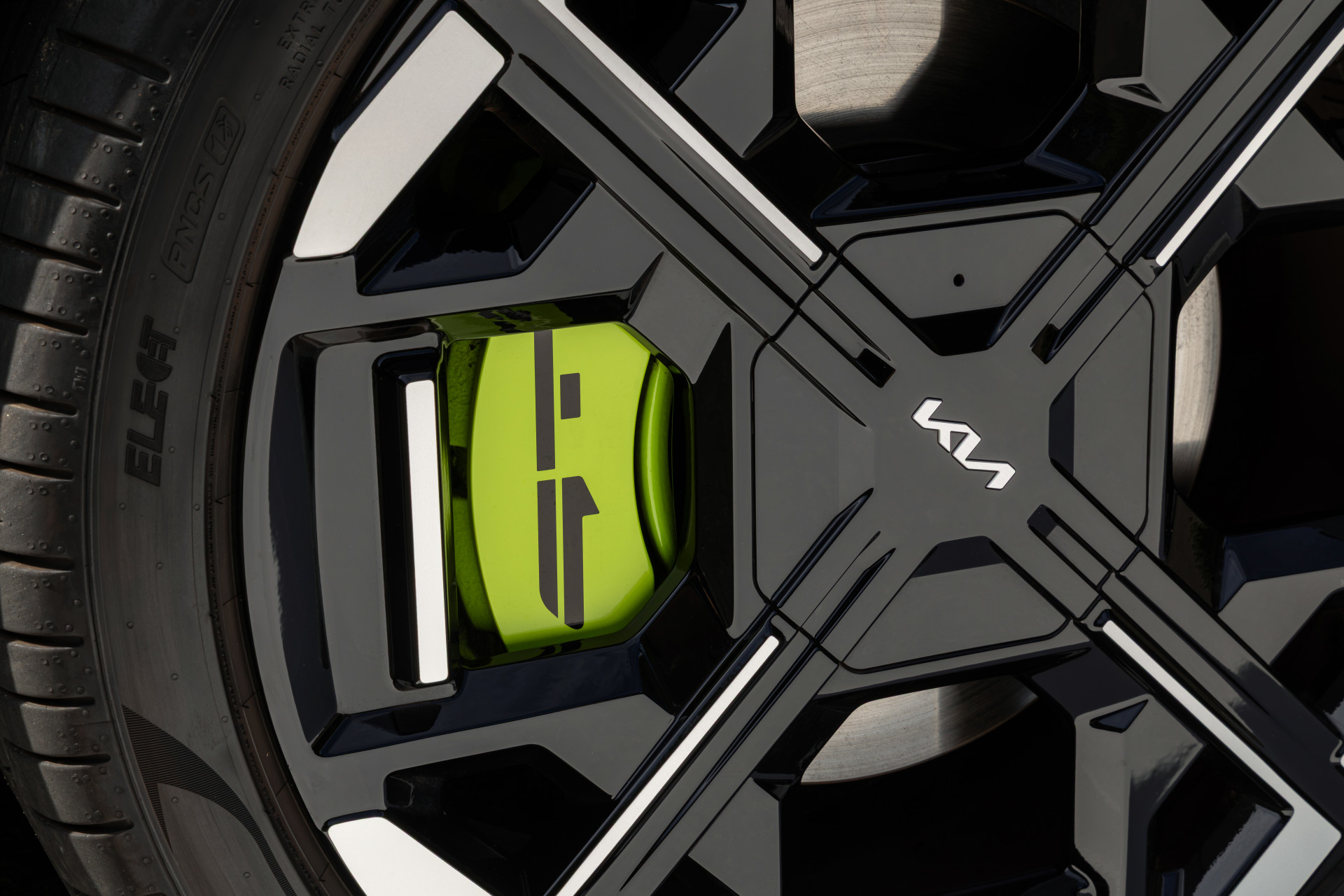
The most prominent external changes include specific 20-inch alloy wheels designed to optimize aerodynamic efficiency while providing a more planted stance. Behind these wheels sit brake calipers finished in a signature neon yellow, a color choice that has become synonymous with Kia’s high-performance electric offerings since the debut of the EV6 GT. The front and rear bumpers have been redesigned with sharper lines and more aggressive air intakes, though they remain integrated into the vehicle’s overall "Opposites United" design language. A unique touch for the GT model is the inclusion of a logo projection that casts the "GT" emblem onto the ground when the doors are opened, serving as a digital welcome mat for the driver.
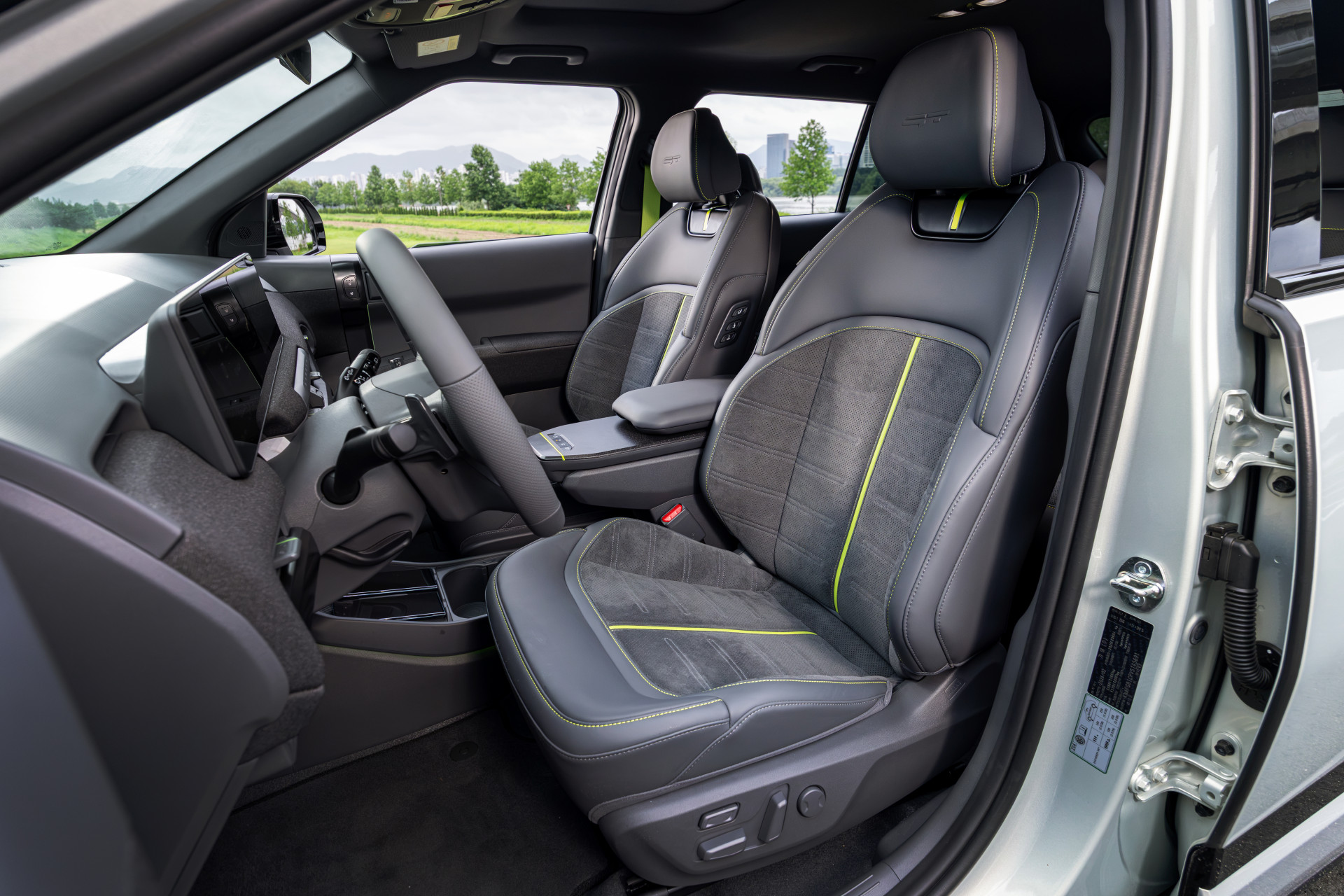
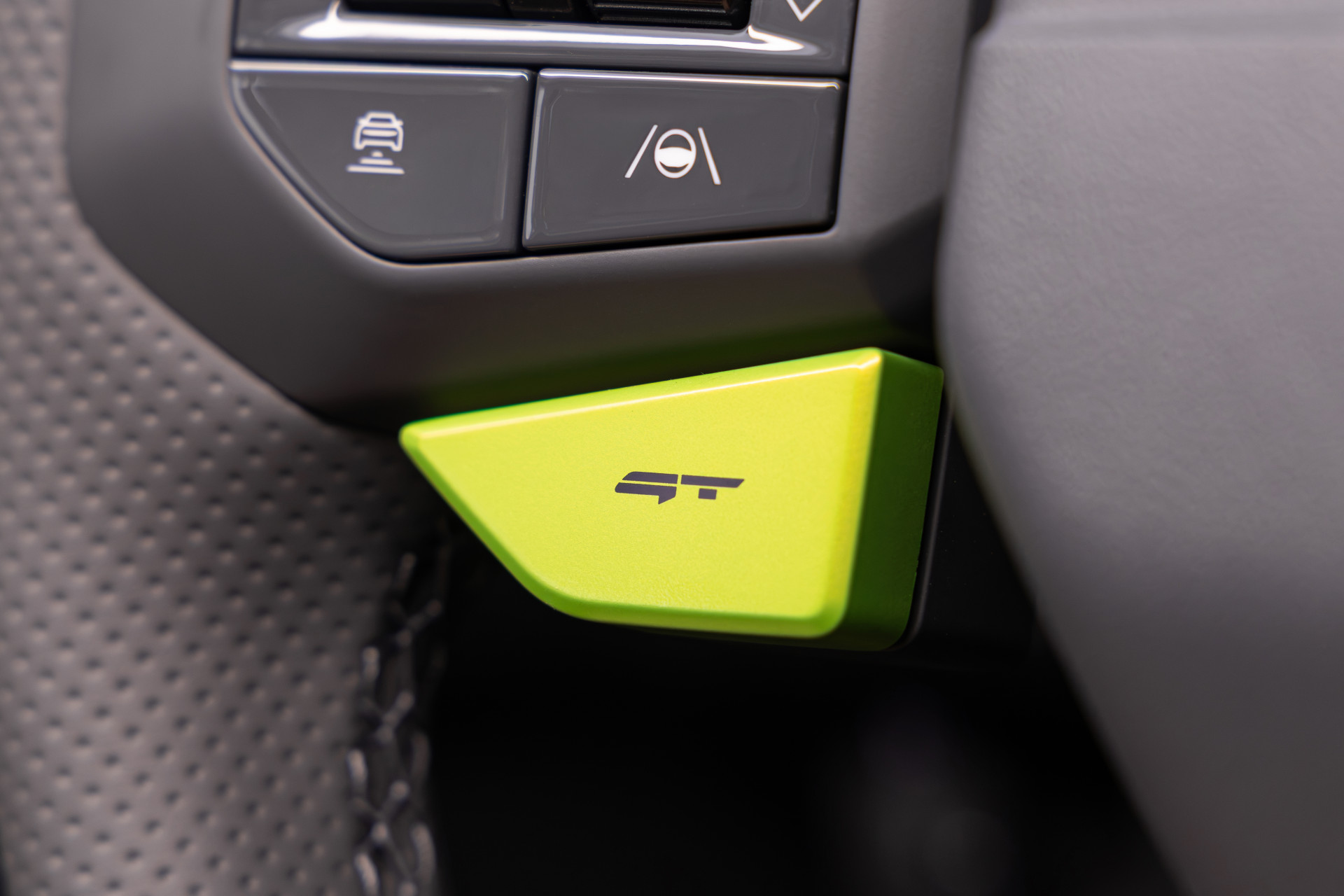
Inside, the cabin maintains the sustainable and minimalist approach of the standard EV3 but introduces sport-oriented ergonomics. The "sport seats" are a refined version of the standard units, featuring enhanced lateral bolsters and a firmer foam density to provide better support during spirited cornering. Neon yellow stitching and accents mirror the exterior calipers, providing a cohesive visual identity. The most critical interior addition, however, is the dedicated GT button located on the lower-left spoke of the steering wheel. This button serves as the gateway to the vehicle’s specialized performance software.
Technological Innovation: Virtual Gear Shift and Active Sound Design
The core of the "Good Times" experience lies in Kia’s sophisticated use of software to mimic the visceral sensations of an internal combustion engine (ICE) vehicle. Despite the EV3 GT possessing a single-speed reduction gear—common to almost all electric vehicles—Kia has implemented a "Virtual Gear Shift" (VGS) system.
The VGS simulates an eight-speed dual-clutch transmission. Through precise modulation of motor torque, the system creates "shift shocks"—momentary interruptions in power delivery that replicate the feeling of a mechanical gear change. Drivers can interact with this system using steering-wheel-mounted paddles to manually "downshift" or "upshift." To enhance the illusion, Kia has programmed a "phantom rev limiter." In Normal and Sport modes, the virtual engine "redlines" at 6,500 RPM, while the GT mode extends this to 7,000 RPM. If the driver fails to pull the paddle in manual mode, the system will bounce against the limiter, just as a traditional sportscar would.
Complementing the VGS is the Active Sound Design (ASD) system. This technology generates an artificial acoustic profile through the vehicle’s internal speakers. Kia engineers reportedly sought a middle ground between the high-pitched scream of a performance four-cylinder engine and the rhythmic, bass-heavy thrum of a five-cylinder powerplant. The result is a credible, textured soundscape that responds dynamically to throttle inputs and virtual gear changes. Critically, these sounds are contained within the cabin; from the outside, the EV3 GT remains as silent as any other electric vehicle, avoiding the potential social friction associated with loud performance cars in urban environments.
Powertrain Specifications and Performance Data
While the software provides the theater, the hardware provides the momentum. The EV3 GT utilizes a dual-motor setup. The front axle is powered by the same 197 hp (145 kW) permanent magnet synchronous motor found in the standard long-range model. This is supplemented by a 70 hp (52 kW) motor on the rear axle, resulting in a combined system output of 292 hp and 468 Nm of torque.
This power allows the EV3 GT to accelerate from 0 to 100 km/h (62 mph) in 5.7 seconds. While this figure is significantly quicker than the standard front-wheel-drive EV3, it is modest when compared to competitors like the Volvo EX30 Twin Motor Performance or the Smart #1 Brabus, both of which offer sub-four-second acceleration times. However, Kia maintains that the 5.7-second sprint is optimal for the chassis’s balance and the vehicle’s intended use as a daily driver. The top speed is electronically governed at 170 km/h (106 mph), reflecting the reality of EV efficiency drops at high velocities.
To manage this power, Kia has equipped the GT with an Electric Dynamic Torque Vectoring Control (eDTVC) system and adaptive dampers. The eDTVC uses the motors to apply braking force to the inner wheels during cornering while sending more torque to the outer wheels, effectively pulling the car into the apex and reducing understeer.
Battery, Range, and Charging Infrastructure
The 2026 Kia EV3 GT is equipped with an 81.4 kWh lithium-ion battery pack, the largest currently available in the EV3 lineup. Despite the addition of a second motor and the associated weight increase, Kia has managed to maintain a competitive range. The manufacturer estimates a driving range of 501 km (approximately 311 miles) on the WLTP cycle. This efficiency is achieved through sophisticated thermal management and a heat pump that comes as standard on the GT trim, ensuring that performance and range are preserved even in colder climates.
Regarding charging, the 400-volt architecture supports a maximum DC fast-charging rate of 128 kW. While this is lower than the 240+ kW rates seen in the EV6, the EV3 GT’s charging curve is optimized for consistency. Kia claims that the vehicle can charge from 10% to 80% in 31 minutes under ideal conditions. For home charging, an 11 kW onboard AC charger is standard, with a 22 kW option expected to be available in certain markets to cater to owners with three-phase power supplies.
Chronology of Development and Market Context
The development of the EV3 GT follows the successful global launch of the standard EV3 in 2024. The EV3 was designed to be the "volume leader" for Kia’s electric ambitions, targeting the lucrative compact SUV segment. Following the positive reception of the base models, Kia accelerated the development of the GT variant to satisfy demand for a more emotive driving experience.
The EV3 GT enters a market that is currently undergoing a "hot hatch" renaissance in electric form. It competes not only with the aforementioned Volvo and Smart models but also with the Volkswagen ID.3 GTX and the MG4 XPower. Kia’s strategy with the EV3 GT is to offer a more "mature" alternative—one that prioritizes software-driven engagement and interior quality over the raw, sometimes unrefined power of its rivals.
Analysis of Implications and Verdict
The 2026 Kia EV3 GT represents a calculated gamble by the South Korean automaker. By leaning into "Good Times" rather than "Track Times," Kia is betting that the average EV buyer values the sensation of speed and mechanical interaction more than the objective reality of it. The Virtual Gear Shift and Active Sound Design are essentially high-tech illusions, but they are illusions that address one of the primary criticisms of electric vehicles: that they lack soul and character.
From a journalistic perspective, the EV3 GT is a triumph of integration. The way the virtual shifts sync with the synthetic engine notes creates a cohesive experience that successfully trick the brain into believing there is a mechanical heart beating under the hood. However, the vehicle is not without its compromises. The steering, even in its most aggressive setting, remains light and lacks the communicative feedback found in dedicated sports cars. Furthermore, the visual differentiation between the GT and the cheaper GT-Line may be too subtle for some buyers who want their performance purchase to be more obvious to the public.
Ultimately, the Kia EV3 GT proves that in the electric age, performance is as much about digital creativity as it is about mechanical engineering. It is a vehicle that prioritizes the "smile-per-mile" metric, offering a fun, responsive, and technologically advanced package that remains entirely practical for everyday life. While it may not satisfy the hardcore track enthusiast, it sets a new benchmark for how manufacturers can inject personality into the compact electric segment. As Kia continues its rollout of the EV3 GT across global markets in late 2025 and early 2026, it will serve as a litmus test for whether consumers are ready to embrace "Good Times" as the new standard for electric performance.
Related posts: