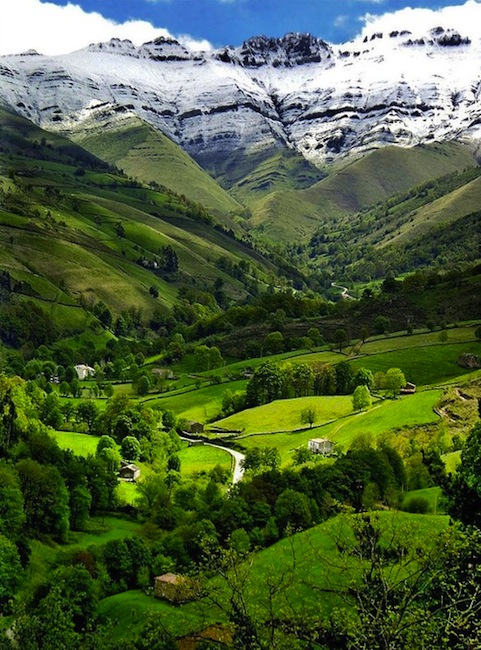
Nestled between the dramatic peaks of the Picos de Europa mountains and the vast expanse of the Atlantic Ocean, Cantabria, a Spanish region of approximately 580,000 inhabitants, is emerging as a compelling destination for discerning travelers and gourmands alike. Renowned for its striking geographical contrasts, from rugged coastlines to verdant inland valleys, and its deeply rooted cultural identity, Cantabria offers more than just breathtaking scenery. Its capital, Santander, a vibrant and elegant port city, boasts a bay consistently ranked among the world’s most beautiful. While its wild beaches, charming fishing villages, and rich historical tapestry have long drawn visitors, the region is now firmly establishing itself as a premier hub for culinary tourism, where the abundant gifts of the sea and mountains converge in authentic recipes that honor flavor and tradition.
Bridging Continents: Cantabria’s Diplomatic and Gastronomic Outreach
The Regional Government Office of Cantabria, with its presence in Brussels, alongside SODERCAN, the region’s dedicated development agency, plays a crucial role in advocating for Cantabria’s economic and political interests. However, their mission extends beyond governmental representation; it encompasses a vibrant promotion of Cantabria’s rich culture and distinctive gastronomy through a series of engaging events. The upcoming "Taste Cantabria" event is a prime example of this strategic outreach, promising a sensory journey designed to captivate and delight. This initiative underscores a deliberate effort to introduce the unique flavors and artisanal products of Cantabria to an international audience, fostering deeper understanding and appreciation for the region’s culinary prowess.
Cantabria: A Gastronomic Powerhouse on the Rise
Cantabria’s ascent in the culinary world is not merely anecdotal; it is evidenced by the presence of several Michelin-starred establishments that serve as proud ambassadors of the region’s diverse local specialties. The acclaimed Cenador de Amós in Villaverde de Pontones, a three-Michelin-star restaurant, stands as a beacon of Cantabrian haute cuisine. Complementing this are other distinguished venues such as La Casona del Judío and El Serbal in Santander, La Solana in Ampuero, and La Bicicleta in Hoznayo. These restaurants masterfully showcase the pristine quality of the coast’s fish and seafood, alongside the rich flavors of meats and vegetables sourced from the fertile valleys. By artfully blending time-honored culinary techniques with contemporary innovation, Cantabria is solidifying its reputation as an essential destination for aficionados of fine dining.
Data Snapshot: Cantabria’s Culinary Landscape
- Michelin Stars: The region boasts a notable concentration of Michelin-starred restaurants, indicative of its high culinary standards and dedication to gastronomic excellence.
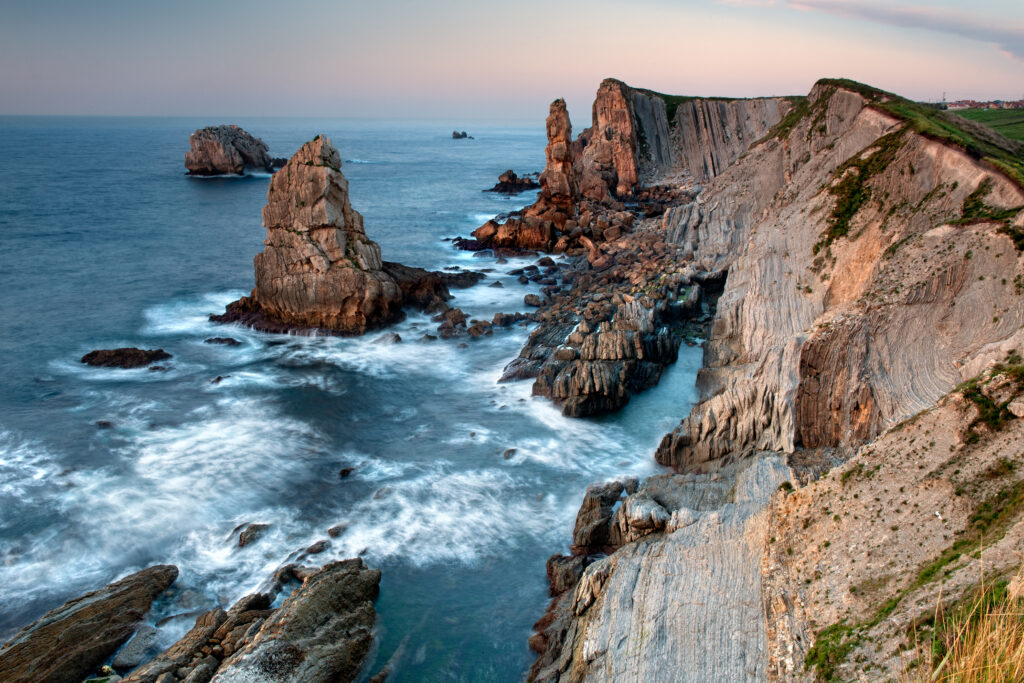
- Geographic Bounty: Cantabria benefits from diverse microclimates and landscapes, contributing to a wide array of high-quality ingredients, from coastal seafood to mountain produce.
- Artisanal Tradition: A strong heritage of artisanal food production, particularly in cheese and preserved seafood, forms the backbone of its culinary identity.
The "Taste Cantabria" Event: A Brussels Immersion
On Monday, September 29, 2025, the Excellis building at 105A rue Colonel Bourg, 1140 Evere, will transform into a vibrant showcase for Cantabrian agri-food products. This exclusive gastronomic event, orchestrated by Excellis/Horeca Magazine in partnership with Sodercan and the Chamber of Commerce of Cantabria, marks the first time these regional specialties will be presented to the Brussels public. From 11 a.m. to 4 p.m., attendees will have the unique opportunity to witness Spanish chef Adrián Mancheño conduct a live cooking demonstration. Chef Mancheño will skillfully transform the region’s flagship products into an array of exquisite tapas and refined dishes, offering a tangible experience of Cantabria’s culinary artistry. Simultaneously, a dozen Cantabrian producers, who have traveled specifically for this event, will be on hand to engage with visitors, share their expertise, and highlight the quality and provenance of their offerings.
Event Details at a Glance:
- Date: Monday, September 29, 2025
- Time: 11:00 AM – 4:00 PM
- Venue: Excellis building, 105A rue Colonel Bourg, 1140 Evere, Brussels
- Key Features: Live cooking show by Chef Adrián Mancheño, direct interaction with Cantabrian producers, tasting of regional products.
- Organizers: Excellis/Horeca Magazine, in partnership with Sodercan and the Chamber of Commerce of Cantabria.
A Culinary Expedition Through Cantabria, Reimagined in Brussels
The "Taste Cantabria" event offers a curated journey through the diverse flavors that define the region. This expedition begins at the coast, specifically in the historic towns of Santoña and Castro Urdiales, where the tradition of the conserve industry remains a vital part of the local heritage. Here, hand-prepared anchovies, succulent tuna belly, and plump mussels are testaments to centuries of expertise passed down through generations. These "salty treasures" from the Cantabrian Sea have not only sustained local communities but have also earned the region international acclaim for the superior quality of its preserved seafood. Visitors to the Brussels event can anticipate tasting these exceptional products, experiencing a direct link to this enduring maritime legacy.
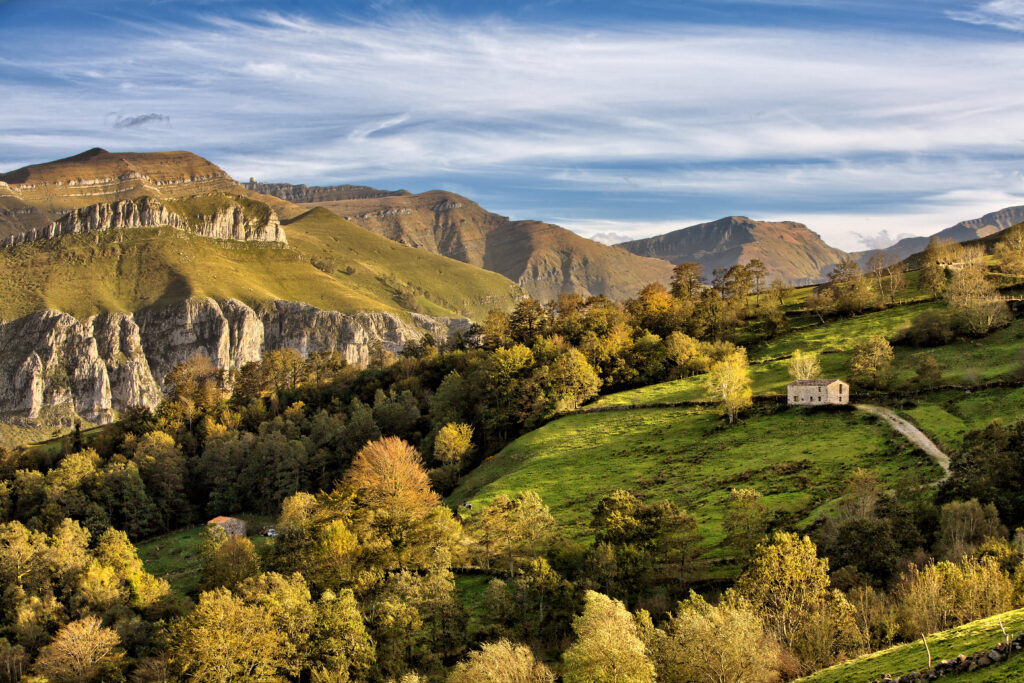
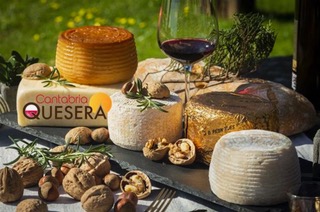
The journey then pivots inland, venturing into the verdant valleys that form the heart of Cantabria’s dairy and livestock farming traditions. This fertile landscape is the birthplace of unique and celebrated cheeses. Among them is the creamy and delicate Queso de Nata de Cantabria, a testament to the region’s rich pastures. Alongside it, the firmer and more aromatic Quesucos de Liébana, and the intensely flavored Picón Bejes-Tresviso, a robust blue cheese traditionally matured in natural caves, offer a spectrum of tastes and textures. These cheeses embody a harmonious marriage of pristine natural environments and meticulous artisanal craftsmanship, and will be a highlight of the tasting experience in Brussels.
Beyond the savory, the event will also feature an exploration of Cantabria’s sweet offerings. Artisan breads, delectable cakes, and exquisite pastries will showcase the region’s baking prowess, with creations that artfully blend tradition with innovative culinary approaches. These sweet treats promise a moment of comforting indulgence, serving as the perfect complement to a complete Cantabrian gastronomic experience.
The sensory voyage concludes with an exploration of Cantabria’s burgeoning beverage scene. The innovative craft beers from Dougall’s, recognized as pioneers in Spain’s craft beer movement, will be featured. Additionally, the premium spirits from the Siderit distillery – including gin, vodka, vermouth, and whisky – will be presented. These Cantabrian drinks exemplify bold creativity and an international outlook, offering an elegant and sophisticated accompaniment to the anchovies, cheeses, and preserves sampled earlier in the tasting. The diversity of these beverages reflects a modern Cantabria, one that respects its heritage while embracing global trends.
Catalysts for Cantabrian Excellence: Regional Institutions at Work
The growing international recognition of Cantabrian cuisine is, in no small part, a result of the dedicated efforts of regional institutions committed to safeguarding quality and promoting its products. The ODECA (Cantabrian Agri-Food Quality Office), an arm of the regional government, plays a pivotal role in overseeing quality labels such as Protected Designation of Origin (PDO) and Protected Geographical Indication (PGI). ODECA actively supports organic farming initiatives and champions exceptional products under the distinctive "Sabe a Norte" (Tastes of the North) brand. Furthermore, the organization provides crucial support to producers at major international trade fairs, elevating the profile of Cantabrian specialties on the global stage.
SODERCAN, the region’s development agency, is instrumental in facilitating the international expansion of Cantabrian companies. A cornerstone of its strategy involves organizing trade missions and promotional events abroad, empowering businesses to explore new markets, forge strategic partnerships, and enhance their export capabilities. In close collaboration with the Cantabria Chamber of Commerce, ICEX Spain Trade and Investment, and the Spanish Chamber of Commerce, SODERCAN is actively promoting the "Cantabria Internationalization Plan 2025-2028." This comprehensive plan aims to solidify the presence of Cantabrian companies in international markets. By harmonizing economic support with cultural promotion, these entities ensure that Cantabria is effectively presented as a region that excels in both its flavors and its expertise.
Analysis of Implications:
The "Taste Cantabria" event in Brussels signifies more than just a food festival; it represents a strategic investment in Cantabria’s global brand. By targeting a key European capital, the region aims to:
- Diversify its Economy: Reducing reliance on traditional sectors by fostering growth in high-value agri-food exports.
- Boost Tourism: Attracting a new segment of culinary tourists interested in authentic regional experiences.
- Strengthen International Partnerships: Creating opportunities for trade, collaboration, and knowledge exchange with European businesses.
- Enhance Brand Recognition: Positioning Cantabria as a distinct and premium destination for quality food and drink.
The success of this event can serve as a model for other regions seeking to leverage their unique culinary heritage for economic and cultural advancement. The comprehensive approach, involving governmental bodies, development agencies, and private sector producers, demonstrates a unified strategy for international market penetration.
An Invitation to Savor Cantabria
With its captivating coastal and mountainous landscapes, its profound culinary heritage, and a genuine desire to share its distinct identity, Cantabria has unequivocally cemented its status as one of Spain’s most distinguished gourmet regions. The "Taste Cantabria" event in Brussels presents an unparalleled opportunity for attendees to immerse themselves in the full spectrum of its flavors, all within the vibrant heart of Europe. This is an invitation to embark on a sensory adventure, to discover the passion, tradition, and innovation that define Cantabrian gastronomy.

Join us on September 29th at Excellis for an unforgettable Cantabrian culinary spectacle!
List of Exhibitors: A Glimpse into Cantabrian Expertise
The full roster of Cantabrian companies participating in the "Taste Cantabria" event offers a comprehensive overview of the region’s diverse artisanal and industrial capabilities. A detailed list can be accessed via the provided PDF link, showcasing the breadth of expertise and the quality of products that will be on display. This curated selection represents the very best of Cantabria’s food and beverage industry, from established leaders to emerging innovators.
[Link to exhibitor PDF]
SODERCAN’s Role in Internationalization:
SODERCAN’s unwavering commitment to fostering international trade for Cantabrian businesses is exemplified by its participation and organizational efforts for events like "Taste Cantabria." Their strategic initiatives, including trade missions and promotional campaigns, are crucial in navigating the complexities of global markets and ensuring that Cantabrian products reach a wider audience. The agency’s support is a vital component of the region’s economic development strategy, aiming to create sustainable growth and enhance the global competitiveness of its companies.