European Commission Awards €180 Million Sovereign Cloud Tender to Boost EU Digital Autonomy

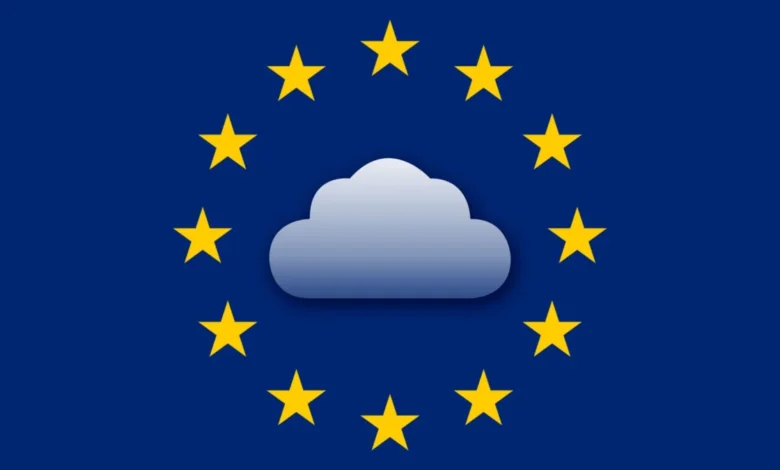
The European Commission has announced the award of a significant €180 million tender for sovereign cloud services to four distinct European providers. This strategic move enables European institutions, bodies, and agencies to procure European cloud services over a six-year period, marking a pivotal step in the European Union’s broader ambition to strengthen its digital sovereignty and strategic control over critical technologies and infrastructure. The decision, officially disclosed today, underscores a concerted effort by Brussels to foster indigenous technological capabilities and reduce reliance on non-EU entities for sensitive data processing and storage.
The four successful bidders are entirely European enterprises or consortia, meticulously selected for their commitment to EU standards and robust security frameworks. They include Post Telecom from Luxembourg, partnering with French cloud specialists CleverCloud and OVHcloud; Germany’s StackIT, a subsidiary of the Schwarz Group, renowned as the parent company of retail giants Lidl and Kaufland; Scaleway, a prominent French cloud provider; and Belgium’s Proximus, which is collaborating with Clarence, Mistral, and S3NS, a joint venture specifically established between the French multinational Thales and Google Cloud. This diverse selection aims to ensure a robust and competitive ecosystem capable of meeting the varied and evolving demands of EU institutions.
The Imperative of Digital Sovereignty: Why Now?
The European Union’s push for digital sovereignty is not a recent phenomenon but rather a culmination of years of growing awareness regarding geopolitical dependencies, data protection concerns, and the strategic importance of critical digital infrastructure. The concept gained significant traction following revelations of extensive surveillance programs, such as those exposed by Edward Snowden, which highlighted the potential for non-EU governments to access data stored with providers operating under their jurisdictions, notably through legislation like the U.S. CLOUD Act or Section 702 of the Foreign Intelligence Surveillance Act (FISA). These concerns are amplified by the ongoing global geopolitical landscape, characterized by intensifying tech rivalries and increasing cyber threats, making the control over digital infrastructure a matter of national and regional security.
Beyond security, the EU’s commitment to data protection, enshrined in the General Data Protection Regulation (GDPR), forms another cornerstone of its digital sovereignty agenda. The GDPR sets stringent rules for data processing and transfer, creating a legal framework that necessitates greater control over where and how EU citizens’ data is stored and managed. A sovereign cloud, by definition, aims to ensure that all data and operations remain subject to EU law, free from the direct influence of third-country legal frameworks. This tender, therefore, represents a tangible manifestation of the EU’s legal and ethical commitments to its citizens’ privacy and data rights.
Economically, the dominance of a few non-EU hyperscale cloud providers (Amazon Web Services, Microsoft Azure, Google Cloud Platform) in the global market, including Europe, has raised concerns about market concentration, fair competition, and the potential for vendor lock-in. By investing in and promoting European cloud providers, the EU aims to foster a more competitive internal market, stimulate innovation, and create a strong domestic digital industry capable of challenging global leaders. This not only supports economic growth within the Union but also strengthens its strategic autonomy in a rapidly digitizing world.
Defining "Sovereignty" in the Cloud Context: The EC’s Eight Pillars
The European Commission’s Cloud Policy framework provides a comprehensive definition of what constitutes "sovereign" in the context of cloud services. This framework is built upon eight interconnected objectives, ensuring a holistic approach to digital autonomy. These objectives guided the selection of the awarded providers and will dictate the operational parameters of the procured services:
- Strategic Autonomy: This refers to the EU’s ability to develop, deploy, and manage its own digital infrastructure without undue dependence on external powers or technologies. It emphasizes self-reliance in key technological domains.
- Legal Autonomy: Ensures that data stored and processed within the sovereign cloud is exclusively subject to EU law, particularly concerning data protection (GDPR) and cybersecurity (NIS2 Directive). It provides safeguards against extraterritorial legal interference.
- Operational Autonomy: Guarantees that the cloud infrastructure and its operations are managed by EU entities, with EU personnel, and are not subject to the operational control or influence of non-EU third parties. This includes aspects like access control, maintenance, and incident response.
- Environmental Sustainability: Reflects the EU’s broader commitment to the European Green Deal. Sovereign cloud solutions are expected to adhere to high environmental standards, minimizing energy consumption and carbon footprint through efficient data centers and renewable energy sources.
- Transparency in the Supply Chain: Demands full visibility into the components, software, and services used by the cloud provider, from hardware manufacturing to software development. This helps identify and mitigate potential vulnerabilities or dependencies on non-EU suppliers.
- Technological Openness: Promotes the use of open standards, open-source software, and interoperable solutions to avoid vendor lock-in and foster a collaborative ecosystem. This ensures flexibility and the ability for EU institutions to migrate data and services if needed.
- Security and Resilience: Requires the highest levels of cybersecurity measures, including robust encryption, threat detection, and incident response capabilities, to protect sensitive EU data from cyberattacks, espionage, and other threats. Resilience ensures continuous availability of services.
- Compliance with EU Legislation: Encompasses adherence to all relevant EU laws and regulations beyond GDPR, including those related to competition, consumer protection, and sector-specific requirements for critical infrastructure.
These rigorous criteria collectively establish a new benchmark for what "sovereign" practically entails for cloud services within the EU, aiming to create a highly secure, transparent, and resilient digital environment for European public sector operations.
The European Digital Strategy Landscape: A Broader Context
This sovereign cloud tender is a cornerstone of the EU’s overarching digital strategy, often articulated through initiatives like the "Digital Decade" targets for 2030. These targets envision a digitally transformed Europe, leading in areas like connectivity, digital skills, secure data infrastructure, and digital public services. The tender aligns perfectly with the Digital Decade’s ambition for secure and sustainable digital infrastructure, aiming for all key public services to be available online by 2030, underpinned by secure cloud and data storage.
Furthermore, the sovereign cloud initiative complements other major EU digital projects. The Gaia-X initiative, for instance, focuses on creating a federated, secure, and trustworthy data infrastructure ecosystem in Europe, emphasizing data sharing and interoperability while respecting European values and data protection rules. While Gaia-X is more about data spaces and federation, the sovereign cloud provides the underlying infrastructure that can host these data spaces in a fully compliant manner.
Other relevant legislative and strategic frameworks include the EU Chips Act, aimed at boosting Europe’s semiconductor industry; the Artificial Intelligence Act, setting ethical and legal standards for AI; the NIS2 Directive, enhancing cybersecurity across critical sectors; and the Data Governance Act and Data Act, designed to foster a single market for data. Each of these initiatives contributes to building a comprehensive European digital ecosystem where the sovereign cloud acts as a foundational pillar, ensuring the security and autonomy of the data and applications running within it.
A Chronology of EU Cloud Ambitions
The journey towards a European sovereign cloud has been a gradual evolution, reflecting a growing awareness and strategic response to global digital realities:
- Post-2013 (Snowden Revelations): Initial discussions about data privacy and the extraterritorial reach of foreign laws began to emerge, prompting calls for greater data control within the EU.
- 2016 (GDPR Enactment): The adoption of the GDPR provided a robust legal framework for data protection, intensifying the need for cloud solutions that could unequivocally guarantee compliance.
- 2018 (EU Cloud Strategy Discussion): Early strategic discussions within the European Commission and among Member States began to formalize the idea of a European cloud strategy, focusing on security, resilience, and competitiveness.
- 2020 (EU Data Strategy and Gaia-X Launch): The Commission published its European Data Strategy, emphasizing the creation of a single market for data. Simultaneously, the Gaia-X initiative was launched, aiming to build a federated data infrastructure. These initiatives laid the conceptual groundwork for sovereign cloud solutions.
- 2021 (EC Cloud Policy Framework): The European Commission formally adopted its Cloud Policy framework, outlining the eight objectives for digital sovereignty and setting the stage for procurement strategies.
- Late 2022 / Early 2023 (Tender Launch): The formal tender process for sovereign cloud services for EU institutions was initiated, inviting European providers to submit bids based on the established criteria.
- Today’s Announcement: The award of the €180 million tender, marking a significant milestone in the practical implementation of the EU’s digital sovereignty agenda.
This timeline illustrates a consistent, strategic progression from theoretical discussions and policy formulation to concrete procurement actions, demonstrating the EU’s long-term commitment to this vision.
Industry Reactions and Expert Perspectives
The announcement has been met with positive reactions from European industry stakeholders. Simon Besteman, Head of Public Affairs at the Dutch Cloud Community (DCC), articulated this sentiment clearly: "So you see: it is possible. There are European alternatives. What are we waiting for?" His statement reflects a widespread belief within the European tech sector that homegrown solutions are viable and capable of meeting high standards, challenging the long-held perception that only global hyperscalers can deliver the required scale and sophistication.
Representatives from the awarded providers are expected to echo this enthusiasm, highlighting their commitment to strengthening Europe’s digital backbone. For instance, a spokesperson for StackIT, owned by the Schwarz Group, would likely emphasize their robust infrastructure and commitment to data privacy, leveraging their extensive experience in managing critical retail operations. Scaleway and OVHcloud, established European players, will likely underscore their track record in providing secure, high-performance cloud services that already adhere to strict EU regulations. The involvement of S3NS, a joint venture between Thales and Google Cloud, is particularly noteworthy. While Google Cloud is a non-EU entity, the structure of S3NS ensures that Thales, a European leader in cybersecurity and defense, maintains control over operations, data residency, and compliance with EU regulations, effectively creating a "sovereign by design" offering on top of global technology. This model demonstrates a pragmatic approach to leveraging advanced technology while ensuring ultimate EU control.
Industry analysts view this tender as a pivotal step, validating the EU’s resolve and demonstrating that its policy frameworks can translate into concrete market opportunities for European companies. While acknowledging the long road ahead in competing with the sheer scale and investment of global hyperscalers, analysts see this as a crucial momentum builder. It signals to the wider market that Europe is serious about developing its own secure and compliant digital infrastructure.
Safeguarding Principles and Contractual Structure
A critical aspect of this tender’s design is the emphasis on safeguarding principles. The four contracts were awarded in parallel, a deliberate strategy to ensure diversification and resilience. This multi-vendor approach prevents over-reliance on a single provider, thereby mitigating risks associated with potential service disruptions, security breaches, or vendor lock-in. It fosters a competitive environment among the selected providers, encouraging continuous innovation and high service levels.
To be eligible, providers had to demonstrate adherence to stringent safeguard levels specifically designed to limit the control of non-EU third parties over the technologies they use or the services they deliver. This includes meticulous scrutiny of ownership structures, data center locations (all within the EU), operational control, and legal frameworks governing data access. Even in partnerships involving non-EU tech giants, like the S3NS collaboration, the contractual agreements are structured to ensure that the ultimate control, data processing, and compliance responsibilities rest firmly within the EU-based entity (Thales in this case), thereby upholding the principles of sovereignty. These strict requirements underscore the Commission’s commitment to ensuring genuine digital autonomy, moving beyond mere rhetoric to enforceable contractual obligations.
Implications for European Tech and Beyond
The award of this sovereign cloud tender carries profound implications across several dimensions:
- Economic Impact: This €180 million investment is a direct boost to European tech companies. It provides significant revenue streams and opportunities for growth, fostering innovation, creating high-skilled jobs, and strengthening the continent’s digital economy. It also serves as a strong signal to other European businesses and public sector entities that robust, EU-compliant cloud alternatives exist, potentially stimulating broader adoption of European cloud services.
- Geopolitical Standing: By reducing dependence on non-EU cloud providers, the EU enhances its strategic autonomy on the global digital stage. It reinforces its position as a proactive leader in digital governance, capable of shaping its own technological future rather than merely consuming technologies developed elsewhere. This move strengthens the EU’s hand in international dialogues on data governance, cybersecurity, and digital trade.
- Data Governance and Security: The most immediate and direct impact will be on the security and compliance of EU institutions’ data. With services guaranteed to operate under EU law and strict operational controls, the risk of extraterritorial data access or non-compliance with GDPR is significantly minimized. This sets a precedent for enhanced data protection and cybersecurity practices across the entire European public sector.
- Challenges Ahead: Despite the positive momentum, challenges remain. The European cloud market, while growing, still faces the immense scale and investment capacity of global hyperscalers. The awarded providers, while capable, will need to continuously innovate and scale their offerings to meet the long-term demands and evolving technological landscape. Integration with existing IT infrastructure across various EU institutions and agencies will also require careful planning and execution. Furthermore, ensuring consistent service quality, performance, and cost-effectiveness compared to established global players will be crucial for the long-term success and widespread adoption of these sovereign solutions.
Looking Forward: The Path to a Digitally Autonomous Europe
The European Commission views this tender not just as a procurement exercise but as a new benchmark for what "sovereign" practically means for cloud services. By taking the lead, the Commission aims to set a powerful example for Member States, national public administrations, and even private companies within the EU. The expectation is that this initiative will catalyze further investment and adoption of sovereign cloud solutions across the Union, fostering a more resilient, secure, and competitive European digital ecosystem.
The six-year duration of the contracts provides a stable framework for the selected providers to develop and mature their offerings, potentially expanding their service portfolios and market reach. The success of this initial phase will undoubtedly influence future procurement decisions and strategic investments, shaping the trajectory of Europe’s digital transformation for decades to come. As Europe continues its ambitious journey towards achieving its Digital Decade targets, the sovereign cloud stands as a foundational pillar, embodying the Union’s commitment to strategic autonomy, data protection, and a resilient digital future.
Related posts: