The Mandarin Revolution: Global Fragrance Trends and the Olfactory Evolution of Summer 2025

The global fragrance industry has undergone a significant transformation leading into the summer of 2025, pivoting from the heavy, gourmand-heavy compositions of the previous seasons toward a sophisticated reimagining of citrus, specifically centered on the mandarin orange. While the winter market was characterized by dense notes of black cherry, roasted coffee, and Tahitian vanilla, and the spring season introduced a brief fascination with matcha and white peach, the current fiscal year has seen a strategic shift by major luxury houses and niche perfumeries alike. This transition is not merely a seasonal preference but a calculated response to consumer demands for transparency, sustainability, and "skin-scent" technology. Industry analysts note that the mandarin note—once relegated to simple, fleeting top notes—is now being utilized as a complex, multifaceted heart and base ingredient, appearing in forms ranging from hyper-fresh and aqueous to "smokey" and avant-garde.
The Evolution of Olfactory Trends: From Gourmand to Citrus Complexity
The trajectory of the 2024-2025 fragrance cycle illustrates a clear departure from the "sugar-heavy" era. Market data from the first quarter of 2025 suggests that consumers are increasingly seeking "clean" and "energizing" profiles that offer psychological relief from warming global temperatures. The mandarin orange (Citrus reticulata) has emerged as the protagonist of this movement due to its unique chemical composition, which offers a sweeter, more floral profile than the sharp acidity of lemon or the bitterness of grapefruit.
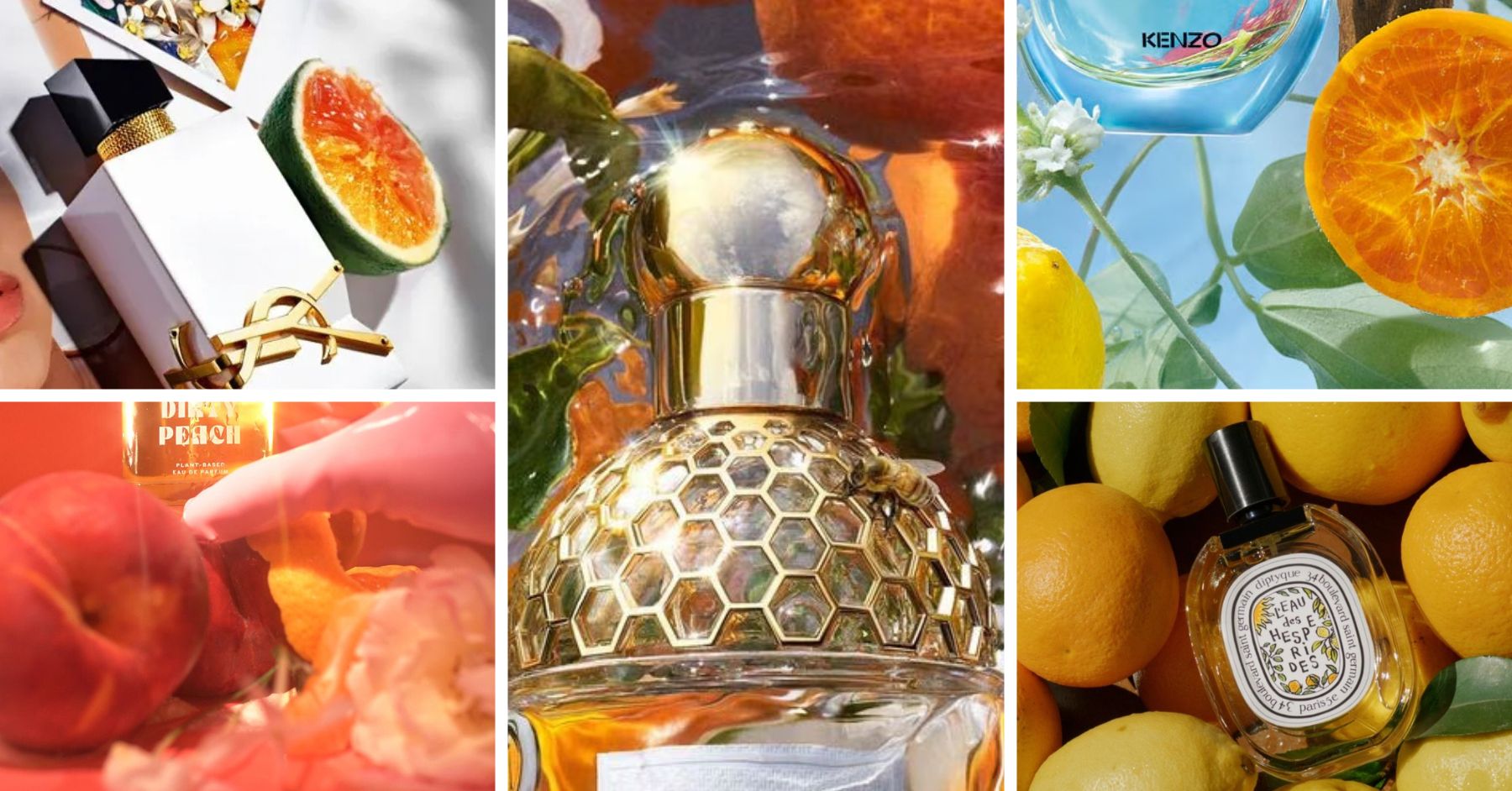
Historically, citrus scents were criticized for their lack of longevity. However, the 2025 summer collections have addressed this through advanced molecular synthesis. Brands are now integrating "fixative" citrus molecules and upcycled citrus peels to extend the life of the scent on the skin. This technological leap has allowed houses like Kenzo and Guerlain to position citrus-heavy fragrances as high-performance products rather than ephemeral colognes.
Technological Innovation and Environmental Stewardship
A primary driver in the 2025 fragrance market is the integration of environmental conservation with product identity. Kenzo’s latest release, L’eau Pure, serves as a case study for this integration. Developed under the poetic vision of the late Kenzo Takada and refined by contemporary noses, the fragrance utilizes Aquozone® technology. This synthetic molecule mimics the scent of crystalline water and sea spray, providing a "long-wear" freshness that traditional aquatic notes often lack.
Furthermore, the commercial success of such fragrances is now inextricably linked to corporate social responsibility (CSR). Kenzo has aligned the L’eau Pure launch with the Coral Gardeners initiative, where a portion of the proceeds from every bottle is directed toward the restoration of coral reefs. This reflects a broader industry trend where "blue" and "green" scents are expected to contribute to the preservation of the ecosystems they emulate.
The Sustainability Mandate: Refillability and Ethical Sourcing
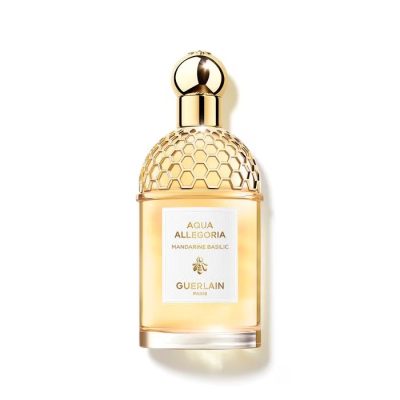
The prestige fragrance sector has seen a 15% increase in the demand for refillable packaging over the last eighteen months. Guerlain’s Mandarine Basilic, part of the iconic Aqua Allegoria collection, remains a market leader by emphasizing the "circular economy" of perfume. The fragrance, which pairs sparkling mandarin with aromatic basil and green tea, is now housed in a bottle designed to be kept for a lifetime.
This move toward sustainability is complemented by changes in sourcing. Major players are increasingly utilizing organic alcohol derived from beets and ethically harvested essential oils. The inclusion of mandarin from specific regions, such as Sicily or Calabria, is no longer just a marketing trope but a guarantee of quality and fair-trade practices that modern consumers demand.
Niche Perspectives and the "Smokey Mandarin" Phenomenon
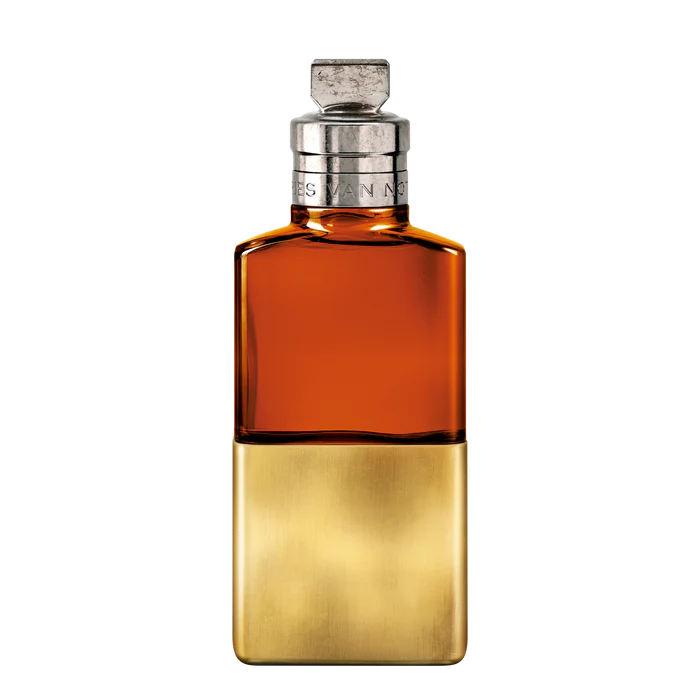
While luxury conglomerates focus on broad appeal and sustainability, niche designers like Dries Van Noten are pushing the boundaries of how citrus is perceived. The release of Havana Gold marks a significant departure from traditional summer scents. By combining mandarin and anise with heavy base notes of tobacco, leather, and tonka bean, Van Noten has introduced the "smokey mandarin" trend.
This sub-category appeals to a demographic looking for "gender-neutral" and "night-time" citrus fragrances. It challenges the industry standard that citrus must be bright and sunny, offering instead a dark, resinous interpretation that suggests the atmosphere of a dimly lit cocktail lounge. This "olfactory chiaroscuro"—the play between light citrus and dark resins—is expected to influence fragrance development well into the 2026 autumn transition.
Mythology and Narrative in Fragrance Marketing
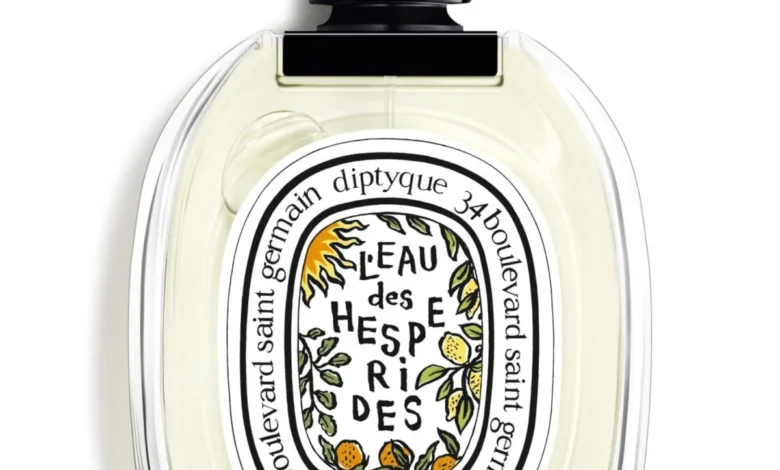
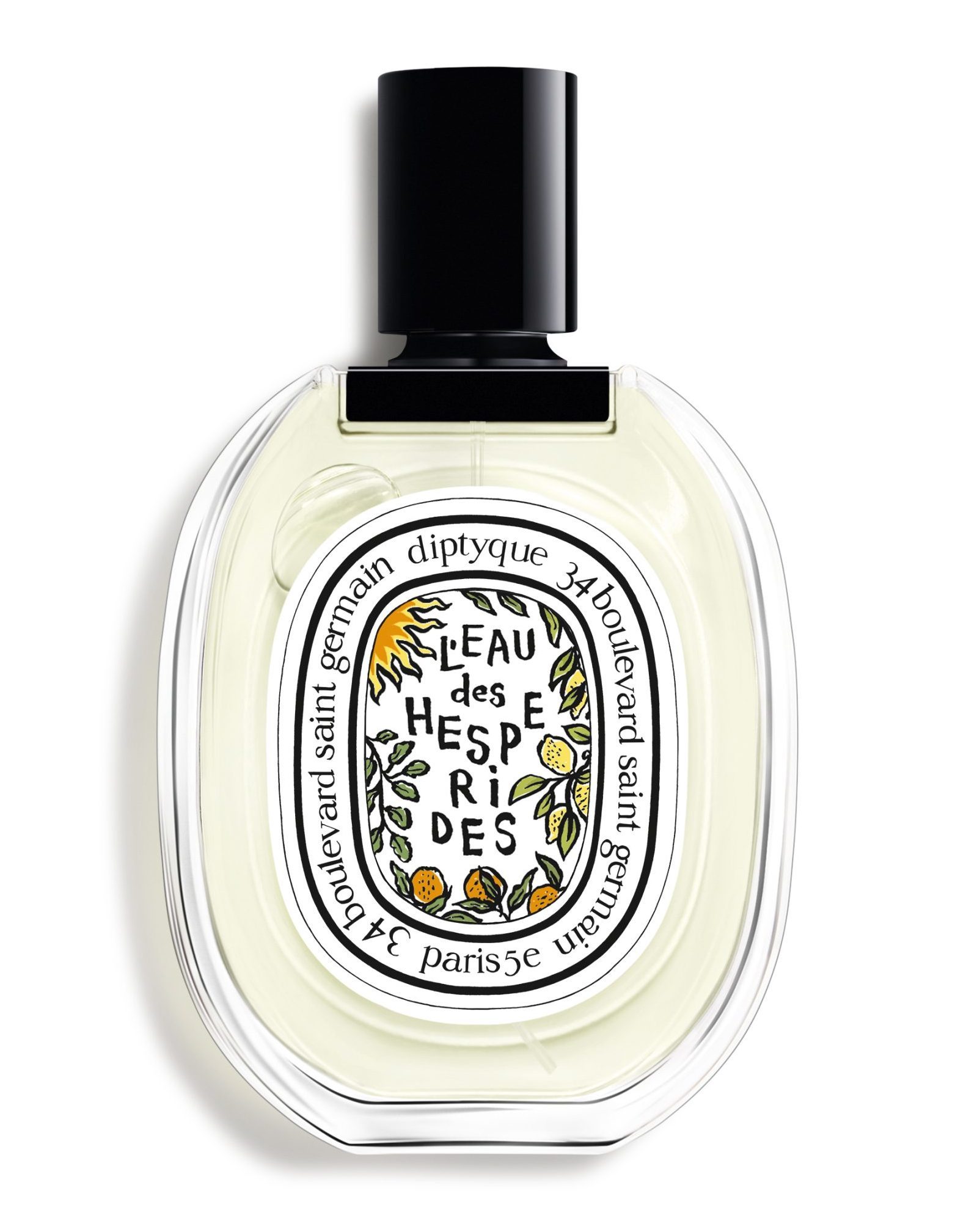
The 2025 season also sees a return to classical storytelling as a means of brand differentiation. Diptyque’s L’eau des Hespérides leverages Greek mythology to create a premium narrative around its limited-edition summer scent. By referencing the Hesperides—the nymphs who guarded the garden of golden apples (often interpreted as oranges)—Diptyque elevates a citrus-mint-caraway blend into a cultural artifact.
This strategy of "mythological marketing" is particularly effective in the high-end segment, where consumers are buying into a heritage and a story as much as a scent profile. The use of unconventional culinary herbs like caraway and immortelle (strawflower) provides an "energetic boost" that separates these products from mass-market citrus sprays.
The Rise of "Skin Scents" and Alcohol-Free Formulations
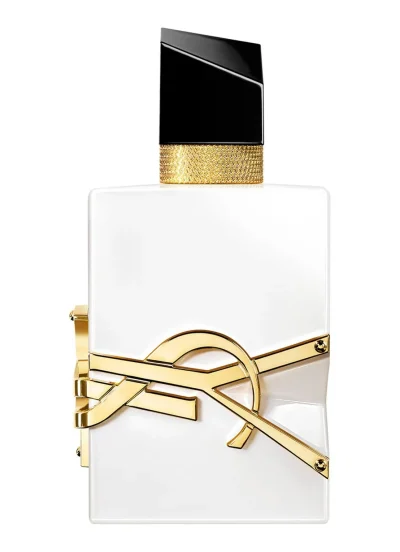
One of the most significant technical shifts in 2025 is the rise of the "vacanza queen" aesthetic, popularized by brand muses such as Dua Lipa for Yves Saint Laurent. YSL’s Libre L’Eau Nue introduces an alcohol-free, oil-in-water formula. This innovation is designed specifically for summer travel, as traditional alcohol-based perfumes can cause skin photosensitivity when exposed to direct sunlight.
These "skin scents" utilize green mandarin and bergamot to create a fragrance that feels like a natural extension of the wearer’s body. The oil-in-water emulsion allows the scent to melt into the skin, providing a subtle, intimate projection rather than a loud "sillage." This reflects a post-pandemic shift toward "quiet luxury" in the beauty sector, where personal scent is treated as a private indulgence rather than a public statement.
Regionality and Olfactory Tourism
Fragrance as a form of "liquid travel" remains a dominant theme. Acqua di Parma’s Mandarino di Sicilia and DS & Durga’s Italian Citrus focus on regional specificity to attract consumers. These scents utilize the entire fruit—pulp, juice, and zest—of Sicilian mandarins and chinotto oranges.
The economic impact of this "olfactory tourism" is notable. By highlighting specific geographic origins, these brands support local Mediterranean agricultural sectors. DS & Durga’s use of ambrette and incense alongside cold-pressed lemon and green mandarin provides a "meditative" twist, catering to the "wellness-conscious" consumer who views fragrance as a tool for mindfulness and mental escape.
Sensory Provocation: The "Dirty" Fruit Trend
In a direct counter-movement to the "clean" aesthetic, brands like Heretic are exploring the "dirty" side of fruit. Dirty Peach, which features a prominent mandarin and grapefruit accord, avoids the cloying sweetness of traditional fruit scents. By incorporating jasmine and earthy vetiver, the fragrance aims to replicate the experience of biting into sun-warmed, wild fruit. This "hyper-realistic" and "unpolished" approach to perfumery is gaining traction among Gen Z consumers, who value authenticity and "raw" sensory experiences over sterilized, laboratory-perfected aromas.
Market Analysis and Future Implications
The 2025 summer fragrance market is currently valued at several billion dollars globally, with the citrus category seeing a year-over-year growth of 8.4%. This growth is driven by three primary factors:
- Innovation in Chemistry: The development of molecules like Aquozone® and new emulsification techniques for alcohol-free sprays.
- Cultural Resonance: The alignment of mandarin scents with the "Mediterranean Summer" aesthetic that dominates social media.
- Ethical Consumerism: The shift toward refillable bottles and environmental advocacy (e.g., Kenzo’s coral reef project).
As the industry moves toward 2026, the success of these mandarin-centric launches suggests that the "citrus revival" is here to stay. However, the focus will likely shift toward even more extreme contrasts—pairing citrus with minerals, salt, and deep woods.
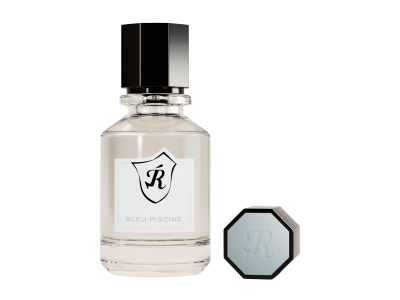
The summer of 2025 has proven that the mandarin orange is no longer just a simple fruit; it is a versatile tool for olfactory artists. Whether it is the decadent, poolside decadence of Réservation’s Bleu Piscine—which mixes mandarin with cypress and vetiver to mimic the scent of sun-drenched skin—or the sophisticated, sustainable elegance of Guerlain, the message is clear: the modern consumer wants a fragrance that is as responsible as it is evocative. The "Mandarin Revolution" represents a maturing of the fragrance market, where science, sustainability, and storytelling converge to define the scent of a generation.