The Rise of Aerolase Neo Elite: A Multimodal Laser Revolutionizing Non-Invasive Dermatology and Skincare Standards

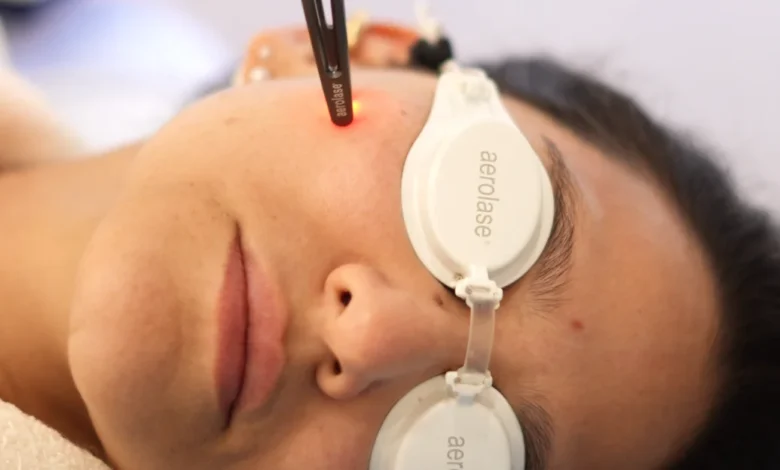
The landscape of aesthetic medicine is undergoing a profound transformation as patients increasingly demand treatments that offer high efficacy with zero downtime. Leading this shift is the Aerolase Neo Elite, a 1064nm Nd:YAG laser that has gained significant traction in the United States and is now making a substantial impact on the European market. By utilizing a proprietary 650-microsecond pulse technology, this device addresses a staggering 36 different FDA-cleared indications, ranging from active acne and rosacea to hyperpigmentation and skin rejuvenation. The medical community, including practitioners at Elite Clinics in Antwerp, has begun to integrate this technology into standard protocols, noting its unique ability to treat all skin types safely—a feat that has historically challenged the laser dermatology sector.
The Technological Foundation: The 650-Microsecond Pulse
To understand the rise of Aerolase, one must first examine the physics of laser-tissue interaction. Traditional long-pulse lasers typically deliver energy over milliseconds. While effective, this duration often exceeds the thermal relaxation time of the skin, leading to an accumulation of heat in the epidermis. This heat can cause pain, redness, and in some cases, burns or post-inflammatory hyperpigmentation (PIH), particularly in patients with darker skin tones.
The Aerolase Neo Elite circumvents these issues through its "650-microsecond" technology. By delivering energy in a pulse that is shorter than the skin’s thermal relaxation time, the laser energy passes through the epidermis so quickly that it does not have time to overheat the surface melanin. Instead, the energy is concentrated deep within the dermis, targeting specific structures such as hemoglobin, melanin, and water. Dr. Jhossy Villanueva, an aesthetic physician at Elite Clinics, notes that this specificity allows the device to act with "formidable efficiency" on targeted problems while limiting surface heat. This eliminates the need for the cooling gels or numbing creams that are staples of older laser technologies.
A Versatile Solution for 36 Clinical Indications
The versatility of the Aerolase Neo Elite is perhaps its most significant commercial and clinical advantage. In a single session, a practitioner can pivot from treating a vascular lesion to addressing a patient’s acne or fine lines.
Addressing Chronic Acne and Inflammation
Acne remains one of the most common skin conditions globally, affecting not only adolescents but an increasing number of adults. The Aerolase approach to acne is multifaceted. The 1064nm wavelength targets the sebaceous glands, reducing sebum production, while simultaneously killing Cutibacterium acnes bacteria. Furthermore, the laser’s energy suppresses the inflammation associated with cystic breakouts. Clinical data indicates that the device can reduce inflammation related to active acne and rosacea by up to 42% compared to a placebo. For patients who have failed to see results with topical treatments or who wish to avoid the systemic side effects of oral medications like isotretinoin, this laser offers a potent alternative.
Rosacea and Vascular Clearance
Rosacea is characterized by persistent redness and visible blood vessels (telangiectasia). The Neo Elite targets the hemoglobin in these vessels, causing them to collapse and be naturally reabsorbed by the body. Because the treatment is non-ablative and generates minimal surface heat, the "rebound" flushing often seen with other vascular lasers is significantly reduced.
Hyperpigmentation and Melasma
Melasma and sun damage are notoriously difficult to treat because the melanocytes (pigment-producing cells) can be easily overstimulated by heat, leading to darker spots. The Aerolase Neo Elite’s rapid pulse allows for the fragmentation of melanin without the thermal collateral damage that triggers PIH. This makes it a preferred choice for treating melasma, a condition that has long been a "forbidden zone" for many traditional laser systems.
The Inclusivity Factor: Breaking the Fitzpatrick Barrier
Historically, the dermatology industry has struggled to provide safe laser options for patients with darker skin tones (Fitzpatrick scales IV through VI). Traditional lasers often cannot distinguish between the melanin in a targeted spot and the melanin in the surrounding healthy skin, leading to a high risk of scarring or permanent pigment loss in patients of color.
The Aerolase Neo Elite has been heralded as a "colorblind" laser. Because the pulse is so fast, it does not linger on the surface long enough to cause damage to the epidermal melanin. This allows patients with Black, Brown, or tanned skin to undergo treatments for hair removal, acne, and skin tightening with the same safety profile as those with lighter skin. Dr. Villanueva emphasizes that this lack of "social eviction"—the need to hide away while skin heals—is a major draw for a diverse patient base.
Clinical Protocols and the Patient Experience
A typical treatment regimen for the Aerolase Neo Elite involves a series of four to six sessions, usually spaced two to four weeks apart. While some patients report visible improvements in skin clarity and texture after a single visit, the cumulative effect of the laser is necessary for long-term remodeling of the skin’s architecture.
During the procedure, which lasts between 10 and 60 minutes depending on the area, patients experience a sensation often described as a light flick of an elastic band. Unlike many other lasers, there is no requirement for skin cooling, as the device does not reach the pain threshold of the skin’s nerves. Post-treatment, the skin may exhibit a mild erythema (redness) similar to a light sunburn, but this typically subsides within an hour.
The financial investment for such treatments reflects the high-tech nature of the hardware. At premium centers like Elite Clinics in Antwerp, a single session is priced at approximately €300. Medical professionals stress that the longevity of these results is heavily dependent on post-care, specifically the diligent use of broad-spectrum SPF. Without sun protection, the UV-induced damage that the laser works to reverse will inevitably return, rendering the investment less effective.
The Economic and Market Implications
The rise of the Aerolase Neo Elite is a symptom of a larger trend in the global aesthetic market, which is projected to grow at a compound annual growth rate (CAGR) of over 10% through 2030. There is a clear move away from invasive surgical procedures toward "lunchtime" treatments.
For clinics, the Aerolase represents a high return on investment due to its low consumable costs and high throughput. Unlike other systems that require expensive tips or cartridges for every patient, the Neo Elite is a solid-state laser with minimal per-use costs. This allows clinics to offer competitive pricing while maintaining high margins. Furthermore, the ability to treat 36 conditions with one machine reduces the need for multiple, specialized devices, saving floor space and capital expenditure.
Expert Perspectives and Broader Medical Consensus
The medical community’s reaction to the Aerolase has been largely positive, supported by a growing body of peer-reviewed literature. Dermatologists point to the device’s ability to stimulate "neocollagenesis"—the production of new collagen—as a key factor in its anti-aging success. By heating the water in the dermis, the laser triggers a controlled healing response that tightens the skin and smooths fine lines from the inside out.
However, experts also urge a balanced view. While the Aerolase is a powerful tool, it is often most effective when used as part of a multimodal approach. In the Antwerp trial conducted by practitioners, the laser was combined with chemical peelings and skinbooster injections to achieve optimal radiance. This "combination therapy" approach is becoming the gold standard in aesthetic medicine, where different technologies are layered to address different layers of the skin simultaneously.
Future Outlook: The Evolution of Laser Dermatology
As technology continues to advance, the focus is shifting toward even greater precision and personalization. The Aerolase Neo Elite represents a peak in the current generation of Nd:YAG lasers, but it also sets the stage for future developments in ultra-short pulse durations.
The implications for public health are also noteworthy. By providing a non-pharmacological route for treating chronic skin conditions like psoriasis and acne, these lasers could potentially reduce the global reliance on antibiotics and systemic steroids, which carry risks of resistance and long-term side effects.
In conclusion, the Aerolase Neo Elite stands as a testament to the power of precision engineering in medicine. By solving the dual challenges of patient discomfort and skin-type limitations, it has democratized high-end skin care. As more clinical data emerges and the technology becomes more accessible across Europe and beyond, it is likely to remain a cornerstone of modern dermatological practice, bridging the gap between medical necessity and aesthetic desire. For the patient, the promise is simple yet profound: a clear, youthful complexion achieved through the science of light, without the burden of recovery.