Mastering the Art of Petite Fashion Strategic Wardrobe Choices for Individuals Under 160 Centimeters

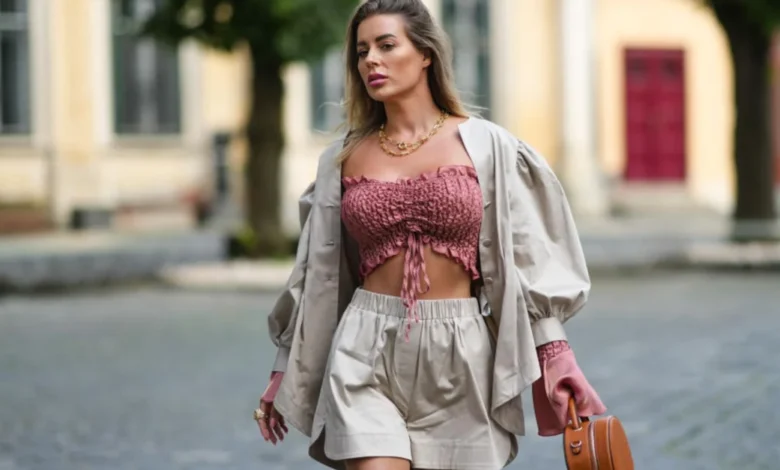
The global fashion industry has long been criticized for its reliance on standardized fit models, often overlooking the diverse physical realities of the general population. For individuals measuring under 160 centimeters—roughly 5 feet 3 inches—navigating the ready-to-wear market requires more than just an eye for style; it necessitates a strategic understanding of proportions, tailoring, and visual architecture. While the fundamental rule of fashion remains that the best clothes are those in which the wearer feels most comfortable, specific design elements and silhouettes are mathematically proven to complement a shorter stature. By leveraging the interplay of hemlines, waistlines, and fabric structures, those in the petite category can curate a wardrobe that maximizes presence and elegance.
The Evolution of Petite Sizing and Market Dynamics
Historically, the fashion industry treated "petite" as a mere afterthought, often simply shortening the sleeves and legs of standard-sized garments without adjusting the rise, torso length, or shoulder width. However, the late 20th and early 21st centuries saw a significant shift. Market data indicates that the petite fashion segment is a multi-billion dollar industry, with a growing number of consumers demanding specialized cuts. In regions like East Asia and parts of Southern Europe, where average heights are statistically lower than in Northern Europe or North America, the demand for sophisticated petite-friendly designs has forced global retailers to rethink their inventory.
Retail giants such as Uniqlo and niche luxury brands like Sèzane have recognized that fit is the primary driver of consumer retention. When a garment fits correctly "off the rack," it reduces the environmental and economic cost of returns—a major issue in the e-commerce era where nearly 30% of apparel is sent back due to sizing discrepancies. For the petite consumer, the challenge is twofold: finding clothes that do not overwhelm their frame and identifying pieces that create a cohesive, elongated silhouette.
Technical Principles of Petite Styling: The Rule of Thirds
Professional stylists often cite the "Rule of Thirds" as a foundational principle for shorter individuals. This concept involves dividing the body’s visual profile into thirds rather than halves. By wearing high-waisted bottoms and cropped tops, the wearer creates a visual ratio where the lower body occupies two-thirds of the silhouette and the upper body one-third. This mathematical approach prevents the "stacking" effect, where a person appears shorter because their clothing cuts their frame into equal, squat segments.
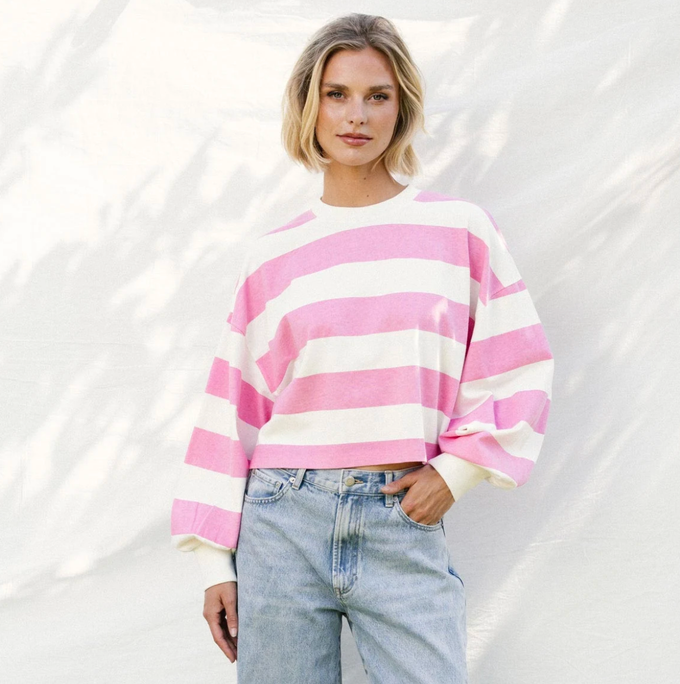
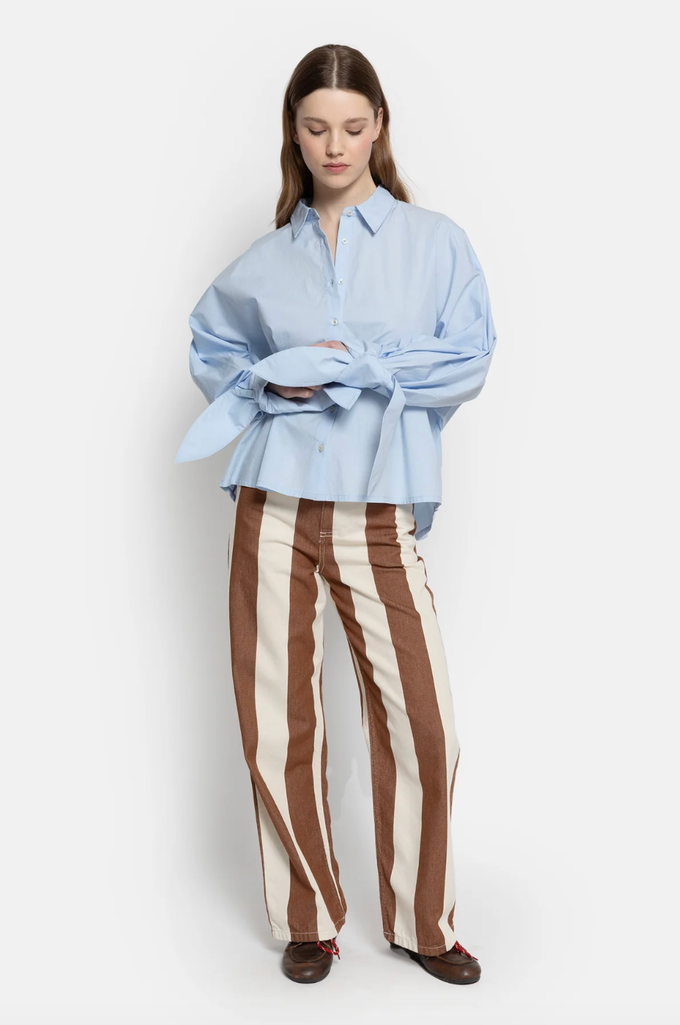
Furthermore, the integration of verticality is essential. Vertical stripes, monochromatic color schemes, and continuous lines from the waist to the floor assist in drawing the eye upward, providing an illusion of height. Conversely, heavy horizontal patterns or wide belts that contrast sharply with the rest of the outfit can "break" the silhouette, effectively shortening the appearance of the legs.
Strategic Upper-Body Selections: Structure and Cropped Silhouettes
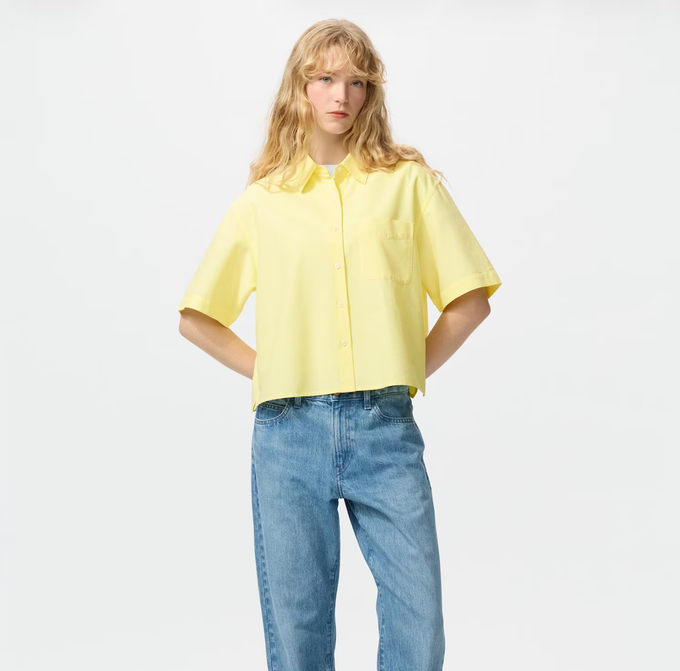
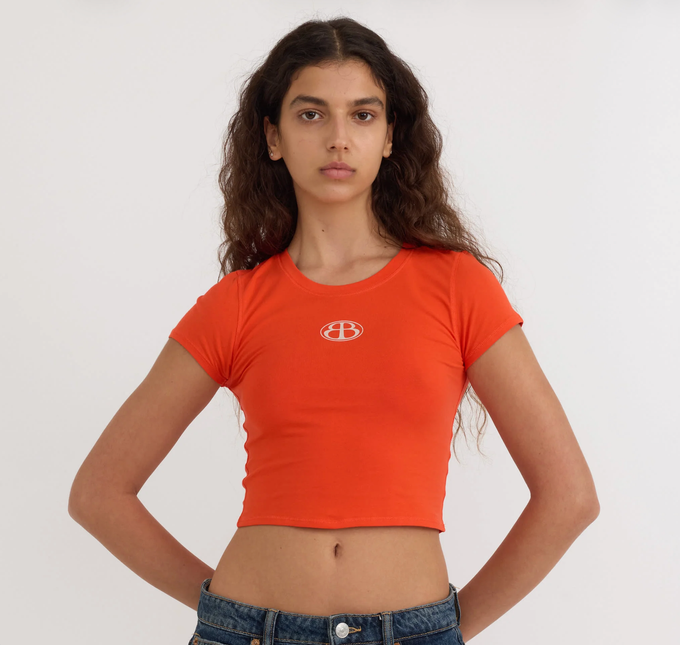
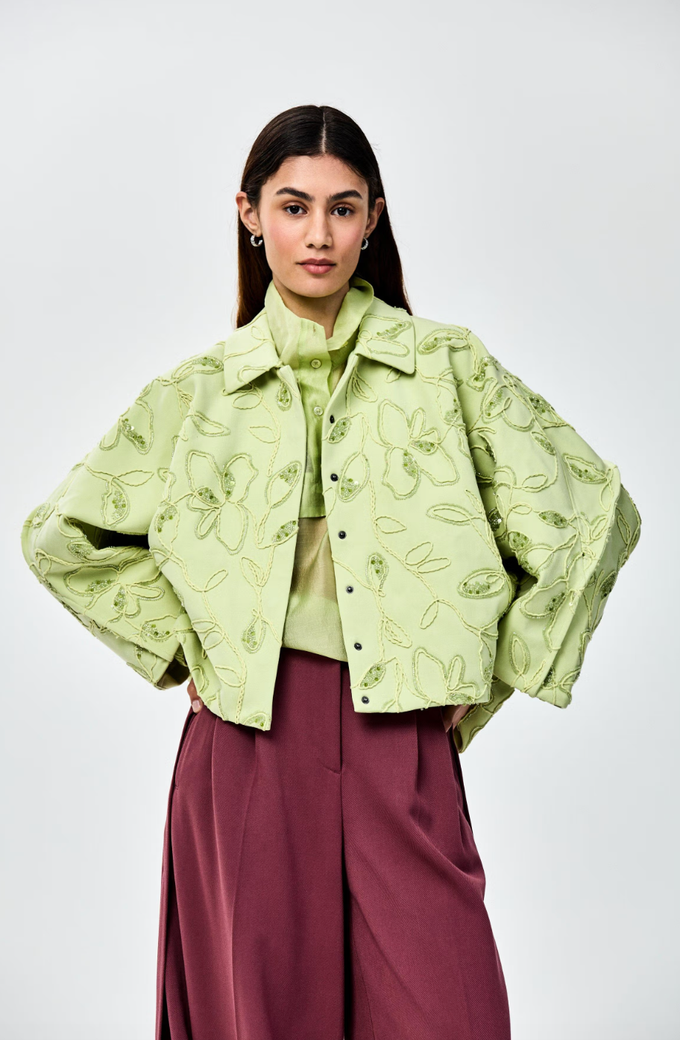
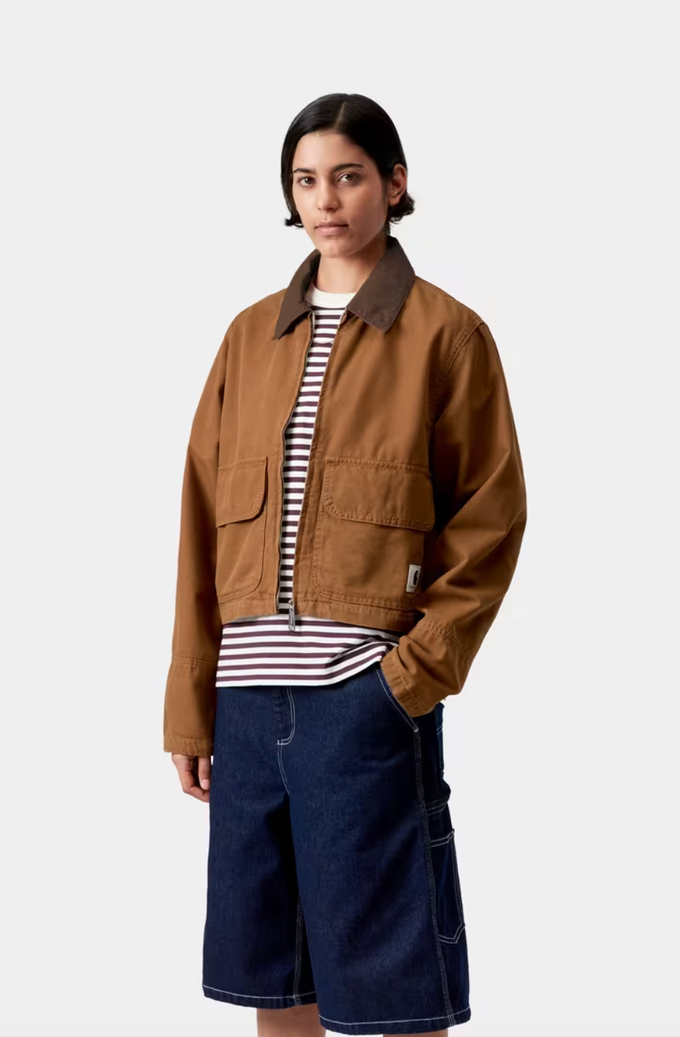
In the current fashion cycle, the prevalence of "cropped" tops has become a significant advantage for those under 160 centimeters. Whether it is a jacket, a t-shirt, or a formal blouse, a shorter hemline that hits at or just above the natural waistline serves to elongate the legs.
The Role of Structured Shirts and Boxy Cuts
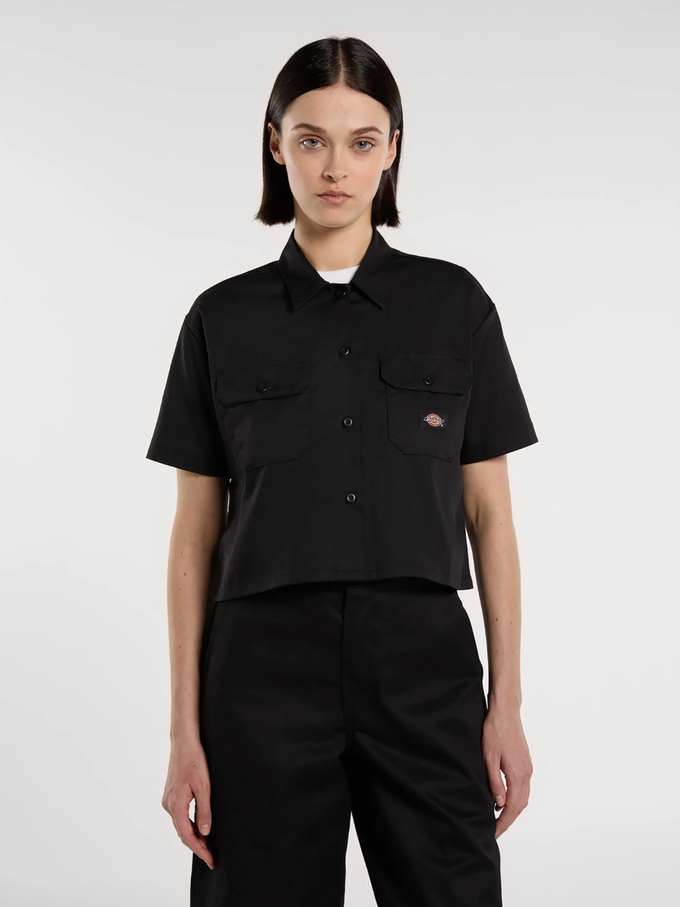
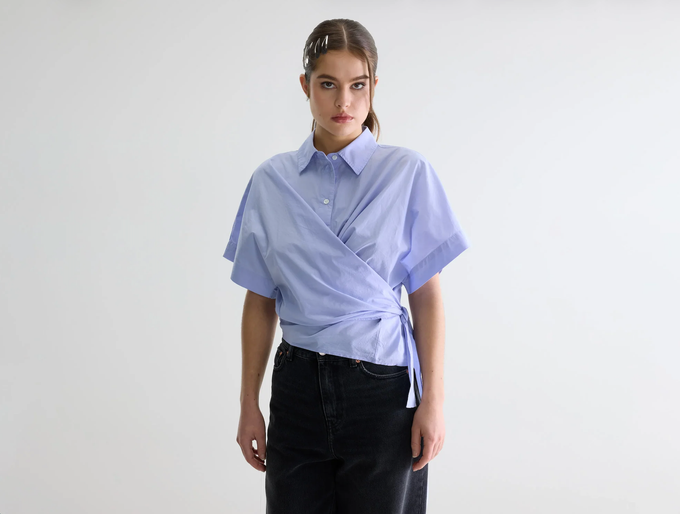
Brands like Uniqlo have popularized the Oxford shirt in "boxy" or "cropped" iterations. The Oxford fabric provides a necessary stiffness that holds its shape, preventing the wearer from looking "swallowed" by excess material. Similarly, the workwear aesthetic—exemplified by brands like Dickies—offers heavy-duty cotton shirts with structured falls. These pieces are particularly effective when paired with high-waisted trousers, as they define the torso without adding unnecessary bulk.
Knitwear and Feminine Blouses
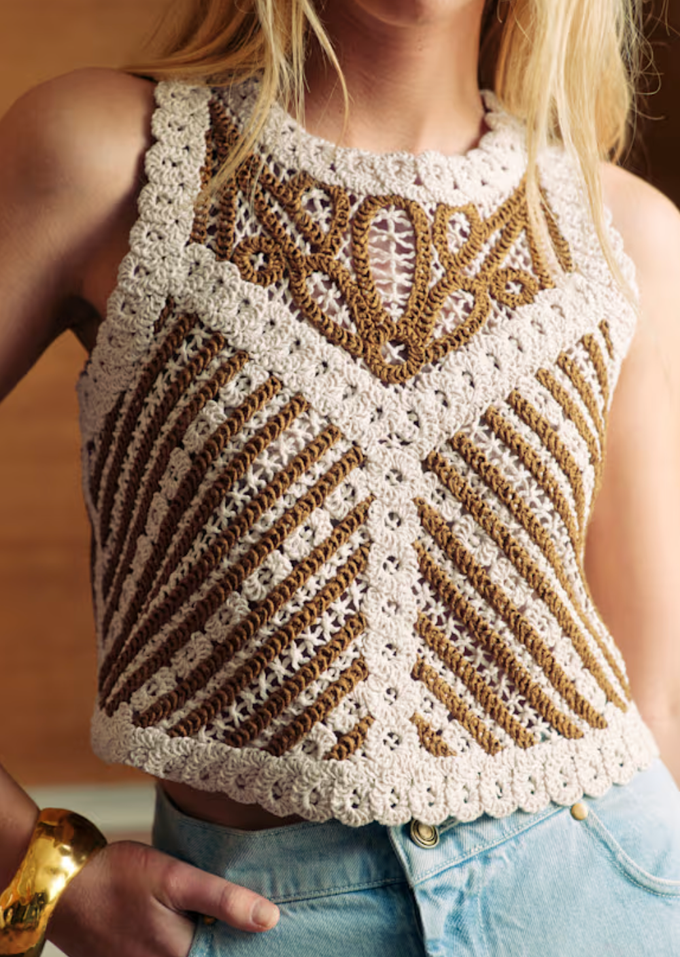
For a more sophisticated or "chic" aesthetic, the use of macramé, crochet, and lace provides texture without heaviness. Sèzane’s Ilona blouse and Bellerose’s Coral tie-blouse are prime examples of how shorter hemlines can be combined with intricate detailing. These garments allow for versatility; they can be knotted or tucked to further emphasize the waist. The "Baby Tee" trend, revived by labels like Organic Basics, offers a cintrée (fitted) option that respects the natural proportions of a smaller frame, providing a streamlined base for layering.
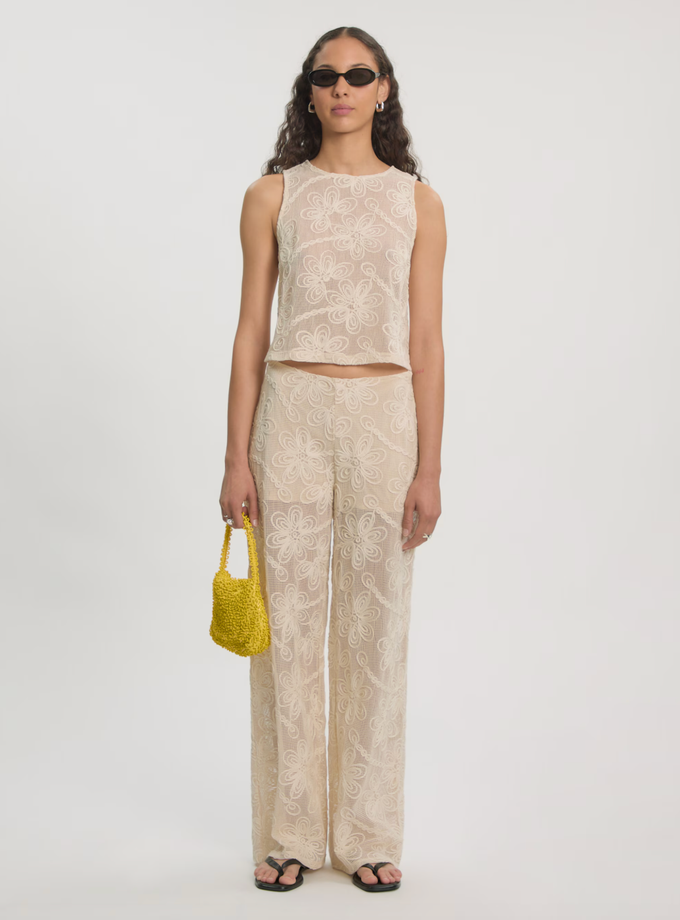
Lower-Body Dynamics: Waistlines and Verticality
The choice of trousers, skirts, and shorts is perhaps the most critical factor in petite styling. The objective is almost always to raise the perceived starting point of the legs.
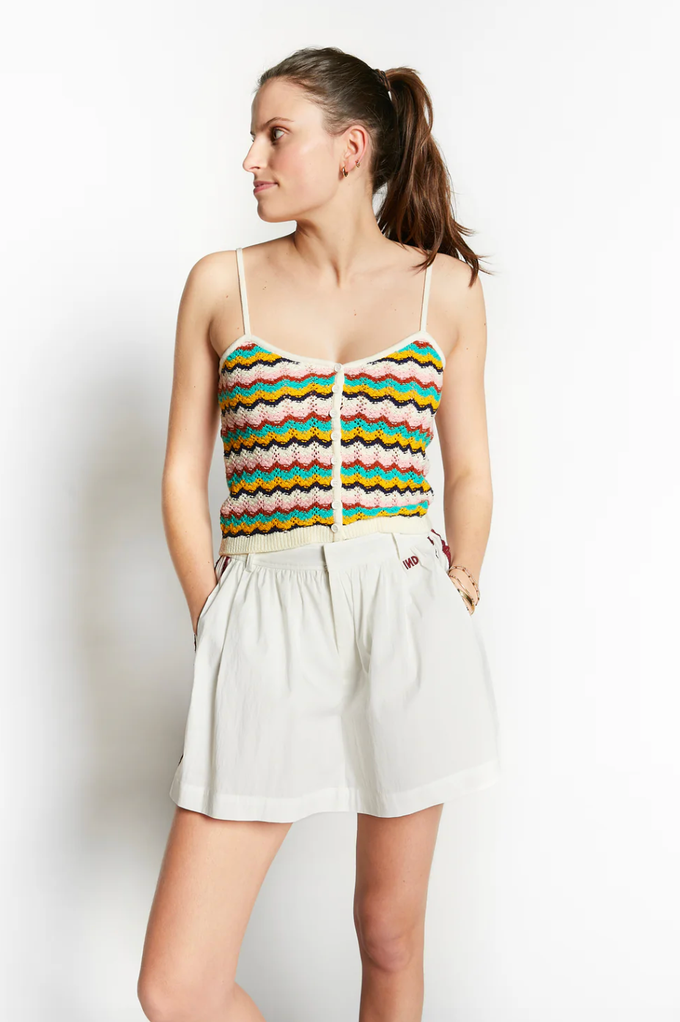
High-Rise Trousers and Vertical Patterns
High-waisted cuts are the gold standard for petite fashion. By sitting at the narrowest part of the torso, these garments extend the visual line of the leg significantly. The Mimi Straight trousers from Âme Antwerp demonstrate the dual power of a high rise combined with vertical pinstripes. This combination is a classic sartorial tool for elongation.
The "Barrel" and "Balloon" Fit Phenomenon
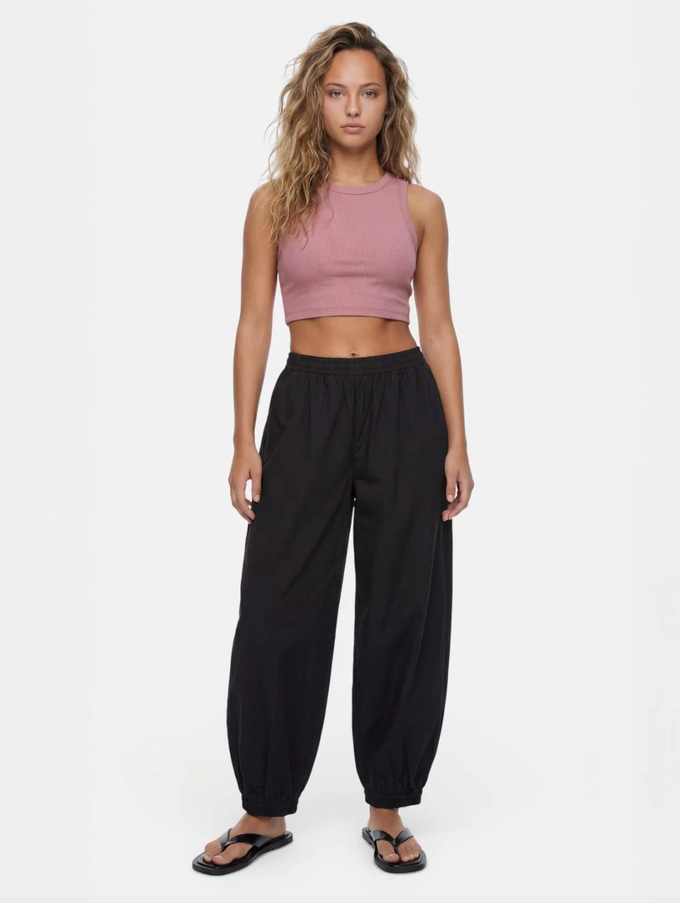
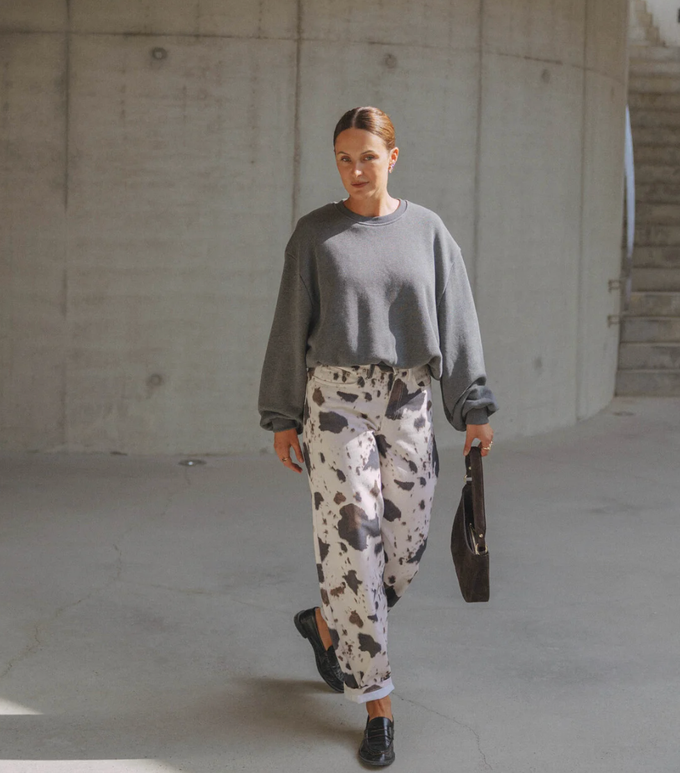
A more contemporary trend is the "barrel" or "balloon" pant, characterized by a wide leg that tapers at the ankle. While it may seem counterintuitive for a shorter person to wear wide-leg trousers, the tapered ankle prevents the fabric from dragging and maintains a clear silhouette. American Vintage and Les Sœurs have successfully integrated these cuts into their collections, often using bold prints like cow patterns or vibrant blues to prove that petite fashion does not have to be muted or overly conservative.
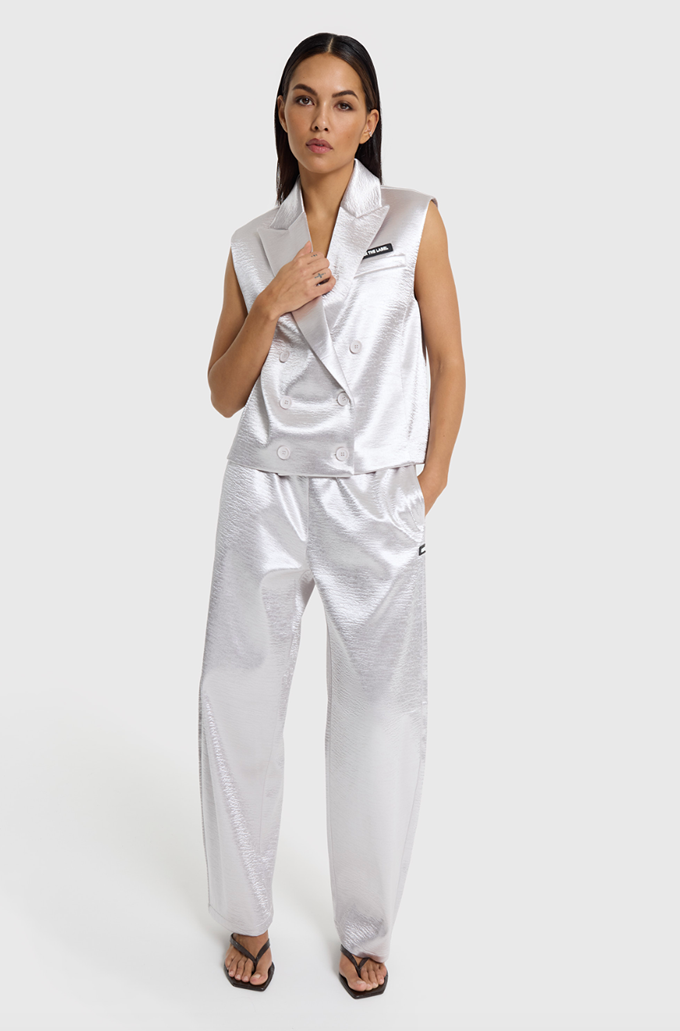
Hemline Management: Skirts and Bermudas
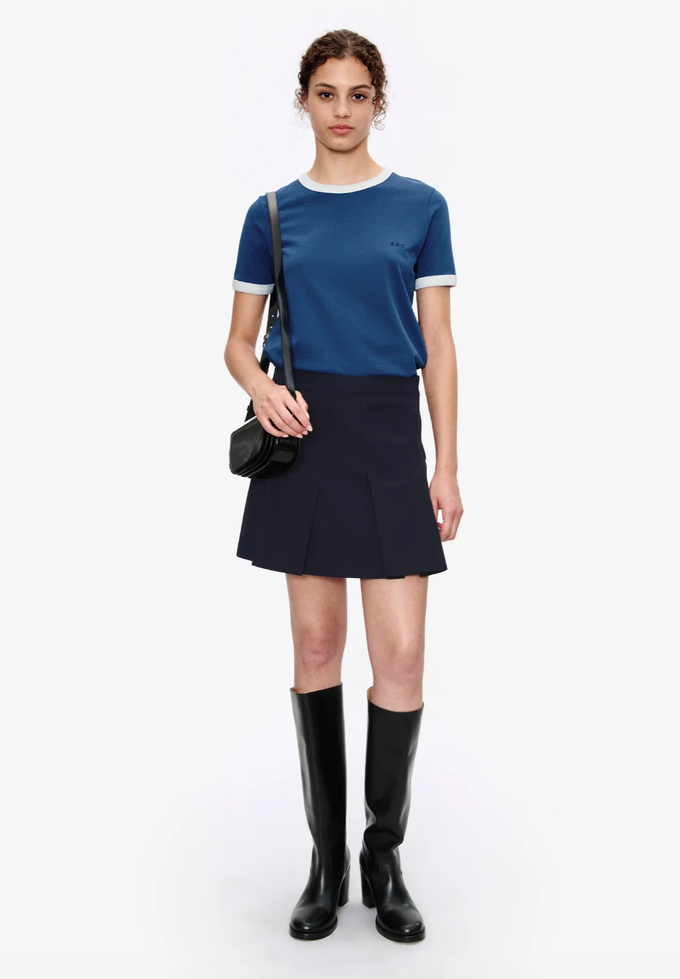
Short skirts, such as those from A.P.C. or Laagam, are inherently beneficial for shorter statures as they expose more of the leg, creating a sense of height. However, for those who prefer more coverage, the high-waisted Bermuda short is an effective alternative. It provides the structure of a trouser with the lightness of a summer garment, ensuring that the proportions remain balanced.
The Importance of Customization and the "Tailoring Advantage"
While ready-to-wear options are expanding, the most successful petite wardrobes often involve some degree of customization. Industry experts suggest that learning basic sewing skills—specifically the ability to hem trousers and adjust sleeve lengths—is a transformative asset for anyone under 160 centimeters.
The "DIY" or "Mending" movement has gained traction as a sustainable alternative to fast fashion. By purchasing high-quality garments and tailoring them to their specific measurements, petite consumers can ensure a bespoke fit that mass-produced items rarely achieve. This practice not only improves the aesthetic outcome but also extends the lifecycle of the clothing, aligning with modern sustainability goals.
Market Analysis: Implications for the Global Fashion Industry
The shift toward height-inclusive fashion reflects a broader trend toward "Body Neutrality" and "Inclusive Design." As data analytics allow brands to better understand their customer demographics, we are seeing an increase in "Petite" specific lines. However, the future of the industry likely lies in "Universal Design" principles, where garments are designed with adjustable elements—such as multiple button placements, drawstrings, and intentional cuffing—to accommodate various heights.
Economically, brands that cater to the petite demographic see a reduction in "churn" and an increase in brand loyalty. When a consumer finds a brand that understands the technical requirements of a 155cm frame, they are statistically more likely to return to that brand for future purchases. This has led to a competitive landscape where even streetwear brands like Carhartt WIP are refining their cuts to ensure their iconic jackets do not overwhelm smaller frames.
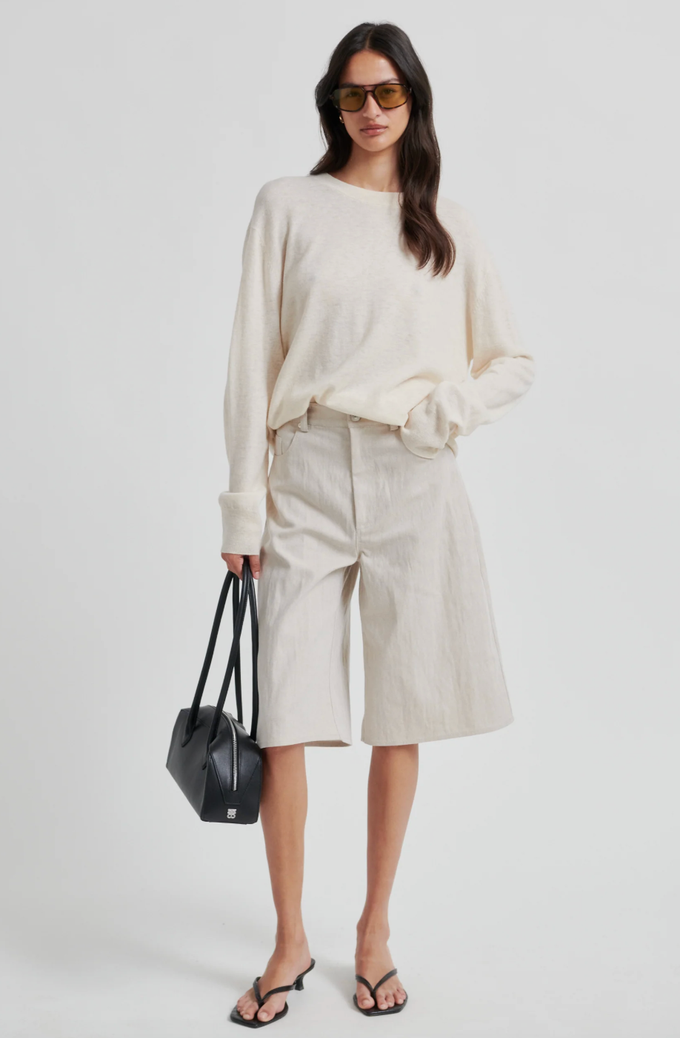
Conclusion: A Shift Toward Proportional Intelligence
Navigating the fashion world as a petite individual is a lesson in proportional intelligence. It is a move away from the "one size fits all" mentality and toward a more nuanced understanding of how fabric interacts with the human form. By prioritizing high-waisted silhouettes, cropped upper layers, and structured fabrics, those under 160 centimeters can reclaim their presence in a market that has historically overlooked them.
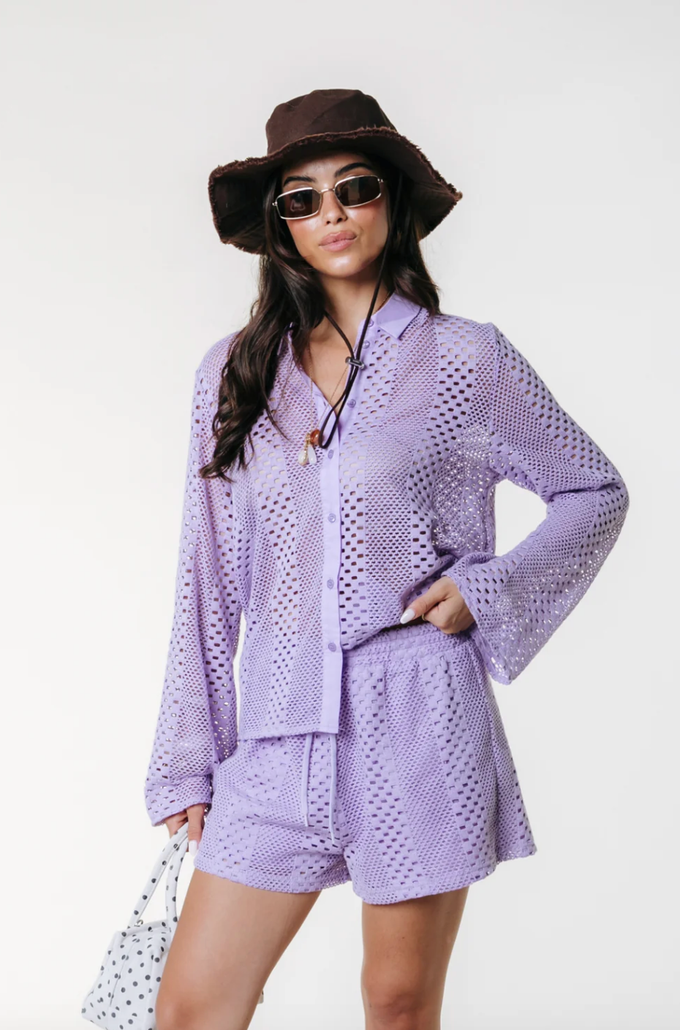
The integration of specific items—from the Uniqlo Oxford to the Sèzane blouse—serves as a roadmap for building a versatile and flattering dressing room. Ultimately, the goal of petite fashion is not to hide one’s height, but to celebrate it through garments that are as well-proportioned as they are stylish. As the industry continues to evolve, the focus will remain on the intersection of fit, functionality, and the timeless pursuit of sartorial confidence.