H&M and Stella McCartney Reunite for a Landmark 20th Anniversary Capsule Collection Merging Sustainable Innovation with High Fashion Heritage

The global fashion landscape is bracing for a significant milestone as H&M announces a renewed partnership with British design pioneer Stella McCartney, marking exactly two decades since their first ground-breaking collaboration. Scheduled for a global release on May 7, the upcoming capsule collection represents a full-circle moment for both the retail giant and the designer, who was among the first to bridge the gap between luxury couture and high-street accessibility. This anniversary collection is not merely a retrospective but a strategic fusion of McCartney’s archival triumphs and cutting-edge sustainable textile technology, signaling a new chapter in the "masstige" fashion movement that the duo helped pioneer in 2005.
A Legacy of Accessibility and Luxury
The history of designer collaborations at H&M began in 2004 with Karl Lagerfeld, but it was the 2005 partnership with Stella McCartney that solidified the concept as a cultural phenomenon. At the time, the idea of a high-end designer creating a collection for a mass-market retailer was viewed with skepticism by the fashion elite. However, the 2005 launch saw unprecedented demand, with items selling out in minutes and establishing a blueprint for the "drop" culture that dominates the industry today.
Twenty years later, the landscape has shifted, yet the core appeal remains the same: the democratization of high design. Stella McCartney, the daughter of Sir Paul McCartney, has spent the intervening decades building an empire rooted in ethical luxury and Savile Row-inspired tailoring. By returning to H&M, she aims to revisit the silhouettes that defined her early career while utilizing H&M’s massive supply chain to prove that sustainable fashion can be scaled to a global audience.
“I see this collection as a journey through my own history,” McCartney stated during the collection’s unveiling. “It is a mix of contemporary classics and some of my favorite pieces from the beginning. It is a playful, powerful, joyful, sparkling, and sophisticated collection.”
Strategic Focus on Sustainable Innovation
While the aesthetic of the collection draws heavily from McCartney’s archives, the manufacturing processes are firmly rooted in the future. As a lifelong vegetarian and a pioneer in animal-free fashion, McCartney has leveraged this collaboration to push H&M’s sustainability boundaries. The collection features a robust selection of eco-friendly materials, including recycled polyester, organic cotton, and RWS-certified (Responsible Wool Standard) wool.
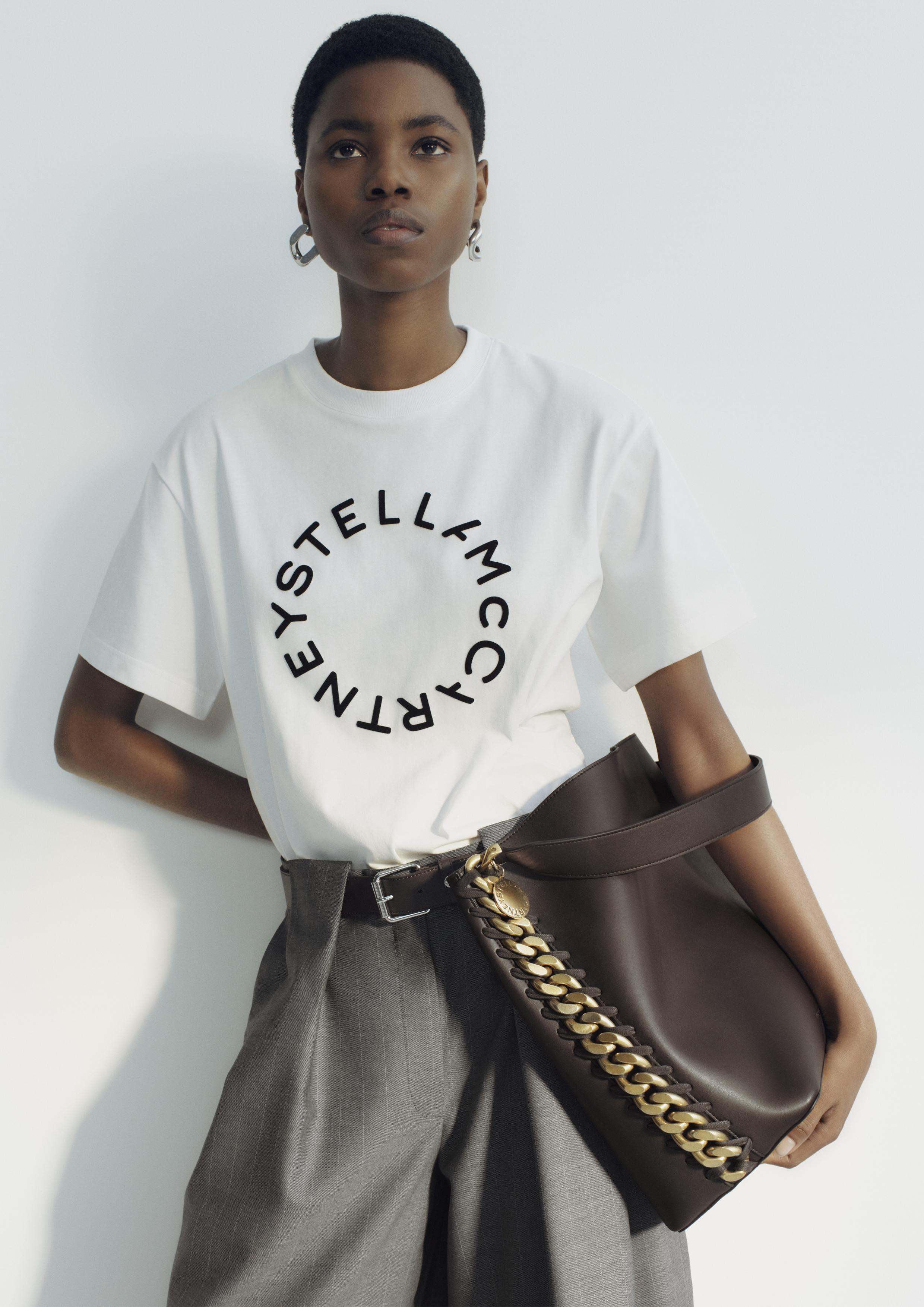
Perhaps most notable is the introduction of innovative bio-based coatings. Several pieces in the collection utilize finishes derived from maize and recycled oils, offering a high-performance alternative to traditional petroleum-based synthetic coatings. This move aligns with H&M’s broader corporate goal to ensure that 100% of their materials are either recycled or sourced in a more sustainable way by 2030.
Ann-Sofie Johansson, Creative Advisor at H&M, emphasized the importance of McCartney’s vision in this context. “Stella has always had a bold vision for fashion,” Johansson noted. “Her commitment to ethical production has pushed the entire industry forward, and this collection is a testament to how far we have come in making sustainable luxury a reality for more people.”
Chronology of the H&M Designer Series
To understand the weight of this 20th-anniversary reunion, one must look at the timeline of H&M’s designer collaborations, which have become a cornerstone of the brand’s identity:
- 2004: Karl Lagerfeld kicks off the series, proving that luxury and high street can coexist.
- 2005: Stella McCartney launches her first collection with H&M, focusing on feminine tailoring and bohemian silhouettes.
- 2010: Lanvin’s Alber Elbaz brings high-drama couture to the masses.
- 2011: Versace creates a neon-soaked, print-heavy collection that remains a favorite among collectors.
- 2015: Balmain by Olivier Rousteing causes retail chaos, with queues forming days in advance.
- 2023: Mugler and Rabanne collaborations explore avant-garde aesthetics and party-wear.
- 2025: The 20th-anniversary reunion with Stella McCartney marks a return to the series’ roots, emphasizing longevity and ethical evolution.
Detailed Analysis of the Capsule Collection
The May 7 release is structured as an "ideal capsule wardrobe," designed to be modular and versatile. The aesthetic language is a "best of" Stella McCartney, featuring sharp tailoring, whimsical prints, and the bold hardware that has become her signature.
The Iconic Falabella Reimagined
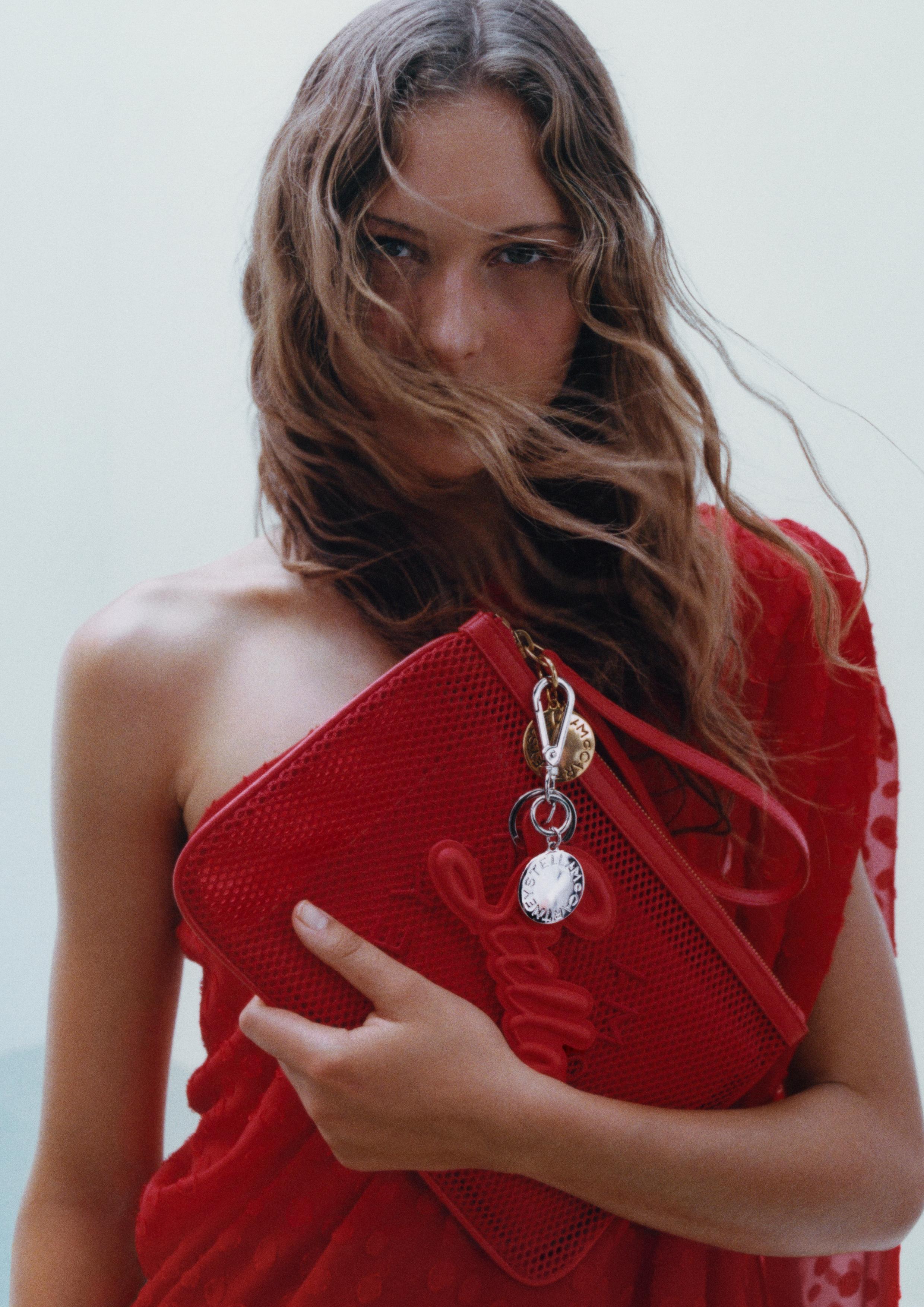
A centerpiece of the collection is the return of the Falabella-inspired hardware. First introduced in her main line in 2010, the chain-link detail became an instant icon of "cruelty-free" luxury. For the H&M collaboration, the Falabella returns in a mesh format, priced at 199 euros, offering a modern, lightweight take on the classic design.
Tailoring and Silhouettes
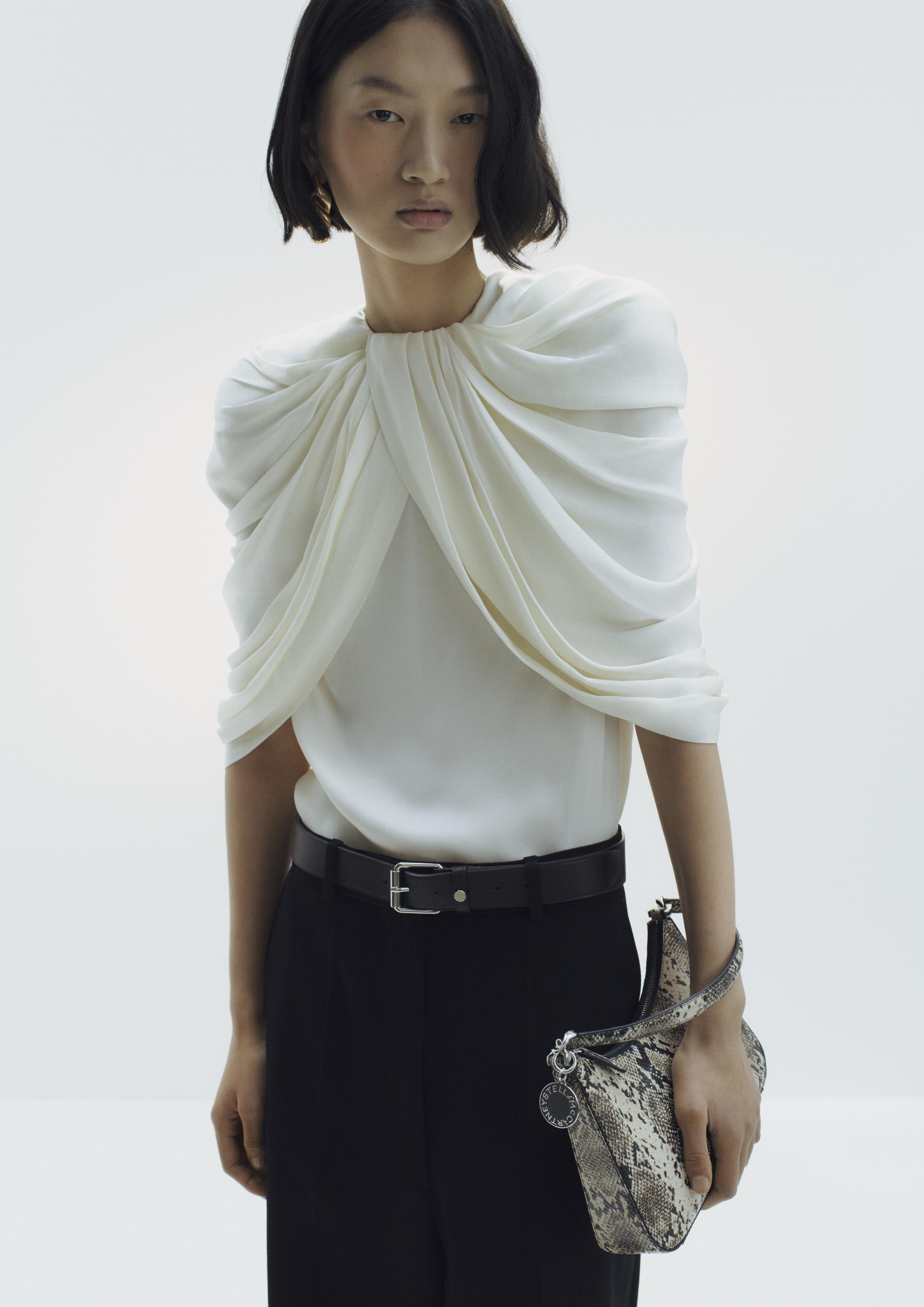
The collection heavily features loose, fluid silhouettes that reflect McCartney’s training at Central Saint Martins and her apprenticeship on Savile Row. A draped blouse (89.99 euro) and a structured minidress (129 euro) showcase the designer’s ability to balance masculine structure with feminine softness.
The Archive Prints
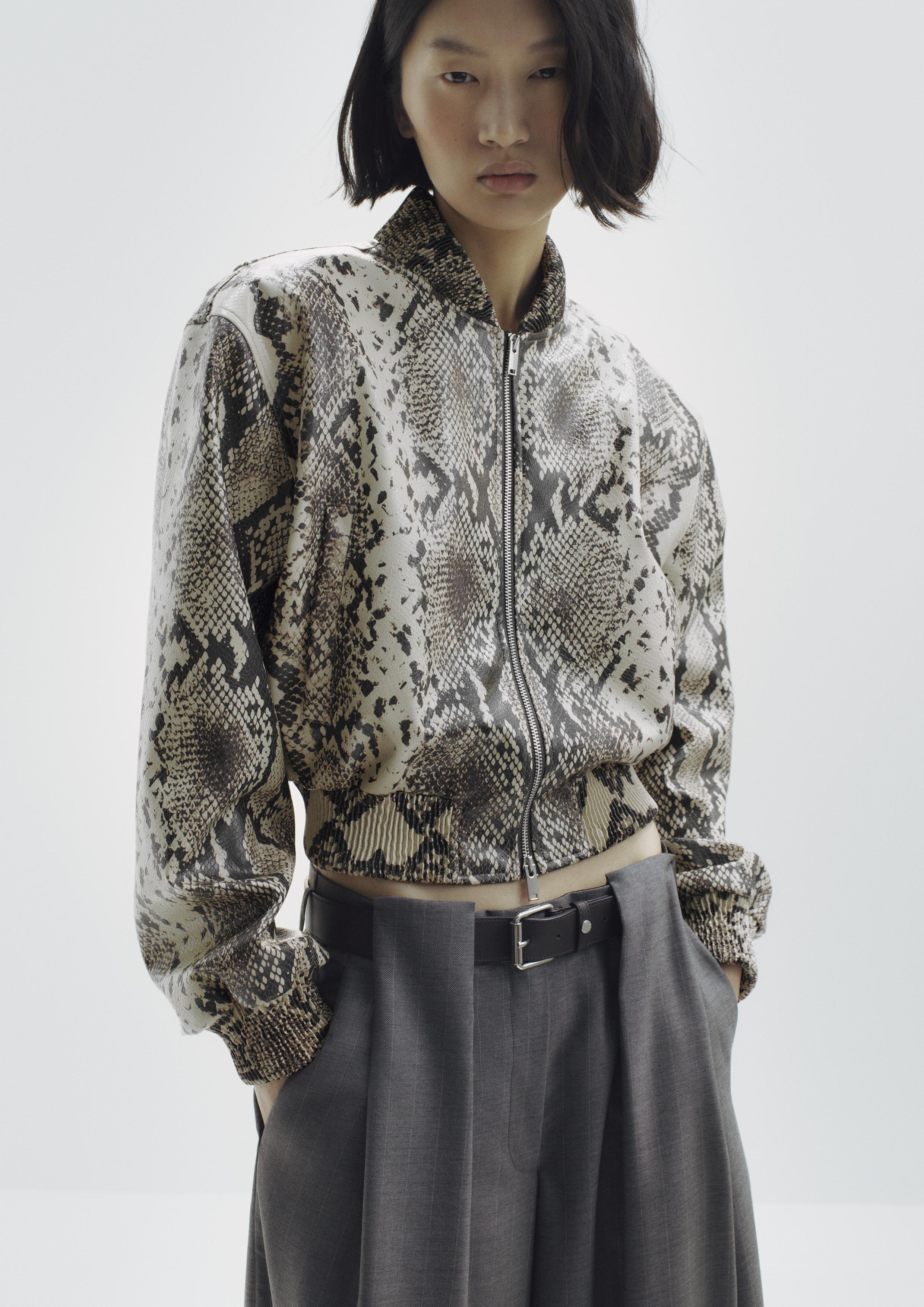
Fans of McCartney’s early work will recognize the cherry motif and the snake-effect prints. The cherry-patterned dress (249 euro) serves as a nod to her tenure at Chloé and her early eponymous collections, which often featured playful, nature-inspired graphics. Crucially, the snake-print jacket (199 euro) is entirely vegan, utilizing the aforementioned bio-based coatings to achieve a realistic texture without the use of animal skins.
The Top 10 Must-Have Pieces
Retail analysts predict that the following ten items will be the first to sell out when the collection goes live:
- The Mesh Falabella Bag (199 euro): A high-value accessory that brings a signature luxury look to the high street.
- The Draped Blouse (89.99 euro): A versatile staple for professional and evening wear.
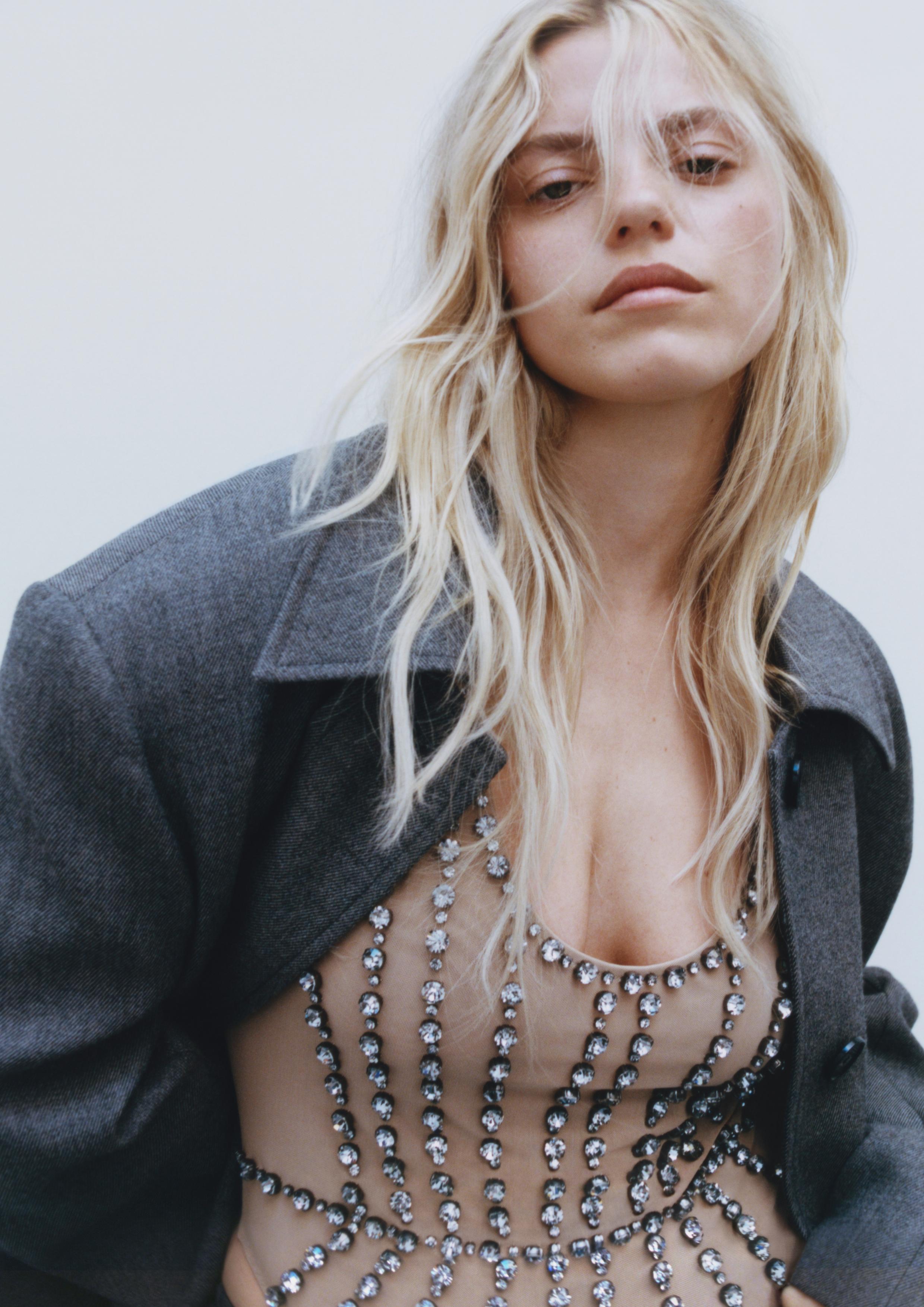
- The Studded Corset Top (199 euro): Combining "couture allure" with edgy, rock-and-roll details like rhinestones and studs.
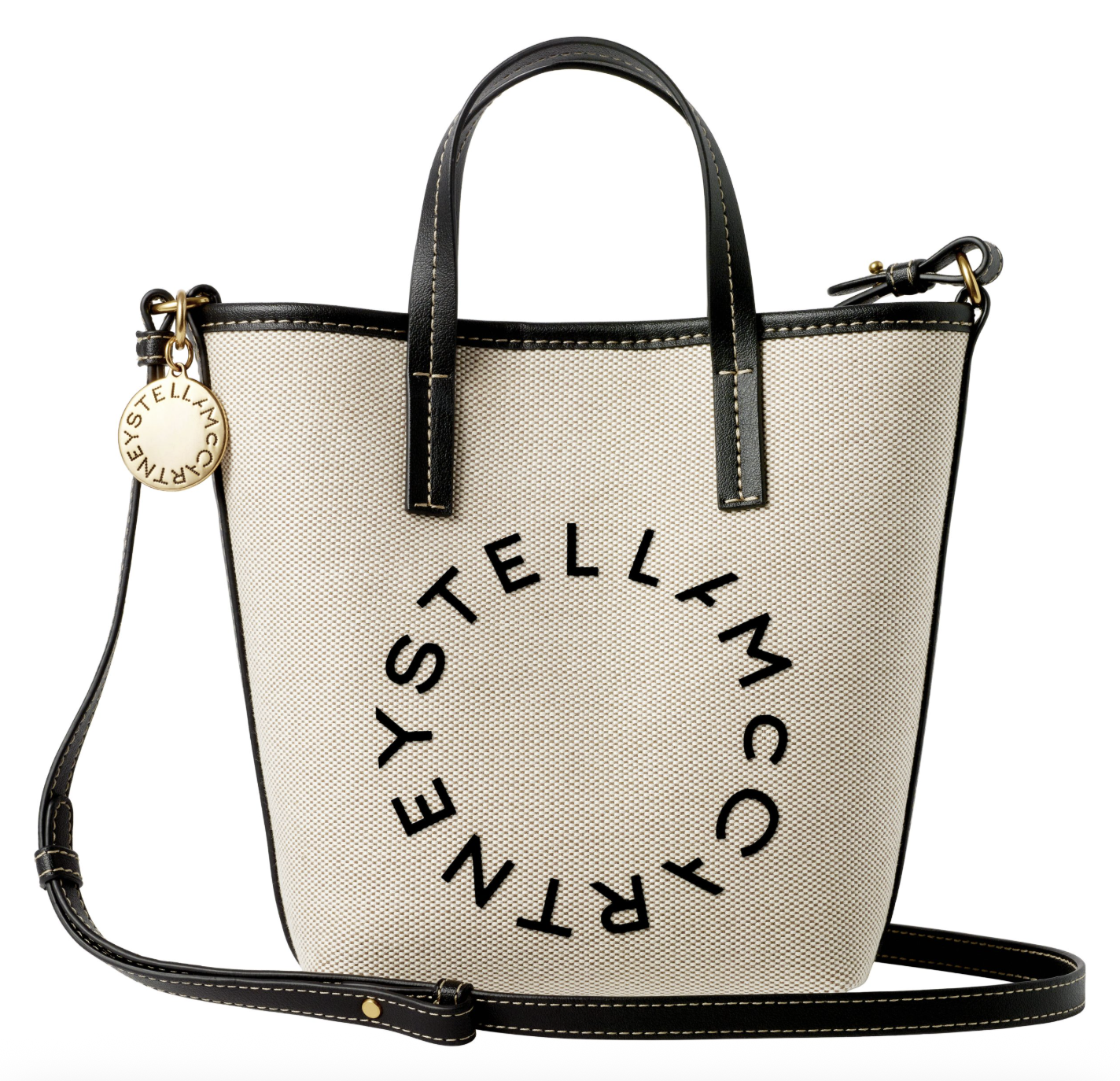
- The Logo Tote (79.99 euro): A more accessible entry point for brand enthusiasts.
- The Faux Snake-Print Jacket (199 euro): A showcase of the collection’s sustainable coating technology.
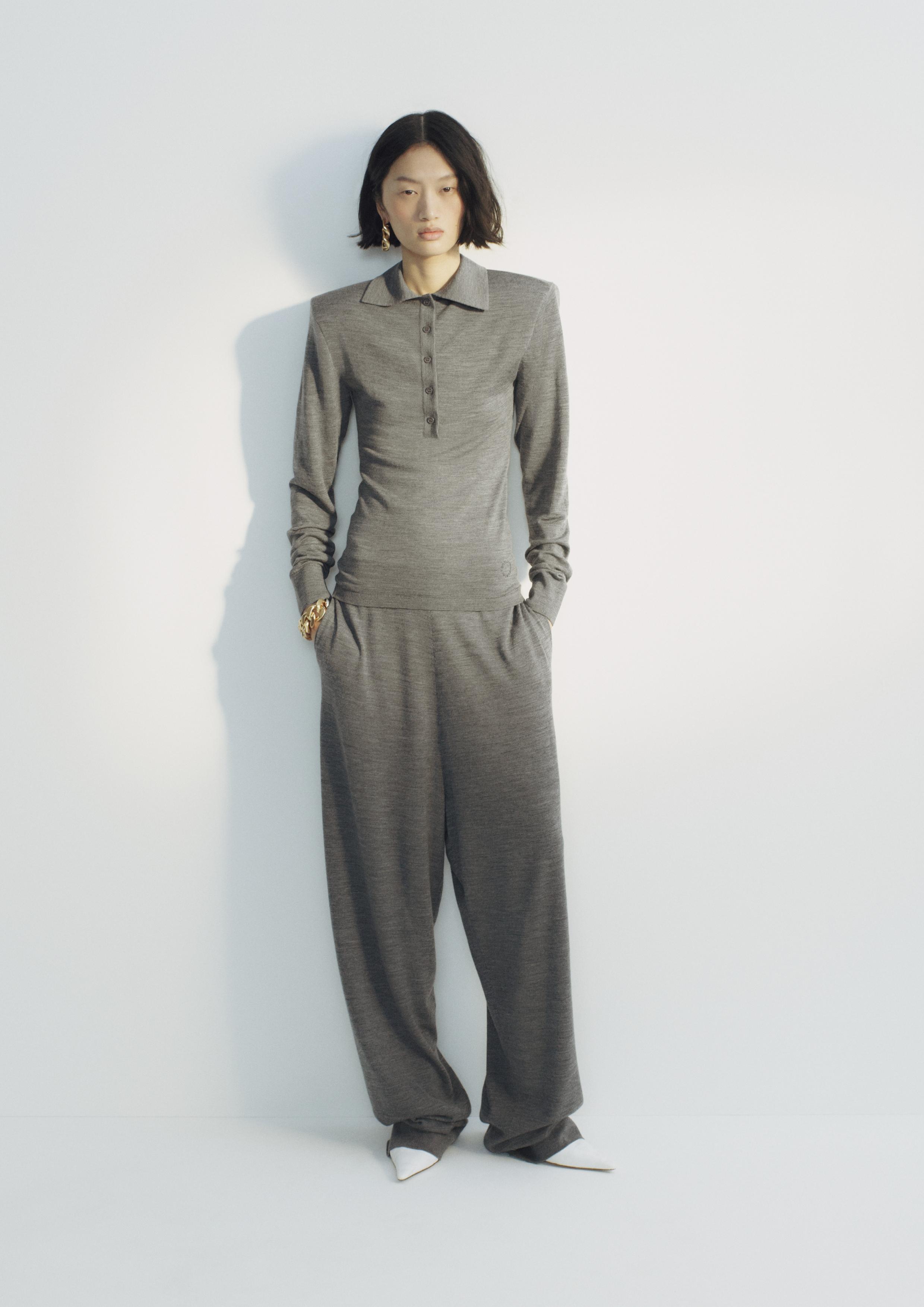
- The Loungewear Set (Top 89.99 / Trousers 79.99 euro): Reflecting the post-pandemic shift toward "elevated comfort."
- The Red Clutch (49.99 euro): A pop of color designed for the summer event season.
- The Cherry Print Dress (249 euro): The most expensive item in the collection, likely to become a collector’s piece.
- The Lace-Detail T-Shirt (99 euro): Merging casual wear with delicate, high-end craftsmanship.
- The Structured Minidress (129 euro): A classic "Little Black Dress" reimagined with McCartney’s signature proportions.
Market Implications and Retail Strategy
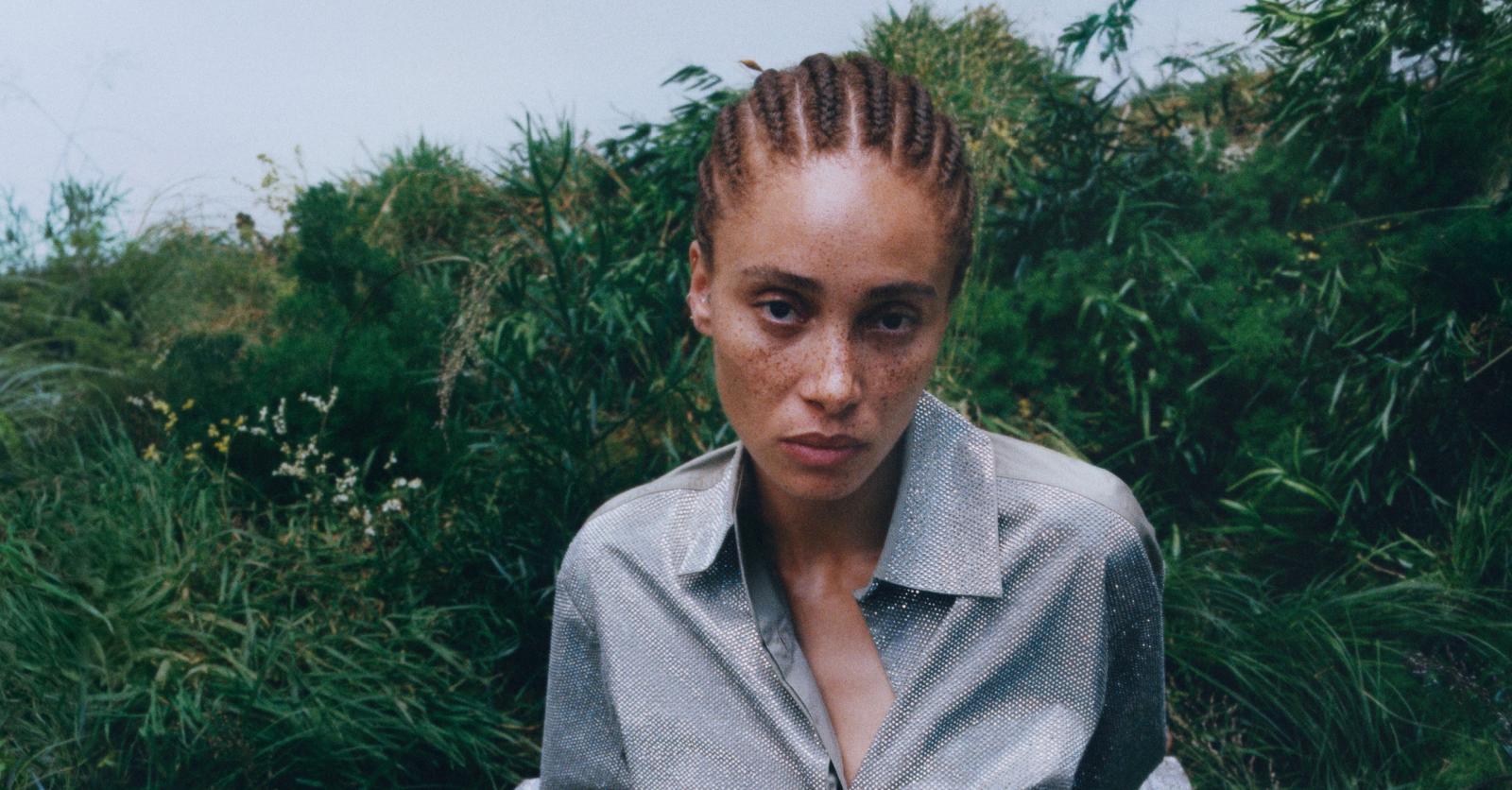
The campaign, photographed in London by Sam Rock, emphasizes a raw, authentic energy that contrasts with the polished nature of traditional luxury advertising. This stylistic choice reflects a broader trend in the fashion industry toward "approachable aspirationalism."
From a business perspective, this collaboration serves multiple purposes. For H&M, it reinforces their position as a leader in sustainable retail and a curator of high-end design. For Stella McCartney, it provides a platform to spread her ethical message to a demographic that might be priced out of her main-line collections.
The "scarcity model" will once again be in full effect. By limiting the release to May 7 and selecting only specific flagship boutiques alongside the online store, H&M ensures that the collection remains "exclusive" despite its mass-market production. This strategy is essential for maintaining the prestige of the guest designer’s brand while driving massive traffic to H&M’s digital and physical platforms.
Broader Impact on the Fashion Industry
The H&M x Stella McCartney 20th-anniversary collection arrives at a time when the fashion industry is under intense scrutiny regarding its environmental impact. By highlighting bio-based materials and recycled textiles in such a high-profile launch, the collaboration sets a precedent for other retailers. It demonstrates that "fast fashion" infrastructure can be repurposed to support circular economy goals, provided there is a commitment to material innovation.
Furthermore, the collection taps into the "vintage revival" trend. By looking back at her own history, McCartney is catering to a Gen Z and Millennial audience that is currently obsessed with early-2000s (Y2K) aesthetics. The re-release of archival-inspired pieces allows the brand to capitalize on nostalgia while maintaining a modern ethical standard.
As the May 7 launch date approaches, the industry will be watching closely to see if the "Stella Effect" remains as potent as it was in 2005. Given the current appetite for sustainable luxury and the enduring popularity of McCartney’s design language, all signs point to a sell-out success that will further cement the legacy of this historic partnership.