Brussels Minister-President Boris Dilliès Calls for Continued Dialogue Amidst Firefighter Strike

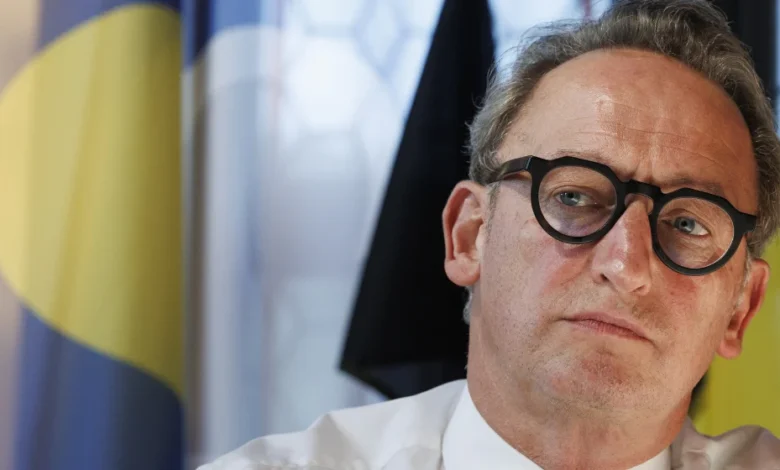
The ongoing strike by Brussels firefighters, which began on Tuesday, continued into Wednesday, with union representatives reporting an escalation in participation. According to the General Confederation of Public Services (CGSP), the mobilization intensified compared to the previous day, and teams scheduled for the coming days have also indicated their intention to extend the industrial action, a move being coordinated across multiple trade unions. In response to the social movement, Brussels Minister-President Boris Dilliès met with representatives of the firefighter unions on Wednesday. His stated objective was to listen to their concerns and explore potential avenues for addressing the operational difficulties faced by emergency personnel on the ground.
Escalating Strike Action and Government Engagement
The Brussels fire department’s industrial action, initiated on Tuesday, saw a significant uptick in participation by Wednesday. The CGSP, a prominent union involved in the strike, highlighted that the number of participating firefighters had increased, signaling a growing momentum behind the movement. This escalation suggests that the grievances driving the strike are deeply felt and are resonating with a larger segment of the firefighting workforce. The coordinated nature of the strike, conducted under a united union front, underscores a collective determination to see their demands addressed.
Minister-President Boris Dilliès acknowledged the seriousness of the situation by convening a meeting with union leaders. This engagement signals the regional government’s recognition of the strike’s impact and its willingness to initiate dialogue. The explicit aim of the meeting, as communicated by Dilliès, was to gain a comprehensive understanding of the firefighters’ preoccupations and to collaboratively identify practical solutions for the challenges they are encountering in their daily operations. This proactive step, while not immediately resolving the strike, represents a crucial move towards de-escalation and problem-solving.
Acknowledging Essential Service and Ongoing Efforts
In a statement released following the meeting, Minister-President Dilliès underscored the critical importance of the Brussels Fire Brigade (SIAMU) and the dedication of its personnel. "The Brussels government wishes, above all, to commend the daily commitment of the women and men of the SIAMU. Their mission is essential to the safety of Brussels residents," Dilliès stated. This acknowledgment serves to validate the firefighters’ contributions and to frame the ongoing negotiations within the context of public safety and service provision.
Dilliès further outlined measures that have already been implemented or are in the process of being rolled out to strengthen the SIAMU. He highlighted that several initiatives aimed at the sustainable reinforcement of the service have been initiated. These include the recruitment of new firefighters, with a target of 40 additional personnel by the end of the current year. Furthermore, new selection procedures are being introduced to bolster the long-term strength of the firefighting teams. Significant investments are also being made to modernize the infrastructure and enhance the operational capabilities of the service, reflecting a commitment to improving the working conditions and effectiveness of the SIAMU.
Sticking Points and the Path Forward
Despite these stated efforts, the Minister-President acknowledged that divergences persist on specific demands and the pace of implementing certain measures. He emphasized that the Brussels government remains convinced that lasting solutions can only be achieved through sustained dialogue and consultation. "The safety of Brussels residents remains the absolute priority. The government therefore calls for the continuation of exchanges in a spirit of responsibility, to enable the search for concrete solutions for the benefit of both the personnel and the population," Dilliès urged. This statement underscores the government’s commitment to finding common ground while reinforcing the paramount importance of public security.
Dilliès also alluded to the complex nature of the situation the government inherited. He noted that his administration is dealing with a "very complicated situation" and that the current government agreement aims to provide comprehensive responses to these long-standing issues. This contextualization suggests that the current challenges are not entirely new and that the government is working within a framework designed to address systemic problems within the SIAMU.
Background and Context of the Strike
The current strike action by Brussels firefighters is not an isolated incident but rather a manifestation of ongoing concerns regarding working conditions, staffing levels, and resource allocation within the SIAMU. While the specific triggers for the recent escalation may be recent, the underlying issues have likely been simmering for some time. Firefighting services are inherently demanding, requiring a high level of physical and mental resilience, specialized training, and robust operational support. Any deficiencies in these areas can have direct implications for the safety of both the firefighters and the public they serve.
Historical Precedents and Union Demands
While specific details of the firefighters’ current demands are not fully elaborated in the provided text, typical concerns in such industrial actions often revolve around:
- Staffing Levels: Insufficient numbers of firefighters can lead to increased workload, longer response times, and compromised safety during incidents. This can be exacerbated by an aging workforce and difficulties in recruitment and retention.
- Working Conditions: This can encompass a range of issues, including the condition of equipment and facilities, the fairness of shift patterns, and the availability of adequate rest periods. Modernization of aging infrastructure and equipment is often a key demand.
- Compensation and Benefits: While not always the primary driver, fair remuneration and comprehensive benefits packages are essential for attracting and retaining skilled personnel in a demanding profession.
- Operational Resources: This includes the availability of modern and well-maintained emergency vehicles, protective gear, and technological tools that enhance operational efficiency and safety.
- Recognition and Respect: Beyond material concerns, firefighters often seek recognition for the risks they undertake and assurance that their concerns are taken seriously by management and government authorities.
The fact that the strike is a "front commun syndical" (united union front) suggests a broad consensus among different firefighter unions regarding the severity of the issues and the need for collective action. This unified approach often lends greater weight to their demands and negotiations.
Supporting Data and Analysis
To fully understand the implications of this strike, it is helpful to consider some general data points relevant to emergency services and their operations in urban environments like Brussels:
- Response Times: In densely populated urban areas, rapid response is critical. Delays can significantly impact the outcome of fires, medical emergencies, and other critical incidents. Studies consistently show a correlation between staffing levels and the ability to meet target response times.
- Workforce Demographics: Many public safety services are facing an aging workforce. This necessitates robust recruitment and retention strategies to ensure a sustainable future workforce. Difficulties in attracting younger candidates can be linked to perceptions of working conditions, pay, and the demanding nature of the job.
- Investment in Infrastructure: Modernizing fire stations, equipment, and communication systems requires significant capital investment. Outdated facilities can hinder operational effectiveness and pose safety risks.
- Impact of Understaffing: Understaffing can lead to increased stress on existing personnel, higher rates of burnout, and potential compromises in the quality of service delivery. This can, in turn, lead to further recruitment challenges.
The Brussels region, as a major European capital, faces unique challenges in maintaining its emergency services. The city’s infrastructure, population density, and the complex nature of its economy and daily life all contribute to the demands placed on the SIAMU.
Potential Implications of the Strike
The ongoing strike, even if partial, carries several potential implications:
- Reduced Emergency Response Capacity: While essential services are often maintained during strikes, the overall capacity to respond to all emergencies may be diminished. This could lead to longer waiting times for non-life-threatening incidents or require mutual aid from neighboring regions, potentially stretching their resources.
- Public Concern and Confidence: Prolonged industrial action by essential service providers can erode public confidence in the government’s ability to manage public services effectively. It can also create anxiety among residents concerned about their safety.
- Economic Impact: While less direct, disruptions to emergency services can have indirect economic consequences. For example, delayed responses to industrial fires or accidents could lead to greater property damage and business interruption.
- Strain on Inter-Agency Relations: If mutual aid is required from other emergency services or neighboring regions, it can place additional strain on their resources and potentially lead to inter-agency tensions if agreements are not well-defined.
Broader Impact and Future Outlook
The commitment to dialogue expressed by Minister-President Dilliès is a positive sign, but the success of these negotiations will depend on the willingness of both parties to compromise and find mutually agreeable solutions. The government’s acknowledgment of the SIAMU’s essential role and the mention of concrete steps taken to improve the service are crucial elements in building trust. However, the persistence of the strike indicates that the firefighters and their unions believe these measures are either insufficient or not being implemented quickly enough to address their core concerns.
The current situation highlights the ongoing challenge faced by many metropolitan areas in ensuring that their emergency services are adequately staffed, equipped, and supported to meet the demands of a modern urban environment. The Brussels firefighters’ strike serves as a stark reminder of the critical importance of these services and the need for sustained investment and attention to the well-being of the personnel who provide them. The coming days will be crucial in determining whether the dialogue initiated by Minister-President Dilliès can lead to a resolution that restores full operational capacity and addresses the underlying issues that have led to this industrial action. The ultimate goal, as stated by the Minister-President, remains the safety and security of all Brussels residents, a goal that is best achieved through a well-resourced and motivated firefighting force.