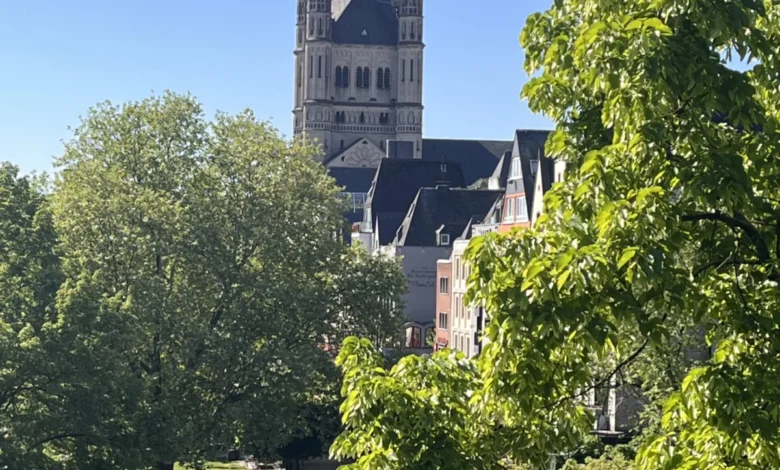
Cologne, a city renowned for its magnificent Gothic cathedral and vibrant cultural scene, stands as a compelling destination for beer tourism, boasting a brewing heritage as profound as its iconic spires are soaring. This Rhineland capital offers a unique and immersive experience, where the production and consumption of beer are intricately woven into the fabric of daily life, local traditions, and the city’s very identity. Unlike many European cities that package their beverage culture for mass consumption, Cologne presents an authentic, lived experience, making it a prime example of what genuine craft beer travel can and should entail.
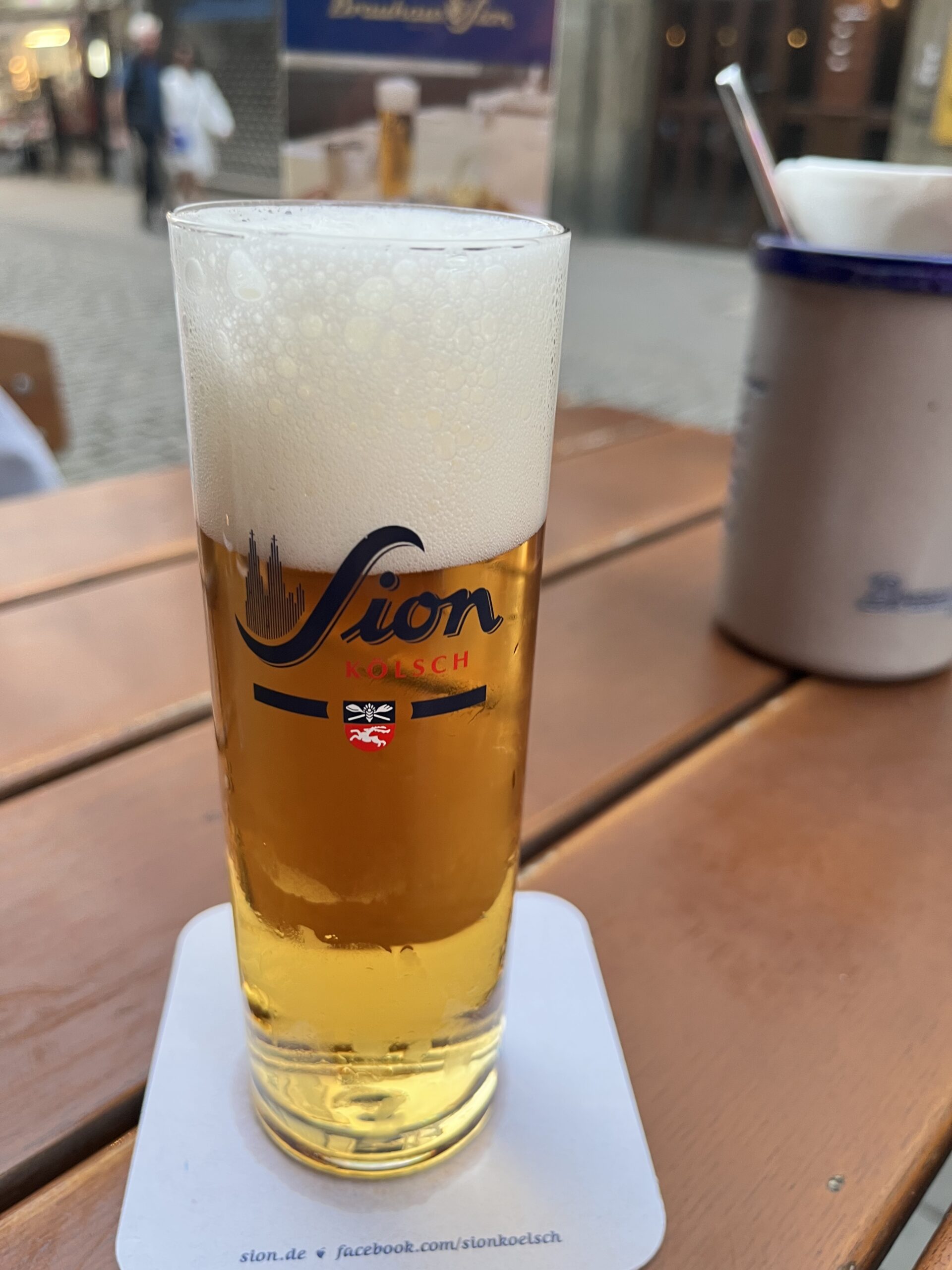
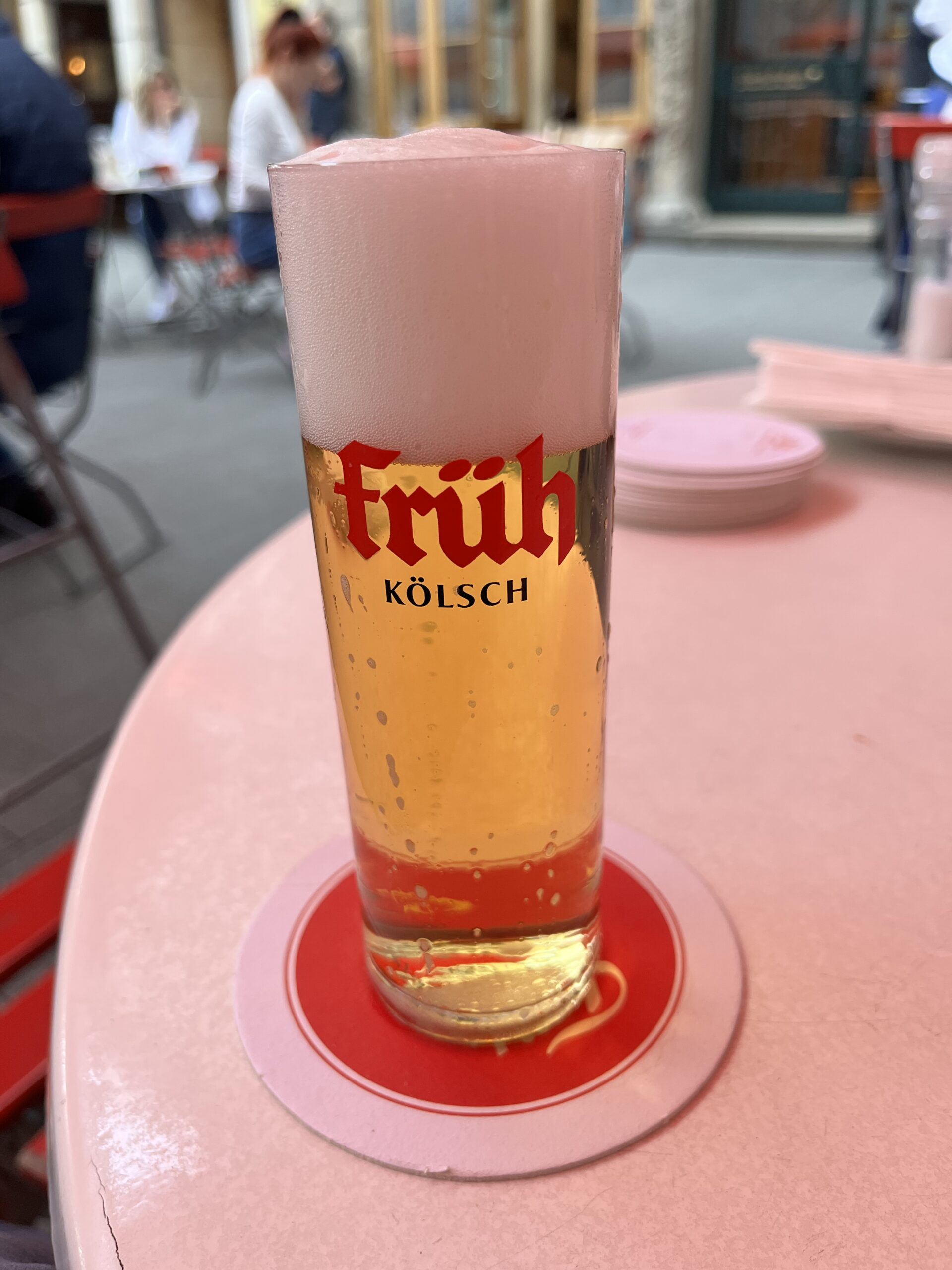
The heart of Cologne’s beer culture beats within its traditional Brauhäuser, establishments that have served as social hubs for generations. Stepping into one of these venerable institutions, visitors are often greeted not with a menu, but with a silent, elegant ritual. The waiter, known locally as a Köbes, will simply place a small, 200ml glass of Kölsch on your table and make a discreet mark on your coaster. This practice, seemingly simple, represents one of Europe’s last truly living beer rituals, a testament to a tradition that has endured for centuries. This unique approach ensures a consistent experience and allows patrons to savor the distinct character of Kölsch without the pressure of decision-making, fostering a relaxed and communal atmosphere.
Kölsch is far more than just a beer style; it is a protected appellation, a designation legally reserved for beer brewed exclusively within the city limits of Cologne. This strict regulation is enforced by the Kölsch Konvention, a rare and significant brewing agreement. This convention not only safeguards the integrity of the beer but also inextricably links it to the city’s identity, its distinctive architecture, and the enduring traditions of its neighborhoods. This level of protection for a beer style is unparalleled in Europe, underscoring Cologne’s commitment to preserving its unique brewing legacy. The Kölsch Konvention, first established in 1918 and refined over time, serves as a crucial mechanism for maintaining quality standards and preventing dilution of the brand by external producers.
A Brewing Tapestry Woven into the City’s Fabric
The city’s beer landscape offers a historical journey, with each Brauhaus telling a story etched in cobblestones and centuries of tradition. A stone’s throw from the awe-inspiring Cologne Cathedral, Früh am Dom is a prime example. Here, the cathedral’s twin towers serve as a majestic backdrop as locals and visitors alike gather around long wooden tables, their conversations punctuated by the clinking of Kölsch glasses. This establishment, established in 1905, embodies the seamless integration of beer culture with iconic landmarks, drawing patrons who seek both spiritual and sensory refreshment.
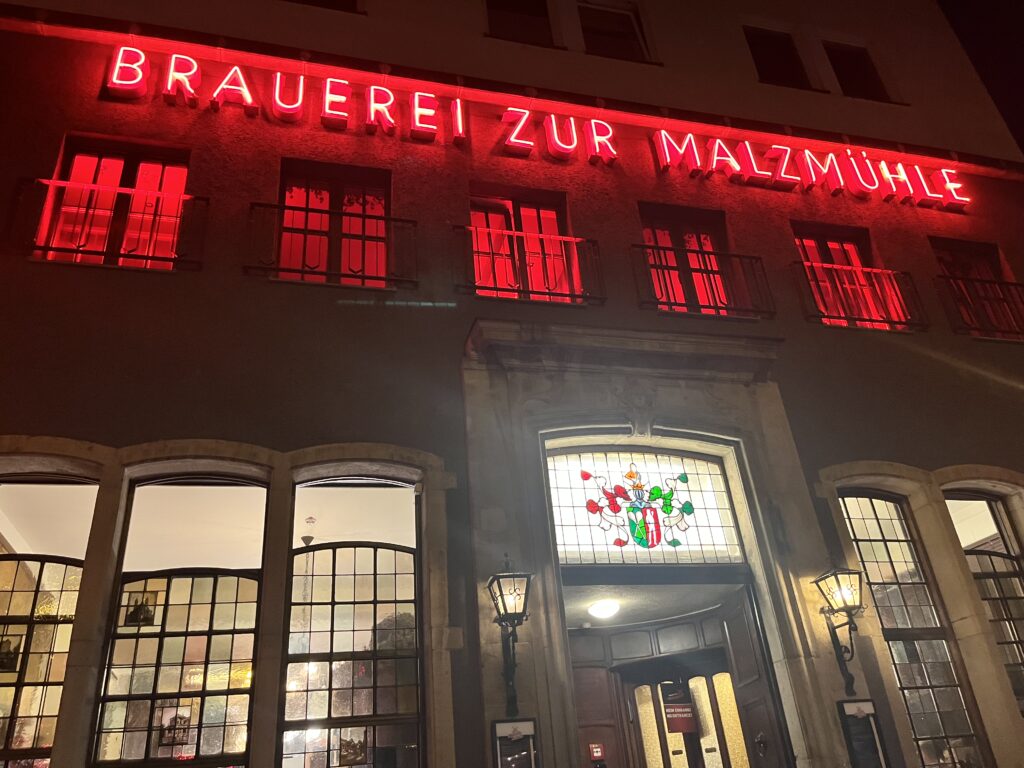
A few streets to the south, Brauerei zur Malzmühle stands as a sentinel of history. Nestled in the shadow of the Old Town’s medieval gables, this brewery has been serving its signature Mühlen Kölsch since the 19th century. The brewery itself, with its distinctive malt mill tower, is a landmark, and its continuous operation through wars and economic upheaval speaks to the resilience of Cologne’s brewing spirit. The Malzmühle, established in 1858, has seen generations of families pass through its doors, cementing its place as a cornerstone of the city’s social fabric.
In the heart of the Altstadt, historic establishments like Brauhaus Sion and Schreckenskammer anchor a vibrant gastronomic quarter where beer and traditional Rhineland cuisine are inseparable. Brauhaus Sion, dating back to 1318, is one of Cologne’s oldest taverns, offering a living link to the city’s medieval past. Schreckenskammer, with its atmospheric cellar-like setting, further enhances the sense of stepping back in time. These establishments are not merely places to drink; they are cultural institutions that preserve and promote the culinary heritage of the region, with Kölsch serving as the perfect accompaniment to hearty dishes like Himmel un Ääd (Heaven and Earth) or Rheinischer Sauerbraten.
The Modern Evolution: Craft Brewing’s Quiet Revolution
While the historic Brauhäuser remain central to Cologne’s identity, a contemporary wave of craft brewing has quietly begun to reshape the city’s beer scene, particularly in the Ehrenfeld district. This area, once an industrial hub, has become a breeding ground for innovation, attracting brewers who are pushing the boundaries of traditional styles while respecting the city’s heritage.
Braustelle, a pioneer in this movement, is renowned for its experimental approach. The brewery is celebrated for its boundary-pushing creations, such as the Ehrenfelder Alt, a darker, maltier beer that offers a distinct contrast to Kölsch, and the boldly named Pink Panther, a testament to their playful experimentation. Braustelle’s commitment to innovation has garnered a dedicated following, attracting beer enthusiasts eager to explore new flavor profiles.
Meanwhile, Hellers Brauhaus masterfully balances tradition with experimentation. This establishment proudly brews its own Kölsch, a nod to the city’s core tradition, but also offers a diverse range of other beers. Their Wiess, a pale, unfiltered ale, provides a glimpse into a less common, yet historically significant, German beer style. Furthermore, Hellers consistently brews seasonal specialties like Maibock, demonstrating their versatility and dedication to offering a dynamic beer selection throughout the year. The Hellers family has been brewing in Cologne for generations, and their ability to adapt while staying true to their roots exemplifies the evolving nature of the city’s beer culture.
Adding to the dynamism of Ehrenfeld is BRAUWELT Köln (Sünner). Housed within a striking industrial complex, this venue artfully bridges brewing heritage with vibrant cultural programming. BRAUWELT Köln is more than just a brewery; it’s a multifaceted destination that hosts exhibitions, concerts, and other events, making it a cultural hub that complements its brewing operations. The Sünner brewery, with a history stretching back to 1867, represents a significant part of Cologne’s industrial brewing past, and its reinvention as BRAUWELT Köln signifies a forward-looking approach to heritage preservation.
For those keen to delve deeper into Germany’s burgeoning craft beer scene, dedicated tasting bars offer a curated experience. Craftbeer Corner Coeln and Cölln Craft Beer Bar feature rotating tap lists that showcase the nation’s evolving craft beer landscape alongside beloved local classics. These venues provide a platform for smaller, independent breweries to reach a wider audience, fostering a community of craft beer appreciation.
Cologne: A Beacon for European Beer Tourism
Cologne’s significance for European beer tourism lies in its embodiment of a genuine craft beer travel experience. It is a city where brewing is not a manufactured attraction but an intrinsic part of the urban tapestry – woven into its architecture, its culinary traditions, and the daily rhythms of its inhabitants. This organic integration is precisely the kind of destination that initiatives like "Beer Trips" aim to highlight, promoting slow tourism and authentic local discovery in European cities that transcend the typical mass-tourism circuits.
The city’s commitment to sustainability in tourism is evident in its approach to beer. By focusing on local production, tradition, and community engagement, Cologne offers a model for responsible and enriching travel. The emphasis on "slow tourism" encourages visitors to linger, to explore beyond the obvious, and to connect with the local culture on a deeper level. This approach not only benefits the traveler but also supports local businesses and preserves the unique character of the destination.
Cologne rewards the curious traveler – the individual willing to venture beyond the immediate vicinity of the cathedral, to wander into neighborhoods like Ehrenfeld, to find a stool at the bar of a century-old Brauhaus, and to entrust the Köbes with the unfolding of their experience. This is sustainable tourism at its most natural, deeply rooted in place, driven by exceptional flavor, and shaped by the people who make the city what it is. The economic implications of this sustained focus on authentic beer tourism are significant, providing a steady stream of visitors who contribute to the local economy and support the preservation of cultural heritage. Data from local tourism boards indicates a growing interest in "experience-based travel," with beer tourism emerging as a key driver in this trend. For instance, a 2023 report by the European Travel Commission highlighted that 60% of European travelers are actively seeking authentic cultural experiences, a category that perfectly encompasses Cologne’s beer tourism offerings.
The continued evolution of Cologne’s beer scene, from its deeply ingrained Kölsch traditions to its vibrant craft brewing community, ensures its enduring appeal. The city serves as a compelling case study in how a beverage can become a powerful symbol of identity, a driver of economic activity, and a catalyst for immersive travel experiences. As the global demand for authentic cultural encounters grows, Cologne stands poised to welcome a new generation of travelers eager to explore its rich brewing history and vibrant present.
The city’s dedication to preserving its unique beer culture is not merely a matter of tradition; it is a strategic approach to tourism that emphasizes authenticity and local engagement. This commitment is reflected in the continuous support for local breweries, the maintenance of historic establishments, and the promotion of the Kölsch appellation. The implications extend beyond the tourism sector, fostering a sense of pride and community among Cologne’s residents, who are the custodians of this remarkable heritage.
For those wishing to embark on their own Cologne beer journey, the beBeer platform offers a comprehensive guide, detailing the city’s renowned breweries, traditional Brauhäuser, and innovative craft beer bars. This digital resource serves as an invaluable tool for planning an itinerary that embraces the full spectrum of Cologne’s beer offerings, from its iconic Kölsch to its exciting new craft creations. The platform itself exemplifies the growing trend of digital tools supporting niche tourism, making it easier for travelers to discover and engage with specific cultural interests like beer.
Broader Impact and Implications for European Beer Tourism
Cologne’s model offers valuable insights for other European cities aspiring to develop their own beer tourism strategies. The emphasis on authenticity, heritage preservation, and integration with local life distinguishes it from more commercialized tourism approaches. The success of Cologne demonstrates that by fostering genuine connections between beer, culture, and community, cities can create unique and sustainable tourism experiences. This approach not only attracts visitors but also contributes to the preservation of local traditions and the economic vitality of the region.
The trend of craft beer tourism is on the rise across Europe, with travelers increasingly seeking authentic experiences that go beyond typical sightseeing. Cities that can offer a deep-rooted connection to their brewing heritage, coupled with a dynamic and evolving craft beer scene, are well-positioned to capitalize on this trend. Cologne’s proactive approach, encompassing both traditional and contemporary brewing practices, sets a high standard for other destinations. The economic impact is undeniable, with studies showing that specialized tourism, such as beer tourism, often leads to longer stays and higher spending per visitor, as these travelers are typically more engaged and invested in local culture.
The Kölsch Konvention itself serves as a fascinating case study in regional branding and quality control, a concept that could be emulated or adapted by other regions aiming to protect and promote their unique food and beverage products. The convention’s success lies in its ability to foster collaboration among brewers while ensuring a consistent and high-quality product for consumers, thereby strengthening the overall appeal of the region.
In conclusion, Cologne’s status as a premier beer tourism destination is well-earned. It is a city that masterfully blends its rich historical legacy with a forward-looking embrace of innovation. From the time-honored ritual of the Köbes and the protected status of Kölsch to the experimental spirit of its craft breweries, Cologne offers a compelling and authentic journey into the heart of European beer culture, inviting travelers to savor its history, its present, and its promising future, one glass at a time. The continued growth of such destinations underscores the enduring appeal of authentic, experience-driven travel in the modern era.