H&M and Stella McCartney Reunite for Landmark 20th Anniversary Capsule Collection Celebrating Sustainable Luxury and Archival Innovation

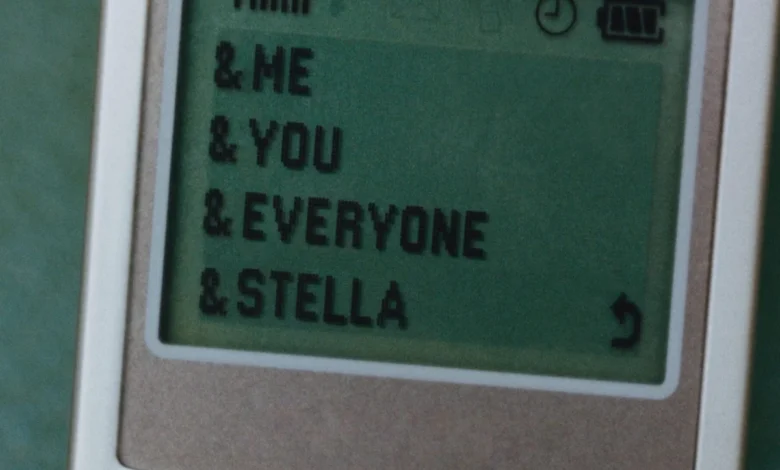
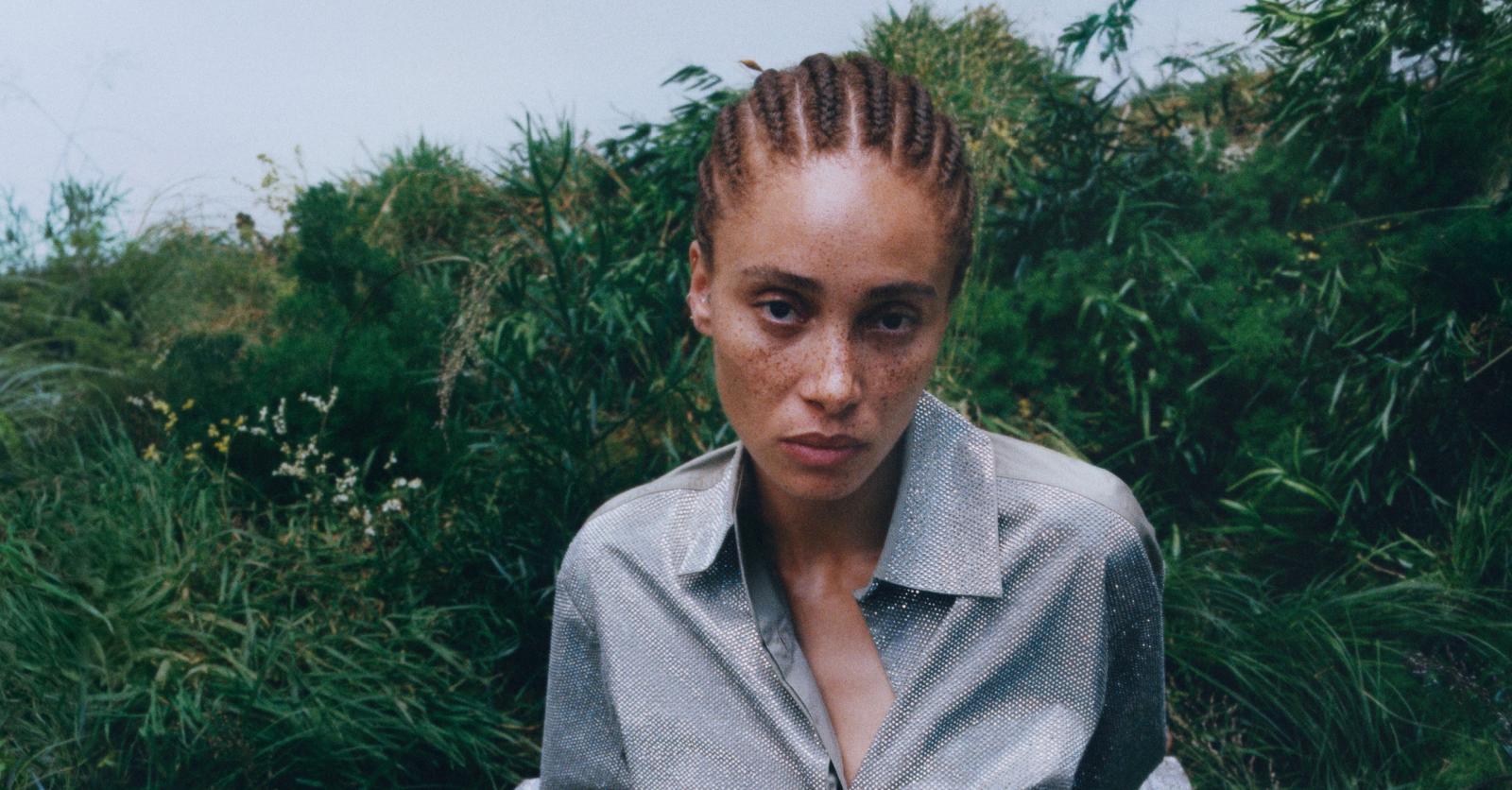
The global fashion landscape is set for a significant retrospective and a forward-looking leap in sustainable design as H&M announces its latest collaboration with British design pioneer Stella McCartney. Marking exactly two decades since their first groundbreaking partnership in 2005, this new collection represents a full-circle moment for both the high-street giant and the luxury designer. Scheduled for release on May 7, the capsule collection aims to bridge the gap between high-end couture allure and mass-market accessibility, a formula that has defined H&M’s guest designer series for two decades. The collection is not merely a seasonal offering but a curated journey through McCartney’s personal archives, reimagining her most iconic silhouettes for a contemporary audience while doubling down on the rigorous environmental standards that have become her brand’s hallmark.
A Two-Decade Legacy: The Evolution of the High-Low Collaboration
To understand the weight of the upcoming H&M x Stella McCartney release, one must look back to the mid-2000s. In 2004, H&M shocked the fashion world by partnering with Karl Lagerfeld, effectively inventing the "masstige" (mass-prestige) movement. Stella McCartney followed closely in 2005, becoming the second designer to join this prestigious roster. At the time, her collaboration was revolutionary, not just for its design, but for its steadfast refusal to use leather or fur—a stance that was then rare in high-street fashion.
The 2005 collection was an instant commercial success, with items selling out in minutes across major global capitals. It proved that there was a massive appetite for McCartney’s signature "sharp tailoring meets feminine fluidity" aesthetic at a lower price point. Twenty years later, the fashion industry has shifted toward a greater emphasis on circularity and ethical production, areas where McCartney has transitioned from a lone voice to a global leader. This anniversary collection serves as a testament to that evolution, blending nostalgia for early-2000s aesthetics with 2024’s cutting-edge textile technology.
Archival Inspiration and Design Philosophy
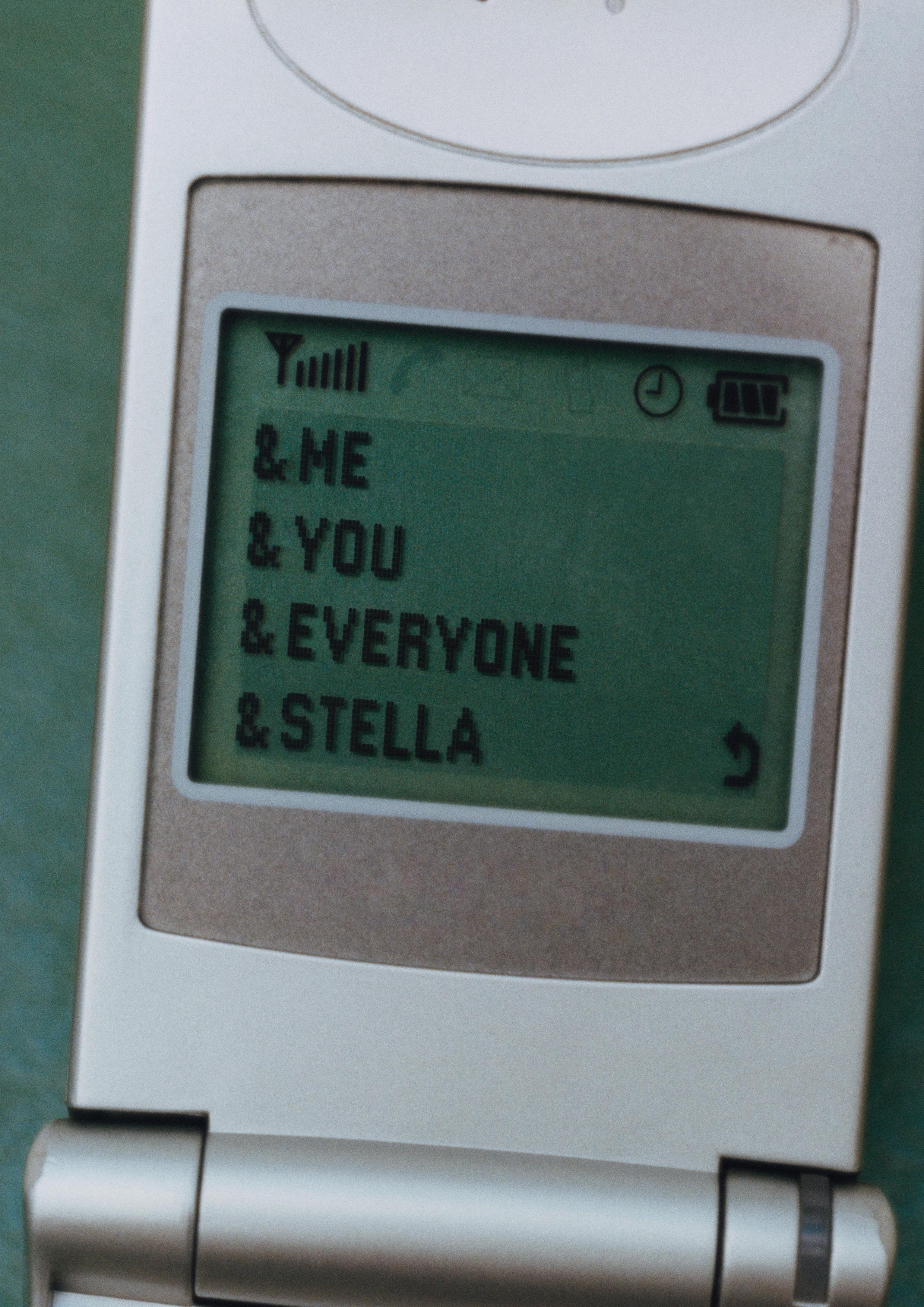
For the 2024/2025 capsule, Stella McCartney dived deep into her own history, selecting pieces that defined her career at her eponymous label and her earlier tenure at Chloé. McCartney describes the collection as a "travelogue of her own history," a sentiment that resonates with the current consumer trend for "vintage" and archival fashion. The design language of the collection is characterized by a balance of opposites: structured tailoring versus soft draping, and utilitarian studs versus delicate lace.
"I see this collection as a journey through my own history," McCartney stated during the collection’s preview. "It is a mix of contemporary classics and some of my favorite pieces from the beginning. It is a playful, powerful, joyful, sparkling, and sophisticated collection."
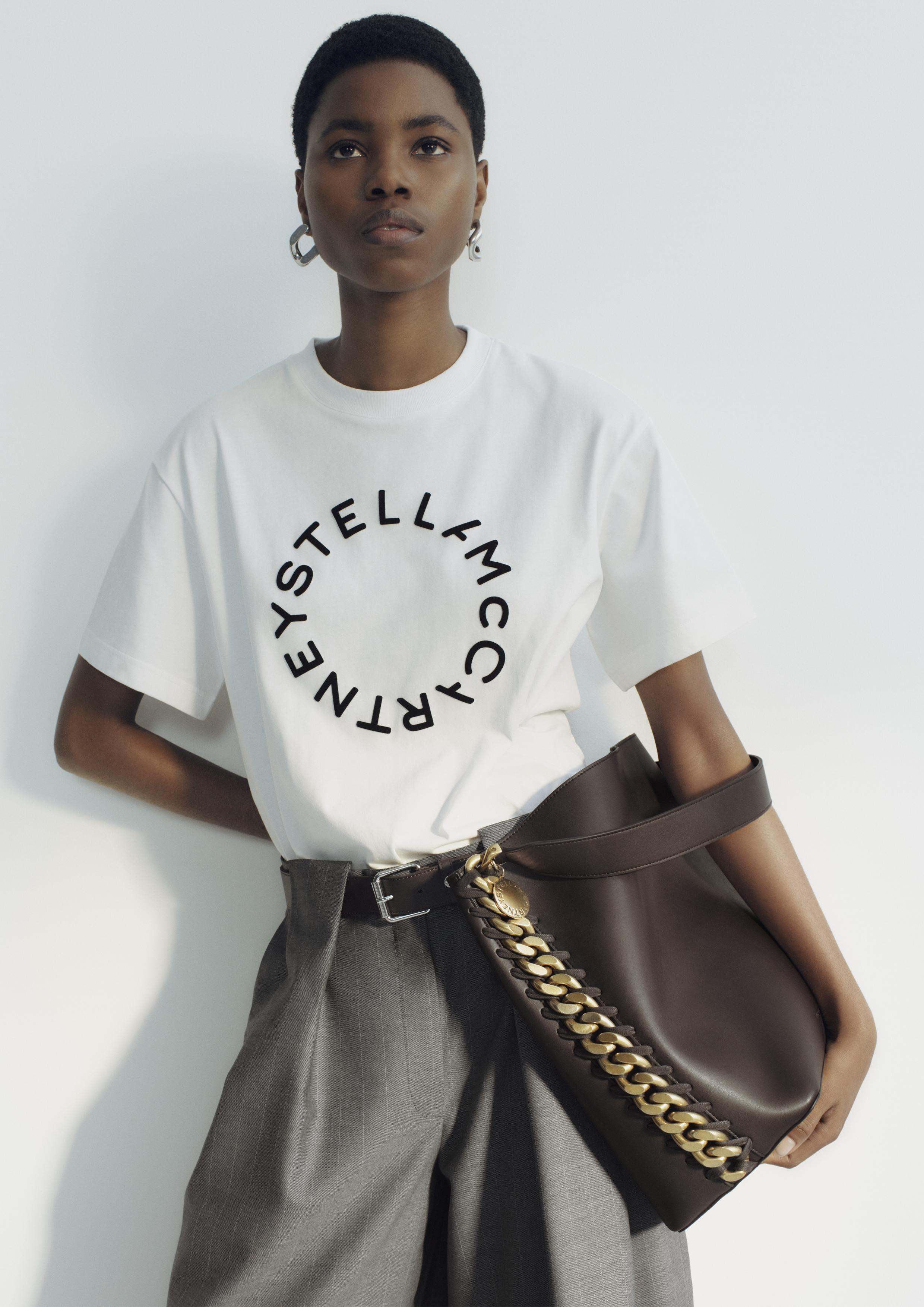
Key design elements include shimmering sequins, bold metal studs, and oversized silhouettes that emphasize comfort without sacrificing form. Perhaps the most anticipated element of the collection is the return of the iconic Falabella-inspired hardware. The Falabella bag, first introduced in 2009, became a symbol of vegan luxury. For this collaboration, the signature whipstitched chain detail is integrated into a variety of accessories and garments, signaling a return to the "indie-sleaze" and "boho-chic" aesthetics that McCartney helped popularize.
Pioneering Sustainability: Beyond Recycled Polyester
While many high-street collaborations focus solely on aesthetics, the H&M x Stella McCartney partnership is built on a foundation of material innovation. McCartney has long been a critic of the fashion industry’s environmental footprint, and this collection serves as a laboratory for sustainable practices within a large-scale retail environment.
The collection utilizes a sophisticated array of low-impact materials:
- Recycled Textiles: A significant portion of the collection is crafted from recycled polyester and nylon, diverting plastic waste from landfills and oceans.
- Organic and Certified Fibers: All cotton used in the capsule is organic, and wool components are sourced from farms certified by the Responsible Wool Standard (RWS), ensuring animal welfare and land management protocols.
- Bio-Based Coatings: In a move toward eliminating petroleum-based synthetics, the collection features innovative coatings derived from maize (corn) and recycled cooking oils. These are used to create the "leather-look" finishes on accessories and outerwear without the environmental toll of traditional PVC or PU.
Ann-Sofie Johansson, Creative Advisor at H&M, emphasized the importance of McCartney’s vision in pushing the retailer’s boundaries. "Stella has always had a bold vision for fashion," Johansson noted. "She was talking about sustainability and animal rights long before it was a mainstream conversation. Her influence on how we approach materials cannot be overstated."

Strategic Analysis: The Market Impact of the "Drop" Model
The timing of the May 7 release is strategic. Fashion analysts point out that the "drop" model—releasing limited-edition collections to create artificial scarcity—remains a powerful tool for driving brand heat. For H&M, these collaborations serve a dual purpose: they drive massive foot traffic and online engagement, and they provide a "halo effect," elevating the brand’s perceived value.
Data from previous designer collaborations suggests that the resale market for these items will be robust. Pieces from the original 2005 Stella McCartney x H&M collection still command high prices on platforms like Vestiaire Collective and Depop. By leaning into her archives, McCartney is tapping into a pre-existing demand for her "classic" pieces, ensuring that the collection appeals to both original fans from 20 years ago and a new generation of Gen Z consumers obsessed with Y2K-era design.
Detailed Look: The Top 10 Must-Have Pieces
To provide a roadmap for consumers, fashion experts have highlighted ten standout pieces that encapsulate the collection’s spirit. These items are expected to be the first to sell out:
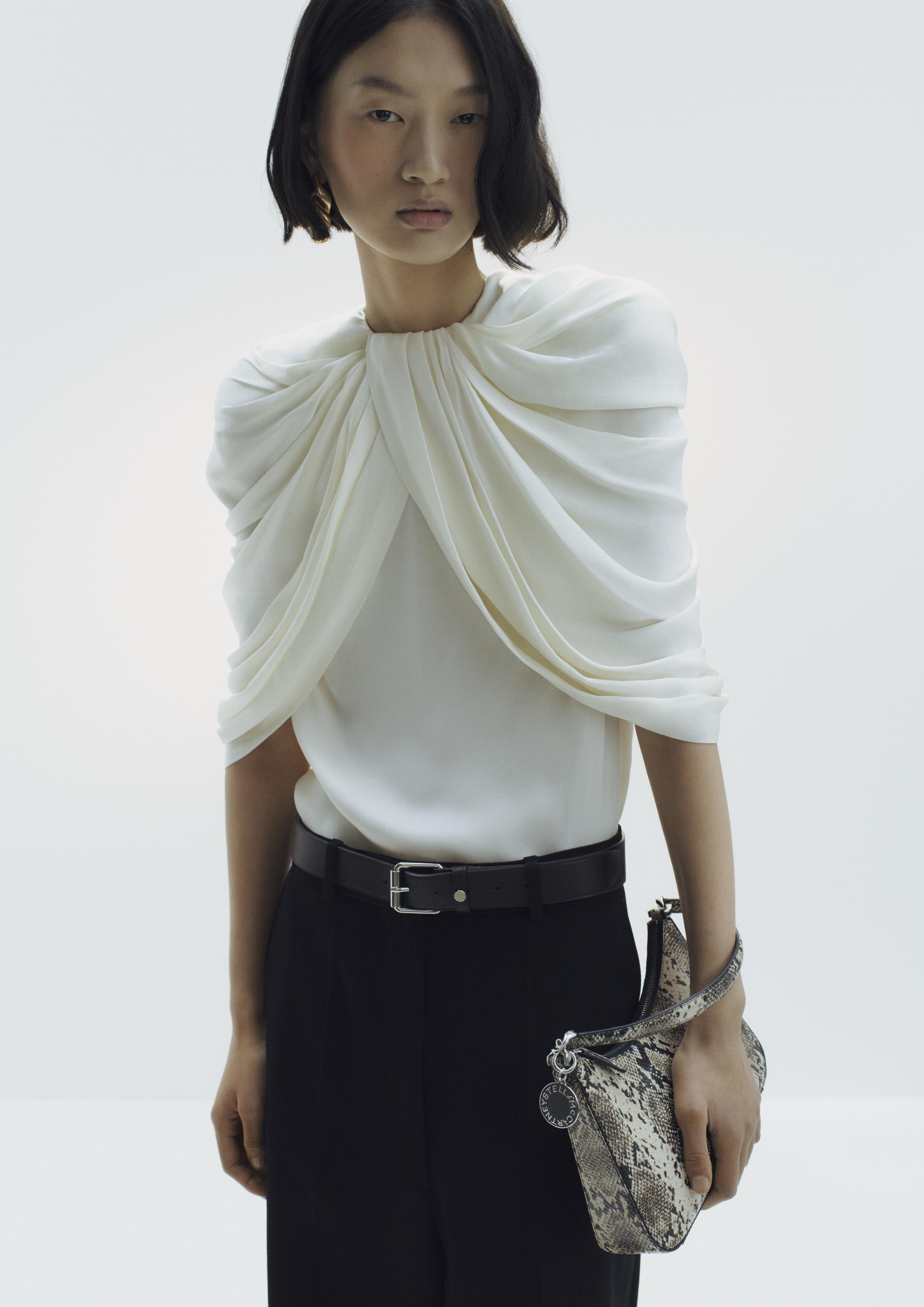
- The Mesh Falabella Bag (€199): A contemporary reimagining of her most famous accessory, utilizing recycled mesh and the signature chain border.
- The Draped Blouse (€89.99): An example of McCartney’s mastery of "easy" femininity, featuring soft lines and sustainable silk-alternatives.
- The Studded Corset Top (€199): Combining edgy rock-and-roll hardware with a structured, feminine silhouette.
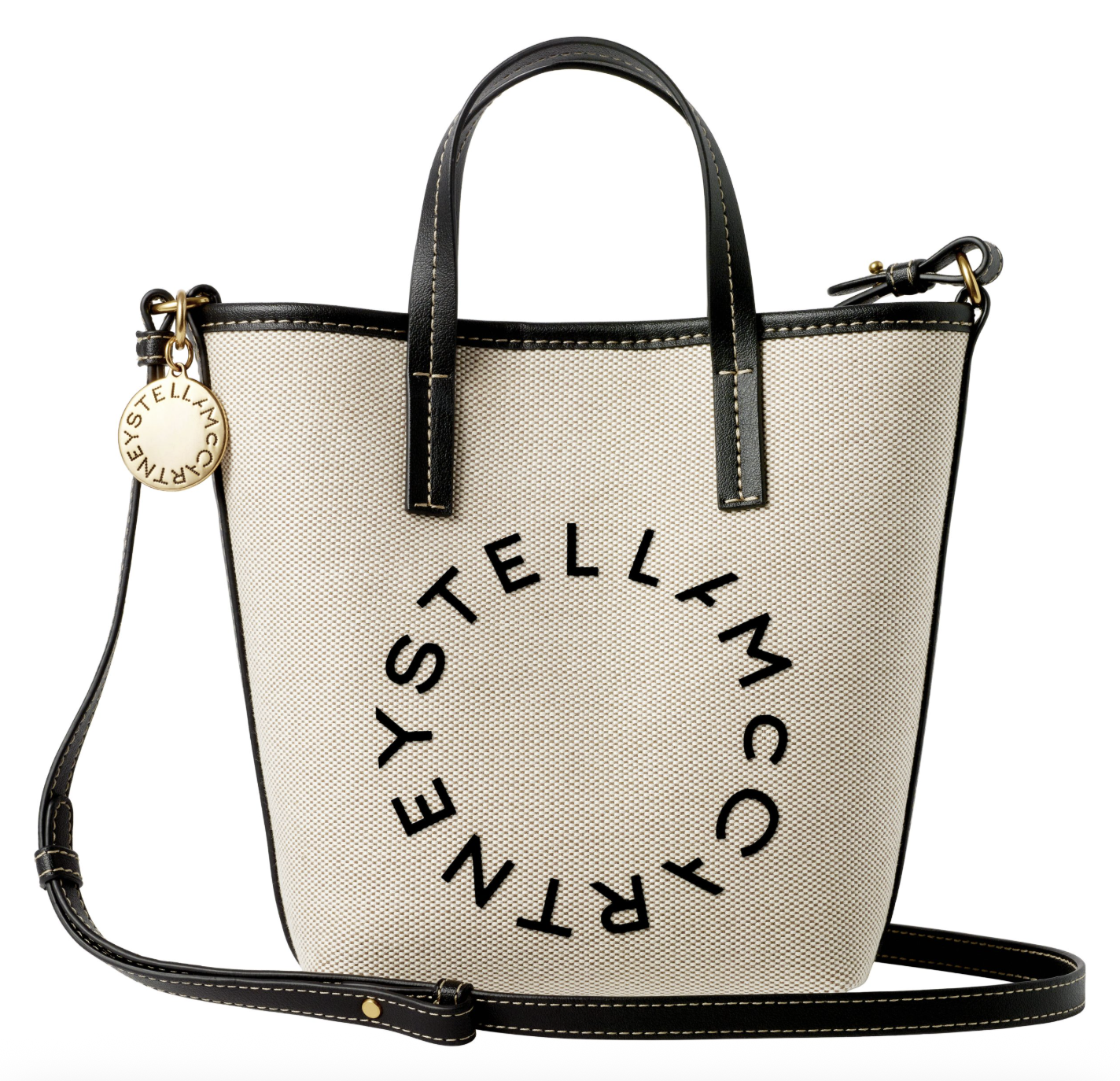
- The Logo Tote (€79.99): A utilitarian piece that brings high-fashion branding to a functional, everyday accessory.
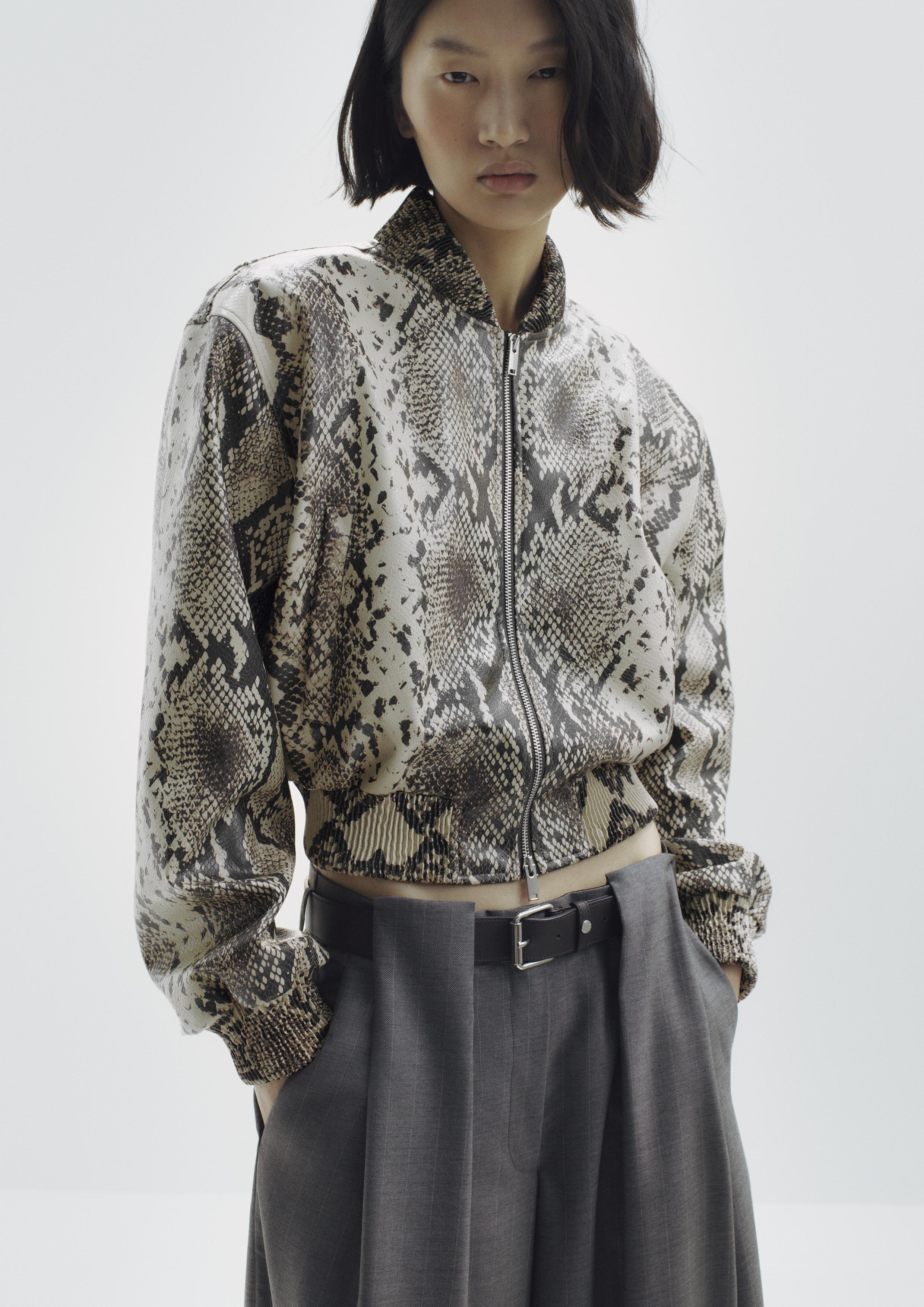
- The Snakeskin Print Jacket (€199): A cruelty-free take on exotic prints, utilizing the aforementioned bio-based coatings.
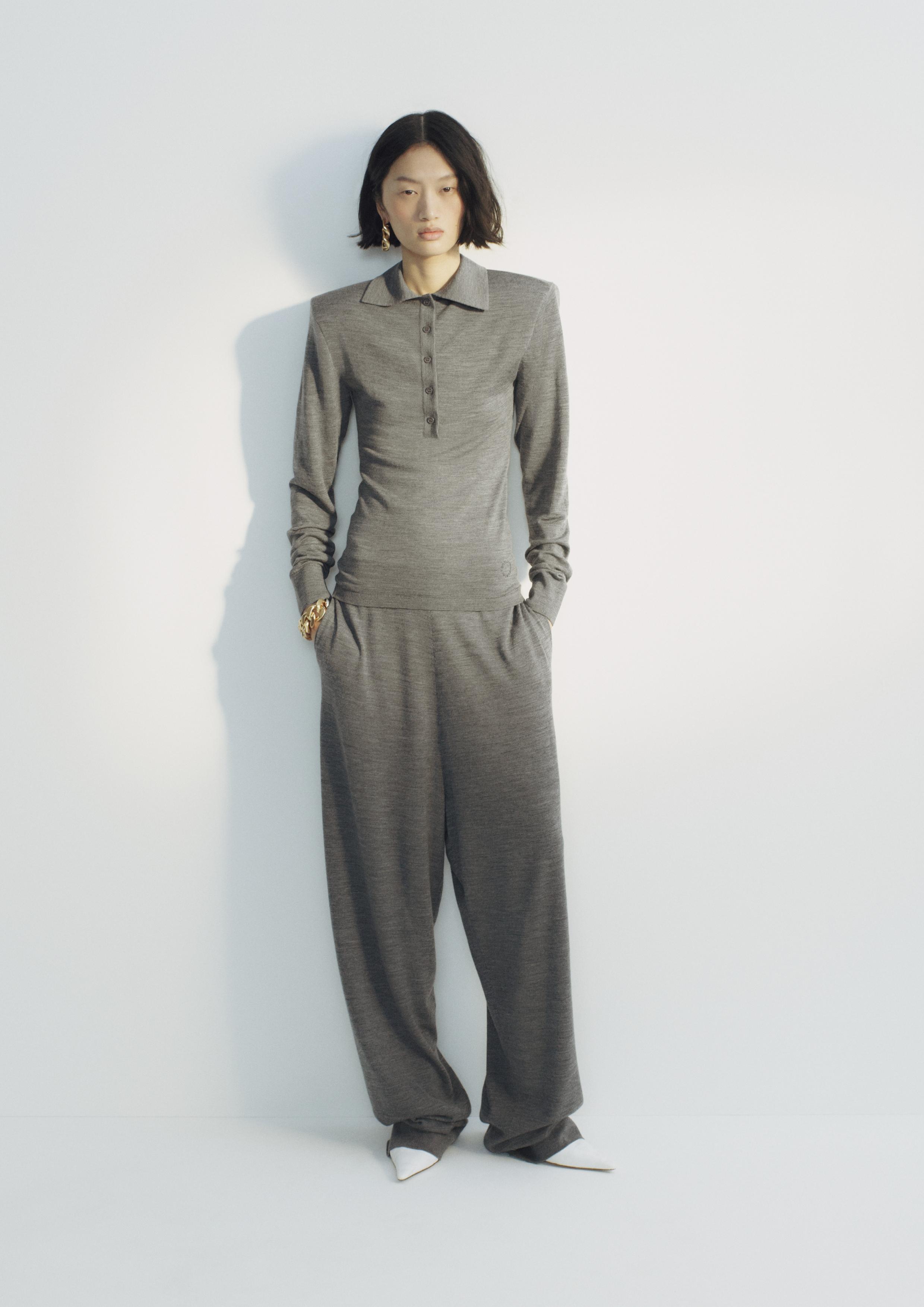
- The Luxury Loungewear Set (€89.99 for the top; €79.99 for the pants): Reflecting the post-pandemic shift toward elevated comfort.
- The Red Clutch (€49.99): A bold pop of color designed to serve as the centerpiece of an evening wardrobe.
- The Cherry Print Dress (€249): A direct nod to one of McCartney’s most famous early prints, embodying a playful, youthful spirit.
- The Lace-Detail T-shirt (€99): An elevated basic that merges the casual nature of a tee with the intricacy of high-end lace.
- The Mini Dress (€129): A versatile "power" piece that showcases the sharp tailoring McCartney learned on Savile Row.
Broader Implications for the Fashion Industry
This collaboration arrives at a crossroads for the apparel industry. With the European Union introducing stricter "Green Claims" directives and the New York Fashion Act on the horizon, retailers are under immense pressure to prove their sustainability credentials. The H&M x Stella McCartney partnership acts as a high-profile case study in how large-scale retailers can integrate complex, sustainable supply chains into a fast-moving commercial model.
Furthermore, the focus on "archival" pieces reflects a broader industry shift away from trend-chasing and toward "longevity." By marketing these pieces as "contemporary classics," H&M and McCartney are encouraging consumers to view their purchases as long-term additions to their wardrobes rather than disposable fashion.
Campaign and Availability
The visual identity of the collection was captured in London by acclaimed photographer Sam Rock. The campaign imagery emphasizes the "Britishness" of the brand—blending urban grit with high-fashion polish. The choice of London as the backdrop reinforces McCartney’s roots and the collection’s connection to the city’s unique fashion history.
The H&M x Stella McCartney collection will be available globally starting May 7. It will be sold through H&M’s official website and in a highly selective group of flagship boutiques worldwide. Given the historical performance of McCartney’s previous ventures with the retailer, industry insiders predict that the most popular sizes and items will be exhausted within the first hour of the online launch.
As the fashion world prepares for the May 7 debut, the collaboration stands as more than just a retail event; it is a celebration of two decades of partnership that helped democratize designer fashion and set the stage for the sustainable revolution currently reshaping the global market. For Stella McCartney, it is a victory lap through her storied past; for H&M, it is a reaffirmation of their commitment to bringing high-design and ethical innovation to the masses.