Cologne: A Cathedral City Steeped in a Deep-Rooted Beer Culture That Rivals Its Gothic Spires

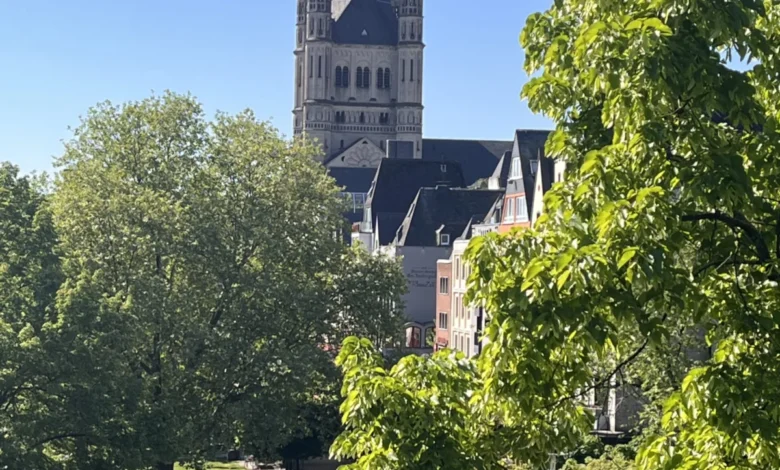
Cologne, Germany – Beyond its iconic Gothic spires and rich historical tapestry, the Rhineland capital of Cologne stands as a beacon of European beer tourism, boasting a brewing heritage as profound and enduring as its magnificent cathedral. This city is not merely a destination; it is an immersion into a living, breathing beer culture, a tradition meticulously preserved and vibrantly expressed through its unique institutions and rituals.
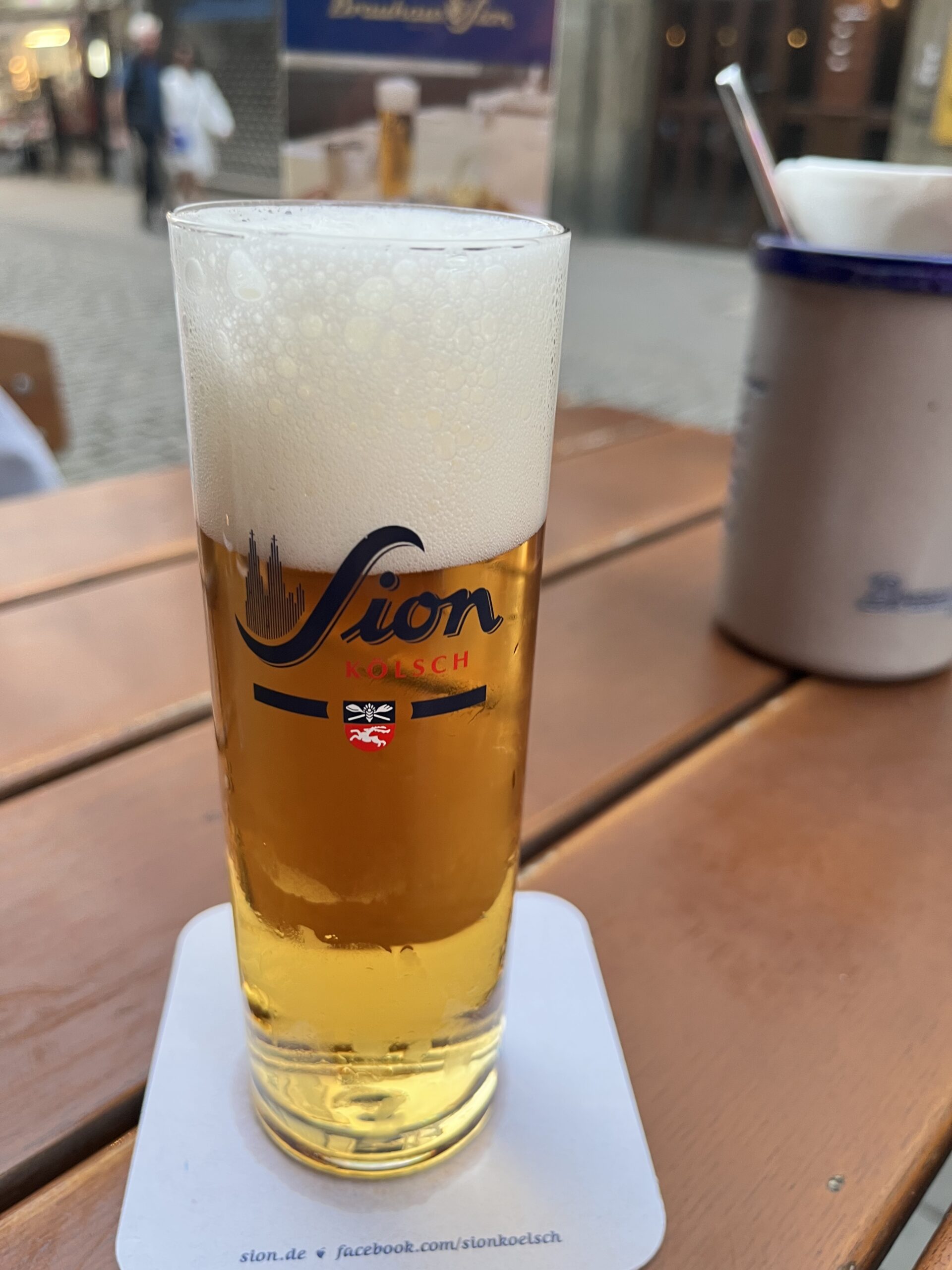
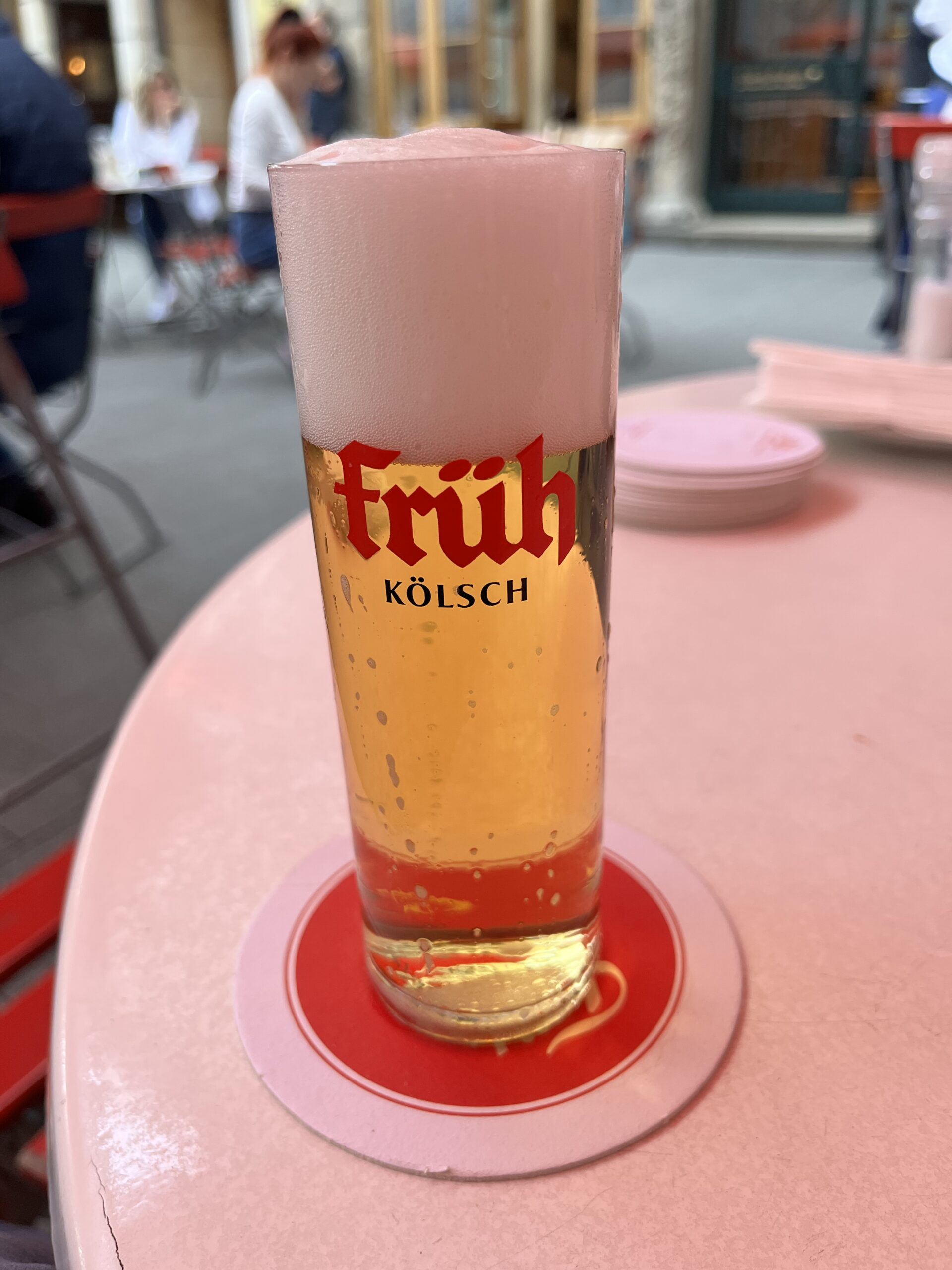
The heart of Cologne’s beer experience lies within its traditional Brauhäuser, where a unique service ritual unfolds. Upon entering, patrons are not presented with a menu. Instead, a Köbes – the local term for a waiter – will approach, place a small, elegant 200ml glass of Kölsch on the table, and make a discreet tick mark on the coaster. This unassuming act signifies the commencement of one of Europe’s last truly living beer rituals, a tradition deeply ingrained in the city’s social fabric and a testament to its dedication to preserving its distinct brewing identity.
The Uniqueness of Kölsch: A Protected Appellation and a Cultural Cornerstone
Kölsch is far more than just a beer style; it is a legally protected appellation, a designation that strictly limits its brewing to the geographical confines of Cologne. This exclusivity is further reinforced by the Kölsch Konvention, a rare brewing agreement that inextricably links the beer to the city’s identity, its distinctive architecture, and the cherished neighborhood traditions. This stringent protection sets Cologne apart, making its beer culture a singular phenomenon within the European landscape.

The Kölsch Konvention, established in 1985, codified a long-standing practice among Cologne’s breweries. It stipulated that only breweries located within the city limits of Cologne could produce and market beer as Kölsch. Furthermore, it mandated that Kölsch must be an ale, fermented at warmer temperatures and conditioned at cooler temperatures, resulting in a crisp, light-bodied, and subtly fruity beer. This agreement was born out of a desire to safeguard the authenticity and quality of Kölsch from imitation and to ensure its continued association with the city it calls home. Historically, the tradition of brewing in Cologne dates back centuries, with evidence of brewing activities found in Roman times. The city’s strategic location on the Rhine River facilitated trade and the distribution of its prized beverage. Over the centuries, various brewing guilds and houses emerged, each contributing to the evolution of the brewing techniques and the distinct character of Kölsch. The designation of Kölsch as a protected geographical indication (PGI) under EU law in 1999 further solidified its unique status, aligning it with other renowned regional products like Champagne or Parmigiano Reggiano. This legal framework ensures that the name Kölsch is exclusively used for beer brewed in Cologne according to specific standards.
A Brewing Map Etched in Cobblestones: Tracing Cologne’s Beer History
Cologne’s beer scene offers a captivating journey through the city’s historical narrative. Each Brauhaus tells a story, often intertwined with the very fabric of the city. Situated mere meters from the imposing twin towers of the Cologne Cathedral, Früh am Dom is a testament to this proximity. Here, regulars gather at long wooden tables, the echoes of their conversations mingling with the clinking of glasses, a scene that has likely played out for generations. The brewery itself, established in 1905, has become an institution, deeply embedded in the daily life of the city center. Its Kölsch, known for its refreshing crispness, is a constant presence for those seeking a taste of authentic Cologne.
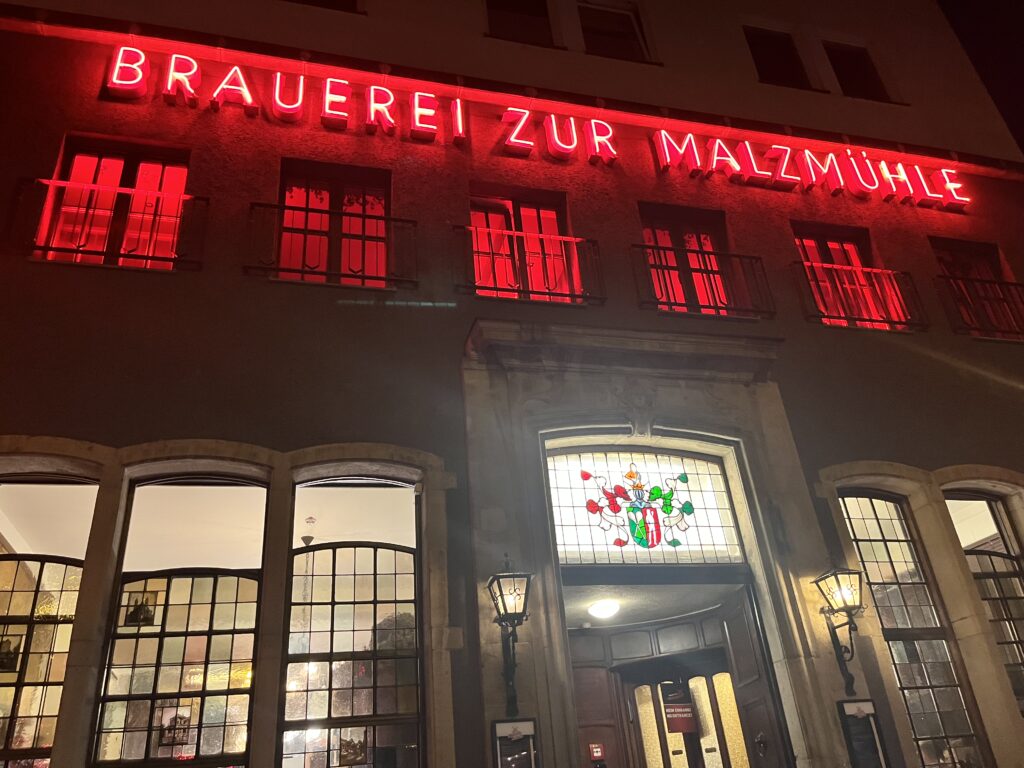
A few streets to the south, Brauerei zur Malzmühle, a brewery with a history stretching back to the 19th century, stands as a guardian of tradition. Nestled in the shadow of the Old Town’s medieval gables, it continues to pour its signature Mühlen Kölsch. This establishment, dating back to 1858, has witnessed the city’s transformations while maintaining its commitment to traditional brewing methods. The distinctive reddish hue and malty character of Mühlen Kölsch have made it a beloved choice for locals and visitors alike, offering a taste of Cologne’s enduring brewing legacy. The brewery’s architecture itself speaks to its long history, with its distinctive malt mill tower serving as a landmark in the cityscape.
In the heart of the Altstadt, the gastronomic quarter, Brauhaus Sion and Schreckenskammer stand as anchors of this vibrant district. Brauhaus Sion, with its origins tracing back to the 14th century, is one of Cologne’s oldest establishments. Its longevity is a testament to its ability to adapt while preserving its core identity. Schreckenskammer, another venerable tavern, further cements the area’s reputation as a hub where beer and Rhineland cuisine are intrinsically linked. Here, hearty local dishes are expertly paired with the distinct flavors of Kölsch, creating a complete culinary and cultural experience. The Altstadt, with its narrow cobblestone streets and historic buildings, provides the perfect backdrop for these time-honored establishments, offering a palpable sense of history with every sip. The sheer density of traditional breweries and pubs in this area underscores Cologne’s deep-seated connection to its brewing heritage.
Beyond the Tourist Trail: The Rise of Craft Brewing in Ehrenfeld
While the historic center offers a quintessential Cologne beer experience, a quiet revolution has been brewing in the Ehrenfeld district. This area has emerged as a dynamic hub for craft brewing, subtly reshaping the city’s beer identity and attracting a new wave of enthusiasts. Braustelle, a pioneering craft brewery, is at the forefront of this movement. It challenges traditional boundaries with its innovative brews, including the Ehrenfelder Alt and the provocatively named Pink Panther. Braustelle, established in 2002, was one of the first to embrace the craft beer movement in Cologne, offering a stark contrast to the ubiquitous Kölsch while still respecting the city’s brewing roots. Their experimentation with different yeast strains, hop varieties, and fermentation techniques has garnered them a loyal following and put Ehrenfeld on the craft beer map.
Hellers Brauhaus skillfully navigates the space between tradition and experimentation. While offering its own distinct Kölsch, it also showcases other styles such as Wiess (a cloudy, unfiltered ale) and seasonal offerings like the robust Maibock. Hellers Brauhaus, founded by the Hellers family, has a history of embracing innovation. Their Wiess, a style that predates Kölsch in Cologne, offers a glimpse into the region’s earlier brewing traditions, while their seasonal brews demonstrate a forward-thinking approach to beer production. The brewery’s commitment to quality and its willingness to explore diverse beer styles have made it a vital part of Cologne’s evolving beer landscape.
Further contributing to this vibrant scene is BRAUWELT Köln (Süßner). Housed within a striking industrial complex, this establishment artfully blends brewing heritage with cultural programming, transforming it into a destination in its own right. BRAUWELT Köln offers a unique experience, showcasing its own brews alongside a curated selection of other beers, while also hosting events, concerts, and exhibitions. This fusion of brewing and culture creates a dynamic space that appeals to a broad audience, further enriching Cologne’s beer tourism offerings. The industrial setting itself is a nod to the city’s manufacturing past, now repurposed to celebrate its present-day creativity.
For those eager to delve deeper into Germany’s burgeoning craft beer scene, dedicated tasting bars such as Craftbeer Corner Coeln and Cölln Craft Beer Bar provide a curated experience. These establishments feature rotating tap lists that showcase the evolving landscape of German craft beer, alongside beloved local classics. They serve as vital connectors, introducing patrons to a diverse array of brews from across the country, fostering a greater appreciation for the breadth and depth of modern German brewing. These bars play a crucial role in democratizing craft beer, making it accessible and understandable to a wider audience.
Complementing these vibrant tasting rooms is Cologne’s own Biermuseum (Beer Museum). This institution offers an in-depth exploration of the brewing heritage that has shaped the Rhineland, providing valuable historical context and educational insights for beer enthusiasts. The museum meticulously documents the evolution of brewing techniques, the social and economic impact of breweries throughout history, and the cultural significance of beer in Cologne and the surrounding region. Exhibits often feature historical brewing equipment, archival documents, and interactive displays, offering a comprehensive understanding of Cologne’s rich brewing past.
Cologne’s Enduring Significance for European Beer Tourism
Cologne embodies the essence of a genuine craft beer travel experience: a city where brewing is not merely a product but an intrinsic part of its architecture, gastronomy, and daily life. It is a destination that offers authentic local discovery, a stark contrast to the often-packaged experiences found in more heavily touristed areas. This is precisely the kind of destination that initiatives like "Beer Trips" aim to reveal, promoting slow tourism and encouraging travelers to explore European cities beyond the conventional tourist trails. The emphasis is on immersive experiences that foster a deep connection with the local culture and its traditions.
The city’s commitment to preserving its unique brewing heritage, exemplified by the Kölsch appellation and the traditions of its Brauhäuser, makes it a compelling case study in sustainable tourism. It demonstrates how a city can leverage its cultural assets to attract visitors while simultaneously safeguarding its identity. Cologne rewards the curious traveler – the individual willing to venture beyond the familiar, to wander into neighborhoods like Ehrenfeld, to sit at the bar of a centuries-old Brauhaus, and to embrace the unhurried pace dictated by the Köbes. This approach to tourism is inherently sustainable, rooted in place, driven by authentic flavors, and shaped by the people who are its custodians.
The implications of Cologne’s model for European beer tourism are significant. It highlights the potential for cities to cultivate and promote unique, localized attractions that offer a more meaningful and authentic travel experience. By focusing on heritage, quality, and community, Cologne has established itself as a premier destination for beer lovers, proving that true beer tourism is about more than just consumption; it is about understanding, appreciation, and immersion. The city’s success serves as an inspiration for other European destinations seeking to develop their own niche tourism offerings that are both economically viable and culturally preserving.
The future of beer tourism in Cologne appears robust, with a continued commitment to both tradition and innovation. The ongoing evolution of the craft beer scene, coupled with the unwavering popularity of traditional Kölsch, suggests a dynamic and diverse offering for years to come. As more travelers seek authentic experiences, Cologne’s deep-rooted brewing culture and its welcoming atmosphere are poised to attract an even greater number of discerning visitors. The city’s ability to balance its historical legacy with contemporary trends ensures its continued relevance as a leading European beer destination.
For those eager to embark on their own Cologne beer adventure, the city offers a wealth of experiences, from the iconic Brauhäuser to the cutting-edge craft breweries. The interconnectedness of these establishments, the passion of the brewers, and the genuine hospitality of the locals all contribute to an unforgettable journey into the heart of German beer culture. The city’s dedication to its brewing heritage is not merely a matter of economic interest; it is a profound expression of its identity and a cherished legacy passed down through generations.
Discover the full Cologne Beer Trip on beBeer in pocket here: https://www.bebeer.app/bebeer/information/cologne