Do You Need A Measles Vaccine Booster
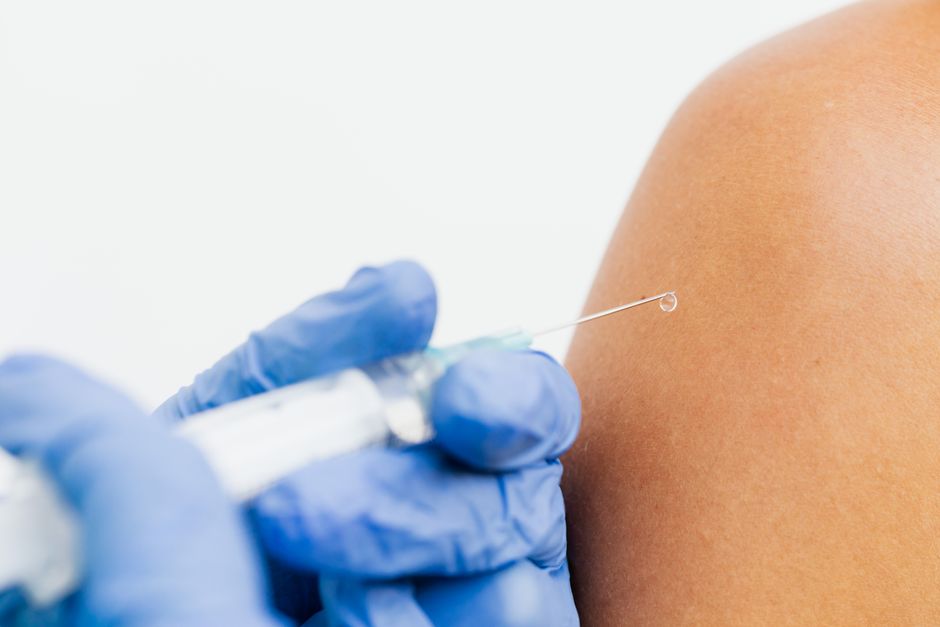
Do You Need a Measles Vaccine Booster? Understanding Ongoing Protection
The measles, mumps, and rubella (MMR) vaccine is a cornerstone of public health, having drastically reduced the incidence of these preventable diseases. Primarily administered in two doses during childhood, the MMR vaccine provides robust, long-lasting immunity for most individuals. However, the question of whether a measles vaccine booster is necessary, or even recommended, arises with fluctuating immunity levels, the emergence of outbreaks, and evolving public health guidance. Understanding the nuances of vaccine efficacy, waning immunity, and the current recommendations is crucial for informed decision-making regarding individual and community health. The initial two-dose vaccination schedule is designed to achieve seroconversion (the development of detectable antibodies) in over 95% of recipients after the first dose and close to 99% after the second dose. This high level of protection is intended to be lifelong for the vast majority. However, factors such as individual immune system responses, the time elapsed since vaccination, and the specific strain of the virus circulating can influence the duration and effectiveness of this immunity.
The concept of vaccine boosters stems from the understanding that immunity, whether acquired naturally through infection or artificially through vaccination, can sometimes decline over time. This decline in antibody levels, known as waning immunity, does not necessarily equate to a complete loss of protection. The immune system often retains a "memory" of the pathogen, allowing for a faster and more robust response upon re-exposure. However, if antibody levels drop below a certain threshold, the individual may become more susceptible to infection, albeit often experiencing a less severe illness than if they had never been vaccinated. For measles specifically, the evidence overwhelmingly supports that the two-dose MMR vaccine confers very durable, if not lifelong, immunity in most individuals. This is a key differentiator from some other vaccines, where regular boosters are standard practice due to more rapid waning immunity. The effectiveness of the MMR vaccine in preventing measles is exceptionally high. Studies have consistently shown that individuals who have received two doses are highly protected against symptomatic infection. The primary reason for considering boosters, therefore, is not a widespread documented failure of the initial vaccination series but rather specific circumstances and populations.
Several factors can influence the need for a measles vaccine booster. The primary consideration is whether an individual received the recommended two doses of the MMR vaccine in the first place. Individuals who have only received one dose, or no doses at all, are at significantly higher risk of contracting measles and are strongly advised to complete the vaccination series as soon as possible. This is not a "booster" in the traditional sense but rather completing the primary immunization. Another crucial factor is the immune status of the individual. Certain medical conditions, such as immunocompromise due to HIV, cancer, or immunosuppressive medications, can affect the immune system’s ability to mount a robust response to the vaccine, or maintain long-term immunity. In such cases, healthcare providers may recommend additional doses of the MMR vaccine to ensure adequate protection, or assess antibody levels to determine if a booster is needed. The timing of the initial vaccination can also play a role, particularly for those vaccinated before the widespread adoption of the two-dose schedule or when there were different vaccine formulations.
The scientific consensus, as reflected by major public health organizations like the Centers for Disease Control and Prevention (CDC) in the United States and the World Health Organization (WHO), is that a routine measles vaccine booster for the general population is not currently recommended. The robust and long-lasting immunity conferred by the two-dose MMR vaccine is considered sufficient for most people who were vaccinated according to the recommended schedule. However, this general recommendation is subject to specific exceptions and situations where a booster might be advised. These exceptions typically involve individuals who may not have achieved optimal immunity from the initial doses, or those at heightened risk due to increased exposure or compromised immune function. Understanding these nuances is vital for accurate public health messaging and individual health decisions.
Specific populations or circumstances may warrant consideration for a measles vaccine booster. For healthcare workers, who are routinely exposed to a high volume of individuals, including those who may be vulnerable, ensuring optimal immunity is paramount. Many healthcare institutions require healthcare personnel to have documented evidence of measles immunity, which can include vaccination records or serological testing. If immunity is not confirmed or if there is concern about waning immunity, a booster dose may be recommended. Similarly, individuals planning international travel to regions with ongoing measles outbreaks or where vaccination coverage is low may be advised to confirm their immunity status. This could involve checking vaccination records or getting a blood test to assess antibody levels. If antibody levels are insufficient, a booster dose might be administered before travel. Pregnant women who are not immune to measles are at increased risk of complications, and while the live attenuated MMR vaccine is contraindicated during pregnancy, postpartum vaccination is strongly encouraged for those who are not immune to protect themselves and their children.
The resurgence of measles outbreaks in recent years in various parts of the world has prompted renewed discussions about vaccine boosters. These outbreaks are often attributed to declining vaccination rates, leading to pockets of unvaccinated or under-vaccinated individuals within communities. When herd immunity, the indirect protection afforded to unvaccinated individuals by a sufficiently immunized population, drops below critical levels, the virus can spread more easily. While the primary strategy to combat these outbreaks is to increase primary vaccination rates and ensure everyone receives the recommended two doses, there are instances where boosters might be considered for specific populations or in response to an outbreak. Public health authorities closely monitor measles incidence and vaccination coverage to inform their recommendations, and the decision to implement booster campaigns is typically based on epidemiological data and risk assessments.
Serological testing, commonly referred to as a blood test for measles antibodies, can play a role in determining the need for a booster. For individuals who are unsure about their vaccination history, have received the vaccine in countries with different schedules or formulations, or have certain medical conditions, a blood test can measure the level of measles-specific antibodies in their blood. If the antibody levels are below a protective threshold, a healthcare provider may recommend a booster dose of the MMR vaccine. It’s important to note that a positive antibody test does not always mean a booster is needed, as even low levels of antibodies can indicate immune memory. However, persistently low or undetectable levels may suggest a need for revaccination. The interpretation of serological test results should always be done in consultation with a healthcare professional.
The MMR vaccine itself is a live attenuated virus vaccine. This means it contains weakened forms of the measles, mumps, and rubella viruses, which are capable of stimulating an immune response without causing the actual disease in individuals with healthy immune systems. The live nature of the vaccine is a key factor in its long-lasting immunity, as it mimics a natural infection to a certain extent. For most individuals, the immune system develops strong memory cells after the initial two doses, which can remain active for decades, if not a lifetime. The efficacy of the MMR vaccine is well-established. Post-licensure studies have consistently demonstrated that individuals who have received two doses of the MMR vaccine have a very high level of protection against measles. This protection is so robust that routine booster doses for the general population have not been deemed necessary by major health organizations.
The decision to administer a measles vaccine booster is a clinical one, made on a case-by-case basis by a healthcare professional. General recommendations from organizations like the CDC and WHO do not include routine boosters for the general public who have completed the two-dose schedule. However, specific groups may be advised to get a booster. These include individuals with a history of only receiving one dose of the MMR vaccine, those with compromised immune systems, and sometimes healthcare workers or individuals traveling to high-risk areas. The rationale behind these specific recommendations is to ensure adequate protection in situations where the initial vaccination may not have conferred optimal or enduring immunity, or where the risk of exposure is significantly elevated.
Public health authorities, such as the CDC, provide specific guidance on who should receive the MMR vaccine and when. The recommended schedule in the United States is the first dose at 12-15 months of age and the second dose at 4-6 years of age. Children who receive the vaccine at an earlier age, such as between 6 and 11 months during an outbreak, may need to be revaccinated later according to the routine schedule, as the earlier dose may not provide long-lasting immunity. Adults born before 1957 are generally considered to have had measles infection and are therefore presumed to be immune, although this assumption can be challenged in rare cases. For adults born in 1957 or later, at least one dose of the MMR vaccine is recommended if they do not have evidence of immunity. Two doses are recommended for adults at increased risk of exposure or with certain medical conditions.
The impact of measles outbreaks on public health has been a significant driver for discussions surrounding vaccination policies. When vaccination rates decline, the population becomes more vulnerable to measles. This can lead to outbreaks that spread rapidly, particularly in schools and communities. These outbreaks not only cause illness, discomfort, and potential complications for those infected but also strain healthcare resources and can lead to school closures and economic disruption. The resurgence of measles in various developed nations, despite the availability of a highly effective vaccine, underscores the critical importance of maintaining high vaccination coverage rates. In response to outbreaks, public health agencies may implement targeted vaccination campaigns, which can sometimes include offering booster doses to specific age groups or populations within the affected area, even if routine boosters are not recommended.
Understanding your personal vaccination history is the first step in determining if a measles vaccine booster might be appropriate. If you have documentation of receiving two doses of the MMR vaccine, you are likely well-protected. If your vaccination history is unclear, or if you fall into a category where additional doses are sometimes recommended, consulting with your healthcare provider is essential. They can review your medical history, discuss any potential risks or concerns, and recommend the most appropriate course of action, which may include serological testing or the administration of a booster dose. Self-diagnosing or making decisions about vaccination based solely on general information can be misleading. The personalized approach guided by a medical professional ensures that vaccination decisions are tailored to individual needs and current public health guidelines.
In conclusion, for the vast majority of individuals who have received two doses of the MMR vaccine according to the recommended schedule, a measles vaccine booster is not necessary. The protection conferred by the two-dose regimen is considered durable and lifelong. However, specific circumstances and populations may warrant a booster dose. These include individuals with incomplete vaccination histories, those with compromised immune systems, and sometimes healthcare workers or individuals traveling to high-risk regions. The resurgence of measles outbreaks highlights the ongoing importance of high vaccination rates and the need for informed decision-making regarding individual immunization status. Consulting with a healthcare provider is the most reliable way to determine if a measles vaccine booster is appropriate for your specific situation, ensuring you have the most up-to-date and personalized guidance. The focus remains on ensuring primary vaccination coverage and addressing any gaps in immunity to maintain the hard-won progress against this preventable disease.
