Japan Confirms Chinas Aircraft Carrier Sailed East Iwo Jima First Time
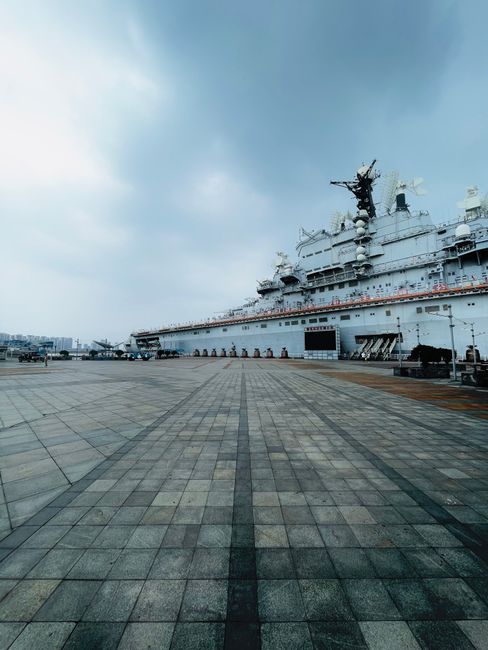
Japan Confirms China’s Aircraft Carrier Sailed East of Iwo Jima for the First Time
Japan’s Ministry of Defense has officially confirmed that China’s most advanced aircraft carrier, the Fujian, transited the waters east of Iwo Jima (also known as Iōtō) for the first time. This significant naval maneuver, observed by Japanese Self-Defense Forces (SDF) assets, marks a notable expansion of the People’s Liberation Army Navy’s (PLAN) operational reach and signals a potential shift in regional maritime dynamics. The Fujian, China’s third aircraft carrier and its most technologically sophisticated, undertook this journey as part of a series of sea trials. The confirmation by Japanese authorities lends credence to satellite imagery and intelligence reports that had previously suggested such a transit. This development is particularly noteworthy given Iwo Jima’s strategic location within the Pacific Ocean, positioning it as a crucial waypoint for naval operations in the wider East China Sea and potentially beyond. The Fujian’s passage through these waters indicates a growing capability for the PLAN to project power further from China’s mainland.
The Fujian aircraft carrier, officially designated as Type 003, is a state-of-the-art vessel representing a significant leap in China’s naval modernization efforts. Unlike its predecessors, the Liaoning and the Shandong, the Fujian incorporates advanced electromagnetic catapults (EMALS) for launching aircraft. This technology, similar to that employed by the United States Navy, allows for faster and more efficient aircraft operations, enabling the carrier to launch a greater number and variety of aircraft, including heavier-laden fighter jets and early warning aircraft, with increased sortie rates. The inclusion of EMALS signifies China’s ambition to match and potentially surpass the operational capabilities of Western carrier strike groups. The Fujian’s displacement is estimated to be over 80,000 tons, making it one of the largest warships ever constructed. Its flight deck is significantly larger and more efficiently designed, optimizing the flow of aircraft during flight operations. The vessel is equipped with advanced radar systems, communication equipment, and a sophisticated combat management system, all contributing to its formidable operational capacity. The purpose of this particular transit east of Iwo Jima, as part of sea trials, is to test the carrier’s systems and operational readiness in a more open ocean environment, simulating scenarios that could involve extended deployments.
The strategic significance of Iwo Jima cannot be overstated. Located approximately 1,200 kilometers south of Tokyo, this small volcanic island holds immense historical and geopolitical importance. During World War II, it was the site of one of the bloodiest battles in the Pacific, and its capture by Allied forces was crucial for operations against mainland Japan. In contemporary times, Iwo Jima serves as a vital node in Japan’s defense network. Its proximity to major shipping lanes and its position within the Pacific Ocean make it a key observation point and a potential staging area for military operations. For China’s PLAN, a transit east of Iwo Jima signifies the carrier group’s ability to operate at a considerable distance from Chinese shores, venturing into waters that are increasingly contested and monitored by regional powers. This maneuver allows for the testing of its carrier-based air wing’s operational range and its ability to sustain operations far from established logistical support networks. It also demonstrates the PLAN’s intent to develop a blue-water navy capable of projecting power and influence across a much wider geographical expanse. The eastward passage suggests an exploration of operational areas that are relevant to potential future contingencies or power projection scenarios.
The confirmation from Japan’s Ministry of Defense, likely through its Maritime Self-Defense Force (MSDF) and Air Self-Defense Force (ASDF) surveillance assets, highlights the constant vigilance maintained by Tokyo regarding Chinese military movements. Japanese patrol aircraft, warships, and radar installations would have tracked the Fujian and its accompanying escort vessels throughout their transit. This intelligence gathering is crucial for Japan to assess China’s growing naval capabilities and to understand its strategic intentions. The SDF’s ability to monitor and report on such significant naval movements underscores the ongoing information-gathering efforts and the sophisticated surveillance networks employed by Japan and its allies. The transparency of this confirmation by Japan also serves as a signal to both domestic and international audiences about the evolving security landscape in the Indo-Pacific. It reinforces the need for robust defense preparedness and cooperative security arrangements in the region. The detailed reporting by Japan’s defense ministry suggests that the transit was not a fleeting moment but a sustained operation that allowed for thorough observation.
The implications of the Fujian’s eastern passage extend beyond a mere observation of naval activity; they point towards China’s long-term strategic objectives. The PLAN has been undergoing a rapid and comprehensive modernization program for decades, with a clear focus on developing a navy that can challenge the dominance of existing maritime powers. Aircraft carriers are central to this strategy, serving as mobile airfields capable of projecting air power over vast distances, supporting amphibious operations, and defending sea lanes. The Fujian’s operational deployment, including this transit east of Iwo Jima, indicates a progression from theoretical capability to practical application. It suggests that the PLAN is actively training its personnel, refining its operational doctrines, and testing the limits of its new assets in realistic maritime environments. The increasing frequency and scale of PLAN naval exercises in the Western Pacific are a testament to this growing ambition. This development is viewed with concern by regional nations, particularly those with territorial disputes with China, as well as by the United States, which has significant security interests in the Indo-Pacific.
The context of the Fujian’s sea trials is crucial. Aircraft carriers require extensive testing and training before they can be declared fully operational and integrated into combat fleets. These trials typically involve a range of activities, including assessing the performance of the ship’s propulsion systems, navigation, and weapons systems, as well as testing the operational readiness of the embarked air wing. The flight operations, damage control simulations, and integrated warfare exercises are all part of this rigorous process. Conducting these trials in waters east of Iwo Jima allows the Fujian to operate in a more challenging oceanic environment, away from the relative confines of the Yellow Sea or East China Sea. This simulated deployment scenario helps to identify any weaknesses or areas for improvement in the carrier and its supporting fleet. The successful completion of such trials is a prerequisite for the Fujian’s eventual deployment to operational fleet units and its participation in more complex maritime security operations or potential conflict scenarios.
The increased operational tempo and geographical reach of China’s aircraft carrier program raise a number of strategic considerations for Japan and its allies. Firstly, it signifies a growing challenge to the freedom of navigation and maritime security in the Indo-Pacific. As China’s naval power expands, so too does its ability to influence and potentially disrupt international maritime trade and security. Secondly, it necessitates a reassessment of regional defense strategies. Japan, in particular, has been steadily enhancing its own defense capabilities, including its anti-submarine warfare capabilities and its missile defense systems, in response to China’s military modernization. The presence of a more capable Chinese carrier strike group operating in the vicinity of Japan’s Exclusive Economic Zone (EEZ) and its island territories demands robust and coordinated responses. International cooperation, such as joint military exercises and intelligence sharing among like-minded nations, becomes even more critical in this evolving security environment. The inclusion of the Fujian in these exercises is a clear indication of China’s intent to develop a force projection capability comparable to established naval powers.
The specific timing of this confirmed transit, even within the context of sea trials, can also be interpreted in light of broader geopolitical developments. While no direct link is explicitly stated by Japan, any significant naval maneuver by a major power in proximity to contested waters or sensitive areas is closely scrutinized. The Indo-Pacific region remains a focal point of strategic competition, with ongoing territorial disputes in the South China Sea and tensions surrounding Taiwan. China’s increasing naval assertiveness, exemplified by the deployment of its most advanced aircraft carrier, is viewed by many as a signal of its growing confidence and its willingness to challenge the existing regional order. Japan’s confirmation serves as an important piece of factual reporting in this complex geopolitical landscape, contributing to a clearer understanding of the evolving military balance.
Looking ahead, the Fujian’s successful transit east of Iwo Jima is likely just one step in a longer process of integrating this formidable asset into the PLAN’s operational forces. Further sea trials, training exercises, and eventual deployments are anticipated. The world will continue to monitor the operational development of the Fujian and its accompanying strike group, as well as the broader trajectory of China’s naval modernization. The implications for regional security are profound, and Japan’s continued vigilance and its commitment to strengthening its own defense capabilities, alongside its alliances, will be crucial in navigating this dynamic geopolitical environment. The confirmation by Japan’s Ministry of Defense underscores the importance of transparency and the continuous assessment of military activities in maintaining regional stability and informing strategic decision-making.
