Range Rover GT Redefines the Classic Grand Tourer as the Brands First Dedicated Electric Model

The luxury automotive landscape is witnessing a significant transformation as Range Rover officially announces the expansion of its prestigious lineup with a fifth distinct model, the Range Rover GT. This new addition represents a fundamental departure from the brand’s traditional SUV-centric design language, opting instead for a lower, more elongated silhouette that emphasizes classic grand tourer proportions. Described by the British manufacturer as its most car-like model to date, the GT is engineered to merge the high-performance elegance of a traditional touring coupe with the versatile, go-anywhere DNA that has defined the Range Rover nameplate for over five decades. By reinterpreting the grand tourer through a modern, electrified lens, Range Rover aims to capture a new segment of the luxury market while maintaining its status as a leader in off-road capability and refined comfort.
A New Design Paradigm: From SUV to Grand Tourer
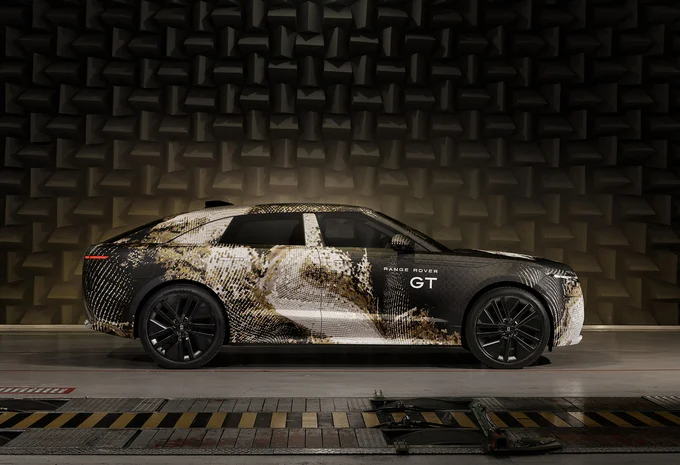
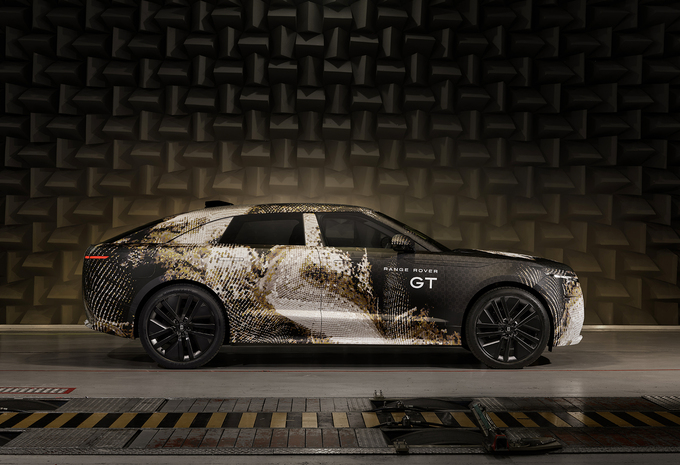
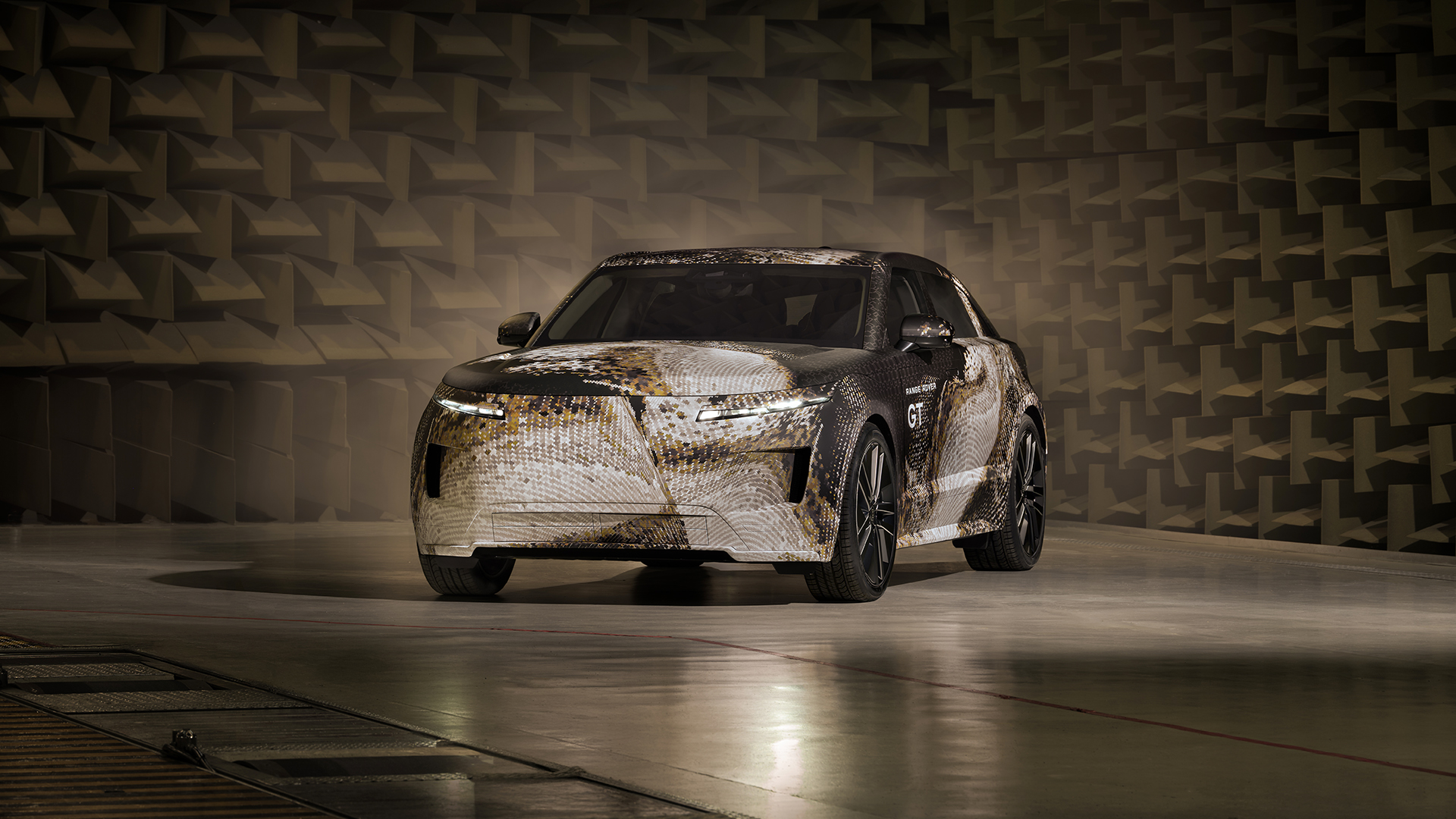
The Range Rover GT introduces a silhouette that is radically different from the boxy, upright stature of the flagship Range Rover or the Range Rover Sport. Its design focuses on aerodynamic efficiency and aesthetic fluidity, featuring a swept-back roofline and a stretched wheelbase that prioritizes high-speed stability and visual presence. Despite these "car-like" attributes, the vehicle maintains a commanding stance and a ground clearance that suggests it remains capable of traversing terrains that would stop a traditional low-slung grand tourer.
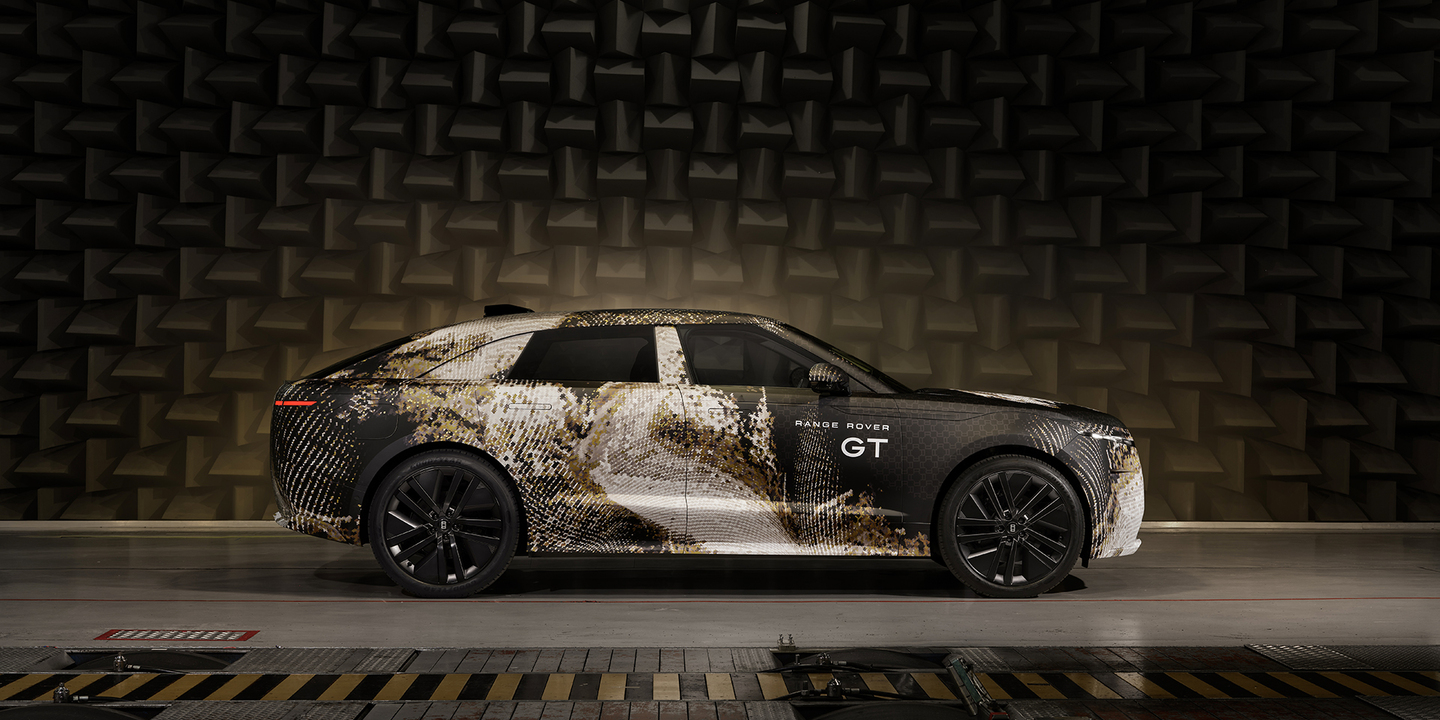
This shift in design philosophy is part of a broader effort to modernize the brand’s image. The GT’s exterior is characterized by a "reductive" design language, a term frequently used by Jaguar Land Rover (JLR) Chief Creative Officer Gerry McGovern. This approach favors clean surfaces and hidden-until-lit technology, minimizing visual clutter to emphasize the vehicle’s sculptural form. The gold-colored camouflage currently seen on development prototypes—featuring topographical lines inspired by the terrain around JLR’s Gaydon engineering center—further highlights the vehicle’s connection to its British heritage and its development as a vehicle meant for both the road and the wild.
The EMA Platform and the Shift to Electrification
At the heart of the Range Rover GT is the new Electric Modular Architecture (EMA). This platform represents a multi-billion dollar investment by JLR and is central to the company’s "Reimagine" strategy, which seeks to electrify its entire portfolio by the end of the decade. The GT will be the first Range Rover to be launched exclusively as a battery-electric vehicle (BEV). While the EMA platform is "electric-first," it is engineered with the flexibility to accommodate advanced hybrid powertrains in the future, ensuring the brand can adapt to varying global market demands and infrastructure readiness.
Production of the Range Rover GT is slated for JLR’s Halewood plant in the United Kingdom. This facility has undergone a massive transformation, receiving a £500 million investment to transition from internal combustion engine production to a state-of-the-art EV manufacturing hub. This move underscores JLR’s commitment to UK manufacturing and its role in the global transition to sustainable luxury mobility. While specific technical data regarding horsepower, battery capacity, and range have not yet been disclosed, industry analysts expect the GT to feature high-density battery packs capable of delivering over 300 miles of range and ultra-fast charging capabilities to compete with rivals like the Porsche Taycan and the upcoming electric Bentley.
Interior Innovation: Reductive Luxury and Stealth Technology
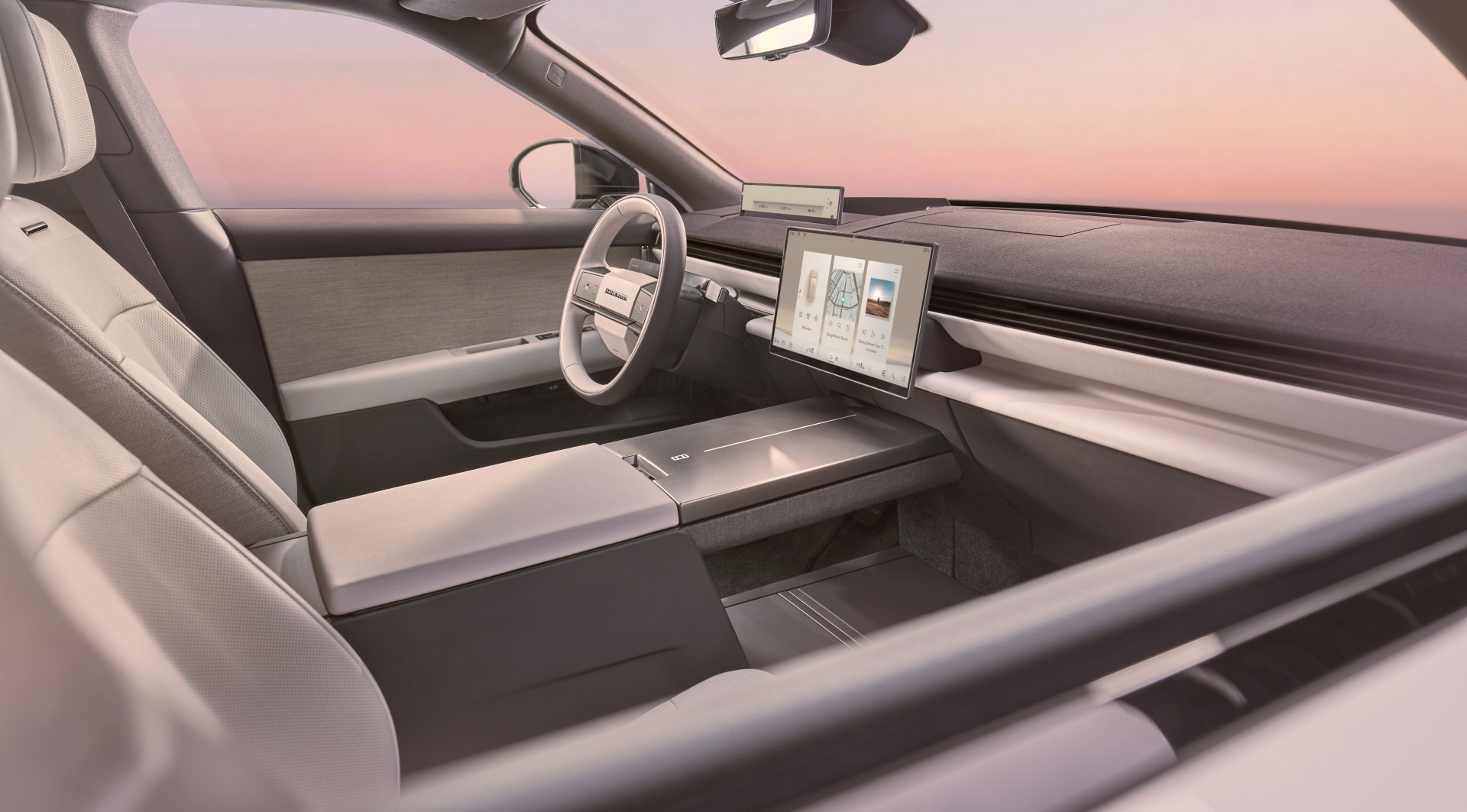
The interior of the Range Rover GT is designed to be a sanctuary of calm, focusing on the concept of "stealth technology." Early images and descriptions reveal a minimalist cabin that eschews the traditional button-heavy dashboard in favor of seamless integration. A primary central touchscreen handles most infotainment functions, complemented by a secondary digital display for the driver. A notable design feature is a slim, nearly invisible ventilation strip that spans the entire width of the dashboard, providing climate control without the visual disruption of traditional plastic vents.
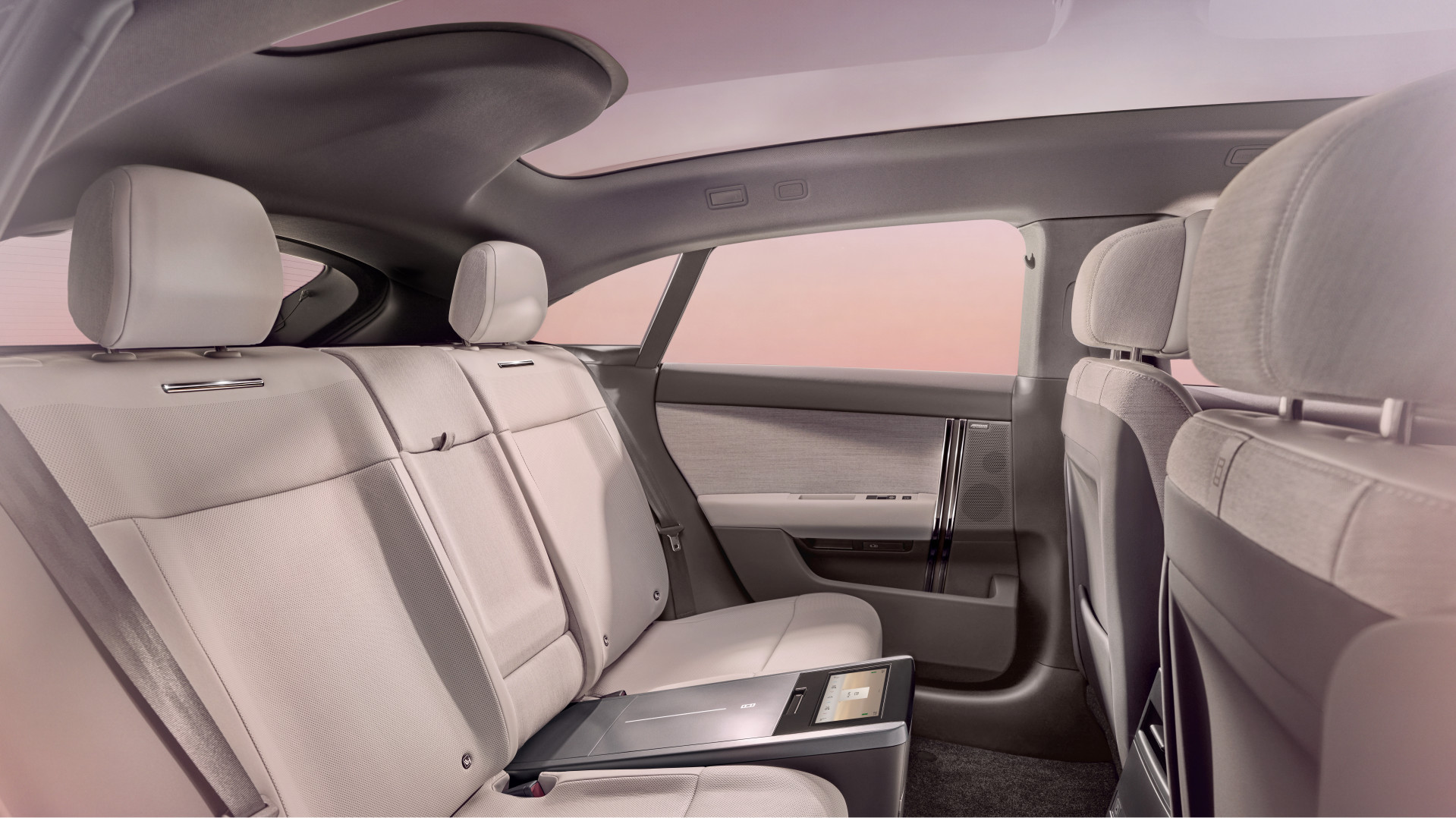
The choice of materials also reflects a move toward modern sustainability. The dashboard and door panels are wrapped in a sophisticated woven textile, replacing traditional leather in many configurations. This material serves a dual purpose: it provides a tactile, high-end feel while also concealing the vehicle’s high-fidelity audio speakers. By hiding the hardware, Range Rover engineers have reduced visual noise, contributing to a more serene environment. This "less is more" approach extends to the user interface, which relies heavily on advanced voice recognition and haptic feedback to minimize the need for physical switches.
Prioritizing the Rear-Seat Experience
While the "GT" moniker often implies a driver-focused experience, Range Rover has not neglected the passengers. The vehicle is marketed as a comfortable long-distance cruiser, with a specific emphasis on rear-seat luxury. Range Rover promises "class-leading" legroom for the second row, positioning the GT as a viable alternative to luxury limousines for those who prefer to be chauffeured. The stretched wheelbase of the EMA platform allows for a cavernous cabin, where rear occupants can enjoy individual climate zones, reclining seats, and integrated entertainment systems, all while encased in the quietness afforded by an electric drivetrain.
Strategic Context: JLR’s "Reimagine" Strategy
The introduction of the Range Rover GT is a pivotal moment in JLR’s "Reimagine" strategy. Under the leadership of CEO Adrian Mardell, the company has transitioned into a "House of Brands" organization, where Range Rover, Defender, Discovery, and Jaguar operate as distinct entities with their own unique identities. The Range Rover brand, in particular, is being pushed further upmarket to compete directly with ultra-luxury manufacturers like Bentley and Aston Martin.
The GT fills a crucial gap in this strategy. By offering a vehicle that is more aerodynamically efficient and road-oriented than a traditional SUV, Range Rover can appeal to urban luxury buyers and those looking for a high-performance grand tourer without sacrificing the prestige and capability associated with the Range Rover name. Furthermore, the GT serves as a halo product for the brand’s electrification efforts, proving that an electric Range Rover can be just as desirable, if not more so, than its petrol-powered predecessors.
Timeline and Global Testing Phase
The Range Rover GT is currently in the final stages of a rigorous global testing program. These tests cover extreme environments, from the sub-zero temperatures of Arjeplog, Sweden, to the intense heat of the Middle Eastern deserts and high-speed endurance runs at the Nürburgring. This comprehensive testing ensures that the electric powertrain can withstand the same "all-terrain" rigors as any other vehicle in the company’s history.
Following the current testing phase, JLR is expected to host a full world premiere in late 2025 or early 2026, where final performance specifications, pricing, and regional availability will be confirmed. Initial deliveries are anticipated to begin in the latter half of 2026, marking the start of a new era for the brand.
Market Implications and Competitive Landscape
The launch of the Range Rover GT places JLR in direct competition with a new set of rivals. Historically, Range Rover competed with SUVs like the BMW X7 or the Mercedes-Benz GLS. However, the GT’s unique positioning as a high-riding electric grand tourer puts it in the crosshairs of the Porsche Taycan Cross Turismo, the Audi e-tron GT, and future electric offerings from Maserati and Bentley.
The success of the GT will likely depend on its ability to offer a unique value proposition: the elegance and handling of a GT combined with the ruggedness and "command" driving position of a Range Rover. In a market that is increasingly saturated with electric SUVs, the GT’s "car-like" silhouette could be its greatest strength, offering a more aerodynamic and stylish alternative for the eco-conscious elite.
Conclusion: A Bold Step Forward
The Range Rover GT represents more than just a new model; it is a symbol of the brand’s adaptability and its vision for the future of luxury travel. By moving away from the traditional SUV form factor while retaining its core values of refinement and capability, Range Rover is challenging the industry’s definitions of what a grand tourer can be. As the automotive world moves toward a carbon-neutral future, the GT stands as a testament to the fact that luxury and sustainability can coexist without compromising the heritage of one of the world’s most iconic automotive marques. The coming years will reveal how the market responds to this bold evolution, but for now, the Range Rover GT is poised to be one of the most significant automotive launches of the decade.
Related posts: