Protecting Your Digital Assets: A Comprehensive Guide to Battling Ransomware with Windows Security and Proactive Cyber Hygiene

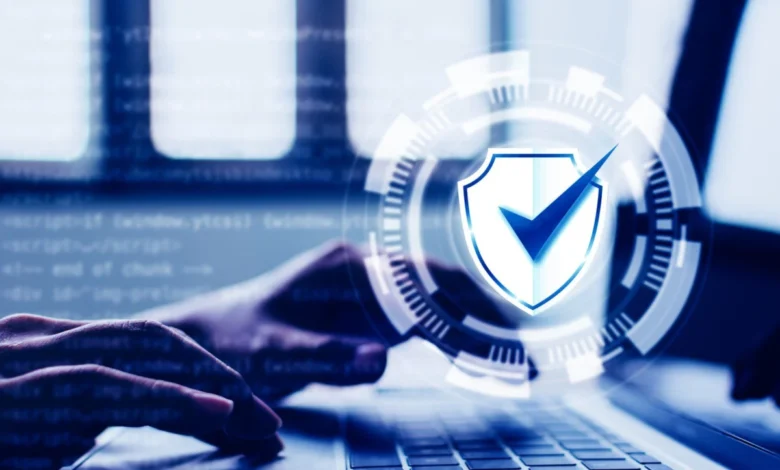
The escalating threat of ransomware demands immediate and robust countermeasures to safeguard digital assets, as recent incidents, including those within Belgium, starkly illustrate that individuals and organizations of all sizes are potential targets for sophisticated cybercriminals. The consequences of a ransomware attack are profound, ranging from the encryption and theft of critical data to crippling operational downtime and exorbitant ransom demands. Proactive and layered defense strategies are no longer optional but essential for digital resilience.
The Escalating Global Threat of Ransomware
Ransomware, a pernicious form of malicious software, functions by blocking access to a computer system or encrypting its files until a ransom is paid, typically in cryptocurrency. This digital extortion scheme has evolved significantly over the past decade, transforming from rudimentary locker-style attacks to highly sophisticated operations involving data exfiltration (known as double extortion) and even triple extortion, where additional pressure is applied through DoS attacks or informing customers/partners of the breach.
Globally, ransomware attacks have witnessed an alarming surge in frequency and severity. According to various cybersecurity reports, the average cost of a ransomware attack, including downtime, recovery, and potential ransom payments, has skyrocketed, often reaching millions of dollars for enterprises. In 2023, the global average cost of a data breach was estimated at $4.45 million, with ransomware being a significant contributor to these figures. Industries such as healthcare, education, and critical infrastructure are particularly vulnerable due to the sensitive nature of their data and the potential for widespread disruption. Attack vectors commonly include phishing emails, exploiting unpatched software vulnerabilities, and compromising Remote Desktop Protocol (RDP) connections. The financial motivations for these attacks are immense, making them an attractive venture for organized cybercrime groups and state-sponsored actors.
Recent Incidents Highlight National Vulnerabilities
The pervasive nature of this threat has been acutely felt within Belgium, where recent high-profile incidents have served as a stark reminder of universal vulnerability. The attack on AZ Monica in Antwerp, for instance, underscored how even critical healthcare institutions can become targets, leading to significant disruption of patient care, data access issues, and a prolonged recovery period. Such incidents reverberate beyond the immediate victims, eroding public trust, straining national cybersecurity resources, and exposing the ripple effects across interconnected digital ecosystems. These events emphasize that relying solely on conventional cybersecurity measures is insufficient; a multi-layered, proactive approach is indispensable.

Layered Defense: Beyond Basic Antivirus Protection
The foundational layer of any robust cybersecurity strategy is the installation and consistent maintenance of a reputable anti-malware scanner. For Windows users, Microsoft Defender Antivirus, an integral component of the Windows operating system, offers comprehensive, real-time protection against a wide array of threats, including viruses, spyware, and ransomware. Its capabilities extend beyond signature-based detection to incorporate cloud-delivered protection, behavioral analysis, and heuristic detection to identify emerging threats. While third-party antivirus solutions are also viable options, Microsoft Defender has evolved into a highly effective and competitive offering, deeply integrated into the Windows security architecture.
A robust antivirus scanner is designed to prevent the initial infection by detecting and neutralizing known malware. However, the sophistication of modern ransomware means that even the best antivirus might occasionally be bypassed by zero-day exploits or highly evasive variants. This necessitates additional layers of defense that go beyond initial detection, focusing on containment and prevention of file encryption once a threat has potentially breached the perimeter.
Unlocking Windows’ Advanced Anti-Ransomware Capabilities
Many Windows users are unaware that their operating system, specifically Windows 10 and Windows 11, includes powerful, built-in features designed to create an additional defensive wall against ransomware. These settings, while highly effective, often require manual configuration to activate their full protective potential, thereby cutting off attackers’ access to your most valuable files. Understanding and implementing these features is a crucial step in bolstering your cyber defenses.
Implementing Controlled Folder Access: A Critical Barrier
One of the most potent, yet frequently overlooked, anti-ransomware features in Windows is Controlled Folder Access (CFA), a component of Microsoft Defender Exploit Guard. CFA works by protecting specified folders from unauthorized changes by malicious applications, including ransomware. When enabled, CFA monitors apps that attempt to make changes to files within protected folders. Only trusted applications are allowed to modify these files; any untrusted application, including ransomware, is blocked from doing so, effectively preventing it from encrypting your documents, pictures, videos, and other critical data.

How Controlled Folder Access Works:
- Protected Folders: By default, CFA automatically protects common system folders where personal data is typically stored, such as Documents, Pictures, Videos, Music, and Desktop.
- User-Defined Protection: Users can manually add other folders to this protected list, ensuring that any directory containing sensitive information is shielded. This flexibility allows for comprehensive coverage tailored to individual data storage habits.
- Application Whitelisting: CFA maintains a list of trusted applications that are permitted to access and modify files within protected folders. This list includes legitimate software like word processors, photo editors, and operating system utilities.
- Real-Time Monitoring and Blocking: When an untrusted application attempts to write to, modify, or delete files in a protected folder, CFA immediately blocks the action and notifies the user. This proactive blocking mechanism is crucial in stopping ransomware before it can inflict damage.
Enabling Controlled Folder Access (Conceptual Steps):
To activate and configure Controlled Folder Access, users typically navigate through the Windows Security interface:
- Open Windows Security (search for "Windows Security" in the Start menu).
- Go to Virus & threat protection.
- Under Virus & threat protection settings, click on Manage settings.
- Scroll down to Controlled folder access and click Manage Controlled folder access.
- Toggle the switch to On.
- From here, users can Add a protected folder to include additional directories not covered by default.
- Users can also Allow an app through Controlled folder access if a legitimate application is being blocked, though this should be done cautiously after verifying the application’s legitimacy.
Activating CFA provides a vital layer of defense, ensuring that even if ransomware somehow bypasses initial antivirus detection, it will be prevented from encrypting your most valuable data.
Other Essential Windows Security Features
Beyond Controlled Folder Access, Windows offers a suite of integrated security features that collectively form a robust defense ecosystem:
- Microsoft Defender SmartScreen: This feature helps protect users from phishing or malware websites and applications. SmartScreen checks files and websites against a dynamically updated list of reported malicious sites and software. If a site or file is suspicious, SmartScreen warns the user or blocks access, preventing the download or execution of potentially harmful content, a common entry point for ransomware.
- Windows Firewall: A fundamental network security component, Windows Firewall monitors incoming and outgoing network traffic and decides whether to allow or block specific traffic based on a defined set of security rules. Properly configured, it can prevent unauthorized access to your computer from external networks and restrict the communication of malicious software within your system or to command-and-control servers.
- User Account Control (UAC): UAC helps prevent unauthorized changes to your operating system by requiring administrative approval for actions that could potentially affect the security of your computer. While sometimes perceived as intrusive, UAC is a critical safeguard against malware attempting to elevate its privileges to make system-wide changes, a common step in ransomware deployment.
- Windows Update: Keeping the operating system and all installed software up to date is paramount. Software updates frequently include security patches that address newly discovered vulnerabilities that attackers could exploit. Proactive patching through Windows Update significantly reduces the attack surface for ransomware and other forms of malware. Configuring Windows Update for automatic installation ensures that critical security fixes are applied promptly.
The Human Element: User Responsibility and Cyber Hygiene

While technology provides powerful tools, the ultimate responsibility for limiting the risk of infections lies with the user. Adhering to fundamental cyber hygiene practices is critical for maintaining the health and security of your devices and data:
- Regular and Offline Backups: This is arguably the single most important defense against ransomware. Implement a robust backup strategy, ideally following the 3-2-1 rule: keep at least three copies of your data, store them on two different types of media, and keep one copy offsite or offline. Offline backups are crucial because they prevent ransomware from encrypting your backups along with your primary data.
- Strong, Unique Passwords and Multi-Factor Authentication (MFA): Weak or reused passwords are a prime target for attackers. Employ strong, unique passwords for all accounts, preferably generated and managed by a reputable password manager. Enable MFA wherever possible, as it adds an essential layer of security by requiring a second form of verification beyond just a password.
- Phishing Awareness Training: Many ransomware attacks begin with a phishing email. Users must be educated to recognize the signs of phishing attempts, such as suspicious senders, grammatical errors, urgent requests, and unusual links or attachments. A healthy dose of skepticism towards unsolicited communications is vital.
- Principle of Least Privilege: Grant users and applications only the minimum necessary permissions to perform their tasks. This limits the potential damage an attacker can inflict if an account or application is compromised.
- Network Segmentation: For organizations, segmenting networks can contain the spread of ransomware. If one segment is compromised, the ransomware cannot easily propagate to other critical parts of the network.
- Regular Software Audits and Removal of Unused Software: Unused software can harbor unpatched vulnerabilities. Regularly audit installed applications and remove those that are no longer needed to reduce the attack surface.
The Broader Implications and Future Outlook
The implications of ransomware extend far beyond immediate financial losses. For businesses, attacks can lead to extended operational downtime, loss of customer trust, regulatory fines, and long-term reputational damage. In critical sectors like healthcare, the inability to access patient records can have life-threatening consequences. The psychological toll on victims, both individuals and employees of affected organizations, can also be significant.
Governments and international bodies are increasingly recognizing ransomware as a national security threat. Efforts are underway to enhance international cooperation in combating cybercrime, share threat intelligence, and develop collective deterrence strategies. However, the asymmetric nature of cyber warfare means that proactive defense at the user and organizational level remains paramount.
Expert Consensus and Recommendations
Cybersecurity experts consistently emphasize that there is no single "silver bullet" solution to ransomware. A holistic, multi-layered security approach, combining advanced technological defenses with robust user education and strict adherence to cyber hygiene best practices, is the most effective strategy. Organizations and individuals must embrace a mindset of continuous vigilance, regular security assessments, and prompt incident response planning. By fully leveraging the built-in security features of operating systems like Windows and coupling them with diligent user practices, the digital community can collectively build a more resilient defense against the ever-evolving threat of ransomware.
Related posts: