The Resurgence of the Kitchen Sink Skirt How Modern Designers Are Reimagining a Traditional Classic for the Contemporary Home

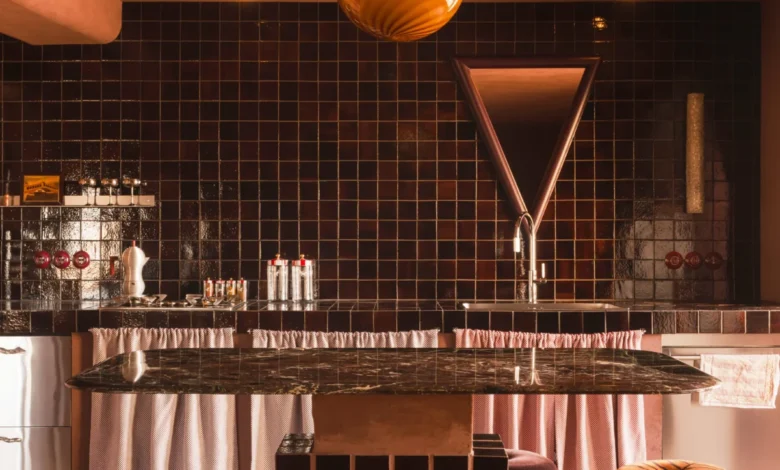
The domestic kitchen, long dominated by the rigid lines of modular cabinetry and the clinical coldness of stainless steel, is undergoing a significant aesthetic softening. For decades, the "sink skirt"—a fabric curtain suspended beneath a countertop—was relegated to the realms of rural farmhouses or the "shabby chic" interiors of the late 1990s. Often associated with the "cottagecore" movement, these textile additions were frequently dismissed as overly sentimental or insufficiently modern. However, a new wave of international interior designers is challenging this perception, transforming the humble sink skirt into one of the most sophisticated and desirable architectural details of the current design cycle. By utilizing structured pleats, unconventional materials like leather and metallic mesh, and bold color palettes, designers are proving that textiles can offer a tactile, luxurious alternative to traditional millwork.
The Evolution of the Kitchen Aesthetic
Historically, the sink skirt was a utilitarian necessity. Before the advent of integrated cabinetry in the mid-20th century, kitchens often featured "unfitted" furniture. Fabric curtains were an affordable and flexible way to conceal plumbing, bulky cleaning supplies, and varied storage containers. As the kitchen evolved into a high-tech showroom of the home, these soft elements were replaced by high-gloss laminates and heavy timber doors.
The current return to skirted cabinetry represents a broader shift in the design industry toward "New Traditionalism." According to recent market analysis from interior design platforms, there has been a 35% increase in searches for "textile-based kitchen solutions" over the last 24 months. This trend is driven by a desire for homes that feel curated rather than manufactured. By introducing fabric into the kitchen—a room typically filled with hard, reflective surfaces like stone, tile, and metal—designers create a necessary acoustic and visual "softness" that enhances the livability of open-plan spaces.
Architectural Precision and the Formal Pleat
One of the primary ways the modern sink skirt distinguishes itself from its predecessors is through rigorous structure. The "Villa Ecru," a project by acclaimed interior designer Zoe Wolker, serves as a masterclass in this approach. Moving away from the loose, gathered ruffles of the past, Wolker employs sharp, formal box pleats to wrap the kitchen island.
This architectural approach transforms the fabric into a rhythmic, three-dimensional surface that mimics the appearance of fluted paneling. When paired with high-end materials such as Carrara marble and industrial-grade stainless steel, the pleated skirt ceases to be a "country" accessory and becomes a tailored architectural element. This juxtaposition of the "hard" (stone/steel) and the "soft" (pleated linen) is a hallmark of contemporary luxury design, emphasizing contrast and tactile diversity.

Material Innovation: The Rise of Leather and Metal
Perhaps the most radical departure from tradition is the experimentation with unexpected materials. In the Hawthorn House project, Australian designer Fiona Lynch introduced a gathered leather skirt beneath a massive kitchen island. This choice challenges the conventional boundaries of kitchen design. Leather, while durable and robust, offers a visual weight and organic texture that fabric cannot replicate.
Lynch’s design utilizes a supple, high-quality hide that interacts with a Calacatta Vaticano marble countertop and a travertine base. The use of leather in a "wet zone" requires specific treatment—typically a semi-aniline or protected finish to ensure resistance to moisture and stains—but the result is a powerful statement of "raw luxury."
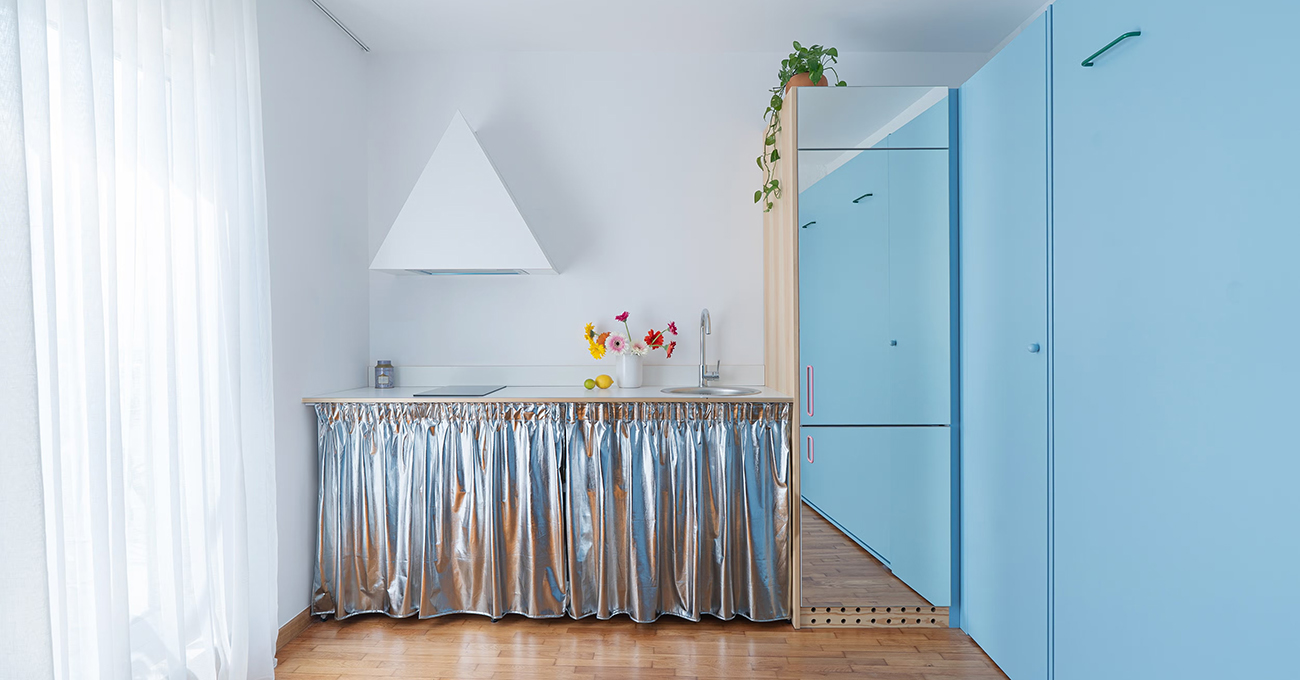
Similarly, in Athens, designer Federica Scalise has pushed the trend into the futuristic territory. In a compact studio apartment, Scalise utilized a metallic-threaded fabric for the sink skirt. This choice serves a dual purpose: it provides a shimmering, industrial aesthetic that aligns with modern urban living, and it acts as a reflective surface. In small spaces, the ability of metallic textiles to bounce light helps to prevent the area under the counter from becoming a dark visual "dead zone," a common issue with traditional dark wood cabinetry.

The Chronology of the Textile Trend (2020–2025)
The trajectory of the sink skirt’s return can be traced through several key design milestones over the last five years:
- 2020–2021: The Pandemic Pivot. As homeowners spent unprecedented amounts of time indoors, the demand for "cozy" and "nostalgic" interiors spiked. The "cottagecore" aesthetic brought the first wave of sink skirts back into the mainstream, though they remained largely floral and traditional.
- 2022: The Rise of the Mediterranean Modern. Designers in Spain and Italy began incorporating heavy linens and earth-toned fabrics into minimalist kitchens, moving the trend toward a more "organic modern" look.
- 2023: Material Divergence. Designers like Fiona Lynch and Patricia Bustos began experimenting with non-traditional textiles, such as leather and ombré-dyed synthetics, signaling the trend’s entry into high-end luxury markets.
- 2024: The "Anti-Kitchen" Movement. The current year has seen a rise in the "anti-kitchen" concept—spaces that don’t look like traditional kitchens. The sink skirt is a key tool in this movement, as it hides appliances and plumbing behind what looks like living room drapery.
- 2025 Outlook: Industry experts predict a surge in "bespoke textile kits" where high-end fabric houses collaborate with kitchen manufacturers to provide integrated track systems for skirted cabinetry.
Color Theory and Spatial Dynamics
The application of color is another area where modern designers are innovating. Patricia Bustos, known for her avant-garde use of color in her Madrid studio, recently showcased a mauve gradient (ombré) curtain beneath her workspace sink. Rather than using a pattern, which can sometimes feel dated, the gradient offers a sophisticated transition of tone that adds depth to the room.
In the work of Kristina Busko in Valencia, the sink skirt is treated as an extension of the room’s overall "textile architecture." In her maximalist apartment, curtains are not merely used for the sink but replace internal walls and closet doors. This creates a cohesive "wrapped" environment where the transition from a kitchen island to a living room partition is seamless. This approach is particularly effective in historic renovations where traditional cabinetry might clash with original architectural moldings or uneven flooring.

Practical Implications and Market Impact
While the aesthetic benefits of the modern sink skirt are clear, the trend also addresses several practical and economic factors:
- Cost-Effectiveness: High-quality bespoke cabinetry is one of the most expensive components of a home renovation. A sink skirt allows homeowners to invest in premium countertops (like marble or quartzite) while saving significantly on the lower-level millwork.
- Accessibility and Maintenance: For aging-in-place designs or ADA-compliant kitchens, skirts offer easy access to plumbing and allow for knee clearance that fixed cabinets do not. Furthermore, modern textiles are increasingly treated with antimicrobial and hydrophobic coatings, making them easier to clean than the heavy velvets of the past.
- Sustainability: The ability to change a kitchen’s look by simply swapping a fabric panel reduces the waste associated with full cabinet replacements. This "circular" approach to interior design is gaining traction among environmentally conscious consumers.
Strategic Balance: The Minimalist Approach
For those wary of the trend becoming too "fussy," the work of Alice Lacherez in Paris provides a blueprint for a minimalist execution. By using a neutral, tone-on-tone striped fabric and housing it within a slim, recessed marble frame, Lacherez achieves a look that is both contemporary and timeless. The key to this success is the "tombé" (the hang) of the fabric; by using a heavy-weight linen blend, the skirt maintains a clean vertical line that complements the geometry of a modern apartment.
Analysis of Future Implications
The resurgence of the kitchen skirt is more than a fleeting fashion statement; it is a reaction against the "homogenization" of interior design. In an era where many kitchens look identical due to the global dominance of a few major retailers, textiles offer a path toward personalization.

From a journalistic perspective, the data suggests that the "soft kitchen" trend will continue to evolve. We are likely to see an increase in the use of technical fabrics—such as those developed for the outdoor furniture industry—which offer the look of natural silk or cotton with the durability of plastic. Additionally, the integration of smart-home technology, such as motorized tracks for kitchen skirts, is the logical next step for this "old-meets-new" aesthetic.
Ultimately, the reinvention of the sink skirt by designers like Zoe Wolker, Fiona Lynch, and Patricia Bustos demonstrates that design history is cyclical. By stripping away the "saccharine" elements of the past and replacing them with structural integrity and material innovation, these designers have turned a humble curtain into a symbol of modern luxury. The kitchen of 2025 is no longer just a place for precision engineering; it is a place for texture, movement, and the unexpected warmth of fabric.