A New European Network Aims to Transform Brewing Heritage into a Catalyst for Sustainable Tourism, Local Pride, and Economic Growth

A groundbreaking initiative, the European Network of Brewing Communes and Regions (RECORB), has officially launched, extending an invitation to cities, communes, and regions across the continent to leverage their rich brewing heritage as a powerful engine for sustainable tourism, enhanced local pride, and robust economic development. This ambitious non-profit association, established under Belgian law and formally inaugurated on June 24, 2026, at the prestigious Press Club Brussels Europe, seeks to reframe the perception of beer from a mere beverage to a profound gateway to Europe’s diverse cultural tapestry. RECORB’s core mission is to empower local and regional leaders by offering a novel perspective on their territories, moving beyond the singular focus on breweries to embrace the intricate web of culture, heritage, gastronomy, and local identity that beer intrinsically represents.
The Brewing Renaissance: Beer as a Cultural and Economic Anchor
For centuries, the narrative surrounding beer has predominantly revolved around its sensory qualities – a drink to be savored and then forgotten. However, a significant paradigm shift is quietly unfolding across Europe. RECORB recognizes that behind every glass of beer lies a deeply rooted territorial identity: a commune, a region, a specific landscape, and generations of accumulated craftsmanship passed down through time. By championing this heritage, RECORB aims to cultivate a new wave of tourism that is not only economically beneficial but also deeply authentic and sustainable.
The network’s logic is compelling for any locale seeking to bolster its appeal. Beer tourism offers a strategic alternative to the often-overwhelmed traditional tourist hotspots, directing visitors towards smaller cities, rural communes, and lesser-known regions that lie off the beaten path of mass tourism. This redirection of tourist flows directly benefits local economies, sustaining hotels, restaurants, artisanal shops, and local crafts. Furthermore, the cyclical nature of brewing, intrinsically linked to agricultural harvests, local festivals, and seasonal traditions, naturally encourages a more evenly distributed flow of visitors throughout the year, mitigating the pressures of peak season congestion. This aligns perfectly with the burgeoning "Beer Trips" movement, which is increasingly reshaping European travel by emphasizing authentic local discovery, slow tourism, and the promotion of often-overlooked destinations. Data from recent tourism reports indicate a growing consumer demand for experiences that offer genuine connection to local culture and traditions, with niche tourism sectors like culinary and heritage trails showing significant growth rates, often exceeding those of conventional tourism.
A Timely European Recognition for Brewing Heritage
The emergence of RECORB arrives at a particularly opportune moment, bolstered by significant European-level recognition. On April 28, 2026, the European Parliament adopted a pivotal resolution on sustainable tourism, spearheaded by MEP Daniel Attard. This landmark parliamentary text was the first to explicitly acknowledge beer and beer tourism, alongside wine and gastronomy, as crucial levers for fostering sustainable tourism across Europe. Crucially, it also recognized the vital role that cities, communes, and regions play in rebalancing tourist flows and promoting lesser-known areas. With the European Commission now actively engaged in preparing its inaugural unified strategy for sustainable tourism, the inclusion of brewing heritage on the continental agenda signifies a substantial endorsement of its potential.
This growing recognition was palpable at the RECORB launch event, where key figures involved in shaping European policy underscored the significance of this movement. Benoît Cassart, a Member of the European Parliament, articulated this sentiment, stating, "Through beer tourism, regions keep their identity and local traditions alive, support local economies and enhance the appeal of their territories." He further characterized beer tourism as a tangible tool for promoting cultural heritage, creating employment opportunities, and strengthening territorial cohesion across Europe, emphasizing the indispensable role of cities and regions in preserving and showcasing this shared, valuable asset. The economic implications are substantial; a 2025 study by the European Travel Commission highlighted that heritage-based tourism can generate up to 30% more revenue per tourist compared to conventional tourism, due to longer stays and higher spending on local products and services.
The "Brewing Commune" Label: A Framework for Recognition and Development
At the heart of RECORB’s strategy lies the innovative "Brewing Commune" label. This initiative, inspired by the successful "towns in bloom" scheme, aims to officially distinguish territories based on the depth and vibrancy of their brewing presence. The labeling system utilizes a tiered approach, represented by one, two, or three hops, signifying different levels of brewing significance. This framework serves to unite a diverse ecosystem of stakeholders – including brewers, taverns, restaurateurs, artisanal guilds, museums, tourist offices, and festival organizers – under a unified banner of shared heritage and collective promotion.
The significance of this labeling system was underscored at the launch event with the designation of the Walloon municipality of Braine-l’Alleud as RECORB’s very first official "Brewing Commune." While historically renowned for its connection to the Battle of Waterloo, this designation highlights that a territory’s legacy can be profoundly enriched by its brewing traditions, built as much on malt, hops, and craftsmanship as on historical events. The formal presentation of Braine-l’Alleud’s plaque, complete with its assigned number of hops, is slated for a ceremony in the coming weeks, marking a symbolic and tangible recognition of its brewing heritage. This precedent sets a powerful example for other regions, demonstrating that even well-established historical sites can find new dimensions of appeal and economic opportunity through the development of their brewing narrative.
RECORB also leverages a sophisticated suite of digital tools, developed in collaboration with the beBeer ecosystem, designed to enhance cultural and heritage discovery. These include the "beBeer in your pocket" web app, a Beer Planner, curated Beer Routes, the broader Beer Trips platform, and the interactive Brasserium. Collectively, these digital resources foster a "phygital" (physical and digital) approach to tourism, where on-site experiences are seamlessly integrated with and amplified by digital information and planning tools. It is important to note that beBeer is not merely a "beer network" but a comprehensive European beer tourism initiative meticulously crafted to deliver authentic travel experiences and promote sustainable discovery, thereby offering a holistic approach to engaging with brewing heritage. The integration of digital tools is crucial for modern tourism, with recent surveys indicating that over 70% of travelers utilize digital platforms for destination research and itinerary planning.
A United Front: Industry Support and Collaboration
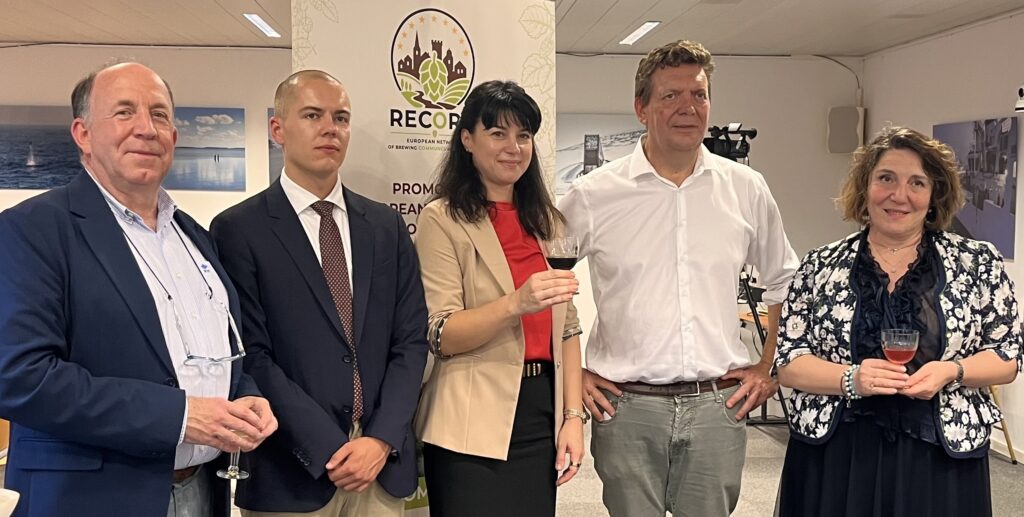
The launch event at the Press Club Brussels Europe served as a powerful convergence point for various stakeholders. The gathering brought together representatives from Permanent Representations to the European Union, regional representation offices based in Brussels, and members of the press, alongside a diverse array of European craft brewers who showcased the continent’s rich brewing diversity. The initiative garnered significant backing from the broader European brewing sector. Julia Leferman, Secretary General of The Brewers of Europe, emphasized the profound significance of beer, stating, "Beer is more than a beverage – it is part of Europe’s cultural heritage and an important contributor to its economic future." She further highlighted that initiatives like RECORB play a vital role in strengthening the symbiotic relationship between breweries, local communities, and regions, underscoring beer’s multifaceted contribution to tourism, local development, and overall European competitiveness. The Brewers of Europe represent over 10,000 breweries across the continent, and their endorsement lends considerable weight to RECORB’s mission.
An Open Invitation to Europe’s Leaders
RECORB extends a direct and compelling invitation to mayors and regional leaders across Europe, presenting a concrete opportunity to capitalize on their unique brewing legacies. By joining RECORB, territories gain formal recognition for their brewing heritage, which in turn strengthens their local appeal and stimulates economic development. The network acts as a unifying force, bringing together local brewers, cafés, restaurateurs, and cultural stakeholders under a cohesive identity.
Communes that successfully achieve the "Brewing Commune" label not only gain prestigious European visibility but also become integral parts of a larger network. For regions, the opportunity lies in linking their designated communes to create authentic Beer Routes. These routes can artfully weave together local ingredients, historic towns, exemplary breweries, and vibrant communities, offering visitors a deeply immersive and interconnected journey. The economic potential is considerable; studies on similar heritage tourism routes, such as wine routes in France or whiskey trails in Ireland, have shown increases in local employment and a significant boost to the hospitality sector, often in the range of 15-25% in participating areas.
Ultimately, brewing heritage transcends the simple act of sharing a glass. It represents a potent wellspring of identity, a significant driver of tourism appeal, and a profound source of local pride for countless European communes and regions. As Europe continues to seek pathways for sustainable growth and cultural preservation, RECORB offers a compelling and delicious avenue to explore, inviting territories to toast to their past and brew a brighter future.
Does your territory possess a unique brewing story waiting to be shared? Join the movement and discover the possibilities at www.recorb.eu.