KRC Genk Secures Promising Young Talent Thierno Amadou Balde with First Professional Contract

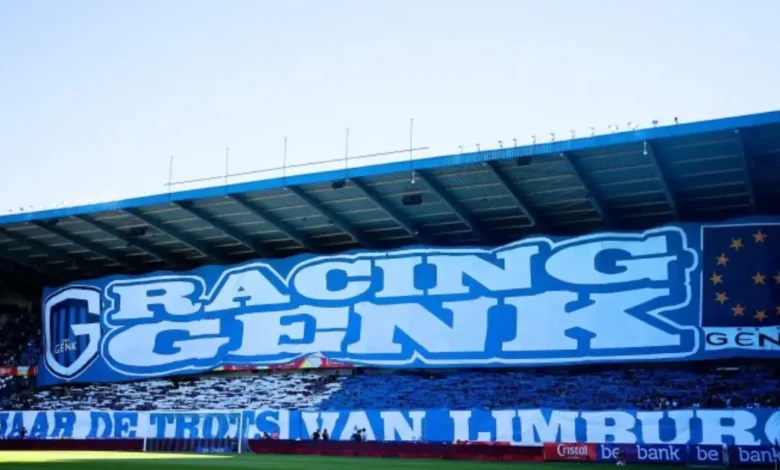
KRC Genk, a club renowned for its robust youth development program, has taken a significant step in nurturing its future stars by offering Thierno Amadou Balde his inaugural professional contract. The highly-rated forward, who has only just turned 15 years old, has already made a substantial impression during the past season with the U16 squad, demonstrating a maturity and skill set that belies his tender age. This commitment from Genk underscores their unwavering dedication to identifying and cultivating homegrown talent, a philosophy that has consistently propelled the club forward and established a strong reputation within European football.
Balde, born in October 2010, arrived at the Racing Genk academy in the summer of 2024, transitioning from the youth ranks of Union. His move to the Limburg-based club marked the beginning of an accelerated development trajectory. Throughout his tenure with the academy, Balde distinguished himself through his prolific goal-scoring and adept playmaking, quickly establishing himself as a pivotal offensive force within his age cohort. His contributions have not only been measured in statistics but also in the tangible impact he has had on the team’s performance, earning him the recognition of coaches and scouts alike.
A Talent Blossoming in Limburg
The Genk hierarchy has expressed particular satisfaction with Balde’s versatility in the attacking third. The young forward possesses a commendable technical repertoire, characterized by his fluid ball control and intelligent movement off the ball. His ability to exploit space and create scoring opportunities through dynamic runs is a key asset. Furthermore, Balde is not one to shy away from the less glamorous aspects of the game; he exhibits a tenacious work ethic, consistently applying pressure on opponents and contributing to defensive transitions, a quality highly valued in modern football. This blend of offensive flair and defensive diligence suggests a well-rounded player with the potential to adapt to various tactical systems and roles.
Balde’s burgeoning talent has not escaped the notice of the Belgian football authorities. His impressive performances at the club level led to a call-up to the Belgian U16 national team, where he made his debut in April 2026. To date, he has represented his country on three occasions, further validating his standing as one of Belgium’s most exciting prospects at the youth international level. These international appearances provide invaluable experience and exposure, allowing him to test his abilities against a wider pool of talent and gain tactical insights from different coaching staffs.
Genk’s Investment in Future Success
The awarding of his first professional contract serves as a significant reward for Balde’s continuous development and dedication. For Racing Genk, this move is intrinsically aligned with the club’s long-standing ethos of empowering young players. For years, the academy in Limburg has been a breeding ground for aspiring footballers, providing a structured and supportive environment for them to hone their skills and progress towards a professional career. This consistent approach has yielded numerous success stories, with many academy graduates going on to achieve significant accolades in top leagues across Europe.
The pathway for Balde, however, is clearly acknowledged as being long and demanding. At just fifteen years old, he stands at the very inception of what is anticipated to be a promising footballing journey. The club’s primary focus will remain on his holistic development, encompassing not only his technical and tactical growth but also his physical and mental conditioning. Genk’s proactive approach in securing his services with a professional contract at this early stage is a clear testament to the club’s profound belief in his innate abilities and his potential to become a key player for the first team in the years to come. This early commitment allows for long-term planning and strategic integration into the senior setup, minimizing the risk of losing a highly sought-after talent to rival clubs.
A Deeper Look at KRC Genk’s Youth Development Model
KRC Genk’s commitment to its youth academy is not merely a matter of philosophy; it is a strategic imperative that has demonstrably contributed to the club’s sustained competitiveness. The academy operates under a meticulously crafted development plan, designed to identify and nurture talent from a young age. This plan typically involves:
- Early Identification and Recruitment: Genk actively scouts for promising young players across Belgium and surrounding regions, looking for individuals who exhibit not only technical proficiency but also the mental fortitude and passion for the game. Balde’s move from Union highlights this network of talent identification.
- Holistic Player Development: Beyond technical skills, the academy focuses on developing players’ tactical understanding, physical conditioning, and psychological resilience. This includes personalized training regimes, nutritional guidance, and sports psychology support.
- Progressive Integration: Players are gradually introduced to higher levels of competition. Those who excel at their current age group are promoted to older squads, ensuring they are continually challenged and exposed to increasingly sophisticated play. Balde’s progression from U16 to national team representation exemplifies this.
- Pathway to the First Team: The academy is intrinsically linked to the senior squad. Successful academy graduates are given opportunities to train with and, eventually, play for the first team. This creates a clear and aspirational pathway, motivating younger players.
- Investment in Infrastructure and Staff: Genk invests heavily in state-of-the-art training facilities, advanced performance analysis tools, and a highly qualified coaching and support staff. This ensures that players have access to the best possible resources for their development.
Supporting Data and Context
To further contextualize Balde’s signing, it’s important to consider the broader landscape of youth football. The development of young talent is a critical differentiator for clubs like KRC Genk, allowing them to compete with clubs possessing significantly larger financial resources. The transfer market for young players is highly competitive, with top clubs across Europe constantly seeking to acquire the next generation of stars. Early professional contracts serve as a crucial mechanism to secure these talents and prevent them from moving to rival academies.
Data from recent years indicates a trend of increased investment in youth academies by major European clubs. For instance, studies on youth academy spending reveal that clubs are allocating substantial budgets towards scouting, coaching, and facilities. This investment is often recouped through player sales, with highly-rated academy products fetching significant transfer fees. KRC Genk’s model, while perhaps not operating with the same astronomical figures as some of Europe’s elite, has proven remarkably effective in producing saleable assets and competitive first-team players.
The Belgian Pro League, in particular, has a strong tradition of youth development, with clubs like Anderlecht, Club Brugge, and Genk consistently producing players who go on to excel at the highest level. This has also led to Belgium becoming a significant exporter of talent, with many young players moving to leagues such as the Premier League, La Liga, and Serie A. Balde’s progression through the Belgian national youth teams places him within this esteemed tradition.
Potential Implications and Future Outlook
Thierno Amadou Balde’s signing is more than just a contractual agreement; it signifies KRC Genk’s strategic vision for the future. By securing a player with his perceived potential, the club is not only investing in immediate squad depth but also in its long-term financial stability and sporting success. Should Balde fulfill his promise, he could become a valuable asset for the first team, contributing to their ambitions in domestic and European competitions. Furthermore, a successful sale of a homegrown talent like Balde in the future could provide significant financial returns, which can then be reinvested into the club’s infrastructure and further youth development initiatives.
The challenge for Balde will be to continue his impressive development. The transition from youth football to senior professional football is often a significant hurdle, requiring players to adapt to increased physicality, tactical complexity, and the immense pressure of professional competition. His early exposure to international football with the U16s, however, suggests he is well-equipped to handle such challenges. KRC Genk’s continued support and structured development program will be crucial in guiding him through this critical phase of his career.
The club’s proactive approach in securing Balde’s future is a clear signal of their confidence. It also serves as an inspiration to other young players within the academy, demonstrating that hard work, dedication, and talent are recognized and rewarded. The success of this investment will ultimately be measured by Balde’s future contributions on the pitch, both for KRC Genk and potentially for the Belgian national team, solidifying the club’s reputation as a premier destination for aspiring footballers. The ongoing narrative of KRC Genk’s commitment to youth development continues with the promising emergence of Thierno Amadou Balde, a testament to their enduring footballing philosophy.