Cupra Raval 37 kWh 2026 Entry-Level Variant Redefines Urban Electric Mobility with LFP Technology and Competitive Pricing.

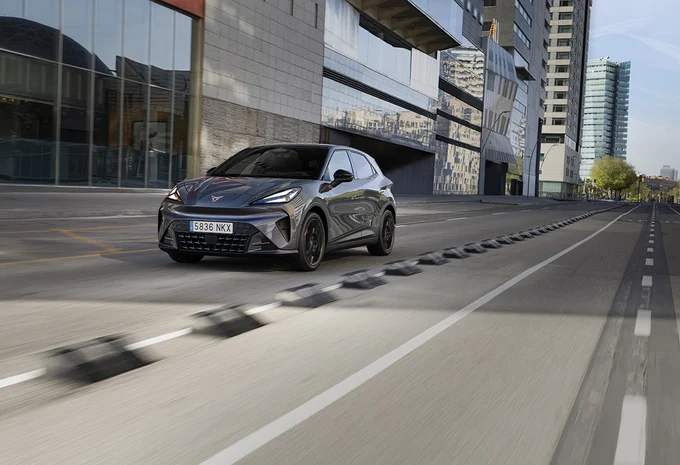
Cupra has officially opened the order books for a new, more accessible entry point to its electric vehicle lineup, unveiling the technical specifications and pricing for the 37 kWh variant of the Cupra Raval. Positioned as a stylish and performance-oriented urban hatchback, this new version aims to bridge the gap between premium electric mobility and affordability. Scheduled to arrive in Belgian showrooms by mid-September 2026, the Raval represents a strategic pivot for the Spanish brand as it seeks to capture the burgeoning B-segment electric market. With a starting price of €31,150 including VAT, this variant introduces Lithium Iron Phosphate (LFP) battery technology to the Cupra portfolio, emphasizing sustainability and cost-efficiency without sacrificing the brand’s signature emotive design.
Technical Specifications and the Shift to LFP Technology
The heart of this new Cupra Raval variant is its 37 kWh battery pack. Unlike the higher-performance versions of the Raval, which typically utilize Nickel Manganese Cobalt (NMC) chemistry, this entry-level model adopts Lithium Iron Phosphate (LFP) technology. The decision to use LFP is a calculated move by the Volkswagen Group to mitigate the rising costs of raw materials such as cobalt and nickel. LFP batteries are known for their exceptional thermal stability, longer cycle life, and lower production costs, making them an ideal choice for urban-focused vehicles where extreme energy density is less critical than longevity and price.
The 37 kWh capacity provides a maximum driving range of 320 kilometers (approximately 199 miles) based on the Worldwide Harmonized Light Vehicles Test Procedure (WLTP) cycle. While this range is lower than that of its long-range siblings, it is specifically tailored for the European urban commuter. Statistical data from urban mobility studies suggest that the average European driver covers fewer than 50 kilometers per day, meaning the Raval’s range is more than sufficient for several days of typical city use on a single charge.
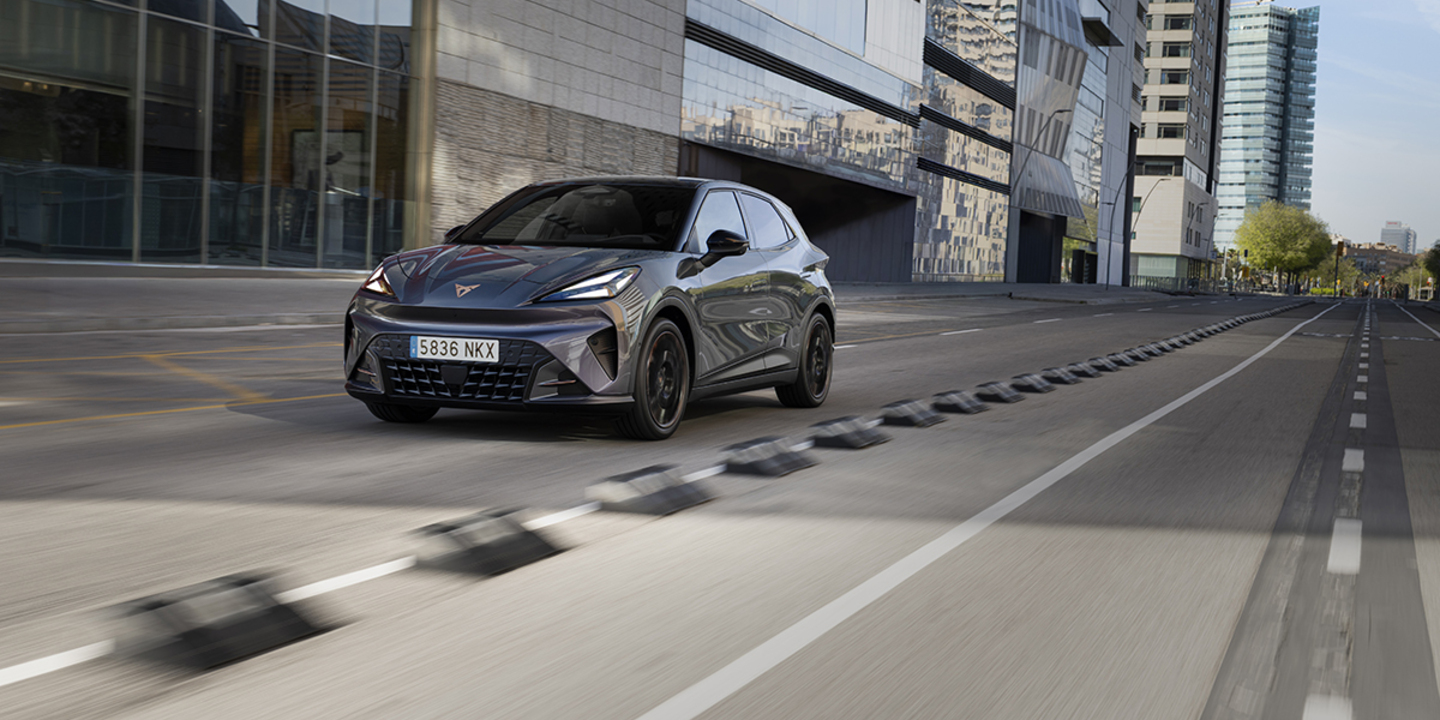
Powering the front wheels is a 99 kW electric motor, equivalent to 135 horsepower. While Cupra has yet to release official 0-100 km/h acceleration times or top speed figures for this specific configuration, the output is expected to provide the punchy, instantaneous torque characteristic of electric motors, ensuring the Raval remains nimble in heavy traffic. The vehicle is built upon the Volkswagen Group’s MEB+ platform, an evolution of the modular electric drive matrix designed specifically for compact front-wheel-drive electric vehicles.
Charging Infrastructure and Efficiency
In an era where charging speed is as vital as total range, the Cupra Raval 37 kWh offers competitive, if not groundbreaking, charging capabilities. For home or office charging, the vehicle is equipped with an 11 kW onboard AC charger. This allows for a full charge in approximately four hours, making it easy to replenish the battery overnight or during a standard workday.
For longer journeys or quick top-ups, the Raval supports DC fast charging at a maximum rate of 88 kW. While this figure may seem modest compared to the 150 kW+ rates seen in larger EVs, the smaller 37 kWh battery capacity means that charging times remain relatively short. Cupra confirms that the battery can be charged from 10% to 80% in approximately 23 minutes under optimal conditions. This efficiency is a key selling point for urban dwellers who may not have access to private charging and must rely on public fast-charging infrastructure.
Interior Design and Technological Integration
Despite its positioning as an entry-level model, the Cupra Raval 37 kWh does not compromise on interior quality or digital sophistication. The cabin is centered around a driver-focused cockpit, featuring a 10.25-inch digital instrument cluster and a large 12.9-inch central infotainment touchscreen. This screen serves as the hub for the vehicle’s connectivity features, including wireless Apple CarPlay and Android Auto integration.
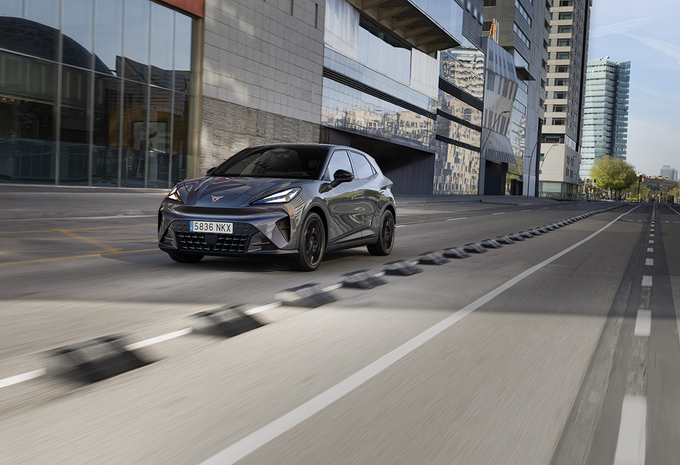
Standard equipment for the Belgian market includes sports seats that reflect Cupra’s performance pedigree, alongside high-quality sustainable materials. One of the most surprising features for a vehicle of this size is the cargo capacity. Cupra has announced a trunk volume of 441 liters, a figure that outperforms many vehicles in the segment above it. This practicality ensures that the Raval is capable of serving as a primary vehicle for small families or active individuals.
Personalization through Curated Equipment Packages
To streamline the manufacturing process and simplify the customer journey, Cupra has organized the Raval’s optional features into three distinct "Packs":
- The Edge Pack: This package focuses on convenience and modern utility. It includes a wireless smartphone charger, keyless entry and start, and a "Digital Key" that allows owners to access and start the vehicle using their smartphone. Crucially, it also introduces Vehicle-to-Load (V2L) functionality, enabling the car’s battery to power external devices, such as laptops or camping equipment.
- The Drive Pack: Aimed at enhancing safety and ease of use, the Drive Pack bundles advanced driver assistance systems (ADAS). Key features include Travel Assist, a 360-degree camera system for effortless maneuvering, and an automated parking function that can be controlled via a smartphone from outside the vehicle.
- The Light & Sound Pack: For those prioritizing the sensory experience, this pack upgrades the audio system to a 12-speaker Sennheiser setup, specifically tuned for the Raval’s cabin acoustics. It also adds advanced ambient lighting that can be customized to match the driver’s mood or driving mode.
Manufacturing and Regional Significance
The Cupra Raval is more than just a new model; it is a symbol of Spain’s industrial transformation. The vehicle was designed and developed in Barcelona and will be manufactured at the SEAT S.A. plant in Martorell. This facility is currently undergoing a multi-billion euro transformation to become one of the Volkswagen Group’s primary hubs for small electric vehicle production in Europe.
The name "Raval" itself is a tribute to the vibrant, multicultural El Raval neighborhood in the heart of Barcelona. By choosing this name, Cupra aims to align the vehicle with urban culture, youthfulness, and the "rebel" spirit that the brand has cultivated since its inception as a standalone entity in 2018. The production of the Raval in Martorell is expected to secure thousands of jobs and solidify Spain’s position as a leader in the European EV supply chain.
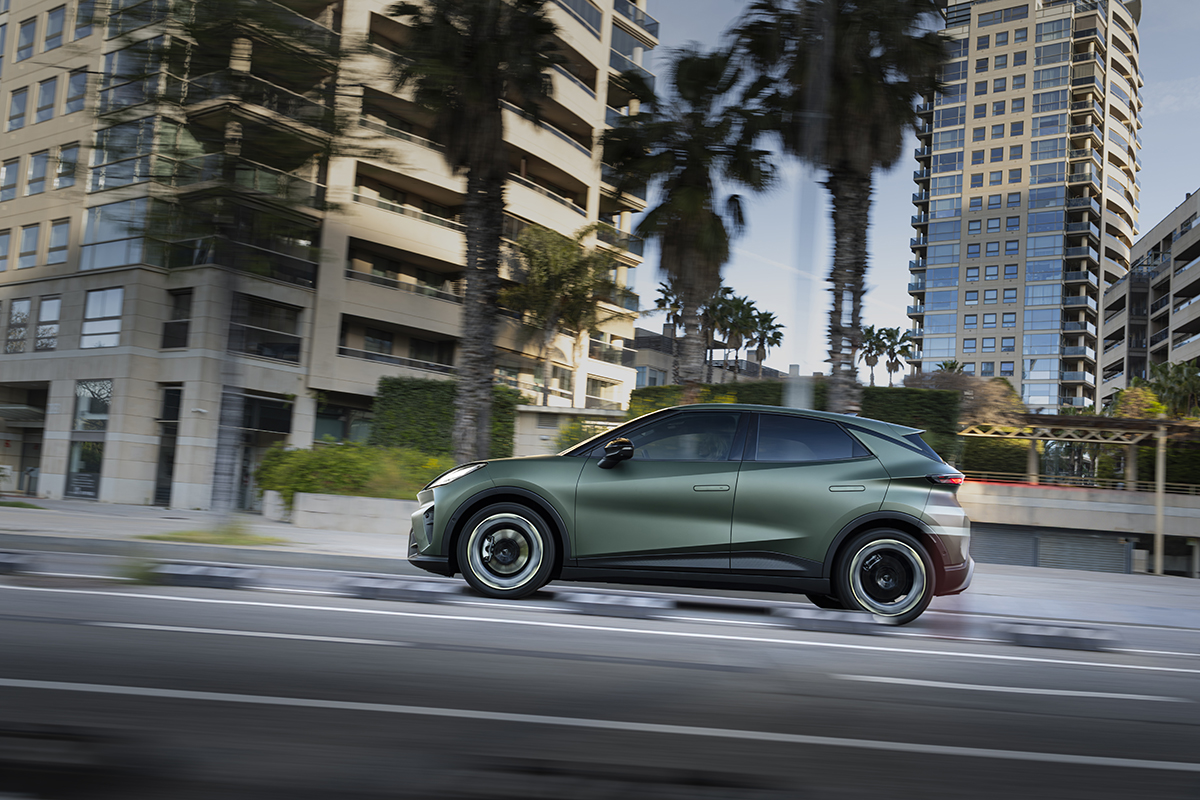
Strategic Market Positioning and Competitors
The introduction of the 37 kWh Raval at the €31,150 price point places Cupra in a fierce competitive landscape. It will go head-to-head with the Renault 5 E-Tech, which has garnered significant attention for its retro-modern design and competitive pricing. Other rivals include the Peugeot e-208, the Opel Corsa Electric, and the upcoming Volkswagen ID.2, with which the Raval shares its mechanical underpinnings.
While some competitors aim for a sub-€25,000 price point with even smaller batteries or more basic interiors, Cupra is positioning the Raval as a "premium-small" offering. The brand is betting that customers will be willing to pay a slight premium for Cupra’s distinct styling, superior interior tech, and the performance-oriented branding that distinguishes it from its Volkswagen and Skoda stablemates.
Chronology of the Raval’s Development
The journey of the Cupra Raval began in 2021 with the unveiling of the "UrbanRebel" concept at the IAA Mobility show in Munich. Initially presented as a radical, wing-adorned racing concept, it was later refined into a more production-ready concept in 2022. In 2023, Cupra CEO Wayne Griffiths officially confirmed that the production version would be named the Raval.
The 2024 announcement of the 37 kWh variant marks a critical milestone in the timeline, as it signals the finalization of the powertrain lineup ahead of the 2025 production start. The delivery timeline—scheduled for mid-September 2026—suggests a meticulous rollout strategy aimed at ensuring software stability and supply chain readiness, areas where the Volkswagen Group has faced challenges in the past with earlier MEB-based models.

Broader Implications for the European Automotive Industry
The launch of the Raval 37 kWh is a microcosm of the broader shifts occurring in the European automotive sector. As the European Union pushes toward a ban on new internal combustion engine (ICE) vehicles by 2035, the pressure to deliver affordable, European-made EVs has never been higher. The Raval’s reliance on the MEB+ platform demonstrates the importance of economies of scale; by sharing development costs across the Cupra, Volkswagen, and Skoda brands, the Group can offer advanced technology at prices that were previously unattainable for European-built EVs.
Furthermore, the adoption of LFP batteries in a European-made vehicle is a significant trend. It signals a move away from the "range at all costs" mentality and toward a more pragmatic approach to urban mobility. If the Raval succeeds, it may encourage other European manufacturers to adopt LFP chemistry for their entry-level models, potentially reducing the region’s dependence on certain high-cost minerals.
As the first units prepare to roll off the line in Martorell in 2025 for the 2026 market debut, the Cupra Raval stands as a testament to the brand’s rapid growth. From its origins as a performance trim for SEAT models to a leader in the Volkswagen Group’s small EV offensive, Cupra is proving that the transition to electric power does not have to come at the expense of character or style. For the Belgian consumer, the 37 kWh Raval offers a compelling mix of Spanish flair, German engineering, and a price tag that makes the electric dream a more tangible reality.
Related posts: