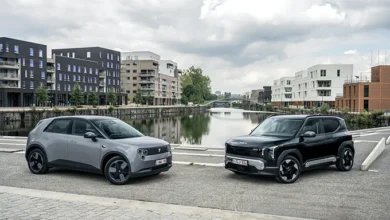
The Battle for the Compact Electric Segment Kia EV2 versus Firefly and the Quest for Interior Efficiency

The transition to electric mobility was long heralded as a revolution that would fundamentally alter the landscape of automotive design, shifting focus from traditional mechanical constraints to a new paradigm of functional optimization. This prediction was rooted in the inherent flexibility of the electric powertrain. Unlike internal combustion engines (ICE), which require significant space for the engine block, transmission tunnels, and exhaust systems, electric motors are remarkably compact. When integrated into a dedicated "skateboard" chassis, this allows designers to push wheels to the corners, shorten overhangs, and maximize the cabin volume. On paper, the promise was simple: a vehicle with the exterior footprint of a small city car could provide the interior luxury and legroom of a mid-sized sedan. However, as the market matures, the application of this theory has faced the stubborn reality of consumer psychology and market segmentation.
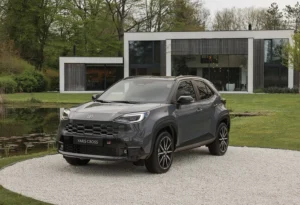
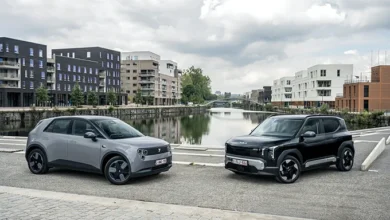
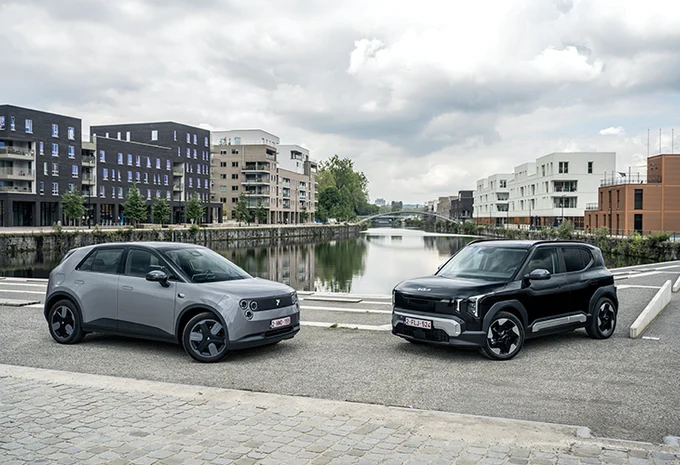
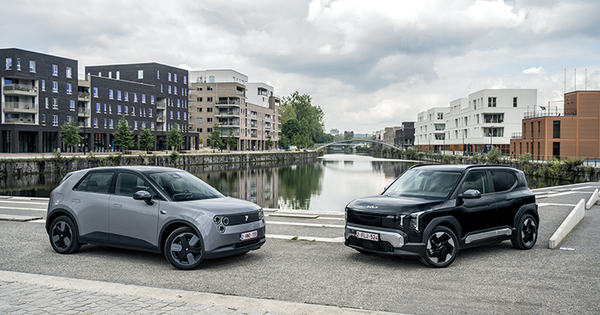
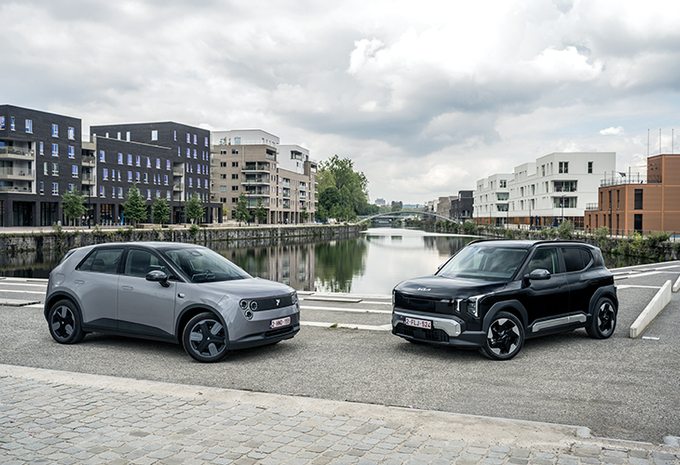
In the premium and executive segments, such as the E-segment occupied by long-distance cruisers, buyers remain deeply attached to physical presence and outward status. For these consumers, the fact that a D-segment electric car might offer equivalent interior space to an E-segment petrol car is often secondary to the prestige associated with a larger, more imposing exterior. However, this dynamic shifts dramatically when examining the entry-level and compact categories. In these "lower" segments, where price sensitivity is high and urban maneuverability is essential, the efficiency of "packaging"—the art of maximizing usable space within a limited footprint—becomes the primary battlefield. It is here that the Kia EV2 and the new Firefly brand are preparing to compete, both claiming to offer the interior dimensions of a C-segment vehicle like the Renault Megane within an exterior frame no larger than a B-segment Renault 5.
The Engineering Philosophy of the Compact EV
The core of the competition between the Kia EV2 and the Firefly lies in how each manufacturer utilizes dedicated electric platforms. Traditional manufacturers often spent the early 2020s "electrifying" existing ICE platforms, which resulted in compromised interior space due to the need to accommodate fuel tanks and transmission humps. The new generation of compact EVs, however, is built on bespoke architectures. Kia utilizes a scaled version of the Hyundai Motor Group’s E-GMP (Electric-Global Modular Platform), while Firefly—a sub-brand of the Chinese premium EV maker Nio—is developing a platform specifically tailored to European tastes and urban constraints.
By removing the bulky components of a combustion engine, engineers have been able to extend the wheelbase—the distance between the front and rear wheels—significantly. In a vehicle like the Kia EV2, this means that even though the car is short enough to park easily in crowded European city centers, the rear-seat passengers enjoy legroom comparable to much larger SUVs. This "tardis effect" is the primary selling point for a demographic that is increasingly looking to downsize their environmental footprint without sacrificing the practicality required for family life.
Chronology of the Affordable EV Race
The development of the Kia EV2 and the Firefly brand must be viewed within the broader timeline of the European automotive shift.
2021-2022: Following the success of high-end EVs like the Kia EV6 and the Nio ET7, both companies identified a massive gap in the market for affordable electric mobility. While Tesla dominated the mid-range, the sub-€30,000 segment remained underserved, dominated by older technology or small-battery city cars with limited range.
2023: Kia officially confirmed its "EV" nomenclature strategy, outlining a lineup ranging from the EV1 to the EV9. The EV2 was positioned as the crucial entry point for the European market, designed specifically to meet the demand for compact hatchbacks and crossovers. Simultaneously, Nio’s "Project Firefly" was leaked, revealing the company’s intent to launch a more affordable brand to circumvent the high price points of its premium battery-swapping sedans.
2024: Prototyping and testing began in earnest. Spy shots of the Kia EV2 testing in Sweden and the Firefly hatchback testing in China suggested that both vehicles were nearing production readiness. The industry began to see a convergence in specs: both aimed for a starting price between €20,000 and €25,000.
2025 (Projected): The official global debuts of both the Kia EV2 and the first Firefly model are expected. This year is viewed by analysts as the "tipping point" for EV adoption in Europe, as stricter Euro 7 emissions standards and fleet CO2 targets force manufacturers to pivot away from small petrol engines entirely.
Supporting Data: Space, Power, and Pricing
To understand the competitive edge of these vehicles, one must look at the comparative data. The Renault 5 E-Tech, which serves as the benchmark for this segment, has a length of approximately 3.92 meters. Both the Kia EV2 and the Firefly are expected to sit in the 4.0 to 4.1-meter range. However, their wheelbases are projected to exceed 2.6 meters—a figure traditionally reserved for cars in the class above.
Battery technology also plays a pivotal role in this space-efficiency battle. To keep costs down, both manufacturers are expected to utilize Lithium Iron Phosphate (LFP) batteries. LFP cells are less energy-dense than the Nickel Manganese Cobalt (NMC) cells found in high-end Teslas, but they are significantly cheaper to produce and more durable over thousands of charge cycles. Kia is rumored to be targeting a range of 300 to 400 kilometers (WLTP) for the EV2, depending on the battery configuration. Firefly, leveraging Nio’s expertise, may offer a unique advantage: compatibility with battery-swapping stations, allowing a "refill" in under five minutes, though the smaller footprint of the Firefly car may require a new, smaller generation of swap stations.
Official Responses and Strategic Positioning
Kia Europe’s leadership has been vocal about the importance of the EV2. In recent briefings, executives have emphasized that the EV2 is not merely a "cheap" car, but a "concentrated" Kia. "The challenge is to deliver the same level of technology and safety found in our flagship EV9 but in a package that is accessible to the average European household," a spokesperson noted during a recent industry forum. Kia’s strategy relies on its established dealership network and a reputation for reliability and long warranties.
In contrast, Firefly represents a bold move by Nio to capture the European volume market. By creating a separate brand, Nio protects its premium image while competing directly with the likes of Volkswagen and Renault. Industry analysts suggest that Firefly’s success will depend on its ability to localize production. With the European Commission recently imposing provisional countervailing duties on Chinese-made EVs, Nio is reportedly exploring manufacturing partnerships within the EU to ensure the Firefly remains price-competitive.
Broader Implications for the Automotive Industry
The emergence of the Kia EV2 and Firefly signals a broader shift in how cars are marketed and sold. The "size equals status" era is being challenged by an "efficiency equals intelligence" era. If these manufacturers can truly deliver Megane-level space in a Renault 5-sized car, it could render the traditional B-segment petrol hatchback obsolete.

Furthermore, this competition highlights the intensifying rivalry between South Korean and Chinese automakers for dominance in the European "green" transition. While European legacy brands like Volkswagen (with the ID.2) and Renault are racing to catch up, Kia and Firefly are leveraging more agile supply chains and faster development cycles.
The implications for urban planning are also significant. Smaller, more space-efficient vehicles reduce the "urban sprawl" of parked cars on city streets. If the Kia EV2 and Firefly succeed, they will prove that the electric revolution’s greatest achievement is not just the elimination of tailpipe emissions, but the radical optimization of the limited space we share in our increasingly crowded cities.
As the automotive world looks toward 2025, the focus will remain on whether these ambitious packaging goals translate to the "real world." If the Kia EV2 can provide a comfortable family environment and the Firefly can offer a seamless charging or swapping experience at a budget-friendly price, the traditional hierarchy of the automotive market will be forever transformed. The question is no longer just about how far a car can go on a single charge, but how much life can be lived inside it while it occupies the smallest possible space on the road.
Related posts: