As the thought-provoking and playful exhibition Picture Perfect at Brussels’ renowned arts centre, Bozar, enters its final weeks, the institution is offering a compelling opportunity for wider public engagement. On Belgium’s national holiday, July 21st, visitors can experience the exhibition at a significantly discounted price while immersing themselves in a special "Beauty Market" designed to complement the show’s core themes. This dual offering aims to democratize access to contemporary art and foster a deeper understanding of the complex relationship between beauty, identity, and societal norms.
A Celebration of Beauty on Belgium’s National Day
The "Celebration of Beauty" event on July 21st is designed to be a multifaceted experience. With the purchase of an exhibition ticket, priced at a 50% discount for adults and offered free of charge for individuals under 18, attendees gain access to a curated selection of activities hosted within Bozar’s Rotonde Suzanne Bertouille. This strategic pricing aims to attract a diverse audience, from art enthusiasts to families seeking engaging cultural experiences.

The Beauty Market itself is a testament to the exhibition’s exploration of how beauty is constructed and perceived. Collaborations with Palazzo Brussels will facilitate a life drawing workshop, allowing participants to engage directly with the human form and its aesthetic representation. Further enriching the experience will be color analysis sessions, offering personalized insights into how hues can enhance individual appearance. For those interested in personal grooming, Kelali Nails will provide personalized nail art, while dedicated hairstyling workshops will focus specifically on techniques for textured hair, acknowledging and celebrating a broader spectrum of beauty. The celebratory atmosphere is set to extend into the evening, culminating on Bozar’s rooftop with events continuing until 23:00, offering a panoramic view of Brussels as a backdrop to artistic reflection.
Picture Perfect: Challenging and Redefining Beauty Standards
Running until August 16th, Picture Perfect. Beauty through a contemporary lens is more than just an art exhibition; it serves as a critical manifesto, challenging the often-rigid and Western-centric beauty standards that have permeated global society. Launched in the spring, this exhibition is Bozar’s second thematic exploration into fundamental human motivations, positioning the concept of beauty as a significant driving force. The exhibition posits that the images we project of ourselves, and those that are imposed upon us, are deeply intertwined with societal expectations and the pervasive influence of visual media.
The exhibition showcases the work of 65 contemporary Belgian and international artists, with a particular focus on lens-based media created from 1968 to the present day. This includes a diverse range of mediums such as photography, video, film, and even artistic video games, all of which contribute to the exhibition’s central discourse on visual representation and its impact on our understanding of beauty. Curator Christel Tsilibaris highlights the deliberate choice of lens-based media, stating, "The choice of lens-based media artworks in the exhibition emphasizes the strong link between beauty and photography. Now central to our daily existence and always close at hand in our smartphones, the camera has led the way in enhancing appearances and creating unachievable goals." This statement underscores the exhibition’s relevance in an era dominated by social media and the constant curation of online personas.
A Spectrum of Voices and Visual Languages
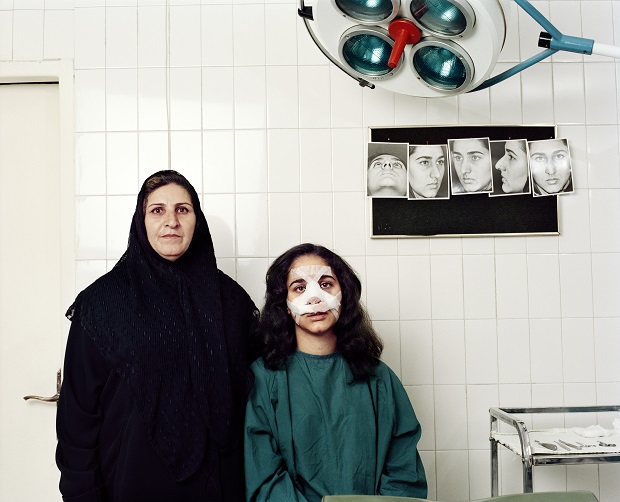
Picture Perfect features a distinguished roster of artists, including globally recognized figures such as Rineke Dijkstra, Cindy Sherman, Pipilotti Rist, and Ana Mendieta. Alongside these prominent names, the exhibition also gives significant space to emerging and lesser-known artists, ensuring a rich tapestry of perspectives. The collective body of work interrogates established stereotypes of beauty, either by directly confronting and dismantling them or by reclaiming and redefining beauty through new visual languages that embrace the full spectrum of human experience. This includes a deliberate focus on diversity, the natural process of aging, and the nuances of queer identities, all of which have historically been marginalized within mainstream beauty narratives.
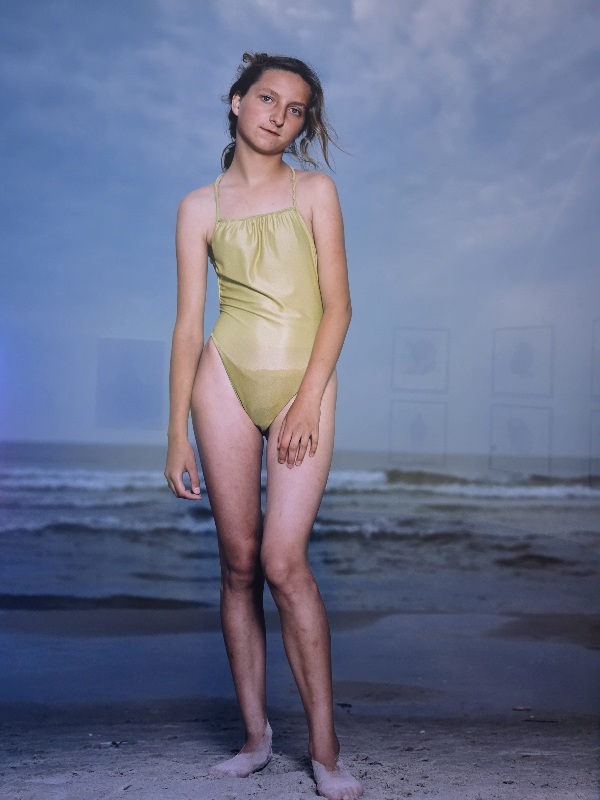
Photography, as expected, plays a pivotal role in the exhibition. Rineke Dijkstra’s poignant beach portraits of adolescent girls, captured in moments of awkwardness and vulnerability while adopting idealized poses reminiscent of classical sculptures, offer a nuanced perspective on the transition into womanhood. These images, part of her acclaimed series, stand in stark contrast to the vacant expressions of young girls in American beauty pageants, serving as a powerful indictment of how cultural norms can shape and even burden childhood.
Reclaiming and Deconstructing Beauty
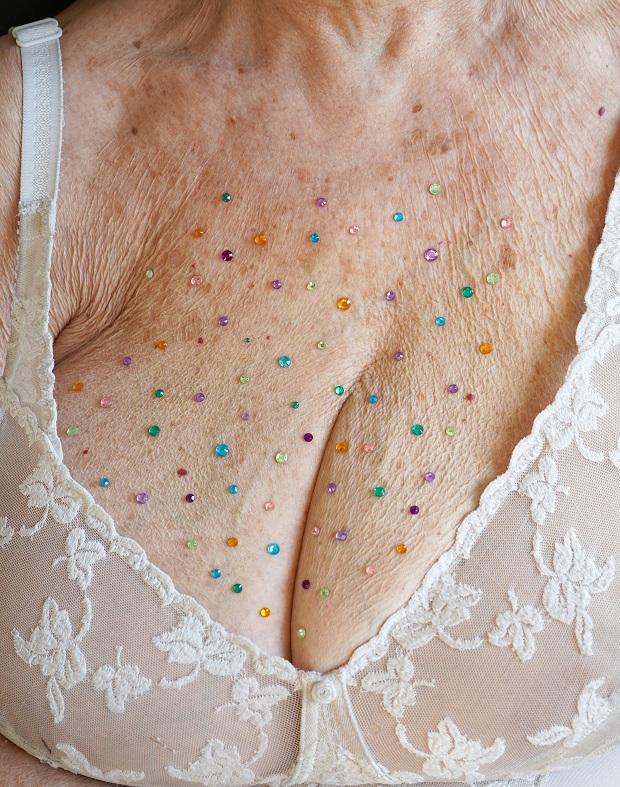
Further expanding on the theme of societal impositions, Eleanor Antin’s seminal 1970 work, "Carving," is revisited. This piece documented her daily weight loss through a series of photographs. In a contemporary reinterpretation, Antin, now in her octogenarian body, recreates similar poses while on a crash diet, directly addressing notions of aging and femininity as socially constructed ideals. The original title, referencing Greek sculptors chiseling away at marble to achieve an ideal form, takes on a new resonance when applied to the female body and the pressures of maintaining youthfulness.
Video art also contributes significantly to the exhibition’s dialogue. Laure Cottin Stefanelli’s work, featuring Belgian bodybuilder Jennifer, offers an unflating look at the rigorous preparation and performance involved in competitive bodybuilding. The extended close-ups of her muscular physique challenge conventional perceptions of feminine beauty, demonstrating strength and dedication as integral components of aesthetic appeal.
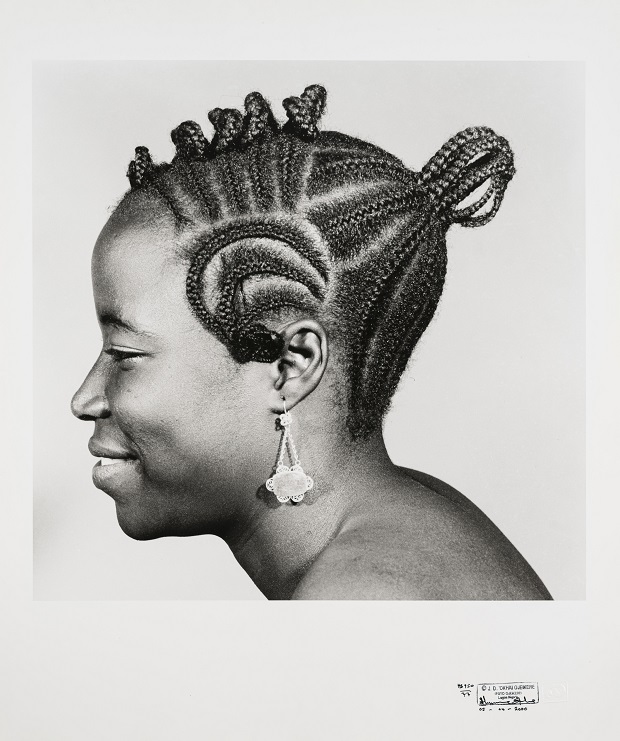
The global reach of Western beauty standards is critically examined by photographer Zed Nelson. His series, "Love Me," meticulously illustrates the pursuit of uniformity in physical attributes across different cultures, highlighting how these standards have been exported and adopted worldwide. In contrast, Okhai Oijekere’s evocative studio portraits of Nigerian women, adorned with elaborate hairstyles, celebrate the richness of heritage and tradition in shaping both female and male identities. These images underscore the importance of cultural context in defining beauty and personal adornment.
William Cobbing’s performative video, "Will.je.suis," presents a disquieting yet compelling visual. The artist repeatedly slices away at clay encasing his head, revealing dripping colors. This act of self-sculpting, with its visceral repulsion and manipulation of appearance, echoes a primal relationship with the body and the inherent tension between self-perception and external presentation.
The Influence of Advertising and the Power of Critique
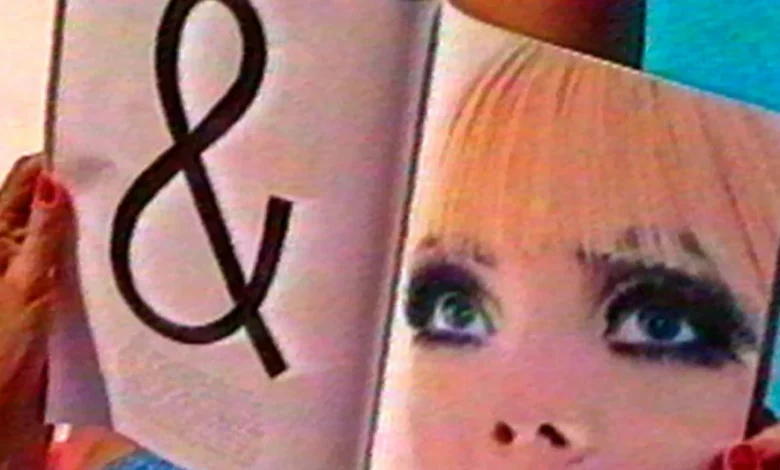
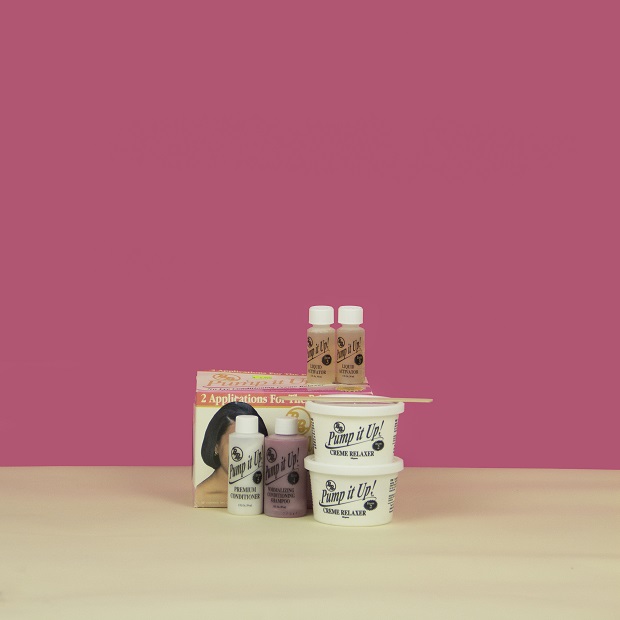
Beyond individual artistic expressions, Picture Perfect delves into the pervasive influence of advertising on our perception of Western beauty. The exhibition acknowledges that this profit-driven industry has a profound impact on the beauty market, and artists are positioned as powerful critics of this commercial objectification of bodies, particularly those of women.
Following this critique of mass-produced beauty ideals, Maria Tsagkari’s participatory artwork, #Loveshots, offers a space for personal reflection and validation. Complementing this is a dedicated reading room, stocked with feminist literature, providing visitors with resources for further exploration of the exhibition’s themes.
In a powerful display of resilience and advocacy, Haley Morris-Cafiero confronts body-shaming head-on. Her photographic series documents her response to hateful online comments. After receiving a barrage of negative feedback on previous self-portraits, she turned the tables by mimicking the online profiles of her bullies and wearing clothing emblazoned with their hurtful remarks. This act transforms vulnerability into strength and reclaims agency from online harassment.
A Universal Theme, Diverse Expressions
Zoe Gray, Director of Exhibitions at Bozar, emphasizes the universal relevance of the exhibition’s theme. She notes that while there is a strong focus on female artists, this is a natural consequence of more women artists engaging with the subject of beauty. "I think that the exhibition succeeds in bringing different voices because there are also works about aging and fragility, and that’s relevant to us all," Gray stated. This sentiment highlights the exhibition’s aim to connect with a broad audience by addressing deeply human experiences that transcend gender and age.
The exhibition culminates with Bozar Arcade, offering free access to artistic video games that continue the exploration of beauty, aging, and self-acceptance. Notably, Short Memories by Brussels-based developer Guillaume Pauli is featured, providing an interactive platform for these complex themes.
The inclusion of artistic video games represents a forward-thinking approach to exhibition design, recognizing the medium’s growing cultural significance and its potential to engage new audiences with critical discourse. This final section ensures that the exhibition’s message resonates beyond traditional art forms, fostering a dialogue that is both contemporary and inclusive.
The extended run and the special National Day programming indicate Bozar’s commitment to making this significant exhibition accessible and engaging for a broad public, encouraging critical reflection on the pervasive and often challenging concepts of beauty in the 21st century. The exhibition’s comprehensive scope, from individual artistic interpretations to the broader societal and commercial influences, positions Picture Perfect as a vital contribution to contemporary cultural discourse in Brussels and beyond.