The Science and Evolution of LED Light Therapy in Modern Skincare and the Emerging Role of Green Light Technology

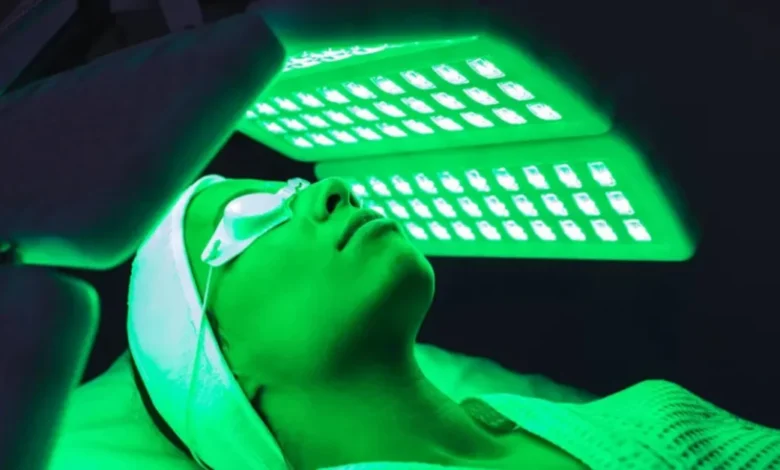
The landscape of dermatological care has undergone a significant transformation over the last decade, shifting from exclusive clinical environments to the convenience of the home bathroom. At the center of this revolution is Light Emitting Diode (LED) therapy, a non-invasive treatment that utilizes specific wavelengths of light to trigger natural cellular processes. While red and blue lights have long dominated the market for their anti-aging and anti-acne properties, a new contender has emerged in the spotlight: green light therapy. This emerging trend promises to address hyperpigmentation and uneven skin tone, sparking both consumer excitement and scientific scrutiny regarding its actual efficacy.
The Chronological Development of LED Photobiomodulation
To understand the current popularity of LED masks, one must look back at the origins of photobiomodulation. The technology was not initially conceived for the beauty industry. In the 1990s, NASA began experimenting with LEDs to promote plant growth in space and subsequently discovered that these light sources could aid in the healing of wounds for astronauts. By the early 2000s, the medical community began adopting LED technology for various therapeutic uses, including the treatment of skin cancers through photodynamic therapy and the acceleration of post-surgical recovery.
The transition to the aesthetic sector occurred as researchers realized that low-level light therapy could stimulate collagen production without causing thermal damage to the skin. For years, these treatments were expensive and required visits to high-end dermatology clinics. However, the mid-2010s saw a surge in consumer electronics, leading to the development of portable, battery-operated LED masks. Today, the global LED beauty device market is a multi-billion-dollar industry, fueled by a growing consumer preference for "clean beauty" and non-invasive alternatives to chemical peels or laser resurfacing.
The Physics of Light: How Wavelengths Interact with Human Tissue
The efficacy of LED therapy is entirely dependent on the wavelength of the light, measured in nanometers (nm). The wavelength determines two critical factors: the color of the light and the depth to which it can penetrate the skin’s layers.
Blue light, typically ranging from 400 to 470 nm, operates on a superficial level. Its primary target is the Propionibacterium acnes bacteria that reside within the pores. By generating singlet oxygen, blue light effectively neutralizes these bacteria, reducing the frequency and severity of acne breakouts without the need for systemic antibiotics.
Red light, oscillating between 630 and 700 nm, reaches deeper into the dermis. Here, it interacts with the mitochondria—the powerhouse of the cell. By stimulating cytochrome c oxidase, red light increases the production of Adenosine Triphosphate (ATP), which accelerates cellular repair, boosts collagen synthesis, and reduces inflammation. Dr. Thomas Maselis, a prominent Belgian dermatologist and president of Euromelanoma, notes that red light therapy is particularly effective for muscle recovery and the regeneration of nerve tissue located just beneath the cutaneous surface.
Near-Infrared (NIR) light, which is invisible to the human eye and operates above 700 nm, penetrates the deepest. In a clinical setting, NIR is frequently utilized for pain management and deep-tissue healing, though it is often marketed in consumer devices as a tool for "deep rejuvenation."
The Green Light Phenomenon: Addressing Hyperpigmentation
The most recent addition to the commercial LED spectrum is green light, generally centered around 525 nm. As a mid-range wavelength, green light does not penetrate as deeply as red light, focusing its energy on the upper layers of the epidermis where melanocytes—the cells responsible for skin pigment—are located.
The theoretical mechanism behind green light therapy involves the regulation of melanin production. Dr. Maselis explains that green light is believed to slow the transformation of tyrosine into eumelanin. Tyrosine is an amino acid essential for various cellular functions, but when oxidized, it becomes the primary pigment responsible for the dark spots and "age spots" that appear due to sun damage or hormonal changes. By inhibiting this process, green light therapy aims to fade existing hyperpigmentation and prevent the formation of new spots, leading to a more uniform complexion.
Despite the logical framework, Dr. Maselis urges caution. "To date, we do not yet have robust scientific studies that truly demonstrate this effect in a clinical setting," he states. "For now, the benefits of green light remain largely theoretical." This gap between marketing claims and scientific consensus is a common theme in the rapidly evolving skincare technology sector.
Market Trends and the Rise of At-Home Skincare Technology
The proliferation of at-home LED masks is a reflection of a broader shift in consumer behavior. Data from market research firms suggests that the "at-home beauty device" segment is growing at a compound annual growth rate (CAGR) of over 15%. Several factors contribute to this:
- Accessibility: Devices that once cost thousands of dollars are now available for a few hundred, making professional-grade technology accessible to a wider demographic.
- Non-Invasiveness: Unlike laser treatments or chemical injections, LED therapy carries virtually no risk of scarring or downtime, appealing to those with sensitive skin.
- Social Media Influence: The "Instagrammable" nature of glowing LED masks has turned a medical treatment into a viral wellness ritual, championed by celebrities and influencers alike.
However, the efficacy of home devices often pales in comparison to professional units. Professional lamps used by dermatologists have a higher "irradiance"—the power of the light delivered to the skin. Many consumer masks are underpowered, requiring longer and more frequent sessions to achieve visible results.
Expert Analysis: Limitations and Safety Considerations
While LED therapy is generally considered safe, it is not a universal panacea. Dr. Maselis highlights that the amount of pigment already present in a person’s skin can significantly alter the treatment’s impact. Melanin is highly efficient at absorbing light energy. In individuals with darker skin tones (higher on the Fitzpatrick scale), the skin may absorb more light at the surface, causing it to heat up more rapidly and potentially preventing the light from reaching deeper targets.
Furthermore, the "patience factor" cannot be overstated. Unlike a cosmetic filler that provides instant volume, LED therapy works on a biological timeline. "The results take time," Maselis emphasizes. "The treatment must be repeated very regularly over weeks or even months. One must be prepared to dedicate that time to the process."
Safety protocols are also paramount. Experts advise that LED masks should be avoided by individuals with:
- Specific photosensitivity disorders or lupus.
- A history of migraines triggered by bright lights.
- Epilepsy, particularly for devices that may have a flickering effect.
- Current prescriptions for photosensitizing medications, such as certain antibiotics (tetracyclines) or Isotretinoin (Accutane).
The Future of Phototherapy in Dermatology
As the industry moves forward, the integration of multiple wavelengths is becoming the standard. Most high-end devices now offer "multi-mode" settings, allowing users to combine red and blue light for inflammatory acne or red and green light for aging and pigmentation.
Looking ahead, the next frontier in LED therapy involves "smart" devices. These units use skin sensors to measure moisture levels and pigment density, automatically adjusting the light intensity and duration to suit the individual user’s needs. There is also ongoing research into the use of yellow (amber) light for treating redness and rosacea, further expanding the rainbow of therapeutic options.
Conclusion and Professional Perspective
The rise of green light therapy represents the latest chapter in the ongoing integration of physics and aesthetics. While the scientific community, represented by experts like Dr. Thomas Maselis, remains cautious about the definitive results of green light for pigmentation, the broader field of LED therapy stands on a solid foundation of clinical success.
Dr. Maselis, through his work with Euromelanoma and the Belgian scientific society of dermatologists, continues to advocate for a balanced approach. He stresses that while technology can enhance skin health, it should not replace fundamental sun protection and professional medical consultation. As the "skintellectual" movement continues to grow, the demand for data-backed, non-invasive treatments will likely drive the next generation of LED innovation, potentially turning today’s theoretical green light benefits into tomorrow’s proven clinical standards.
For the average consumer, the message is clear: LED therapy is a powerful tool for maintenance and prevention, but it requires high-quality equipment, consistent use, and a realistic understanding of biological limitations. In the quest for perfect skin, light may indeed be the future, but it must be guided by the rigorous standards of dermatological science.