Navigating Belgiums Waterways A Comprehensive Guide to License-Free Boat Rentals and the Rise of River Tourism in the Heart of Europe

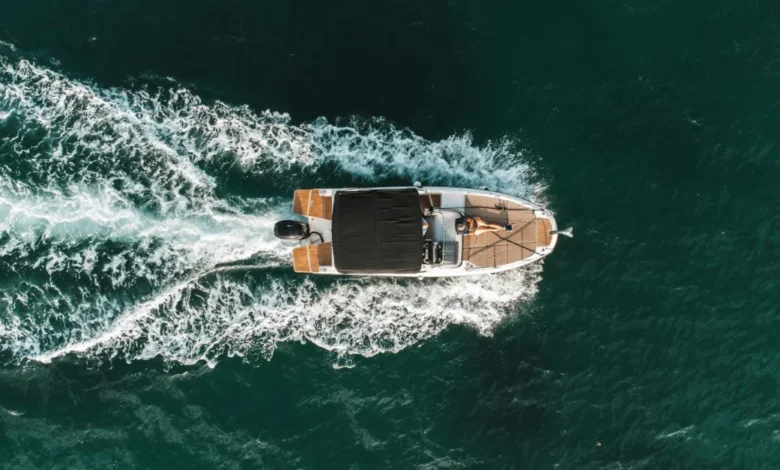
The Belgian landscape, characterized by an intricate network of rivers and canals, is increasingly becoming a focal point for a burgeoning domestic tourism sector centered on license-free boating. As summer temperatures rise and travelers seek alternatives to traditional coastal vacations, the accessibility of Belgium’s inland waterways—specifically the Meuse, the Sambre, and the Lys—has transformed from a niche hobby into a mainstream recreational staple. The democratization of nautical activities allows individuals without formal maritime training or permits to pilot small vessels, offering a unique vantage point of the country’s historic citadels, modern urban developments, and preserved natural corridors. This shift reflects a broader European trend toward "slow tourism," where the journey and the environmental connection take precedence over speed and distance.
The Legal Framework and Technical Accessibility of License-Free Boating
In Belgium, the regulation of inland navigation distinguishes between commercial shipping, high-performance leisure craft, and low-speed recreational vessels. Under current maritime statutes, boats that do not exceed a length of 15 meters and cannot travel faster than 20 kilometers per hour generally do not require a formal "brevet de conduite" (navigation permit). This regulatory threshold has paved the way for rental companies to offer "bateaux sans permis," typically powered by small outboard engines or increasingly popular electric motors. These vessels are engineered for stability and ease of use, often featuring simplified controls—a single lever for forward, neutral, and reverse—making them accessible to novices. Before departure, rental agencies provide a mandatory technical briefing covering safety protocols, right-of-way rules on the water, and the mechanics of the vessel, ensuring that the influx of amateur sailors does not compromise the safety of the busy Belgian waterways.
Strategic Hubs for Water-Based Exploration: Five Key Locations
The expansion of the rental market is concentrated in five primary regions, each offering a distinct cultural and geographical experience. These hubs have integrated boat rentals into their broader urban and tourism development strategies, often revitalizing former industrial quays.
1. Namur: The Strategic Confluence and the Citadel View
In the Walloon capital, Les Capitaineries de Namur manages a fleet of license-free boats at the confluence of the Meuse and the Sambre. This location is historically significant, as the confluence was the primary reason for the city’s fortification. Navigating these waters allows for a panoramic view of the Citadel of Namur, a UNESCO World Heritage site, and the "Elysette," the seat of the Walloon Government. The boats in Namur are designed for groups of up to seven people, with a standardized pricing model of approximately 70 euros per hour. Local tourism officials have noted that the "Confluence" project, which recently renovated the Grognon area, has significantly increased foot traffic to the docks, integrating the river back into the daily life of the city.
2. Dinant: The "Perle de la Meuse" and Urban Integration
Further south in the province of Namur, Dinant Evasion operates in what is arguably Belgium’s most picturesque river setting. The boats are moored in the heart of the city, near the iconic collegiate church and the cliffside citadel. The navigation zone extends from the Dinant dam to the Anseremme dam, providing a mix of urban architecture and the rugged limestone cliffs typical of the Upper Meuse valley. At a rate of 62 euros per hour for a seven-person vessel, the service targets day-trippers and "city-break" tourists. Analysts suggest that the central location of these rentals serves as a "tourism multiplier," encouraging visitors to stay in the city for dining and shopping after their excursion.
3. Ghent: Urban Heritage and the Tranquility of the Lys
In Flanders, the Minerva Boat Company in Ghent offers a different experience by navigating the intersection of history and modern student life. Ghent’s waterways are notoriously busy, particularly during the summer months and the Gentse Feesten. Consequently, the company offers various tiers of vessels, including standard boats, "cabrio" models, and luxury sloops, with prices ranging from 65 to 90 euros per hour. Due to the complexity of Ghent’s canal system, beginners are often directed toward the Lys (Leie) river outside the city center, where the traffic is lighter and the banks are lined with lush greenery. For those wishing to enter the historical center, a higher level of vigilance is required, reflecting the city’s commitment to maintaining a functional and safe shared waterway.
4. Hasselt: The Modernization of the "Quartier Bleu"
The city of Hasselt has utilized its waterways as a centerpiece for urban renewal. "What The Fleet" operates out of the Quartier Bleu, a high-end residential and commercial district. Unlike the self-drive models in Namur or Dinant, Hasselt’s approach often includes a private skipper, positioning the service as a premium "private cruise" experience. This model caters to a demographic looking for luxury and relaxation without the responsibility of piloting. A 2.5-hour excursion for six people costs approximately 250 euros, including options for high-end catering. This reflects a diversification in the market where "license-free" does not always mean "self-piloted," but rather focuses on the lack of a requirement for the passenger to hold a permit.
5. Thuin and the Abbaye d’Aulne: Ecological and Heritage Tourism
The Sambre river near Thuin offers a stark contrast to the urban settings of Ghent or Namur. Operating from the Café Leblon near the ruins of the Abbaye d’Aulne, this rental service utilizes silent electric boats. This choice of technology is deliberate, aiming to preserve the tranquility of the historic site and minimize the environmental impact on the river’s ecosystem. The pricing is the most accessible among the five spots, at 30 euros per hour, making it a popular choice for local families. The integration of the ruins of a Cistercian abbey with eco-friendly boating illustrates the potential for "green" tourism to revitalize rural heritage sites.
Chronology of Development: From Industrial Arteries to Leisure Corridors
The transformation of Belgian rivers into leisure hubs has followed a specific timeline:
- 19th to mid-20th Century: The Meuse and Sambre served primarily as industrial highways for coal and steel transport.
- 1990s: Following the decline of heavy industry, regional governments began investing in "RAVeL" networks (autonomous paths for slow users) along riverbanks, laying the groundwork for recreational use.
- 2010s: The "Staycation" trend began to emerge, supported by the Walloon and Flemish tourism boards (Visit Wallonia and Visit Flanders), who identified river tourism as a key growth sector.
- 2020-Present: The COVID-19 pandemic acted as a massive catalyst. With international travel restricted, Belgians rediscovered their own waterways. This period saw a 40% increase in domestic boat rental inquiries, leading to the expansion of fleets and the introduction of more electric vessels to meet modern environmental standards.
Economic Impact and Supporting Data
The economic implications of river tourism are substantial. According to data from the Walloon Department of Tourism, nautical tourism contributes tens of millions of euros annually to the regional economy. A study on "blue tourism" indicates that for every euro spent on a boat rental, an additional 2.50 to 3.00 euros are spent in the local economy on food, beverage, and retail.
Furthermore, the shift toward electric propulsion is backed by regional subsidies. The "Plan Air-Climat-Énergie 2030" in Wallonia encourages the electrification of small leisure fleets to reduce carbon emissions and noise pollution, which is vital for protecting the biodiversity of riverbanks. In Flanders, the "Blue Deal" focuses on water management, where recreational use is balanced with the need for drought prevention and water quality maintenance.
Official Responses and Safety Considerations
Tourism authorities have expressed strong support for the expansion of license-free boating, provided safety standards remain high. A spokesperson for the Service Public de Wallonie (SPW) Mobilité et Voies hydrauliques recently stated that while the rivers are open for all, the coexistence of large commercial barges and small rental boats requires "strict adherence to signaling and speed limits."
Rental companies have responded by installing GPS tracking on many vessels to ensure they do not wander into prohibited commercial zones or dangerous weir areas. Moreover, the industry has seen a move toward "all-inclusive" safety packages, where life jackets for all ages and waterproof maps are standard inclusions in the rental price.
Broader Implications: Sustainability and Urban Planning
The rise of license-free boating in Belgium is more than a seasonal trend; it is a manifestation of how modern cities are re-evaluating their relationship with water. In Ghent and Hasselt, the presence of leisure boats has influenced architectural decisions, leading to the creation of more "water-facing" public spaces.
From an environmental perspective, the move toward electric boats at sites like the Abbaye d’Aulne serves as a pilot for future regulations. There is an ongoing debate among European maritime regulators about eventually mandating zero-emission engines for all inland leisure craft by 2040. Belgium’s current rental market is effectively serving as a testing ground for these sustainable technologies.
In conclusion, the accessibility of Belgium’s waterways through license-free boat rentals offers a multifaceted benefit: it promotes local heritage, stimulates regional economies, and fosters a deeper appreciation for the country’s natural and historical landscape. As the sector continues to evolve, the focus will likely remain on balancing this increased accessibility with environmental stewardship and the safety of all who share the water. For the modern traveler, these five locations represent the pinnacle of Belgian "slow travel," providing a serene yet engaging way to explore the heart of Europe from the waterline.