The Rise of Shaved Frozen Produce How the Givre Trend is Redefining Summer Gastronomy and Home Cooking

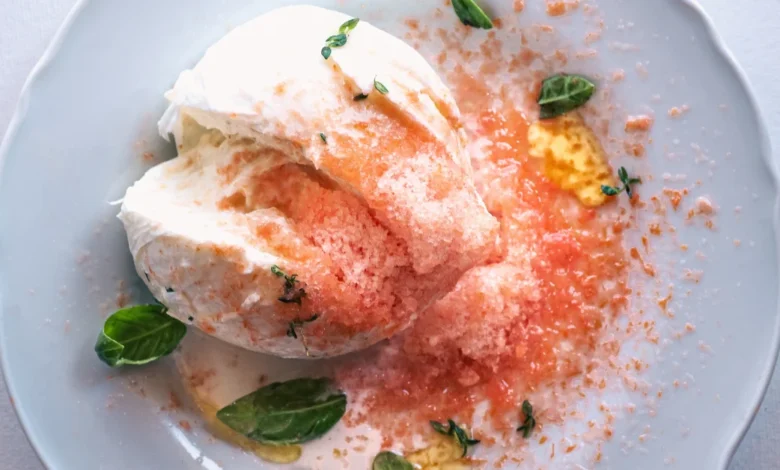
As global temperatures continue to reach record highs, the traditional boundaries of summer home cooking are being redrawn by a viral culinary phenomenon known as the "légume givré" or frozen shaved vegetable. This technique, which has migrated from high-end experimental kitchens to the digital mainstream via platforms like Instagram and TikTok, offers a radical departure from the standard salads and cold cuts that typically dominate European dinner tables during heatwaves. By transforming staple summer produce into a fine, crystalline "snow," home cooks are finding a way to balance the lethargy induced by extreme heat with a sophisticated, visually striking dining experience that requires zero traditional cooking time.
The Mechanics of the Frozen Shaved Trend
The core of the "légume givré" trend lies in its disarming simplicity. The method requires only two primary components: fresh produce and a fine grater, such as a microplane or a traditional cheese grater. Unlike traditional freezing, which is often used for long-term preservation and can degrade the cellular structure of vegetables over time, this technique utilizes a short-term "flash-chill" approach.
Chefs and influencers, most notably the French culinary creator Simon Auscher, have popularized the specific timing required for the perfect shave. To achieve the desired texture—a delicate, flake-like consistency that melts instantly on the tongue—vegetables like tomatoes or cucumbers are placed in a freezer for approximately one to two hours. This window is critical; the produce must be firm enough to resist the pressure of the grater but not so deeply frozen that it becomes an impenetrable block of ice.
Once the exterior has reached the appropriate level of crystallization, the vegetable is grated directly over a base. The resulting "vegetable granita" creates a sensory experience that differs significantly from a standard sliced salad. Because the surface area of the shaved flakes is so high, the release of flavor is immediate, while the extreme cold provides a physiological cooling effect that is highly sought after during periods of "canicule" (heatwave).
A Chronology of Culinary Evolution: From Granitas to Shaved Tomatoes
While the current obsession with shaved frozen vegetables feels like a modern invention born of social media, its roots can be traced through a long history of frozen gastronomy. Understanding the timeline of this trend helps contextualize why it has captured the public imagination so effectively in 2024.
- The Classical Era (Traditional Granitas): For centuries, the concept of shaved or crushed ice flavored with syrups (granitas and sorbets) has been a staple of Mediterranean summers, particularly in Sicily. These were almost exclusively sweet.
- The Molecular Gastronomy Wave (Early 2000s): Chefs like Ferran Adrià and Heston Blumenthal began experimenting with savory frozen elements using liquid nitrogen. This introduced the idea of "savory snow" to the fine-dining world, though the equipment required remained inaccessible to the public.
- The 2023 Shaved Fruit Boom: In the summer of 2023, social media was flooded with videos of "shaved frozen fruit," particularly peaches and strawberries, served over yogurt or honey. This served as the direct precursor to the current vegetable trend.
- The 2024 "Légume Givré" Pivot: As home cooks looked for ways to apply the shaved fruit technique to savory meals, the "shaved tomato" emerged as the breakout star. This transition marked a shift from dessert-style snacks to legitimate meal components, often paired with proteins or cheeses.
The Science of Texture and Thermal Contrast
The success of the frozen shaved vegetable is not merely aesthetic; it is rooted in the science of "thermal contrast" and mouthfeel. In professional culinary circles, the interplay between different temperatures in a single dish is a hallmark of sophisticated plating.
When a fine rain of frozen tomato or cucumber is draped over a room-temperature burrata or a bowl of creamy labneh, the palate experiences a complex series of signals. The initial contact is a sharp, refreshing cold that numbs the tongue slightly, followed immediately by the rich, fatty warmth of the cheese. As the frozen crystals melt, they release a concentrated "juice" that seasons the base dynamically.
Data from food science journals suggests that cold temperatures can suppress the perception of sweetness while enhancing the perception of acidity. In the case of a frozen tomato, this means the natural acidity of the fruit becomes more pronounced and vibrant, providing a necessary "cut" through the heaviness of dairy products. Furthermore, the lack of traditional "juice" in the frozen state prevents the dish from becoming soggy immediately, though experts warn that the window for consumption is narrow.
Economic and Social Media Impact
The "légume givré" trend is a prime example of how digital virality can influence consumer behavior and grocery trends. Market analysts have noted a correlation between the rise of "no-cook" social media trends and the sales of specific kitchen tools and ingredients.
- Kitchen Gadgets: Retailers have reported a steady increase in the sale of microplanes and high-quality graters, tools that were once considered the domain of professional chefs or serious enthusiasts but are now becoming household essentials.
- The Burrata Effect: The demand for premium creamy cheeses like burrata, stracciatella, and labneh has seen a significant uptick. These products serve as the "canvas" for the shaved vegetables, making them indispensable to the trend’s execution.
- Produce Selection: There has been a visible shift in consumer preference toward "heirloom" varieties, such as the Coeur de Boeuf tomato. Because the technique relies on the pure, unadulterated flavor of the vegetable, the quality of the raw produce becomes the primary variable for success.
Expert Reactions and Culinary Analysis
Culinary professionals have largely embraced the trend, viewing it as an accessible way for the public to engage with texture and temperature. However, many offer a note of caution regarding the "integrity of the ingredient."
Chef Simon Auscher, who has been instrumental in the trend’s proliferation, emphasizes the importance of seasoning. "The cold can mute some flavors," Auscher has noted in his digital demonstrations. "To bring the dish back to life, you need the ‘noble’ fats—a high-quality olive oil—and the sharp contrast of fleur de sel and citrus."
Other culinary critics point out that this method is an evolution of the "Gazpacho philosophy." While a Gazpacho blends ingredients into a cold liquid, the "légume givré" deconstructs them into a cold solid. This allows the diner to appreciate the individual components in a way that a blended soup does not permit. It is, according to some analysts, a form of "minimalist maximalism"—using the fewest possible ingredients but processing them in a way that maximizes their sensory impact.
Broader Implications: Climate Change and the Kitchen of the Future
Beyond the immediate pleasure of a cold meal, the "légume givré" phenomenon points to a broader shift in how humans interact with their kitchens in a warming world. As heatwaves become more frequent and intense across Europe and North America, the "flemme noire" (the deep lethargy or "black laziness" mentioned in the original text) is becoming a genuine factor in domestic life.
The traditional "hot" kitchen is increasingly seen as a liability during the summer months. Turning on an oven or even a stovetop can raise the ambient temperature of a home to uncomfortable levels. Consequently, the demand for "zero-heat" recipes is no longer a niche preference but a survival strategy for urban dwellers.
The frozen vegetable trend represents a move toward "passive cooking"—where the freezer, rather than the flame, does the transformative work. This reflects a larger trend in global gastronomy where the "preparation" of food is becoming more about manipulation of state (solid, liquid, frozen) rather than the application of heat.
Expanding the Palate: Future Variations
As the trend matures, the "terrain de jeu" (playground) for frozen shaved produce is expanding. While tomato and cucumber remain the most popular choices due to their high water content, more adventurous iterations are beginning to surface in the culinary community:
- The Piquant Shave: Freezing and grating fresh chilies or radishes to add a controlled "hit" of heat and spice to cold soups or seafood carpaccio.
- The Hybrid Pairing: Combining frozen fruits and vegetables on a single plate. A popular combination emerging is the "Strawberry-Tomato" shave, which plays on the shared aromatic compounds of the two fruits to create a complex, sweet-savory profile.
- Aromatic Snows: Freezing blocks of infused liquids—such as ginger juice, herb-infused oils, or vinegars—and grating them over dishes to provide a "time-release" seasoning that develops as the diner eats.
Conclusion
The "légume givré" is more than a fleeting Instagram aesthetic; it is a response to the environmental, social, and technological realities of 2024. It democratizes a high-end culinary technique, offering a solution to the perennial problem of summer meal fatigue. By reimagining the freezer as a tool for texture rather than just storage, home cooks have unlocked a new dimension of flavor that is perfectly suited for a world that is increasingly looking for ways to stay cool without sacrificing the joy of a gourmet meal. As we move further into the decade, it is likely that the "shaved" category of food will continue to grow, permanently cementing its place alongside the salad and the soup as a pillar of summer dining.