One Night Only Marks a Significant Shift in Modern Romantic Comedy Storytelling Through Its High-Concept Exploration of Connection in New York City

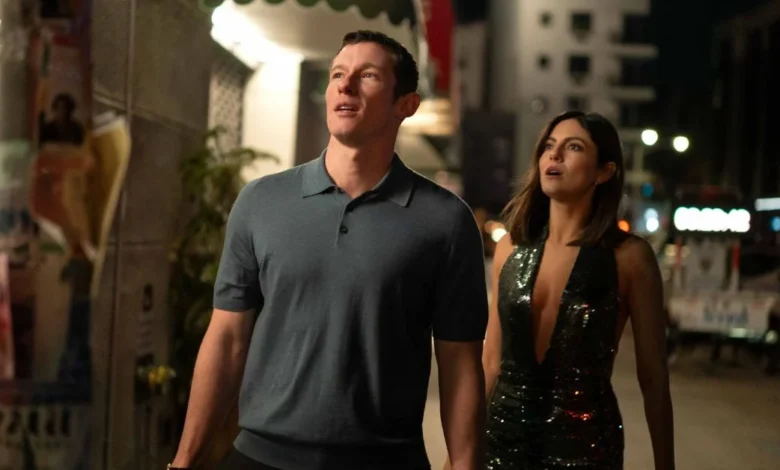
The landscape of the contemporary romantic comedy is undergoing a notable transformation, moving away from the formulaic tropes of the early 2000s toward high-concept narratives that blend escapism with poignant social commentary. At the forefront of this evolution is the latest feature from Sony Pictures, One Night Only, a film that leverages the atmospheric magnetism of New York City to explore the complexities of human intimacy. Directed by Will Gluck, a filmmaker who has become synonymous with the revitalization of the genre, the production seeks to capture the lightning-in-a-bottle chemistry between rising stars Monica Barbaro and Callum Turner. The film introduces a semi-fictionalized version of Manhattan where, for a single night each year, the social contracts of dating are suspended, granting singles "carte blanche" to pursue their deepest desires without the repercussions of the following day.
The Narrative Framework and High-Concept Premise
The central conceit of One Night Only is both an invitation to fantasy and a critique of modern digital-age isolation. In this cinematic New York, the "One Night Only" event serves as a catalyst for chaos, yet the script focuses its lens on two individuals who find themselves out of sync with the surrounding frenzy. Allie, portrayed by Monica Barbaro, is characterized as a "hopeless romantic" navigating a world that increasingly favors transactional interactions. Opposite her is Owen, played by Callum Turner, a man attempting to recover from the emotional fallout of a recent breakup.
Unlike the typical romcom trajectory where characters are brought together by a series of accidents, Allie and Owen’s meeting is framed as a deliberate choice to seek substance over the superficiality of the night’s premise. While the rest of the city engages in fleeting encounters, the protagonists engage in a sustained dialogue that spans the duration of the night. This narrative structure draws comparisons to Richard Linklater’s Before trilogy, emphasizing the power of conversation and the slow build of psychological intimacy over physical attraction. The tension of the film is derived from the "will they, won’t they" dynamic, exacerbated by the ticking clock of the sunrise, which threatens to end their connection as abruptly as it began.
The Resurgence of the Theatrical Romantic Comedy
To understand the significance of One Night Only, one must look at the broader industry context. For much of the 2010s, the romantic comedy was largely relegated to streaming platforms, with major studios prioritizing high-budget franchises and superhero spectacles. However, the unexpected box office success of Will Gluck’s previous effort, Anyone But You, which grossed over $219 million worldwide against a modest $25 million budget, proved that there is a significant theatrical appetite for well-produced, star-driven romances.
Industry analysts suggest that One Night Only is a strategic move by Sony Pictures to solidify its dominance in this rejuvenated market. By pairing a proven director with actors who have recently gained international recognition—Barbaro for her role in Top Gun: Maverick and Turner for his lead in Masters of the Air—the studio is betting on the "star power" model that defined the golden age of the genre. Data from theater chains indicates that "date night" movies are seeing a higher-than-average return of the 18-35 demographic to cinemas, a trend that One Night Only is positioned to capitalize on during the competitive summer season.
Creative Pedigree: The Will Gluck Influence
Director Will Gluck has established a reputation for balancing sharp, self-aware dialogue with genuine emotional stakes. His filmography, which includes Easy A and Friends with Benefits, often deconstructs romantic tropes while simultaneously celebrating them. In One Night Only, Gluck reportedly employs a more grounded visual style, utilizing the naturalistic lighting of New York at night to create an immersive experience.
Production insiders note that Gluck’s approach to the film was heavily reliant on the improvisational capabilities of his leads. The chemistry between Barbaro and Turner was a primary focus during the casting process, with the director seeking a dynamic that felt "unfakeable." This emphasis on authentic connection is a response to a common criticism of modern romcoms, which often rely on "meet-cutes" that feel artificial. By allowing the characters to challenge one another through sophisticated dialogue and subtle non-verbal cues, the film aims to elevate the material above standard genre fare.
New York City as a Narrative Catalyst
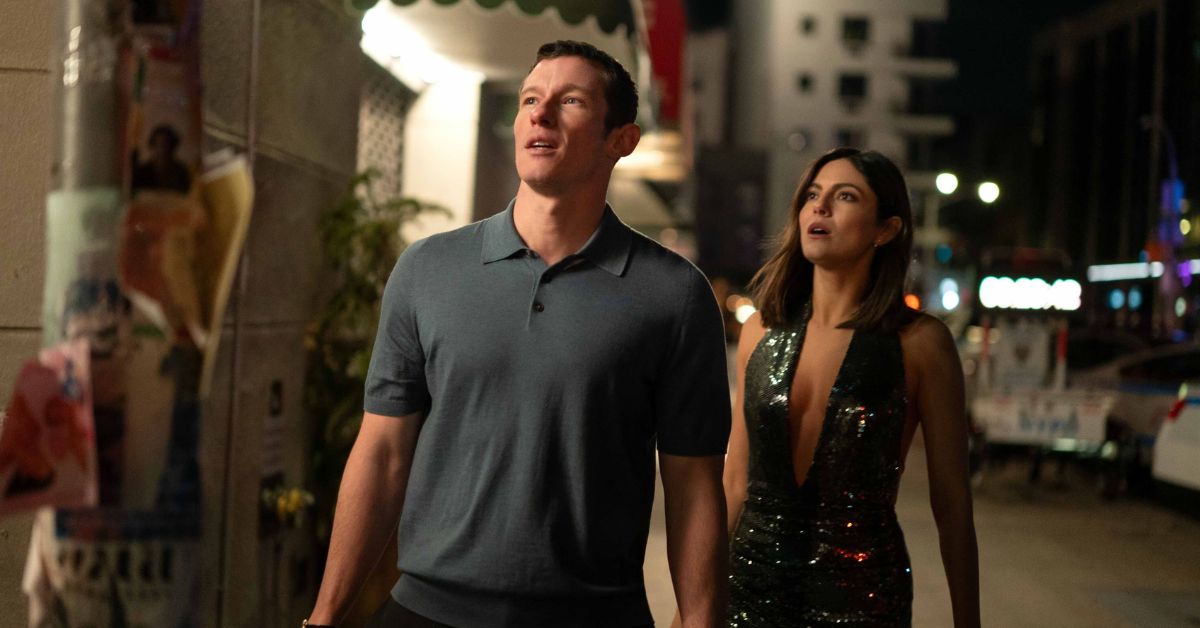
The choice of New York City as a setting is not merely aesthetic but functional. In the tradition of films like When Harry Met Sally and Serendipity, the city acts as a character in its own right. One Night Only utilizes iconic locations—from 3:00 AM pizza parlors to the quiet corners of Central Park—to mirror the emotional journey of Allie and Owen. The "One Night" event transforms the city into a playground of unpredictability, where the energy of the night facilitates the breaking down of social barriers.
Cinematographically, the film captures the transition of the city from the bustling chaos of sunset to the vulnerable stillness of dawn. This progression serves as a metaphor for the protagonists’ developing relationship. The "Big Apple" is presented as a place where anything is possible, yet the film grounds this fantasy in the reality of the characters’ insecurities and past traumas. The result is a modern, sexy, and atmospheric portrayal of urban romance that avoids the sanitized versions of New York often seen in lower-budget productions.
Chronology of Production and Release
The development of One Night Only followed a streamlined timeline aimed at capturing the momentum of the genre’s revival.
- Late 2022: Sony Pictures greenlit the project following the initial success of Anyone But You’s script development.
- Early 2023: Casting was finalized, with Monica Barbaro and Callum Turner signing on for the lead roles. Will Gluck was confirmed as director and co-writer.
- Autumn 2023: Principal photography took place on location in New York City. The production utilized night shoots almost exclusively to capture the authentic lighting and atmosphere required for the "One Night" concept.
- Spring 2024: Post-production and editing focused on refining the pacing of the dialogue-heavy sequences.
- August 2024: The film is scheduled for a wide theatrical release, supported by a marketing campaign emphasizing the "limited time" nature of the story.
Implications for the Film Industry
The success or failure of One Night Only will likely serve as a bellwether for the future of mid-budget theatrical releases. In an era where "the death of the mid-budget movie" has been frequently lamented, Sony’s commitment to theatrical romcoms represents a counter-narrative. If the film performs well, it could encourage other major studios to reinvest in character-driven stories rather than relying solely on established intellectual property.
Furthermore, the film highlights a shift in how studios market romantic content. By moving away from "slapstick" comedy and toward "romantic tension" and "chemistry," the marketing for One Night Only targets an audience that seeks sophisticated storytelling. This "prestige romcom" approach aligns with the preferences of modern viewers who are accustomed to high-quality television dramas and are looking for similar depth in their cinematic experiences.
Broader Cultural Impact and Thematic Analysis
Beyond its commercial prospects, One Night Only engages with the zeitgeist of the 2020s. The central theme—the search for genuine connection in a world of "mixed signals and fleeting encounters"—resonates with a generation that has grown weary of dating app fatigue. The "One Night" premise serves as a thought experiment: if all the rules of dating were removed for twelve hours, would people choose hedonism or intimacy?
The film’s answer, through Allie and Owen, suggests a yearning for the "rare" conversation that lasts and the look that conveys more than words. It argues that even in a city of millions and a night of total freedom, the most radical act is to truly see another person. This thematic depth provides a layer of resonance that allows the film to linger in the minds of the audience long after the credits roll.
In conclusion, One Night Only is more than a summer blockbuster; it is a meticulously crafted exploration of modern romance directed by a veteran of the genre and anchored by two of the industry’s most promising talents. By combining the atmospheric allure of New York with a high-concept narrative and a focus on authentic chemistry, the film seeks to redefine what a romantic comedy can achieve in the 21st century. As it arrives in theaters this August, it stands as a testament to the enduring power of the love story and the unique magic of the cinematic experience.