The Renaissance of the Gamine Pixie How Audrey Hepburns Timeless Cut is Reshaping Modern Beauty Standards and Celebrity Style in 2026.

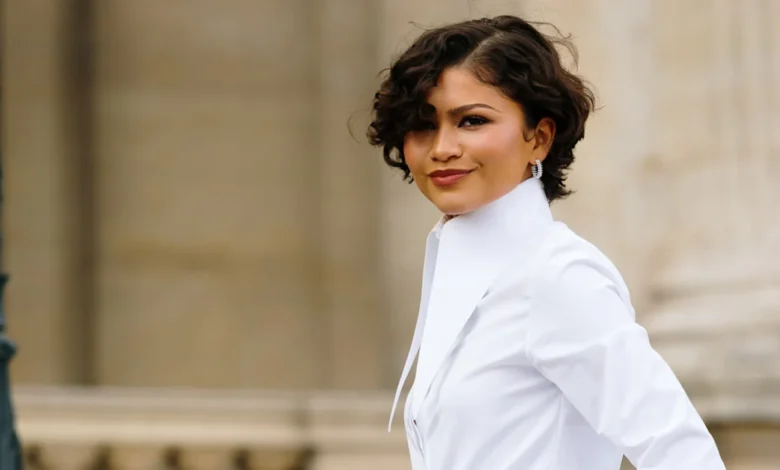
The global beauty landscape is currently witnessing a significant architectural shift as the "Gamine Pixie," a hairstyle once defined by the delicate elegance of Audrey Hepburn in the 1950s, re-emerges as the dominant aesthetic of the mid-2020s. This resurgence is not merely a fleeting moment of nostalgia but a calculated pivot toward "quiet luxury" and structured minimalism in personal grooming. Led by style icons such as Zendaya and supported by a new generation of Hollywood elite, the Gamine Pixie is challenging the long-standing dominance of ultra-long extensions and "beachy waves" that have characterized the last decade. As salons report a record-breaking surge in requests for "the big chop," industry experts are analyzing how this classic silhouette has been modernized for a contemporary audience that prioritizes ease, confidence, and facial symmetry over theatrical hair length.
The Evolution of an Icon: From Roman Holiday to the Modern Red Carpet
The Gamine Pixie first achieved global recognition in 1953, when Audrey Hepburn’s character in Roman Holiday famously cut her hair to symbolize her liberation. This act transformed the "pixie" from a radical fringe style into a symbol of sophisticated femininity. Unlike the sharper, more aggressive pixie cuts that appeared in later decades, Hepburn’s version—the "Gamine"—was characterized by its softness, wispy edges, and a silhouette that followed the natural contour of the skull.
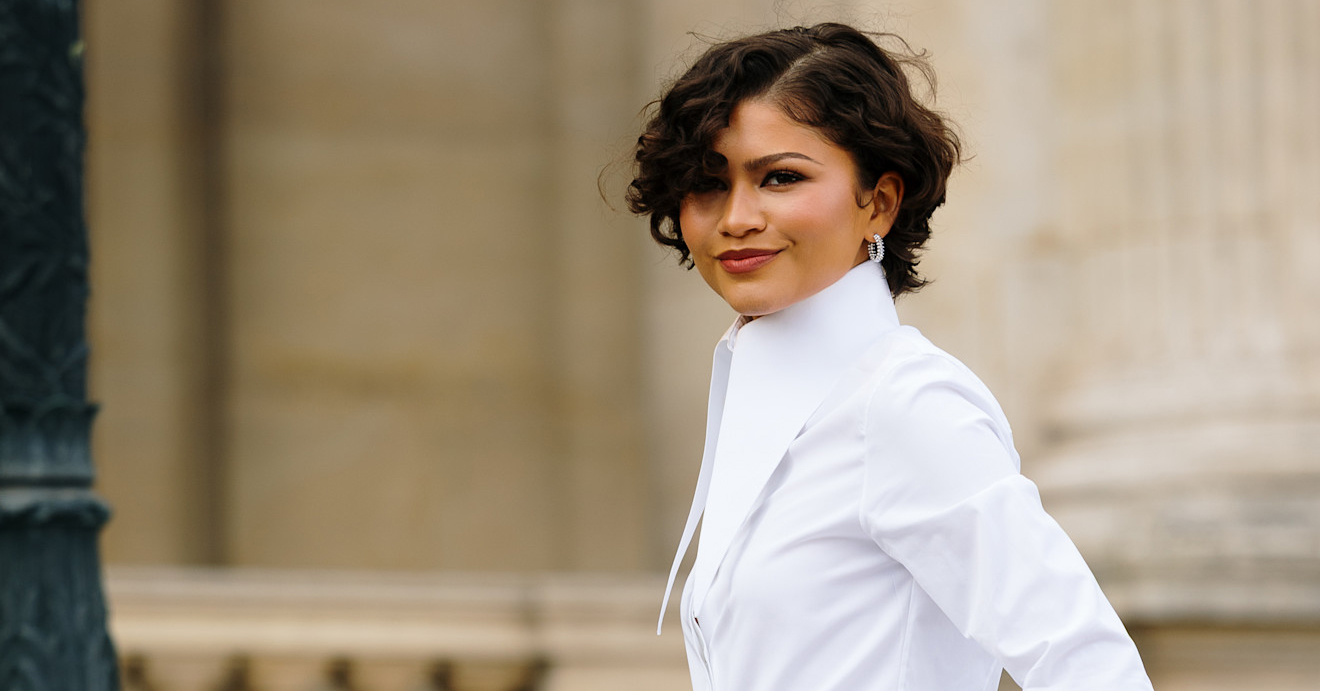
In 2026, this look has been revitalized by Zendaya, whose appearances at high-profile events like the Met Gala and Louis Vuitton showcases have served as a catalyst for the trend. According to celebrity hair stylist Aaron Carlo, the modern iteration of the Gamine Pixie is less about rigid structure and more about fluid texture. "Zendaya has been instrumental in this comeback because she wears the cut with a level of assurance that bridges the gap between Old Hollywood glamour and Gen Z edge," Carlo noted. This sentiment is echoed by Adam Reed, another prominent figure in the hair industry, who describes the current trend as "perfectly sculpted" yet "subtly androgynous," ensuring the look remains elegant without appearing severe.
Technical Specifications: Defining the Gamine Silhouette
What distinguishes the Gamine Pixie from a standard short haircut is its focus on "softness" and "frame." While a traditional pixie might utilize harsh clippers or blunt lines to create an edgy, punk-inspired look, the Gamine version relies on point-cutting and razor-thinning to create a feathered effect.
The primary codes of this iconic cut include:
- The Tapered Nape: The hair is kept extremely short at the back, exposing the neck and jawline, which visually elongates the torso.
- Soft Contours: Unlike the "bowl cut" or "mod" styles of the 60s, the Gamine Pixie features irregular, soft lengths around the ears.
- The Micro-Fringe: Often accompanied by a short, textured bang, the cut draws immediate attention to the eyes and cheekbones.
- Internal Movement: Stylists use internal layering to ensure the hair doesn’t lie flat, allowing for a "tousled" look that requires minimal heat styling.
By focusing on these elements, the Gamine Pixie acts as a frame for the face rather than a mask. "The goal is to avoid strict lines and instead create a halo of texture that highlights the wearer’s natural features," says Carlo.
Market Trends and Data: The Decline of the "Instagram Wave"
The shift toward shorter hair is backed by significant consumer data. Analytics from major beauty platforms and salon booking software indicate a 45% increase in "short structured cuts" since late 2024. This trend coincides with the decline of the "Instagram Wave"—the high-maintenance, heavily curled long hair that dominated social media for years.

Industry analysts attribute this change to several factors:
- The Rise of "Quiet Luxury": As fashion moves toward understated, high-quality basics (the "Old Money" aesthetic), beauty is following suit with "clean girl" aesthetics and low-maintenance but high-impact haircuts.
- Economic Efficiency: While the Gamine Pixie requires more frequent salon visits (every 4–6 weeks), it significantly reduces the consumer’s spending on expensive extensions, heavy styling tools, and time-consuming blow-dry appointments.
- Sustainability: Shorter hair requires less product—shampoo, conditioner, and styling creams—aligning with the growing consumer preference for minimalist, eco-conscious beauty routines.
A Chronology of the Pixie’s Cultural Impact
To understand the 2026 resurgence, one must look at the pivotal moments that allowed the Gamine Pixie to remain a recurring theme in fashion history:
- 1953: Audrey Hepburn debuts the cut in Roman Holiday, winning an Oscar and setting a new standard for "chic."
- 1960s: Jean Seberg in Breathless and Mia Farrow in Rosemary’s Baby (cut by Vidal Sassoon) introduce a more minimalist, modernist version of the look.
- 1990s: Linda Evangelista and Winona Ryder bring the pixie into the "grunge" and "waif" era, proving its versatility across different subcultures.
- 2010s: Emma Watson’s post-Harry Potter "big chop" signals a transition from child star to mature actress, a move mirrored by Jennifer Lawrence and Anne Hathaway.
- 2024–2026: Zendaya, Iris Law, Taylor Russell, and Gracie Abrams adopt various versions of the Gamine Pixie, cementing it as the "it-girl" hairstyle of the decade.
Inclusivity and Customization: Breaking the "Face Shape" Myth
One of the most persistent myths in the beauty industry is that short hair is only suitable for those with "perfect" oval face shapes. Modern hair professionals are actively debunking this notion, emphasizing that the Gamine Pixie is highly adaptable.
"A skilled stylist will adjust the fringe, the length around the ears, and the volume at the crown to suit any face shape," explains Adam Reed. For instance:

- Round Faces: Adding height at the crown and keeping the sides tight can create an elongating effect.
- Square Faces: Softer, wispy layers around the jawline help to neutralize sharp angles.
- Heart-Shaped Faces: A side-swept fringe can balance a wider forehead.
Furthermore, the trend is expanding across hair textures. While the 1950s version was primarily seen on straight or slightly wavy hair, 2026’s Gamine Pixie celebrates natural curls and coils. Using texturizing creams instead of heavy waxes allows those with curly hair to maintain the "gamine" spirit while embracing their natural volume.
Maintenance and the Professional Relationship
The Gamine Pixie represents a return to the "craft" of hairdressing. Unlike long hair, which can often be "hidden" or pulled back into a ponytail, a short cut reveals the precision of the stylist’s work. This has led to a renewed emphasis on the professional-client relationship.
While the daily styling routine is simplified—often requiring only a light mousse or a sea salt spray—the maintenance of the shape is paramount. Experts recommend a "dusting" or trim every four to six weeks to prevent the "shaggy" transition phase. This frequency has provided a boost to the professional salon industry, as clients move away from DIY home care toward high-precision professional maintenance.
Broader Cultural Implications: Empowerment and Identity
Beyond aesthetics, the Gamine Pixie carries a psychological weight. Historically, women cutting their hair short has been associated with periods of social change and personal liberation. In the mid-2020s, this "boldness" reflects a growing cultural desire for authenticity.

"We are seeing a generation that is tired of the ‘filtered’ look," says a representative from a leading global beauty trend forecasting agency. "Short hair feels honest. It’s a statement of self-assurance that says the wearer doesn’t need to hide behind a curtain of hair." This shift is also reflected in the professional world, where the Gamine Pixie is increasingly viewed as a "power cut"—sophisticated, intentional, and modern.
Conclusion: The Future of the Gamine Aesthetic
As we move through 2026, the Gamine Pixie is expected to evolve further, perhaps integrating more experimental color palettes—such as "butter blonde" or "soft charcoal"—to contrast with its classic shape. However, its core remains unchanged: it is a celebration of the face, an exercise in minimalist elegance, and a tribute to the enduring legacy of Audrey Hepburn.
Whether driven by the influence of celebrities like Zendaya or the practical benefits of a low-maintenance routine, the Gamine Pixie has successfully transitioned from a vintage relic to a modern essential. It stands as a reminder that in an era of rapidly changing digital trends, true style is often found in the most timeless silhouettes. For those ready for a transformation, the Gamine Pixie offers more than just a new look; it offers a new perspective on beauty—one that is bold, refined, and entirely individual.