The Timeless Evolution of the White Shirt: Why the Ultimate Wardrobe Staple Remains a Global Fashion Powerhouse

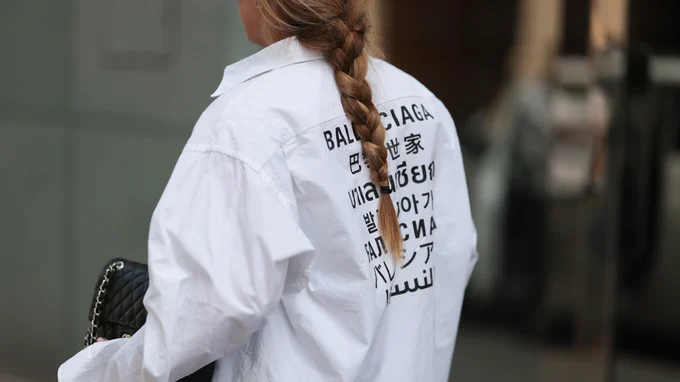
The white shirt has long transcended its origins as a mere undergarment to become the definitive cornerstone of the modern wardrobe, serving as a versatile, timeless, and consistently stylish piece that bridges the gap between various fashion eras and social strata. For those who have yet to secure a high-quality white shirt in their collection, industry experts and retail trends suggest that now is the opportune moment to invest. Whether navigating the digital storefronts of major retailers or visiting traditional high-street boutiques, the white shirt is being reclaimed as a mandatory asset for anyone seeking to build a resilient and sophisticated wardrobe. This resurgence is not merely a passing trend but a reflection of a broader shift toward "quiet luxury" and the "capsule wardrobe" movement, where consumers prioritize longevity and versatility over the fleeting nature of fast fashion.
While contemporary fashion often cycles through polarizing trends—such as the recent revival of wedge flip-flops, controversial capri pants, or harem trousers—the white shirt remains an immovable fixture. It stands above the whims of seasonal "core" aesthetics, maintaining its relevance through a unique combination of simplicity and adaptability. Fashion analysts argue that the current economic climate has spurred a return to these "hero basics," as shoppers look for items that offer a high return on investment through frequent wearability. Investing in a premium version of this classic is no longer seen as an expense but as a strategic move to stabilize a personal style identity.
The Anatomy of a Classic: From Tailored Precision to Oversized Expression
The modern white shirt is far from a monolithic entity. Today’s market offers an expansive array of variations, ranging from romantic interpretations featuring lace, bows, and ruffles to avant-garde silhouettes with exaggerated collars and striped textures. However, the quintessential version—the bright white, crisp, button-down shirt—remains the most critical acquisition. Whether one prefers an oversized, "boyfriend" fit that suggests a relaxed nonchalance or an elegantly tailored cut that emphasizes the silhouette, the white shirt acts as a blank canvas for personal expression.
Designers have recently leaned into the "deconstructed" white shirt, where traditional elements are tweaked to provide a contemporary edge. Puffy sleeves, oversized cuffs, and subtle embroidery are being used to elevate the garment from a background player to a statement piece. This evolution ensures that the white shirt can cater to a diverse demographic, from Gen Z consumers experimenting with "dark academia" aesthetics to corporate professionals adhering to traditional business formal codes.
The Professional Paradigm: The White Shirt as an Office Staple
In the corporate world, the white shirt is synonymous with professional integrity. A well-pressed, crisp white shirt conveys a sense of discipline and attention to detail that few other garments can replicate. When paired with high-quality denim or precisely tailored trousers, it creates an ensemble that is both approachable and authoritative. For those looking to inject personality into their workwear, the "white shirt with a twist"—incorporating elements like statement collars or subtle textures—allows for individual flair without violating professional norms.
The versatility of the shirt in a professional context is further highlighted by its layering potential. Stylists recommend wearing a white shirt under a dress, a vest, a cardigan, or even a sleeveless top to add depth and structure to an outfit. A more daring, contemporary interpretation involves loosely tying a tie around the collar, a nod to the "preppy" revival seen on international runways. During the peak of summer, the transition to linen variants allows professionals to maintain a polished appearance while managing high temperatures, proving that the garment’s utility is not seasonal but perennial.
Chronology of a Wardrobe Icon: From Undergarment to Symbol of Liberation
The journey of the white shirt is deeply intertwined with the history of social and gender politics. In the 19th century, a clean white shirt was a status symbol, indicating that the wearer belonged to a class that did not perform manual labor and could afford the frequent laundering required to keep the garment pristine. It was strictly a masculine staple until the early 20th century, when fashion pioneers like Coco Chanel began to incorporate elements of menswear into the female wardrobe, symbolizing a new era of independence and functional style.
By the 1950s, Hollywood icons like Audrey Hepburn and Marilyn Monroe had cemented the white shirt’s status as a symbol of effortless glamour, often wearing them with rolled-up sleeves and popped collars. The 1990s saw a shift toward minimalism, with designers like Calvin Klein and Jil Sander stripping the garment back to its most basic form, emphasizing fabric quality and architectural lines. Today, the white shirt is a gender-neutral icon, embraced by all as a tool for both conformity and rebellion, depending on how it is styled.
Market Data and the Economic Impact of Essential Wear
The global apparel market has seen a significant pivot toward "essentialism." According to recent market research reports, the "basics" segment of the fashion industry is projected to grow at a steady compound annual growth rate (CAGR) of approximately 5% over the next five years. Consumers are increasingly moving away from "disposable" fashion, with a 15% increase in searches for "sustainable white shirts" and "investment cotton shirts" reported by major fashion search engines over the last fiscal year.
This shift is driven by a growing awareness of the environmental impact of the textile industry. Because a high-quality white shirt can be worn hundreds of times in various configurations, it represents the antithesis of the "wear-once" culture promoted by social media trends. Data suggests that the "cost-per-wear" of a premium white shirt is significantly lower than that of cheaper, trend-focused items, making it a favorite among economically conscious and environmentally aware demographics.
Casual Versatility and the High-Low Aesthetic
Beyond the boardroom, the white shirt has proven to be an indispensable tool for casual styling. It serves as the perfect balancer for more "difficult" or polarized trends. For instance, the current popularity of capri leggings, harem pants, and bermuda shorts can be grounded by the addition of a crisp white button-down. This "high-low" mix—combining a structured, chic top with casual or sporty bottoms—is a favorite among street-style influencers and festival-goers.
For a relaxed weekend look, fashion experts suggest wearing the shirt open over a tank top or knotting the front panels to create a cropped effect. The "ton-sur-ton" (tone-on-tone) look, featuring a white shirt paired with white trousers, remains a perennial favorite for its clean, expensive-looking aesthetic. While this monochrome approach requires a certain level of caution—particularly regarding food and drink—it remains one of the most effective ways to look "put together" with minimal effort.
The Evening Shift: Red Carpet Glamour and After-Hours Elegance
The white shirt’s utility extends into the evening, challenging the traditional dominance of the "little black dress." Drawing inspiration from style icons like Carrie Bradshaw, the white shirt can be transformed into evening wear when paired with a statement skirt or worn in an oversized "shirt-dress" format secured with a wide waist belt. This look, often finished with strappy sandals and an oversized clutch, offers a sophisticated alternative to conventional cocktail attire.
Historical red carpet moments have also reinforced this. One of the most famous instances was Sharon Stone attending the 1998 Oscars in a Gap white shirt paired with a Vera Wang skirt, a move that revolutionized how the industry viewed "casual" items in high-fashion settings. This legacy continues today, as celebrities frequently use the white shirt to convey a sense of "undone elegance" at major awards shows and gala events.
Industry Statements and the Future of the Staple
Fashion directors from leading publications have consistently lauded the white shirt as the "ultimate safety net." In a recent industry panel on sustainable consumption, one prominent stylist noted, "The white shirt is the only garment that can truthfully be described as age-blind and trend-proof. It is the silent workhorse of the fashion world." Retailers have responded to this sentiment by expanding their "Essentials" lines, ensuring that the white shirt is available in a variety of price points and sustainable fabrics, such as organic cotton and Tencel.
Looking forward, the implications of the white shirt’s dominance suggest a move toward a more curated, thoughtful approach to dressing. As the fashion industry grapples with its carbon footprint, the promotion of versatile, long-lasting items like the white shirt is expected to become a central pillar of corporate social responsibility (CSR) strategies for major brands. The white shirt is no longer just a piece of clothing; it is a symbol of a more sustainable and intentional fashion future.
In conclusion, the white shirt remains an unrivaled powerhouse in the world of apparel. Its ability to adapt to the office, the street, and the red carpet—while maintaining an aura of professional and personal sophistication—ensures its place at the top of the fashion hierarchy. As trends come and go, the white shirt remains, proving that true style is not about what is new, but about what is timeless.