A Monument to the Climate Crisis: Belgium Breaks Ground for Memorial to Victims of Global Warming

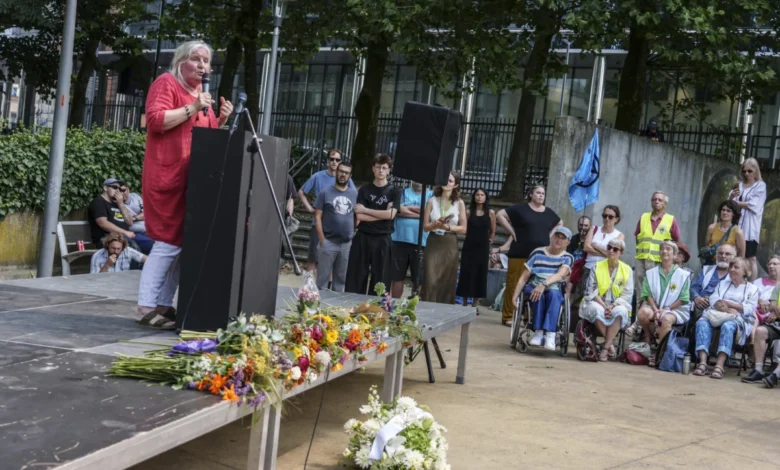
Construction has commenced on a significant and poignant monument in Belgium, dedicated to honouring the countless victims of the global climate crisis. The groundbreaking ceremony, held on Thursday, brought together a coalition of climate organisations, concerned citizens, and political figures, underscoring the urgency and widespread impact of climate-related tragedies. This initiative, born from personal grief and a powerful drive for systemic change, aims to create a lasting physical testament to those lost and to serve as a perpetual call to action.
Genesis of a Memorial: A Personal Tragedy Fuels a Public Cause
The impetus for this monumental undertaking originates with the "Climate Justice for Rosa" initiative, founded by Benjamin Van Bunderen-Robberechts. Five years ago, Van Bunderen-Robberechts experienced the devastating reality of climate change firsthand when his girlfriend, Rosa, perished in the catastrophic floods that ravaged the Vesdre Valley in Wallonia. This profound personal loss has transformed into a public crusade, seeking to transform individual sorrow into collective awareness and a demand for meaningful climate action.
The floods of July 2021 were a stark and brutal illustration of nature’s increasing ferocity, exacerbated by a warming planet. Across Western Europe, the deluge claimed the lives of at least 243 individuals, with 41 of those fatalities occurring in Belgium. These numbers represent not just statistics, but profound personal tragedies, leaving families shattered and communities irrevocably altered. The memory of these events, and the ongoing threat they represent, is the bedrock upon which this monument is being built.
A Symbol of Remembrance and a Demand for Action
The inauguration of construction coincides with the official recognition of July 15th as the Belgian and European Day for the Victims of the Global Climate Crisis. This designated day amplifies the monument’s purpose: to stand as a permanent physical memorial for the millions of victims of the climate crisis worldwide. This includes not only those lost in extreme weather events like floods but also those who succumb to the increasingly deadly heatwaves that have become a grim hallmark of the Anthropocene.
"Record-breaking heatwaves and wildfires demonstrate once again that the climate crisis is claiming lives across the entire continent," stated Benjamin Van Bunderen-Robberechts at the ceremony, his voice resonating with the weight of his experience. He further highlighted the immediate and devastating impact of recent climate extremes within Belgium: "In Belgium alone, the recent heatwave led to more than 1,700 deaths." These figures paint a grim picture of the escalating human cost of unchecked climate change, a cost that is no longer abstract but deeply personal for a growing number of citizens.
Organisers of the "Climate Justice for Rosa" initiative believe that through the powerful narratives of flood survivors and the enduring presence of the future memorial, they can effectively raise public awareness and galvanise political will. The monument is envisioned not merely as a place of quiet contemplation, but as a catalyst for demanding immediate and decisive political action to prevent further casualties. The underlying message is clear: the time for incremental change has passed; bold and transformative solutions are required to avert future catastrophes.
Innovative Design: A Living Testament to a Growing Crisis
The architectural vision for the monument is as innovative as its purpose. Renowned designer Bas Smets, known for his sensitive and impactful memorial projects, including the memorial to the victims of Covid-19 and the 2016 Brussels terror attacks, has conceived a design that aims to be both aesthetically compelling and conceptually profound.
Smets’s proposal incorporates climate data directly into the monument’s fabric. The intention is to represent the escalating reality of climate change through layers of stone, each layer symbolising the accumulation of rising temperatures and other critical climate indicators over time. This dynamic approach transforms the monument from a static object into a living testament to the ongoing environmental crisis.
"That’s the challenge: imagining a monument that grows," explained Smets. He elaborated on the profound symbolism of an unfinished work, stating that its incompleteness serves as a potent call to the collective conscience. "Those who are victims today will also be victims in the future," he added, underscoring the intergenerational responsibility to address climate change. This growing structure will serve as a constant reminder that the crisis is not a historical event but a present and evolving reality with profound future implications.
Echoes of Disaster: Personal Accounts of Climate Devastation
The ceremony was not solely focused on the future; it also bore witness to the enduring pain and trauma of those who have already experienced the brutal force of climate-induced disasters. Patrick Dezille, whose home in Rendeux was devastated by the fatal floods, shared a visceral account of the overwhelming power of the rising waters. "For 40 hours, we watched the water rise, rise, rise," he recounted, his words painting a stark picture of helplessness and terror.
Dezille narrowly escaped disaster, his harrowing experience highlighting the unpredictable and often violent nature of these extreme weather events. He described how the relentless pressure of the current dislodged a manhole cover, creating a perilous hazard that he almost fell into. The psychological toll of such an ordeal is immense, with the anxiety of unpredictability becoming an ever-present burden for those affected. "It’s very difficult to cope with because we don’t know when it’s going to stop," Dezille admitted, articulating the deep-seated fear and uncertainty that permeates the lives of climate disaster survivors. His testimony serves as a crucial reminder of the human face of climate change, transcending abstract scientific data.
Strategic Location: Anchoring Climate Action at the Heart of Decision-Making
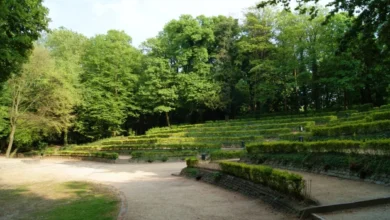
The monument’s chosen location is deeply symbolic and strategically significant. It is being constructed in the Maelbeek valley garden, a site situated in close proximity to the European Commission. This positioning is deliberate, aiming to physically anchor the reality of the climate emergency directly within the nexus of European policy-making. The hope is that the monument’s constant presence will serve as a visual and emotional reminder to those shaping legislation and international climate policy, reinforcing the gravity of their decisions.
The construction of the monument is anticipated to be completed within the year, marking a swift response to the growing demand for tangible recognition of climate victims. The presence of high-level officials at the groundbreaking ceremony underscores the evolving political landscape surrounding climate change.
Among those in attendance were a representative from the United Nations, an entity at the forefront of global climate diplomacy, and a representative from the European Commission, the executive arm of the European Union, responsible for developing and implementing climate policy. Belgium’s federal climate minister, Jean-Luc Crucke (Les Engagés), and the Brussels secretary of state for climate, Ans Persoons (Vooruit.brussels), were also present, signalling a commitment from national and regional governments to acknowledge and address the climate crisis. Their participation in the ceremony lends official weight to the initiative and signifies a growing recognition of the need for both remembrance and robust action.
Broader Implications: A Call for Global Solidarity and Systemic Change
The construction of this monument in Belgium is more than just a local event; it is part of a growing global movement demanding accountability and action on climate change. The increasing frequency and intensity of extreme weather events worldwide, from the devastating floods in Europe to the relentless wildfires in North America and the severe droughts impacting Africa and Asia, underscore the universal nature of this crisis.
The monument serves as a powerful symbol for the millions of individuals and communities who have suffered losses due to climate change. It highlights the stark reality that the most vulnerable populations often bear the brunt of these impacts, exacerbating existing inequalities. The call for "Climate Justice" embedded in the initiative’s name reflects this understanding, advocating for equitable solutions that address both the environmental and social dimensions of climate change.
From a data perspective, the Intergovernmental Panel on Climate Change (IPCC) has repeatedly warned that human activities, primarily the burning of fossil fuels, are driving unprecedented warming of the Earth’s climate system. The IPCC’s Sixth Assessment Report, published in stages between 2021 and 2023, provides overwhelming scientific evidence linking greenhouse gas emissions to observed changes in extreme weather events, including heatwaves, heavy precipitation, droughts, and tropical cyclones. The report stresses that every increment of warming amplifies the risks, making immediate and deep emission reductions imperative to limit future warming and its catastrophic consequences.
The implications of this monument extend beyond remembrance. It is a clear and urgent demand for systemic change. This includes a rapid transition away from fossil fuels towards renewable energy sources, significant investments in climate adaptation and resilience measures, and the establishment of robust international frameworks to support developing nations in their efforts to combat climate change. The monument’s location near the European Commission also serves as a potent reminder that policy decisions made at the highest levels have direct and profound consequences for human lives and well-being.
The initiative by "Climate Justice for Rosa" and the subsequent construction of this monument represent a crucial step in acknowledging the human toll of the climate crisis. By giving a physical form to the intangible losses, Belgium is not only honouring its own victims but also contributing to a global narrative that demands a more sustainable and just future for all. The growing awareness, coupled with concrete actions like the development of this memorial, offers a glimmer of hope that collective action can indeed be mobilised to confront the defining challenge of our time.