The 11th International German Citroën 2CV Meeting to Convene in Kropp for Summer 2026 Celebration of Automotive Heritage

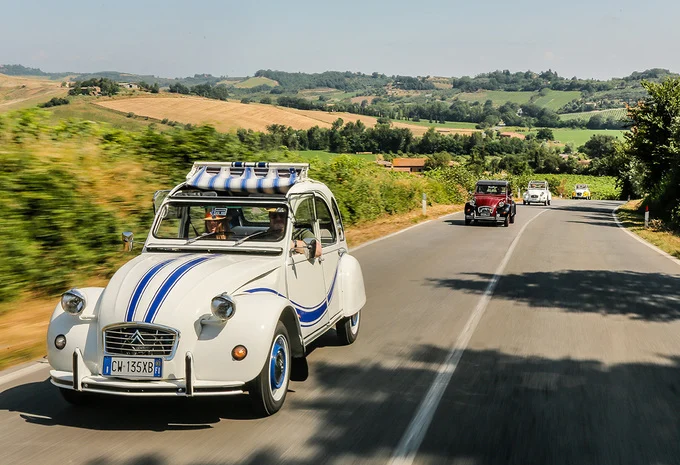
From July 29 to August 2, 2026, the northern German town of Kropp will transform into a central hub for automotive nostalgia as it hosts the 11th International German Citroën 2CV Meeting. Situated strategically between the North Sea and the Baltic Sea in the Schleswig-Holstein region, Kropp is approximately 750 kilometers from Brussels and serves as a picturesque backdrop for one of Europe’s most significant gatherings of the iconic French vehicle. Organized by the 2CV-Freunde Norddeutschland (2CV Friends of Northern Germany), the event is projected to attract nearly 700 dedicated participants and roughly 500 examples of the Citroën 2CV, known affectionately in various regions as the "Geit" (Goat), the "Ente" (Duck), or the "Deuche."
This biennial event serves as a cornerstone for the European classic car community, alternating years with the World Meeting of the Friends of the 2CV. The 2026 gathering follows a highly successful 2024 edition held in Gedern, Hesse, which saw a turnout of 728 vehicles representing 17 different nations. The upcoming meeting in Kropp aims to build upon this momentum, offering a blend of tourism, technical exchange, and cultural celebration that transcends national borders.
A Legacy of Simplicity: The Historical Context of the Citroën 2CV
To understand the magnitude of a 500-car gathering in 2026, one must look at the enduring legacy of the Citroën 2CV. Conceived in the late 1930s under the leadership of Pierre-Jules Boulanger, the "Toute Petite Voiture" (TPV) project sought to motorize the rural population of France. The design brief was famously utilitarian: the car had to be able to carry four people and 50 kilograms of farm goods at 50 kilometers per hour, all while being able to traverse a plowed field with a basket of eggs on the seat without breaking a single one.
Production was delayed by World War II, but the 2CV finally debuted at the 1948 Paris Motor Show. While initial critical reception was skeptical—some journalists mocked its unconventional looks—the public embraced its affordability, ease of maintenance, and rugged suspension. Between 1948 and 1990, Citroën produced more than 3.8 million 2CV sedans and over 1.2 million delivery vans (Fourgonnettes). When including related models like the Dyane, Ami, and Mehari, the total production exceeds 9 million units.
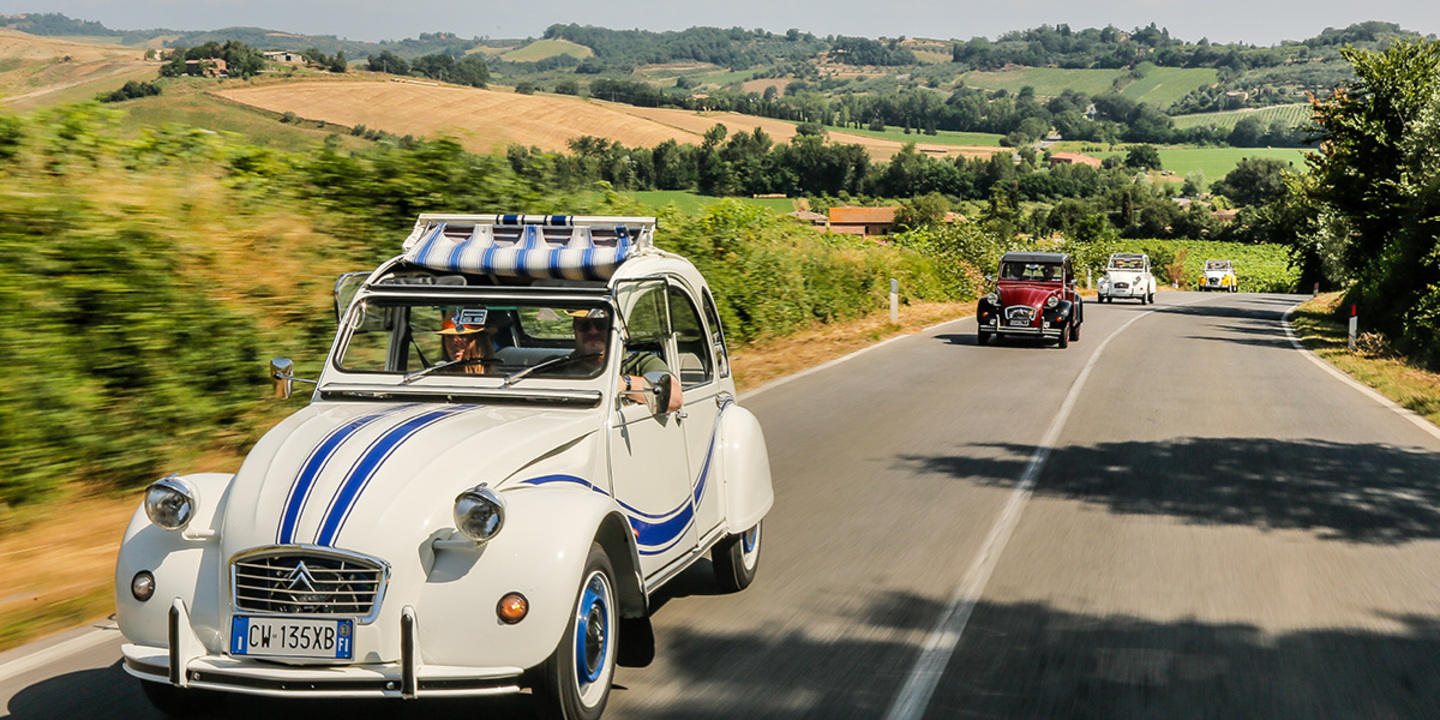
The 2026 meeting in Kropp is not merely a car show; it is a testament to the vehicle’s transition from a basic tool of survival to a cherished cultural icon. In Germany, a country renowned for its high-performance engineering and premium brands like BMW and Mercedes-Benz, the 2CV has maintained a surprisingly robust cult following, representing a counter-cultural preference for simplicity and character over raw speed.
Strategic Programming and the "Dotter-Debakel"
The organizers have curated a diverse itinerary designed to engage both long-time collectors and casual enthusiasts. A central highlight of the five-day event is the "Dotter-Debakel," an orientation rally organized by the Düsseldorfer Entenfreunde (Düsseldorf Duck Friends). Unlike traditional rallies that prioritize speed, the Dotter-Debakel focuses on observation and regional knowledge. Participants will navigate a scenic route through the Schleswig-Holstein countryside, stopping at various checkpoints to answer questions regarding local history and the technical evolution of the 2CV.
Beyond the rally, the event grounds in Kropp will feature an extensive parts market. For 2CV owners, these markets are essential for the continued preservation of their vehicles. While several companies still manufacture replacement parts, the hunt for original "New Old Stock" (NOS) components or rare accessories remains a primary draw. Technical workshops and informal exchange sessions allow owners to share maintenance tips—a vital aspect of a community that prides itself on the "do-it-yourself" ethos.
Evenings will be dedicated to social cohesion, featuring live concerts and communal dining. The organizers have emphasized that the event is designed to be inclusive; while vehicle entry requires registration, day visitors are invited to explore the grounds free of charge. This "open-door" policy aims to foster a broader appreciation for automotive history among the local population and tourists visiting the northern German coast.
Chronology and Event Logistics
The timeline for the 11th International German 2CV Meeting reflects the meticulous planning required for international automotive events:
- 2024 (August): Conclusion of the 10th meeting in Gedern, where the baton was passed to the northern German organizers.
- 2025: Official registration opens via the event’s digital portal, allowing international clubs to coordinate group travel.
- July 29, 2026: Official opening of the event grounds in Kropp. Arrival of the first international convoys.
- July 30 – August 1, 2026: Execution of the Dotter-Debakel rally, parts market operations, and technical symposiums.
- August 2, 2026: Closing ceremonies and the announcement of the subsequent host region for 2028.
Logistically, Kropp offers an ideal venue. Its proximity to major transit routes allows for easy access for participants driving from Scandinavia, the Benelux countries, and France. The local infrastructure is prepared to accommodate the influx of several hundred vintage vehicles, which, despite their modest size, require significant space for camping and display.
Supporting Data: The 2CV’s Enduring Market and Community
The decision to host such a large event in 2026 is supported by the stable, and in some cases rising, market value of the Citroën 2CV. According to classic car valuation experts, well-preserved "Charleston" or "Spot" special editions can now command prices upwards of €15,000 to €25,000, a far cry from their original status as "cheap" transport.
Data from previous meetings indicates a high level of internationality. At the 2024 meeting, participants represented 17 countries, including non-European enthusiasts. This international draw provides a significant boost to local tourism. For the town of Kropp, the arrival of 700 participants translates into increased demand for local hospitality services, including hotels, restaurants, and retail. The economic impact of "classic car tourism" is an increasingly recognized phenomenon in Europe, where enthusiasts are willing to travel long distances for niche events.
Official Responses and Inferred Implications
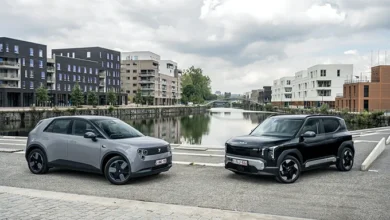
While official statements from Citroën as a corporate entity regarding the 2026 meeting are pending, the brand has historically maintained a respectful distance while occasionally supporting major anniversaries. However, the timing of the Kropp meeting is particularly relevant given Citroën’s current transition toward electrification. The brand has recently introduced models like the ë-C3, which some marketing materials suggest is a spiritual successor to the 2CV in terms of affordability and accessibility.
For the community of "Entenfreunde," the 2026 meeting serves as a silent rebuttal to the trend of digitalized, heavy, and complex modern vehicles. The inferred reaction from the 2CV-Freunde Norddeutschland is one of preservation; their goal is to ensure that the mechanical simplicity of the 2CV remains visible on public roads.

The gathering also highlights a growing challenge within the classic car world: environmental regulations. As European cities implement stricter Low Emission Zones (LEZs), the 2CV community is increasingly focused on advocating for "H-plates" (historical plates) that allow vintage vehicles to bypass certain restrictions. The Kropp meeting serves as a platform for these advocacy groups to organize and share strategies for keeping the 2CV legally roadworthy in a changing regulatory landscape.
Broader Impact: The Cultural Significance of the "Geit"
The 11th International German 2CV Meeting is more than a hobbyist convention; it is a celebration of a design philosophy that prioritized the needs of the many over the luxuries of the few. The 2CV’s unique suspension, which allows it to lean precariously in corners without losing grip, and its air-cooled engine, which can be repaired with basic tools, represent a form of engineering that is increasingly rare in the 21st century.
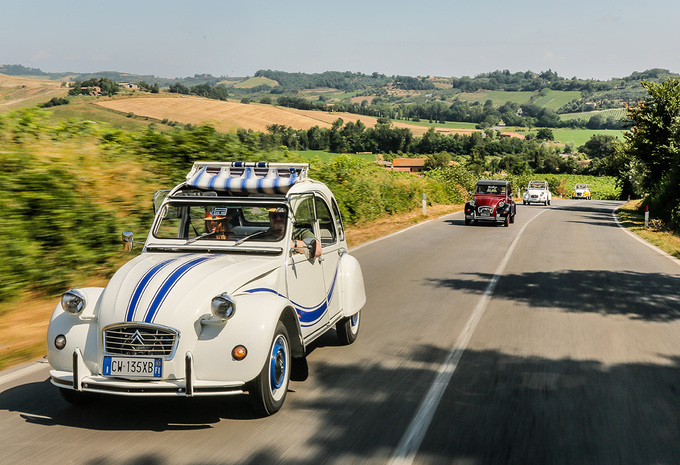
In Kropp, the sight of hundreds of colorful 2CVs—many adorned with stickers from decades of travel—will serve as a reminder of the vehicle’s role as a symbol of freedom. For many owners, the 2CV is not just a car but a member of the family, associated with summer holidays, student protests of the 1960s, and a slower, more deliberate way of life.
As the automotive industry moves toward an era of autonomous driving and software-defined vehicles, events like the 2026 2CV meeting in Kropp provide a necessary anchor to the past. They ensure that the ingenuity of the mid-20th century is not forgotten and that the "Geit" continues to bleat on the roads of Europe for generations to come. Owners and enthusiasts are encouraged to monitor the official event website for registration details and technical requirements as the summer of 2026 approaches.
Related posts: