Toyota and BMW Launch Pilot Project Testing 100 Percent Renewable Gasoline in Existing Internal Combustion Engine Vehicles

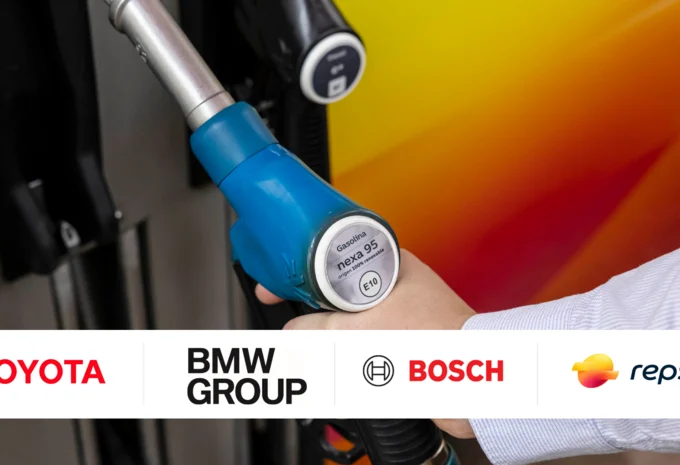
The global automotive landscape is currently navigating a complex transition toward carbon neutrality, a journey characterized by a fierce debate between pure electrification and a multi-technological approach. In a significant move to demonstrate the viability of the latter, a heavyweight consortium consisting of Toyota, BMW, Bosch, and the Spanish energy giant Repsol has initiated a large-scale pilot project in Spain. This initiative, which commenced in July, aims to prove that 100 percent renewable gasoline can serve as a direct, seamless replacement for traditional fossil fuels in existing internal combustion engine (ICE) vehicles. For a duration of six months, a fleet of approximately twenty production vehicles will operate exclusively on advanced renewable fuels, providing critical data that could reshape European climate policy and the future of the legacy automotive fleet.
The project centers on the premise that while electric vehicles (EVs) are a cornerstone of Europe’s "Fit for 55" climate goals, the decarbonization of the transport sector cannot rely solely on the sale of new zero-emission vehicles. With hundreds of millions of internal combustion engine cars already on European roads—many of which will remain in service for decades—the industry is seeking "drop-in" solutions that reduce the carbon footprint of the existing fleet without requiring costly mechanical modifications or massive infrastructure overhauls.
The Mechanics of the Spanish Pilot Program
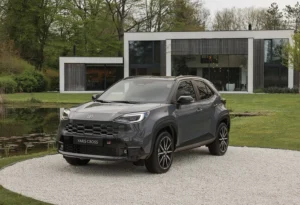
The pilot program utilizes a diverse fleet of vehicles from four major brands: Toyota, Lexus, BMW, and Mini. Unlike many experimental fuel trials that rely on specially tuned prototypes, this test is notable for using standard production models equipped with conventional gasoline engines. By using "off-the-shelf" vehicles, the partners aim to demonstrate that renewable gasoline is fully compatible with current engine technology, including sophisticated fuel injection systems and exhaust after-treatment components.
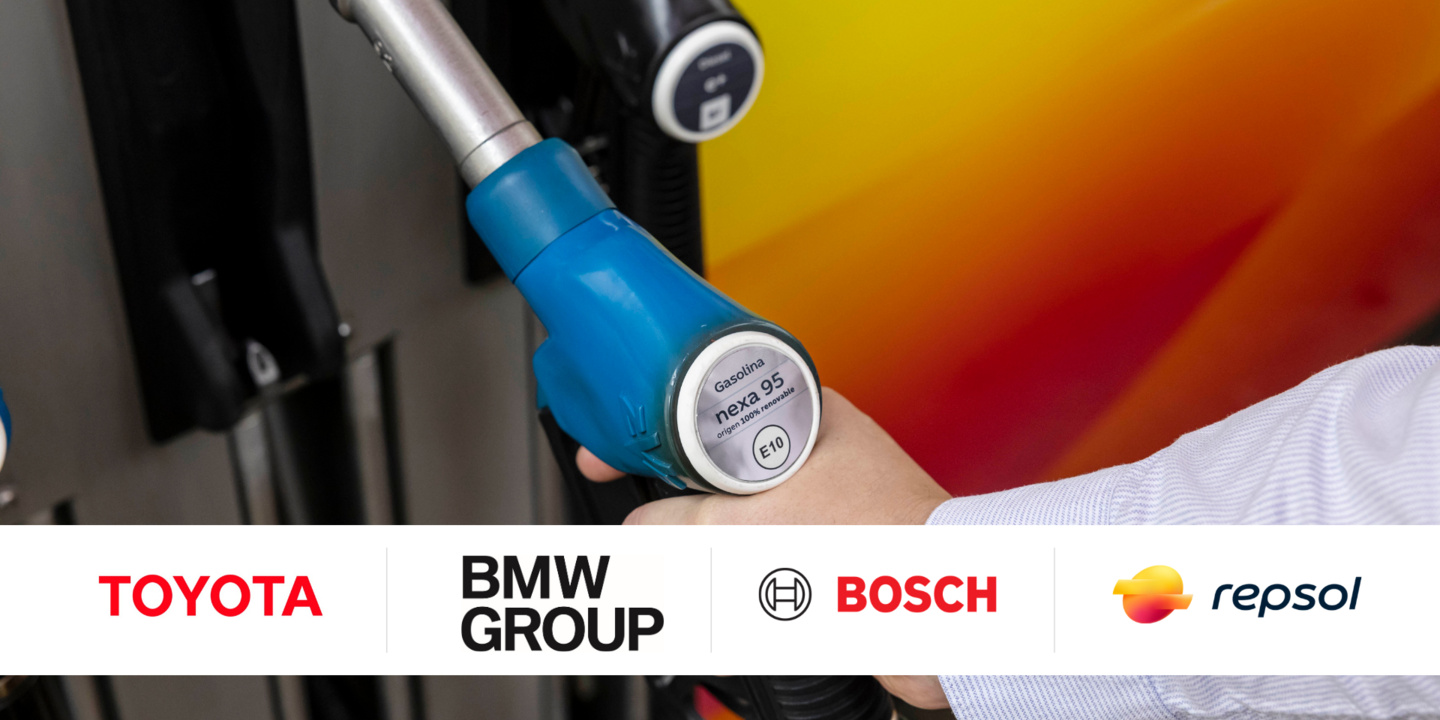
The testing ground is Spain, a choice driven by the country’s advanced renewable energy infrastructure and the strategic presence of Repsol. Repsol has positioned itself as a leader in the production of non-fossil fuels, becoming the first company in Spain to offer 100 percent renewable gasoline at public service stations. The fuel used in the trial, branded as Nexa 95, is a high-octane renewable gasoline produced from organic waste and other sustainable feedstocks.
According to technical specifications provided by the consortium, Nexa 95 is produced in compliance with the European Union’s Renewable Energy Directive (RED II). The production process involves converting organic residues—such as used cooking oils, agricultural waste, and forestry byproducts—into high-quality hydrocarbons. Because these feedstocks absorb CO2 from the atmosphere during their growth phase, the net carbon emissions over the fuel’s entire life cycle are significantly lower than those of traditional petroleum-based gasoline. Estimates suggest that such fuels can reduce greenhouse gas emissions by 65% to 90% compared to fossil fuel counterparts, depending on the specific feedstock and production pathway.
Traceability and the Bosch Digital Fuel Twin
One of the primary challenges in the adoption of renewable fuels is "traceability"—the ability to prove that a vehicle is indeed running on sustainable fuel rather than conventional gasoline. To address this, Bosch has integrated its "Digital Fuel Twin" technology into the pilot project. This digital monitoring system acts as a bridge between the vehicle, the refueling station, and the fuel management system.
The Digital Fuel Twin collects real-time data from the vehicle’s onboard diagnostics and cross-references it with data from the fuel station and the specific fuel cards used by the drivers. This creates a transparent and tamper-proof record of exactly when, where, and how much renewable fuel was consumed by each vehicle. This level of certification is considered essential by industry analysts, as it provides the regulatory "proof of green" required for companies to claim carbon credits and for governments to potentially grant tax exemptions or legal allowances for ICE vehicles using e-fuels or biofuels.
During the six-month trial, researchers will monitor several key performance indicators (KPIs). These include fuel consumption rates, engine reliability, cold-start performance, and the long-term impact on engine components such as valves and injectors. The data collected will be shared with European institutions and industry stakeholders to provide an empirical basis for the continued use of internal combustion engines in a net-zero economy.
Strategic Objectives: Beyond Electrification
For Toyota and BMW, this project is a practical application of their long-standing "multi-pathway" strategy. Toyota, the world’s largest automaker, has frequently argued that the "enemy is carbon, not the internal combustion engine." By investing in hybrids, plug-in hybrids, fuel cells, and renewable fuels alongside battery electric vehicles, Toyota aims to provide decarbonization solutions that fit different regional infrastructures and consumer needs.
BMW shares a similar philosophy through its "Power of Choice" strategy. The German luxury manufacturer continues to invest in high-efficiency gasoline and diesel engines, asserting that a premature ban on ICE technology could lead to economic disruption and leave millions of existing car owners without a viable path to reduce their emissions.
The Spanish pilot project serves as a rebuttal to the "EV-only" narrative. The partners argue that by focusing exclusively on new vehicle sales, regulators are ignoring the "legacy fleet." In Europe alone, there are over 250 million passenger cars on the road, the vast majority of which are powered by liquid fuels. Even if 100 percent of new car sales were electric by 2035, it would take nearly two decades for the entire fleet to turn over. Renewable fuels offer a way to decarbonize the cars people already own today.
Technical Context and the E-Fuel Debate
The distinction between the renewable gasoline tested in Spain and "e-fuels" is an important technical nuance. While both are considered "carbon-neutral" fuels, their production methods differ. E-fuels (electro-fuels) are synthetic fuels produced by combining captured CO2 with hydrogen derived from renewable electricity through electrolysis. The fuel used in the Repsol-Toyota-BMW trial is a "bio-based" renewable fuel, derived from organic waste.
However, both categories fall under the umbrella of "carbon-neutral fuels" that the European Union has recently signaled it might allow after 2035. Following intense lobbying from Germany and Italy, the EU Commission agreed to create a legal pathway for new ICE vehicles to be registered after the 2035 phase-out date, provided they run exclusively on CO2-neutral fuels. This pilot project provides the real-world data necessary to support the technical feasibility of that legal exception.
Economic and Infrastructure Implications
One of the most compelling arguments for renewable gasoline is its compatibility with existing infrastructure. Unlike hydrogen, which requires entirely new high-pressure storage and transport networks, or EVs, which require a massive expansion of the electrical grid and charging stations, renewable gasoline can be transported via existing pipelines and sold at existing gas stations.
Repsol’s involvement is critical in this regard. The energy company is currently transforming its industrial complexes into multi-energy hubs. Their refinery in Cartagena, Spain, recently saw a €250 million investment to build the first advanced biofuels plant in the Iberian Peninsula, capable of producing 250,000 tons of renewable fuel per year.
However, critics of renewable fuels point to the issues of cost and scalability. Currently, 100 percent renewable gasoline is more expensive to produce than fossil fuels. There are also concerns regarding the availability of sustainable feedstocks; there is only so much used cooking oil and agricultural waste available globally. Analysts suggest that while renewable fuels might not replace all fossil gasoline, they will be essential for "hard-to-abate" sectors, such as heavy trucking, aviation, shipping, and high-performance or classic passenger cars.
Future Outlook and Global Impact
As the six-month pilot progresses, the eyes of the automotive world will be on Spain. If the data confirms that standard engines can run reliably on Nexa 95 with significant carbon savings and no loss of performance, it will provide powerful ammunition for those advocating for "technological neutrality" in climate legislation.
The results of this trial are expected to be presented to the European Commission as part of the ongoing review of CO2 standards for vehicles. The consortium hopes to influence the definition of what constitutes a "CO2-neutral fuel" and to ensure that the regulatory framework allows for a diverse range of solutions.
Beyond Europe, the project has global implications. In regions like Latin America, Africa, and parts of Asia, where the charging infrastructure for EVs is decades away from maturity, renewable fuels offer a more immediate and affordable pathway to reducing transport emissions. By leveraging the existing global investment in internal combustion technology, Toyota, BMW, Bosch, and Repsol are attempting to bridge the gap between the fossil-fuel past and a sustainable future.
The conclusion of the pilot in early 2025 will likely mark a pivotal moment in the debate. If successful, it could signal a stay of execution for the internal combustion engine, transforming it from a symbol of environmental concern into a tool for environmental progress, provided it is fed the right fuel. The partnership demonstrates a rare alignment of interests between traditional oil companies and legacy automakers, united by the goal of preserving the utility of the liquid-fueled engine in an increasingly carbon-conscious world.
Related posts: