The Premier Literary Destinations in Brussels and the Evolution of the Belgian Independent Book Market

The cultural landscape of Brussels is currently undergoing a significant transformation as traditional bookshops evolve into multi-functional "third places" that combine literature, gastronomy, and social activism. This shift is most visible in the Belgian capital’s diverse neighborhoods, from the historic grandeur of the Galeries Royales Saint-Hubert to the bohemian streets of Saint-Gilles. As digital retail continues to challenge physical storefronts, Brussels has responded by fostering a unique ecosystem of independent bookstores that offer curated experiences impossible to replicate online. These establishments are no longer mere retail points; they have become essential cultural hubs that support the local economy and preserve the city’s intellectual heritage.
The Renaissance of Historic Literary Spaces: Galerie Bortier and Tropisme
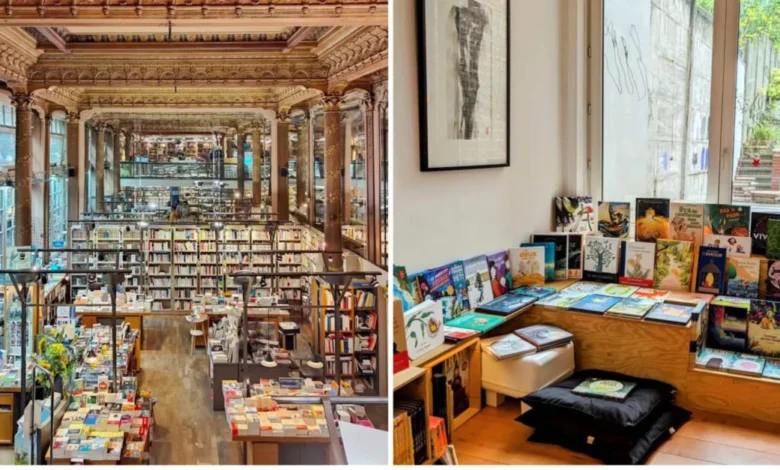
The most striking example of the city’s commitment to its literary history is the 2024 restoration of the Galerie Bortier. Originally inaugurated in 1848 and designed by architect Jean-Pierre Cluysenaar—the same visionary behind the Galeries Royales Saint-Hubert—the Galerie Bortier has long been known as the "gallery of booksellers." For over a century, it served as a sanctuary for collectors of rare manuscripts and antique editions. However, by the early 21st century, the gallery faced a decline in foot traffic.
The 2024 revitalization project sought to modernize the space while honoring its neo-Renaissance architecture. By integrating a literary café and artisanal food stalls alongside traditional stalls of rare book dealers, the city has successfully repositioned the gallery as a lifestyle destination. This "bistronomic" approach reflects a broader trend in European urban planning where cultural heritage sites are adapted to meet contemporary consumer demands for experiential retail.
A short walk away, Tropisme continues to stand as one of the most architecturally significant bookstores in the world. Located within the Galeries Royales Saint-Hubert, the shop is defined by its massive columns, mirrored walls, and an expansive mezzanine. Tropisme’s survival and success are tied to its ability to balance a high-volume tourist location with a deeply specialized inventory. The store’s layout serves as a physical map of human knowledge: the ground floor is dedicated to contemporary fiction and thrillers, the basement houses "the sciences" and fine arts, and the mezzanine focuses on Belgium’s rich heritage of comic strips (bande dessinée) and children’s literature.
Curated Excellence and the Rise of Author-Led Bookstores
The Brussels literary scene is increasingly characterized by "curated excellence," where the owners’ personal expertise serves as the primary draw for customers. This trend is exemplified by Les Yeux Gourmands in the Saint-Gilles district. Taken over in 2022 by acclaimed author Victoire de Changy and her husband Romain Detroy, the shop has become a reference point for what industry insiders call "vibrant literature."
The involvement of a professional writer in the day-to-day operations of a bookstore changes the dynamic of the retail experience. Customers at Les Yeux Gourmands are not just buying books; they are engaging with a curated selection of "literary pearls" that emphasize poetic sensibility and depth. This model of the "author-bookseller" provides a level of trust and expertise that algorithmic recommendations cannot match. The shop also functions as a community center, hosting frequent readings and launch events that strengthen the bond between creators and readers.
Similarly, Peinture Fraîche in the Châtelain neighborhood focuses on a specific niche: the visual and plastic arts. By specializing in photography, design, performing arts, and music, Peinture Fraîche has insulated itself from general market fluctuations. Its collection also branches into specialized thematic areas such as botany, Japanese culture, and economics, proving that hyper-specialization is a viable survival strategy for independent retailers in a high-rent district like Ixelles.
The Concept Store Evolution: Filigranes Mayfair
In contrast to the intimate boutiques of Saint-Gilles, Filigranes Mayfair represents the "concept store" evolution of the industry. Filigranes has long been a household name in Brussels, but its expansion into the Mayfair concept store marks a strategic shift toward a massive, all-encompassing cultural experience. Spanning 3,500 square meters and housing over 150,000 titles, Filigranes Mayfair blends traditional literature with lifestyle products, art books, and modern design.
This large-scale model addresses a different consumer need: the desire for variety and convenience within a high-end aesthetic environment. By integrating books into a broader "lifestyle" offering, Filigranes attracts a demographic that might not visit a traditional bookstore but is drawn to the modern, design-forward atmosphere. This approach highlights the diversification of the Belgian book market, where small independent shops and large-scale concept stores coexist by targeting different segments of the population.
Literary Third Places: The Intersection of Food, Wine, and Community
The concept of the "Third Place"—a social environment separate from the two usual social environments of home and workplace—is central to the success of Le Millefeuille and Trame. Le Millefeuille operates as an eco-responsible literary café, emphasizing sustainability in both its food offerings and its book inventory. By focusing on second-hand books and board games, it creates a low-barrier entry point for cultural consumption.
Trame takes this a step further by functioning as a hybrid space: part bookstore, part gallery, and part organic grocery store. This model is particularly innovative because it supports self-published authors and independent artists who are often excluded from mainstream distribution channels. At Trame, visitors can discover original photographic works or self-published novels while enjoying organic wine or tea. This multi-revenue stream model (books, food, art) provides financial stability while fostering a radical sense of community engagement.
Advocacy and Identity: Tulitu and Social Impact
Literature in Brussels also serves as a vehicle for social advocacy. Tulitu, founded through a partnership between a Brussels local and a Montrealer, specializes in Quebecois, LGBTQIA+, and feminist literature. The shop’s mission is explicitly political and social, aiming to provide a platform for voices that question the status quo and challenge traditional worldviews.
The success of Tulitu demonstrates the importance of "identity-based" bookstores in modern urban centers. These spaces serve as safe havens for marginalized communities and provide educational resources that are often overlooked by larger chains. By focusing on niche international markets—such as Quebecois literature—Tulitu also acts as a cultural bridge, enriching the Francophone literary dialogue in Belgium.
Supporting Data: The Economic Resilience of Belgian Bookstores
The resilience of these eight locations is supported by broader economic data regarding the Belgian book market. Unlike many other retail sectors, the physical book market in Belgium has shown remarkable stability. According to data from the Association des Libraires Francophones de Belgique (ALFB), independent bookstores have maintained a significant market share due to the "Loi relative à la protection du prix du livre" (the Law on the Protection of Book Prices), which was fully implemented in recent years.
This legislation limits the discounts that large retailers can offer on new books, ensuring that small independent shops can compete on a level playing field. Furthermore, cultural consumption surveys indicate that 65% of Brussels residents prefer purchasing books in-store rather than online when they are seeking "discovery" or "inspiration." This consumer behavior is what sustains the specialized boutiques mentioned above.
Chronology of the Brussels Literary Scene
- 1847-1848: Completion of the Galeries Royales Saint-Hubert and Galerie Bortier, establishing Brussels as a European center for book collecting.
- 1980s-1990s: The rise of large-scale retailers like Filigranes, which popularized the "late-night bookstore" concept in Brussels.
- 2010s: The emergence of niche, activist-led bookstores like Tulitu, reflecting global shifts toward social justice and identity politics.
- 2017-2019: Implementation of the fixed book price law in Wallonia and Brussels, providing a financial safety net for independent sellers.
- 2022: The transition of Les Yeux Gourmands to author-led management, signaling a move toward high-level curation.
- 2024: The grand reopening of Galerie Bortier, marking the definitive shift toward the "literary café/lifestyle" hybrid model.
Broader Impact and Implications for Urban Culture
The flourishing of these diverse literary spaces has profound implications for the urban fabric of Brussels. These bookstores act as "anchor tenants" for their neighborhoods, driving foot traffic to surrounding businesses and contributing to the "15-minute city" model where residents can access all their cultural and social needs within a short walk.
Moreover, the integration of galleries and performance spaces within bookstores—as seen in Trame and Les Yeux Gourmands—provides essential infrastructure for the local arts scene. As traditional galleries become increasingly commercialized, these hybrid literary spaces offer a more accessible platform for emerging artists.
The evolution of the Brussels bookstore scene suggests that the future of the industry lies in human connection and multi-sensory experiences. Whether through the historic preservation of Galerie Bortier or the radical inclusivity of Tulitu, these eight addresses prove that the "love of the book" remains a powerful engine for urban renewal and social cohesion in the heart of Europe. For the bibliophile, Brussels is no longer just a city with bookshops; it is a city where the bookshop has become the primary laboratory for modern cultural life.