Mesh Shoes the Summer Trend Taking Over Social Media and Retail Windows But Is It Worth the Investment

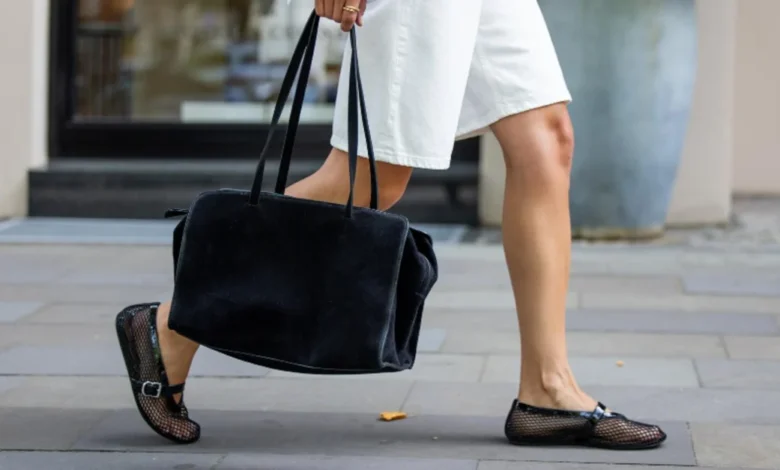
The footwear landscape of Summer 2024 has been defined by a singular, polarizing aesthetic: the mesh shoe. Lightweight, airy, and increasingly omnipresent on social media feeds and high-street window displays, these delicate silhouettes—ranging from ballet flats to Mary Janes—have moved from the avant-garde runways of Paris to the wardrobes of mainstream consumers. While they promise a blend of breathability and modern elegance, fashion experts and industry analysts are beginning to scrutinize whether this "naked shoe" trend represents a lasting shift in footwear or a fleeting, impractical investment. To understand the nuances of this phenomenon, we consulted Jeanne Spaey, a prominent stylist and image consultant specializing in sustainable fashion, to dissect the merits and pitfalls of the season’s most talked-about accessory.
The Rise of the "Naked Shoe" Aesthetic
The current obsession with mesh footwear is not an isolated event but rather the culmination of a broader "naked" trend that has permeated the fashion industry over the last three years. Following the prevalence of sheer dresses and transparent fabrics on the red carpet, the aesthetic has naturally migrated toward accessories. The trend gained significant momentum in late 2023 when luxury houses like Alaïa and The Row introduced fishnet and mesh flats that immediately achieved cult status, selling out globally and commanding high premiums on the secondary market.
According to market data, the global footwear market, valued at approximately $400 billion, has seen a 15% increase in searches for "breathable" and "transparent" shoes over the last six months. This surge is largely driven by "balletcore"—a viral fashion movement celebrating the grace and minimalism of dance attire—and a post-pandemic desire for footwear that balances the comfort of a slipper with the sophistication of a formal shoe. By the time Summer 2024 arrived, fast-fashion giants had rapidly replicated these designs, making the mesh look accessible to the mass market.
Expert Insight: The Allure and the Illusion
Despite their ubiquity, Jeanne Spaey warns consumers against rushing into a purchase solely based on social media visibility. "The mesh for the sake of mesh is not a sound strategy," Spaey explains. She notes that while the shoes look effortless in curated Instagram photos, their real-world application is often limited. "It is a trend that does not suit all climates and is often only wearable for a very short period of the year. Furthermore, it doesn’t align with every personal style, particularly for those seeking a minimalist or timeless wardrobe."
The primary appeal of mesh shoes lies in their lightweight construction and the "barefoot" sensation they provide. In the heat of summer, the promise of a shoe that allows for maximum airflow is enticing. However, Spaey points out that the "transparency" of the shoe acts as a double-edged sword. While it creates a delicate, leg-lengthening effect, it also demands a high level of maintenance for the wearer’s feet and offers zero protection against the elements or urban environments.
The Technical Reality: Comfort and Durability
One of the most significant misconceptions about mesh footwear is that its soft, fabric-like appearance automatically equates to comfort. In practice, the structural integrity of mesh is often inferior to traditional leather or suede.
"The comfort level varies significantly depending on the material and the quality of construction," Spaey says. "Mesh, along with decorative elements like embroidery or sequins, creates multiple points of contact and friction with the skin. This can lead to irritation or blisters, especially in high temperatures where the foot naturally expands."
Furthermore, the breathability of the shoe is highly dependent on the fibers used. High-quality mesh made from treated nylon or technical polyesters may offer cooling properties, but cheaper synthetic versions can actually trap heat and moisture against the skin, leading to discomfort. There is also the issue of support; a shoe made primarily of thin netting often lacks the arch support and heel stability required for long-distance walking, making them "sitting shoes" rather than practical daily footwear.
A Chronology of the Trend’s Evolution
To understand how mesh shoes became the "it-item" of the year, one must look at the timeline of their emergence:
- Spring 2023: Luxury brand Alaïa debuts the fishnet ballet flat. It becomes an overnight sensation among fashion editors and influencers.
- Fall 2023: The Row and Christopher Esber showcase mesh textures in their collections, cementing the "naked shoe" as a high-fashion staple.
- Early 2024: Search interest on platforms like Pinterest and TikTok spikes by over 200% for "mesh Mary Janes" and "sheer flats."
- Summer 2024: High-street retailers like Zara, Mango, and H&M release multiple iterations, bringing the price point down from $800 to under $50.
This rapid cycle from luxury to mass market is characteristic of modern "micro-trends." However, as Spaey suggests, the faster a trend rises, the more likely it is to be replaced by the next seasonal whim, raising questions about the sustainability of such purchases.
Sustainability and Consumer Responsibility
From a sustainable fashion perspective, mesh shoes present several challenges. Most mesh footwear is constructed from petroleum-based synthetics like polyester or nylon. Unlike leather, which can be repaired, conditioned, and resoled, mesh is notoriously difficult to fix once it snags or tears. A single hole in the netting can render the entire shoe unwearable, leading to a shorter product lifespan and increased landfill waste.
Jeanne Spaey emphasizes the importance of looking beyond the immediate trend. "If you are looking for a timeless pair that you will bring out summer after summer, you might want to think twice before succumbing to this trend," she advises. For those who prioritize a "slow fashion" approach, the fragility of mesh makes it a risky investment.
Strategic Buying: What to Look For
For consumers who are determined to embrace the mesh look, Spaey offers specific criteria to ensure they select a pair that offers the best possible balance of style and function.
- Material Quality: Opt for mesh that feels soft to the touch rather than scratchy or plastic-like. Look for reinforced seams at the toe and heel.
- Structural Support: "I recommend prioritizing models with a strap or an attachment," Spaey suggests. A Mary Jane style or a buckled strap provides the foot with much-needed stability that a simple slip-on mesh flat cannot offer.
- Finishings: Check the interior lining. High-quality mesh shoes often have a leather or high-grade microfiber insole to prevent the foot from sliding and to improve moisture absorption.
The Woven Alternative: A Timeless Compromise
For those who love the airy aesthetic of mesh but desire more durability and longevity, Spaey points toward a classic alternative: woven leather (or tressé).
"The mesh is a trend that comes and goes," says Spaey. "For those who want to follow the trend while building a more timeless wardrobe, I suggest woven leather. Woven styles have proven their worth over the long term and are likely to be less ephemeral than mesh." Woven shoes offer similar breathability and a textured visual interest but carry the structural benefits of leather, allowing them to age gracefully and remain relevant in a wardrobe for years rather than months.
Broader Impact and Implications for the Footwear Industry
The mesh shoe trend is a reflection of a larger shift in consumer behavior where "visibility" and "aesthetic" often take precedence over traditional utility. Retailers have noted that "photo-ready" shoes—those that look striking in digital formats—are currently outperforming more traditional, sturdy designs. This has forced manufacturers to innovate with new textiles, but it has also led to a saturation of low-quality "fast-fashion" footwear that may not survive a single season of heavy use.
The popularity of these shoes also signals a move toward more gender-fluid and experimental fashion. While mesh flats are currently marketed heavily toward women, the use of technical mesh is also appearing in men’s luxury sandals and loafers, suggesting that the desire for "transparency" in fashion is a cross-category shift.
Final Verdict: To Buy or Not to Buy?
The conclusion reached by Jeanne Spaey is one of tempered enthusiasm. Is the mesh shoe worth the investment? The answer is a nuanced "yes," but only if the consumer finds the "rare gem" that provides both comfort and quality.
"The mesh trend is interesting because it reminds us that shoes can be a fun style accessory," Spaey concludes. "However, you must find a pair that reaches the same level of versatility as the classic models we return to every summer."
As the season progresses, the mesh shoe remains a symbol of Summer 2024—a delicate, transparent, and fleeting moment in fashion. Whether it will be remembered as a classic staple or a discarded fad depends largely on the industry’s ability to move toward higher-quality iterations and the consumer’s willingness to choose longevity over viral appeal. For now, the advice for shoppers is clear: look closely at the weave, test the friction, and consider if the "naked shoe" truly fits your long-term style identity.