Toyota Motor Europe and Uber Forge Strategic Partnership to Accelerate Low-Emission Mobility for Ride-Hailing Drivers Across Europe

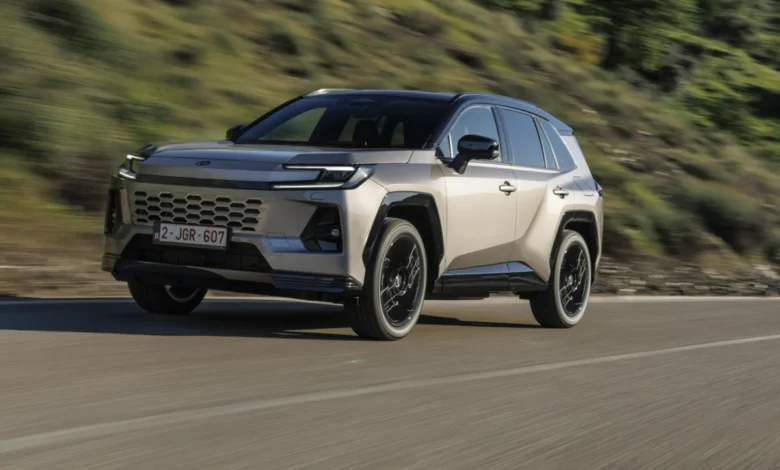
Toyota Motor Europe (TME) and Uber have officially entered into a wide-ranging strategic partnership designed to streamline the transition toward hybrid and battery-electric vehicles (BEVs) for independent drivers and fleet operators across the European continent. This collaboration arrives at a critical juncture for the ride-hailing industry, which faces mounting pressure from both municipal regulators and shifting consumer expectations to decarbonize urban transport. By combining Toyota’s extensive portfolio of electrified hardware with Uber’s massive digital platform and driver network, the two organizations aim to dismantle the financial and logistical barriers that have historically slowed the adoption of green mobility in the professional transport sector.
The partnership is structured as a comprehensive ecosystem, moving beyond simple vehicle supply to include bespoke financing, insurance, and maintenance packages. This holistic approach is intended to address the specific "total cost of ownership" (TCO) concerns that often deter self-employed drivers from upgrading to newer, cleaner technologies. As cities across Europe implement increasingly stringent Low Emission Zones (LEZs) and Zero Emission Zones (ZEZs), the ability for drivers to access affordable, reliable, and compliant vehicles has become a matter of professional survival.
A Multi-Technology Response to Urban Challenges
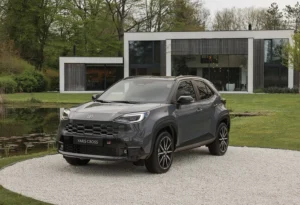
Central to this agreement is Toyota’s "multi-pathway" strategy, which posits that a variety of electrified powertrains—including Hybrid Electric Vehicles (HEVs), Plug-in Hybrid Electric Vehicles (PHEVs), and Battery Electric Vehicles (BEVs)—are necessary to meet the diverse needs of global markets. For Uber drivers, this means access to a broad selection of Toyota and Lexus models tailored to specific operational requirements.
In cities with robust charging infrastructure, drivers may gravitate toward fully electric models like the Toyota bZ4X or the Lexus RZ. However, in regions where public charging remains sparse or for drivers who perform long-distance trips that exceed current battery ranges, Toyota’s fifth-generation hybrid systems offer a practical bridge. Models such as the Toyota Corolla Touring Sports, the Camry, and the RAV4 Hybrid have already become staples of the VTC (Voiture de Transport avec Chauffeur) industry due to their reputation for durability and fuel efficiency.
This strategic alignment recognizes that a "one-size-fits-all" approach to electrification is often unfeasible for professional drivers. By offering a spectrum of technologies, TME and Uber ensure that drivers can choose the vehicle that best fits their specific duty cycles while still contributing to a significant reduction in tailpipe emissions compared to traditional internal combustion engines.
The Triad of Support: TME, TFS, and KINTO
To provide a seamless experience for Uber partners, the Toyota Group is mobilizing three of its core European divisions. This internal synergy is designed to create a "one-stop-shop" for drivers, reducing the administrative burden of switching vehicles.
- Toyota Motor Europe (TME): Responsible for the manufacturing and supply of the vehicles. TME will ensure that a steady pipeline of high-demand models is available to Uber drivers, even amidst global supply chain fluctuations that have previously hampered vehicle availability.
- Toyota Financial Services (TFS): This division will provide specialized financing solutions. Traditional automotive loans often do not account for the high annual mileage typical of ride-hailing work, which can lead to unfavorable terms for drivers. TFS intends to offer flexible credit and leasing options that reflect the unique economic realities of the gig economy.
- KINTO: Toyota’s dedicated mobility brand will play a pivotal role by offering full-service leasing and subscription models. KINTO’s involvement is particularly significant for drivers who prefer not to own a vehicle outright. Their packages often include integrated insurance, scheduled maintenance, and roadside assistance, allowing drivers to focus on their operations with predictable monthly costs.
By integrating these three pillars, the partnership addresses the "capital expenditure" hurdle. Professional drivers often face higher insurance premiums and maintenance costs; the TME-Uber framework seeks to bundle these costs into manageable, transparent structures.
Timeline and Geographic Rollout
The initiative is scheduled for a phased launch, beginning in June across ten key European markets. Belgium is among the first wave of countries to benefit from the program, reflecting the country’s aggressive push toward corporate and fleet electrification. Following the initial rollout, the program will be systematically expanded to other European nations, with the goal of creating a standardized support system for Uber’s hundreds of thousands of active drivers across the continent.
This timeline aligns with Uber’s broader global sustainability goals. The company has previously committed to becoming a zero-emission mobility platform in major European cities by 2030. To achieve this, Uber has pledged $800 million in resources to help drivers transition to EVs. The partnership with Toyota is a tangible manifestation of this investment, providing the physical infrastructure (the cars) and the financial mechanisms to meet these ambitious deadlines.
Regulatory Context and the Drive for Decarbonization
The backdrop of this partnership is the European Union’s "Fit for 55" legislative package, which aims to reduce net greenhouse gas emissions by at least 55% by 2030. Furthermore, the EU has mandated that all new cars and vans sold in the bloc must be zero-emission by 2035.

Cities are moving even faster than national governments. London’s Ultra Low Emission Zone (ULEZ), Paris’s plans to ban diesel vehicles, and Brussels’ Low Emission Zone requirements are forcing a rapid evolution of the VTC sector. For Uber, which operates heavily in these urban centers, failure to electrify its fleet would result in a significant loss of market access.
"The transition to low-emission mobility must be inclusive and accessible to everyone," stated Leonardo Carluccio, Vice President of Sales at Toyota Motor Europe. "With this partnership with Uber, we are improving access to vehicles, financing solutions, and mobility services from which drivers can benefit immediately."
Economic Implications for the Ride-Hailing Sector
From a macro-economic perspective, the partnership addresses the volatility of fuel prices, which has been a major pain point for independent contractors in recent years. While the initial purchase price of a hybrid or electric vehicle is typically higher than a petrol or diesel equivalent, the operational savings are substantial.
Data from various European transport studies suggest that high-mileage drivers (those covering over 30,000 km per year) see the fastest return on investment when switching to electrified powertrains. Hybrids can reduce fuel consumption by up to 30-50% in stop-and-go city traffic, while BEVs offer even lower "fuel" costs per kilometer, provided charging is managed efficiently.
Raoul Philipse, Senior Director of Central Operations at Uber, emphasized the financial benefits for the workforce: "By lowering the barriers to purchasing a vehicle, we are accelerating electrification and simultaneously supporting the income of drivers in a rapidly changing world."
Industry Reactions and Broader Impact
Industry analysts view this partnership as a defensive and offensive move. Defensively, it protects Uber from regulatory exclusion in key European capitals. Offensively, it positions Toyota as the primary partner for the "professionalization" of the gig economy. While Tesla has dominated the early EV conversation among ride-hailing drivers, Toyota’s reputation for reliability and its extensive dealership and service network across Europe provide a competitive advantage in terms of after-sales support.
Environmental advocacy groups have generally welcomed the news, though some continue to push for a faster transition to 100% battery-electric fleets. The inclusion of hybrids in the TME-Uber agreement is a pragmatic acknowledgement of current infrastructure limitations, but it remains a point of debate among those advocating for an immediate end to all tailpipe emissions.
Analysis of Long-Term Implications
The TME-Uber partnership signals a shift in the automotive industry from a "transactional" model (selling a car to a driver) to a "service-oriented" model (providing a mobility solution). This reflects a broader trend where car manufacturers are becoming mobility providers, and platform companies like Uber are becoming deeply integrated into the automotive supply chain.
As the program expands beyond the initial ten countries, it is expected to influence the second-hand vehicle market as well. As these professional-grade hybrids and EVs reach the end of their primary lease cycles, they will enter the used car market, further increasing the availability of affordable low-emission vehicles for the general public.
Furthermore, the data generated by this partnership—regarding charging patterns, vehicle wear-and-tear, and battery longevity in high-use scenarios—will be invaluable for Toyota as it refines its future EV designs. For Uber, the partnership provides a blueprint that could be replicated in other global regions, such as North America or Asia, where the company faces similar environmental and regulatory pressures.
In conclusion, the collaboration between Toyota Motor Europe and Uber represents a significant step toward the "greening" of urban transit. By addressing the specific financial vulnerabilities of independent drivers and providing a versatile range of vehicle technologies, the two companies are attempting to prove that the transition to sustainable mobility can be both economically viable and operationally practical for the people who keep Europe’s cities moving.
Related posts: