Belgium is set to implement a nationwide digital road vignette system starting May 1, 2027, marking a significant shift in how the country funds its infrastructure and manages its position as a central European transit hub. The initiative, coordinated across the three administrative regions of Flanders, Wallonia, and the Brussels-Capital Region, aims to ensure that all road users—including the millions of foreign motorists who traverse the Belgian network annually—contribute to the maintenance and modernization of the country’s heavily used highways and regional roads. Under the proposed framework, all motor vehicles with a maximum authorized mass of up to 3.5 tonnes will be required to register for the digital vignette to utilize the primary road network. This policy transition comes after years of political debate and logistical planning, seeking to balance the need for infrastructure revenue with strict European Union non-discrimination laws.
The Strategic Necessity of Road Pricing in Belgium
Belgium’s geographic location makes it one of the most vital transit corridors in Europe. Situated between major economic hubs like the Port of Rotterdam, the industrial centers of Germany, and the markets of France, the Belgian road network experiences some of the highest traffic densities on the continent. For decades, the Belgian taxpayer has exclusively shouldered the burden of maintaining this infrastructure, while a significant portion of the wear and tear is attributed to international transit.
Government data suggests that the intensity of use on Belgian motorways leads to faster degradation compared to many of its neighbors. By introducing a vignette, the Belgian authorities aim to create a more equitable distribution of costs. However, the path to this system has been fraught with legal challenges. According to European Union regulations, specifically those governed by the European Court of Justice, a member state cannot impose a road charge that applies solely to foreign drivers. Such a move would be deemed discriminatory based on nationality. Consequently, the Belgian "Eurovignette" for light vehicles must apply to all residents and non-residents alike, with Belgian citizens paying the fee alongside international visitors.
Technical Implementation and the Move to Digital
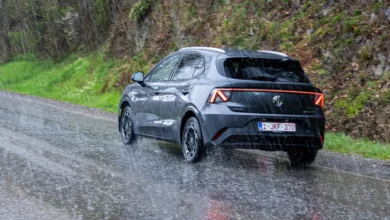
Unlike traditional systems in countries like Switzerland or Austria, where physical stickers are often affixed to the windshield, Belgium is opting for a fully digital solution. The vignette will be linked directly to the vehicle’s license plate number. This approach leverages the existing infrastructure of Automatic Number Plate Recognition (ANPR) cameras already widely deployed across Belgium for speed enforcement and Low Emission Zone (LEZ) monitoring.
The registration process is designed to be streamlined. Starting March 1, 2027, two months before the enforcement date, motorists will be able to purchase the vignette through an official government portal and authorized third-party partners. Because the system is digital, there is no risk of loss or theft of a physical decal, and the status of a vehicle can be verified instantly by law enforcement systems. The digital nature also allows for flexibility in duration, with the government expected to offer annual, monthly, and short-term (10-day) options to accommodate tourists and occasional transit users.
A Unified Framework Across Three Regions
One of the most complex aspects of the Belgian political landscape is the division of powers between Flanders, Wallonia, and Brussels. Infrastructure and taxation are largely regional competencies, which has historically led to fragmented policies. However, in a rare show of inter-regional cooperation, all three governments have agreed to a unified digital procedure.

A single registration will grant access to the entire Belgian territory. This means a driver entering from the Netherlands and traveling through Flanders to reach a destination in Wallonia or the center of Brussels will only need to interact with one system. This "one-stop-shop" model is essential for maintaining the fluidity of traffic and preventing administrative bottlenecks at regional borders. While the registration system is unified, the revenue distribution and the compensatory tax measures will remain distinct to each region, reflecting their specific fiscal priorities.
Regional Fiscal Compensation and Resident Impact
To mitigate the financial impact on Belgian residents, who already pay significant annual road taxes, the regional governments are preparing various compensation mechanisms. The goal is to ensure that for the average Belgian driver, the introduction of the vignette is "fiscally neutral."
In Wallonia, the regional government has stated that the cost of the vignette will be offset by a reduction in existing vehicle taxes. The exact formula for this compensation is still under development, but the intent is to prevent a double-taxation scenario for Walloon households.
Flanders is taking a more transformative approach. The introduction of the vignette is being integrated into a broader reform of the annual road tax. For vehicles newly registered from 2027 onwards, the Flemish government plans to calculate taxes based on a combination of vehicle weight and CO2 emissions. This aligns the road pricing strategy with environmental goals, incentivizing the adoption of lighter, cleaner vehicles while ensuring that the infrastructure cost is covered.
In the Brussels-Capital Region, the situation is further complicated by the existing Low Emission Zone (LEZ) and the high density of commuting traffic. While Brussels is participating in the common vignette system, it has not yet finalized its specific tax compensation model. It is important to note that the road vignette will not replace the LEZ requirements. A vehicle may have a valid road vignette but still be prohibited from entering Brussels if it does not meet the city’s air quality standards.
Projected Costs and Economic Data
While official pricing has not been set in stone by the Council of Ministers, preliminary data from independent monitoring bodies like BelgiumVignette.be provide a glimpse into the expected price points. An annual vignette is projected to cost between €90 and €125. For short-term visitors, prices could start as low as €9 for a 10-day pass, making it comparable to the pricing structures found in Austria and the Czech Republic.
From a budgetary perspective, the vignette is expected to generate hundreds of millions of euros in annual revenue. A significant portion of this will come from the estimated 5 to 10 million foreign vehicles that enter or transit through Belgium each year. These funds are earmarked for the "Roads of the Future" initiative, focusing on pavement durability, smart traffic management systems, and the expansion of electric vehicle charging infrastructure along major axes.

Timeline and Enforcement
The rollout of the system follows a strict chronology to ensure public readiness:
- March 1, 2027: Official sales launch. Digital platforms and physical kiosks at border crossings will begin accepting registrations.
- May 1, 2027: Enforcement begins. ANPR cameras across the motorway network will start cross-referencing license plates with the registration database.
- Post-May 2027: Periodic reviews of the system’s impact on traffic flow and regional tax revenues.
Enforcement will be automated. Vehicles detected on the regional or motorway network without a valid registration will trigger an automatic fine, which is expected to be significantly higher than the cost of an annual vignette. This high-penalty "deterrent" model is similar to the one used for the Viapass system, which currently manages kilometer-based tolls for heavy goods vehicles (HGVs) over 3.5 tonnes.
Legal Precedents and European Compliance
The Belgian government is moving cautiously to avoid the legal pitfalls that saw Germany’s "Maut" (toll) plan struck down by the European Court of Justice in 2019. The German plan was found to be discriminatory because it offered a cent-for-cent tax credit to German residents, effectively making the toll free for locals and a burden only for foreigners.
Legal analysts suggest that Belgium’s approach of "fiscal neutrality" through broader tax reform—rather than a direct one-to-one refund—may stand a better chance of surviving EU scrutiny. By framing the change as a restructuring of the entire automotive tax code (especially in Flanders, where it is linked to CO2 and weight), the government can argue that the vignette is a non-discriminatory component of a general environmental and infrastructure policy.
Broader Implications for Mobility and Environment
The introduction of the vignette is more than just a fiscal measure; it is a tool for demand management. By placing a visible price on road usage, the government hopes to encourage a shift toward public transport and rail for cross-border transit. Furthermore, the data collected through the registration system (though anonymized for privacy compliance) will provide the regions with unprecedented insights into traffic patterns, allowing for better-informed urban planning and infrastructure investment.
However, critics point out potential "waterbed effects," where drivers might avoid the charged motorway and regional network by using local village roads. To counter this, the legislation specifies that the vignette is required for the "primary" network, and local police will be tasked with monitoring increased congestion on secondary routes that might be used as "toll-avoidance" paths.
As Belgium prepares for this 2027 milestone, the eyes of other European nations—particularly those without existing toll systems like the Netherlands—will be on the country. If successful, the Belgian model of a multi-regional, digitally enforced, and fiscally neutral vignette could become a blueprint for other transit nations seeking to modernize their infrastructure funding in the 21st century.
Related posts: