Elevating Summer Gastronomy: The Science of Flavor Contrasts and the Evolution of Modern Seasonal Dining

As global temperatures continue to reach record-breaking heights during the summer months, the culinary landscape is undergoing a significant transformation, moving away from traditional, heavy fare toward sophisticated, nutrient-dense compositions that prioritize hydration and flavor complexity. The modern consumer no longer settles for the rudimentary "garden salad" consisting of iceberg lettuce, cucumber, and tomato; instead, there is a burgeoning demand for dishes that offer a curated balance of sweetness, salinity, and textural variety. Culinary experts and nutritionists alike note that as the body adapts to external heat, the digestive system often favors lighter, enzyme-rich meals that provide sustained energy without the lethargy associated with calorie-dense winter staples.
The contemporary approach to summer dining is rooted in the "architecture of contrast." By synthesizing creamy elements with crunchy textures and bridging the gap between savory proteins and saccharine fruits, chefs are creating meals that serve as both a sensory experience and a functional tool for thermal regulation. This shift is not merely a matter of taste but is increasingly linked to the concept of "heat aging," where environmental stressors necessitate a diet rich in antioxidants and healthy fats to mitigate the physiological impact of rising temperatures.
The Evolution of the Summer Plate: A Shift in Consumer Preference
The transition toward more complex summer meals is supported by retail and hospitality data. According to recent market analysis in the European food sector, sales of "hero ingredients" such as burrata, nectarines, and ancient grains like pearl couscous have seen a 15% year-over-year increase during the Q3 period. Consumers are increasingly seeking "restaurant-quality" experiences at home, leading to a rise in the use of premium ingredients like Medjool dates, PDO-protected prosciutto, and artisanal cheeses.
This trend is also reflected in the "bowl culture" phenomenon, which has moved from a niche health trend to a mainstream staple. The poke bowl, originally a simple Hawaiian fisherman’s snack, has been reimagined in Western markets as a vessel for global fusion, incorporating Korean kimchi, Japanese edamame, and tropical fruits. The versatility of these dishes allows for a personalized approach to nutrition, catering to the growing demographic of "flexitarians" who oscillate between plant-based and protein-inclusive diets.
Detailed Analysis of Modern Summer Compositions
To understand the mechanics of a successful seasonal dish, one must analyze the interplay of ingredients. Three specific archetypes have emerged as leaders in the 2024 summer culinary season: the Elevated Stone Fruit Salad, the Textural Grain Bowl, and the Tropical Fusion Bowl.
1. The Synergy of Stone Fruit and Creamy Dairy: Roasted Parma Ham, Nectarine, and Burrata
The combination of roasted stone fruit and fresh cheese represents a pinnacle of Mediterranean-inspired dining. This dish utilizes the Maillard reaction—a chemical reaction between amino acids and reducing sugars that gives browned food its distinctive flavor—by briefly roasting nectarines. This process intensifies the fruit’s natural sugars, providing a deep, caramelized counterpoint to the salt-cured profile of Parma ham.
Nutritional and Technical Components:
- The Protein Base: Parma ham, when oven-roasted at 200°C for ten minutes, undergoes a textural transformation from supple to brittle. This provides the necessary "crunch" factor that stimulates the palate.
- The Creamy Element: Burrata, a transition from the traditional mozzarella, offers a rich, stracciatella-filled center that acts as a natural sauce for the greens.
- Hydration and Fiber: The inclusion of avocado and lamb’s lettuce (veldsla) ensures a high water content, essential for maintaining hydration during heatwaves.
- Natural Sweetness: Medjool dates provide a chewy texture and a boost of potassium, which is often depleted through perspiration in high temperatures.
Preparation Strategy:
For two servings, 100g of lamb’s lettuce forms the base. The integration of two ripened nectarines, sliced and roasted alongside six strips of prosciutto, creates the warm-cold contrast essential for modern salads. The dish is finished with toasted pine nuts and a balsamic glaze, which provides the necessary acidity to cut through the fat of the burrata and avocado.
2. The Textural Grain Evolution: Pearl Couscous with Goat Cheese and Pomegranate
Pearl couscous, or ptitim, was originally developed in Israel in the 1950s as a rice substitute. Today, it serves as a sophisticated base for salads due to its unique "al dente" mouthfeel. Unlike traditional couscous, which is steamed, pearl couscous is toasted, giving it a nutty undertone that pairs exceptionally well with tangy cheeses and acidic fruits.
Flavor Balancing and Micronutrients:
- Acidity and Antioxidants: Pomegranate seeds (arils) provide a burst of acidity and are rich in polyphenols, which aid in cardiovascular health—a vital consideration when the heart works harder to cool the body in summer.
- The Savory-Tangy Pivot: The use of goat cheese wrapped in bacon (spek-geitenkaas) introduces a smoky, creamy element. When pan-seared, the fats render out, creating a savory coating for the pearl couscous.
- The Dressing Matrix: A honey-mustard-balsamic emulsion serves as the "glue" for the dish. The mustard acts as an emulsifier, while the honey balances the sharp vinegar, ensuring every grain of couscous is seasoned.
Component Breakdown:
A standard preparation for two involves 100g of mixed greens and a portion of pearl couscous. The addition of 150g of high-quality cherry tomatoes (such as Looye honey tomatoes) adds a consistent sweetness. The crunch is provided by walnuts or pecans, while silver onions (pickled onions) offer a sharp, vinegary "pop" that cleanses the palate between bites.
3. Global Fusion and Thermal Regulation: Tropical Poke Bowl with Mango and Lime
The poke bowl has become a symbol of modern "clean eating." By focusing on raw or lightly cooked ingredients, this dish preserves the integrity of vitamins and enzymes. The inclusion of fermented elements like kimchi highlights the growing consumer interest in gut health, which is often disrupted by travel or changes in summer routines.
The "Umami-Zest" Profile:
- Enzymatic Digestion: Mango contains amylases, which help break down complex carbohydrates like sushirijst (sushi rice).
- Probiotic Integration: Kimchi provides lactobacilli, supporting the immune system.
- Healthy Fats: Avocado serves as the primary source of monounsaturated fats, promoting satiety without the "heaviness" of animal fats.
- The Sriracha-Lime Dynamic: Capsaicin from sriracha can actually aid in cooling the body by inducing slight perspiration (gustatory facial sweating), while lime juice provides essential Vitamin C.
Assembly and Variations:
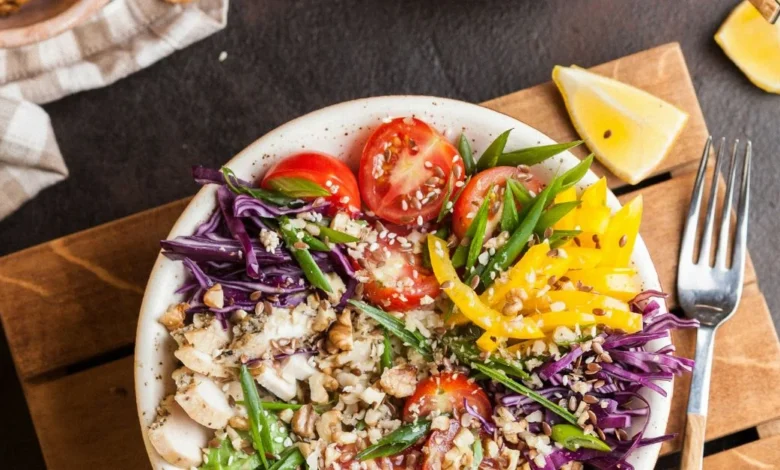
The base consists of 200g of sushi rice, cooled to room temperature to prevent wilting the fresh vegetables. The arrangement of edamame, cucumber ribbons, and spring onions creates a visual "rainbow" effect, which psychological studies suggest increases the perceived enjoyment and healthfulness of a meal. While 250g of grilled chicken or scampi provides the protein, the industry is seeing a massive shift toward marinated tofu or tempeh as sustainable alternatives.
The Science of Summer Satiety: Why These Dishes Work
The success of these recipes is rooted in "Sensory Specific Satiety." Research indicates that meals containing multiple textures (creamy, crunchy, soft) and flavor profiles (sweet, sour, salty, bitter, umami) satisfy the brain more quickly than monolithic flavors. In high heat, when the appetite is naturally suppressed, these high-contrast meals ensure that individuals consume adequate nutrients without feeling overwhelmed.
Furthermore, the "Heat Aging" factor mentioned in contemporary wellness literature suggests that a diet high in Vitamin E (found in pine nuts and avocados), Vitamin C (lime and mango), and Omega-3s is crucial for skin health and inflammation reduction during prolonged sun exposure.
Economic and Environmental Impact
The shift toward these ingredients has broader implications for the agricultural supply chain. The demand for "summer fruits" in savory contexts has extended the market season for nectarines and peaches. However, climate change also presents challenges; water scarcity in regions like Spain and Italy—major exporters of these ingredients—has led to price volatility.
In response, many European consumers are looking toward local "superfoods" such as walnuts and regional goat cheeses to replicate these profiles. The hospitality sector has also responded, with Brussels-based restaurants and European bistros increasingly featuring "composed bowls" and "fruit-forward salads" on their seasonal menus to reduce energy consumption in kitchens (as these dishes require less cooking time than traditional braises or roasts).
Conclusion: The Future of the Summer Menu
As we look toward the future of seasonal dining, the emphasis will likely remain on the "refreshment factor." The integration of global flavors—from the balsamic vinegars of Italy to the kimchis of Korea—indicates a more adventurous and health-conscious consumer base. By mastering the art of contrast and understanding the nutritional needs of the body during the warmer months, the act of eating becomes more than just sustenance; it becomes a vital part of summer wellness and lifestyle management.
The transition from a simple side salad to a "complete summer meal" reflects a broader cultural appreciation for ingredient quality and culinary balance. Whether it is the crunch of roasted parma ham or the zesty kick of a lime-infused poke bowl, the modern summer menu is a testament to the ingenuity of contemporary gastronomy in the face of a changing climate.