Feeling Magazine Launches Latest Issue Exploring Modern Lifestyle Trends From Aesthetic Tourism to High Fashion and Psychological Wellness

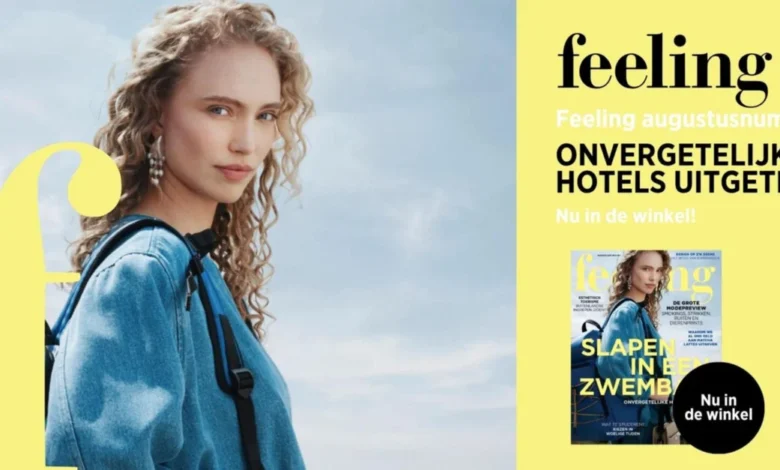
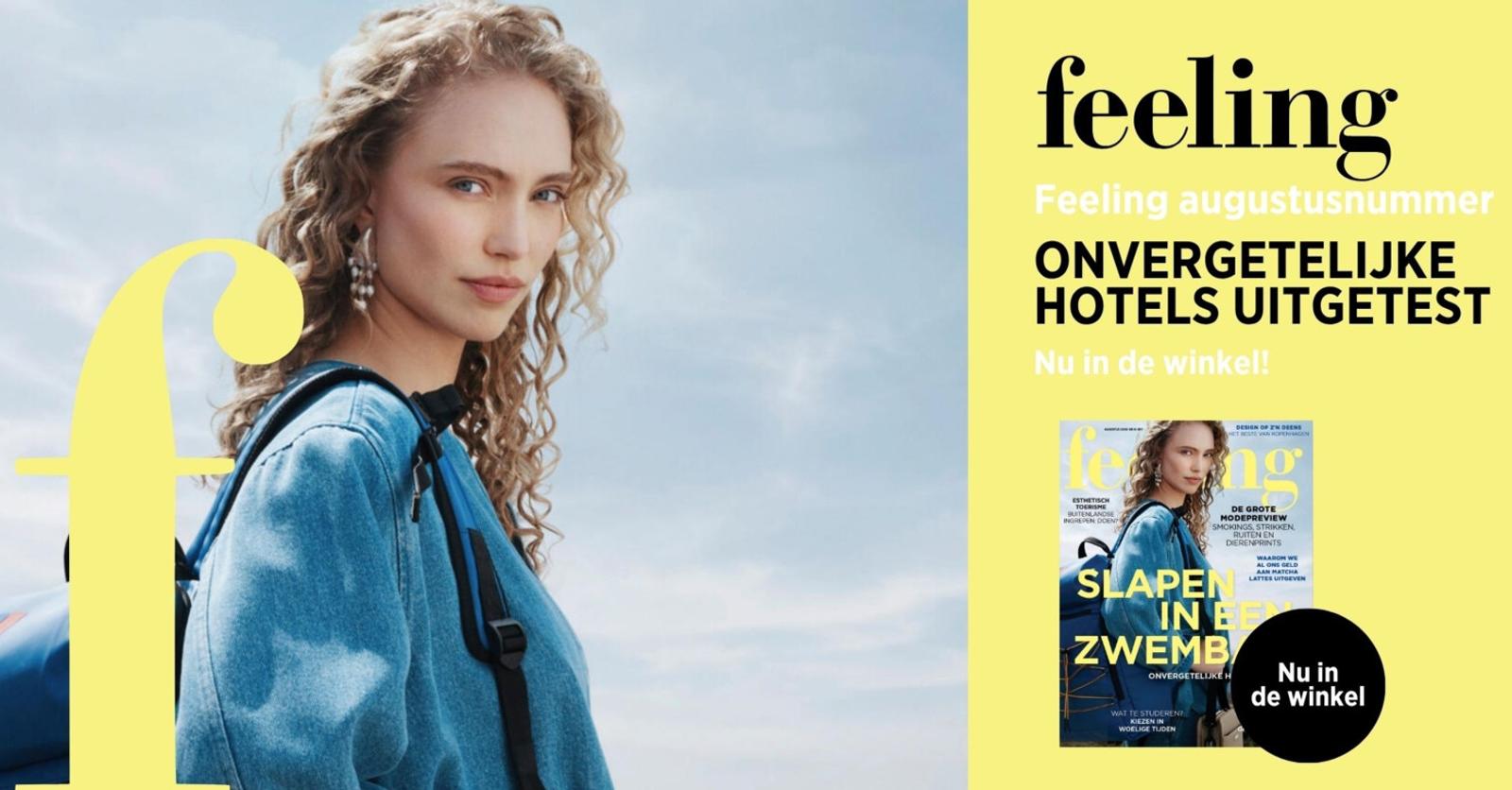
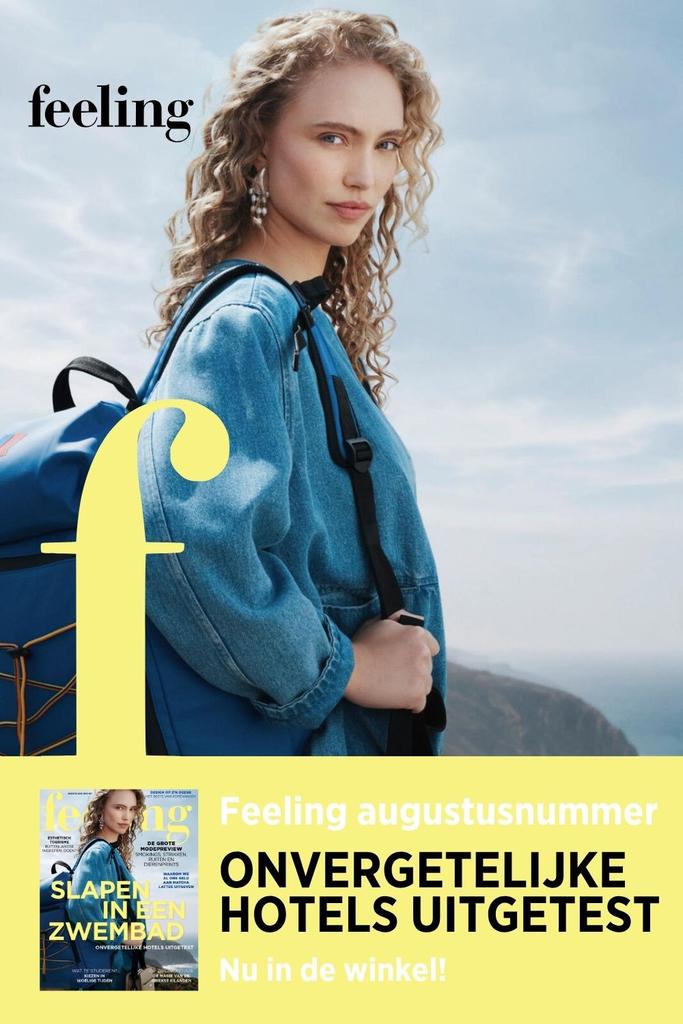
The latest edition of Feeling magazine has been released, offering a comprehensive exploration of the modern lifestyle, ranging from the escapism of luxury hotels to the complex psychological drivers behind consumer behavior and interpersonal relationships. This issue serves as a curated guide for the contemporary woman, blending high-fashion analysis with deep-dive reports on medical tourism, educational choices, and the evolving "treat yourself" culture. By positioning the hotel as a microcosm of a carefree world, the publication invites readers to step away from daily routines while simultaneously providing the tools to navigate the challenges of modern life with better-informed perspectives.
The Rise of Aesthetic Tourism: From Albania to Seoul
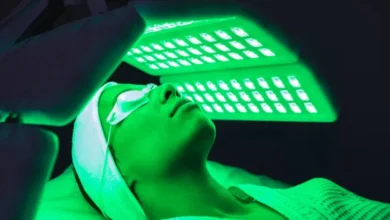
One of the most significant features in this issue examines the burgeoning industry of aesthetic tourism. As global travel becomes more accessible, an increasing number of individuals are seeking cosmetic procedures beyond their national borders. Feeling investigates the dual nature of this trend, focusing on two major hubs: Albania and South Korea.
Albania has recently emerged as a primary destination for hair transplants, rivaling traditional hubs like Turkey. This shift is driven by a combination of competitive pricing—often 50% to 70% lower than in Western Europe—and a growing infrastructure of specialized clinics. Meanwhile, Seoul remains the undisputed global capital of skincare and facial rejuvenation. The South Korean "K-Beauty" phenomenon has transitioned from products to procedures, with the city’s Gangnam district hosting hundreds of clinics that utilize the world’s most advanced laser and injectable technologies.
Industry data supports this surge. The global medical tourism market was valued at approximately $11.5 billion in 2023 and is projected to grow at a compound annual growth rate (CAGR) of over 12% through 2030. However, the report also raises critical questions regarding the "too good to be true" aspect of these deals. While the cost savings are undeniable, the publication highlights the risks associated with a lack of post-operative follow-up and the legal complexities of seeking redress if a procedure results in complications. Medical experts interviewed for the piece emphasize that "destination beauty" requires rigorous research into surgeon credentials and clinic certifications rather than relying solely on social media testimonials.
Fashion’s New Direction: Brandon Wen and the Antwerp Academy
In the realm of high fashion, Feeling turns its spotlight on Brandon Wen, the creative director of the Royal Academy of Fine Arts Antwerp. Having succeeded the legendary Walter Van Beirendonck, Wen faced the monumental task of leading one of the world’s most prestigious fashion institutions. The issue marks a pivotal moment in his career with the launch of his debut collection, "All things equal."
Wen’s approach is described as a departure from traditional norms, emphasizing a gender-neutral and highly artistic aesthetic that mirrors his own unique persona. The Antwerp Academy has historically been the breeding ground for the "Antwerp Six," a group of designers including Dries Van Noten and Ann Demeulemeester who revolutionized the industry in the 1980s. Wen’s leadership represents a new era for the academy, focusing on inclusivity and the blurring of lines between art and wearable garments.
The magazine identifies three core themes dominating the upcoming fashion season: romance, animal prints, and superhero-inspired silhouettes. This stylistic shift reflects a broader societal desire for both nostalgia and empowerment. Romantic elements—such as lace and soft draping—offer a sense of escapism, while animal prints and bold, structured "superhero" shoulders signify a return to assertive, expressive dressing in a post-pandemic world.
The Psychology of Consumption: The "Treat Yourself" Economy
A deep-dive analysis in this issue explores the "Ik koop dus ik ben" (I buy, therefore I am) phenomenon. The report investigates why high-end niche brands, such as $80 scented candles and artisanal matcha lattes, have become staple luxuries for the modern consumer. This behavior is often categorized under the "Lipstick Effect"—a theory suggesting that during times of economic uncertainty, consumers are more likely to purchase small, expensive treats rather than large-ticket luxury items like cars or real estate.
Feeling examines how social media has accelerated this "treat yourself" culture. The commodification of daily rituals has turned ordinary consumption into a form of self-expression and identity building. However, the publication also warns of the potential for these habits to become a mask for deeper dissatisfaction. The report provides insights into how individuals can distinguish between genuine self-care and impulsive consumption used as a coping mechanism for stress or loneliness.
Psychological Well-being: Fawning and Vacation Sickness
Moving beyond material consumption, the magazine addresses complex psychological states that affect women disproportionately. A major feature is dedicated to "fawning"—a term used in psychology to describe a trauma response where an individual resorts to people-pleasing to avoid conflict or ensure safety.
While being helpful or kind is generally viewed as a positive trait, "problematic pleasing" occurs when it becomes a survival strategy. The article explores the roots of fawning, often found in childhood dynamics or high-stress work environments, and provides actionable advice on how to establish boundaries and say "no" without guilt. This is positioned as an essential step toward emotional autonomy and mental health.
Parallel to this, the issue investigates the curious phenomenon of "leisure sickness"—the tendency for people to fall ill the moment they begin their vacation. Medical research suggests that the sudden drop in cortisol levels (the stress hormone) when transitioning from a high-pressure work environment to total relaxation can weaken the immune system’s immediate response, allowing dormant viruses to take hold. Feeling offers a guide on how to manage this transition, suggesting a "tapering" of work intensity rather than an abrupt stop, to allow the body’s systems to recalibrate.
Architectural Rebirth: From Prisons to Luxury Hotels
The theme of the "hotel microcosm" is further explored through a report on "Adaptive Reuse" in the hospitality industry. The magazine showcases a series of extraordinary hotels housed in buildings that served entirely different, often grim, historical purposes. These include former prisons, banks, and even industrial harbor cranes that have been transformed into high-end boutique accommodations.
This trend reflects a broader movement in urban development toward sustainability and heritage preservation. By repurposing existing structures, developers can offer unique, "one-of-a-kind" experiences that new builds cannot replicate. For the traveler, these locations offer a sense of historical immersion combined with contemporary luxury. The report provides a curated list of these destinations, catering to the "experience seeker" who prioritizes storytelling and architectural significance in their travel choices.
Navigating Educational Transitions
For parents, the issue provides a timely report on the educational choices facing the next generation. As the academic year approaches, the magazine analyzes the pressures of choosing a field of study in an era of rapid technological change and AI integration.
The feature argues that despite the rise of technical and digital skills, "every job field still needs people who can truly think." It emphasizes the importance of critical thinking, emotional intelligence, and interdisciplinary learning. The report serves as a guide for parents to support their children’s autonomy in choosing a path that aligns with both their passions and the evolving demands of the global labor market.
Maritime Escapism: Sailing the Cyclades
Rounding out the travel section is a detailed account of a sailing cruise through the Greek Cyclades. Unlike traditional large-scale cruises, the use of a classic clipper or sailing yacht offers a more intimate and authentic connection to the environment. The report details the sensory experience of the Aegean Sea—the "pure, blue Greek waters" and the technical grace of a ship under full sail. This form of travel is presented as the ultimate antidote to the "sleur" (monotony) of daily life, emphasizing a return to slow travel and natural beauty.
Conclusion and Societal Implications
The August issue of Feeling magazine functions as more than a lifestyle periodical; it acts as a cultural barometer for the current state of the modern woman’s world. By addressing topics such as the ethics of medical tourism, the psychological roots of fawning, and the economic drivers of small luxuries, the publication acknowledges that being "well-informed" is the cornerstone of "feeling good."
The overarching message of the issue is one of empowerment through knowledge. Whether it is understanding the physiological reasons for falling sick on holiday or the architectural history of a boutique hotel, the content encourages a deeper engagement with the world. As the magazine concludes, these insights are intended to provide "solutions you can actually use," reflecting a shift in lifestyle journalism from mere aspiration to practical, evidence-based guidance. The new issue, available from July 22, arrives at a time when consumers are increasingly looking for substance and expert analysis amidst the noise of the digital age.