Samsung Galaxy S26 Series Sees Significant Price Reductions Shortly After Launch, Bolstering Market Accessibility


Samsung, a perennial leader in the global smartphone industry, has introduced significant discounts on its recently launched Galaxy S26 series, a move that has quickly made the premium devices more accessible to a wider consumer base. These substantial price reductions, appearing mere weeks after the lineup’s official debut, are available directly from the manufacturer and through various third-party retailers, signaling a potentially aggressive market strategy in the highly competitive smartphone segment.
The S26 Series: A Premium Offering in a Crowded Market
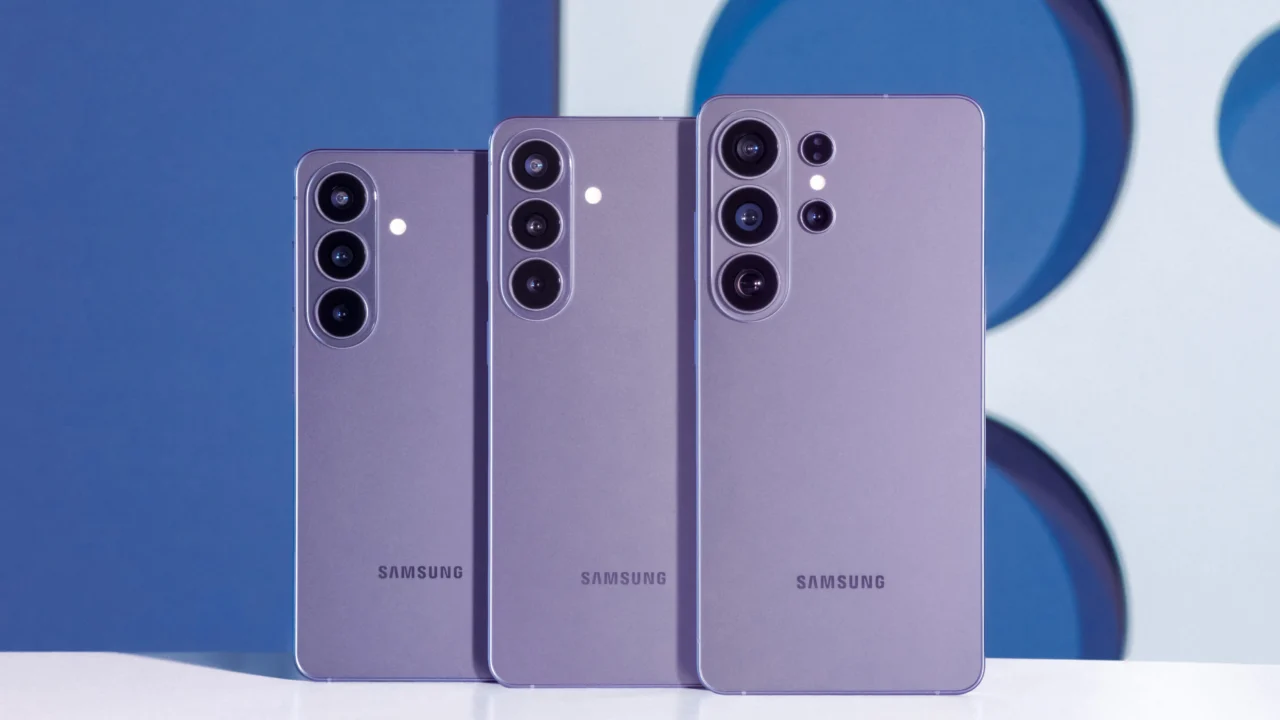
The Samsung Galaxy S26 series, comprising the S26, S26 Plus, and the flagship S26 Ultra, represents the pinnacle of Samsung’s technological innovation for the current generation. Historically, the Galaxy S-series has been a cornerstone of the premium Android smartphone market, known for pushing boundaries in camera technology, display quality, processing power, and overall user experience. The S26 lineup continues this tradition, featuring advanced camera systems, cutting-edge processors designed for demanding applications, vibrant AMOLED displays, and, in the case of the S26 Ultra, the integrated S Pen for enhanced productivity and creativity. The aesthetic appeal, exemplified by exclusive color options such as the Cobalt Violet depicted in promotional materials, further underscores their premium positioning.
Typically, flagship smartphones maintain their initial high price point for several months post-launch, with gradual price erosion occurring as newer models approach or during major sales events. The swift introduction of substantial discounts on the S26 series, therefore, marks a notable deviation from this conventional pricing trajectory, prompting industry observers to analyze the underlying market dynamics and strategic motivations behind Samsung’s approach. This early adjustment in pricing strategy could be interpreted as a proactive measure to capture market share, respond to competitive pressures, or stimulate demand in a potentially cautious consumer environment.
Unprecedented Discounts: Samsung’s Direct Play
One of the most striking aspects of these early price reductions is Samsung’s direct involvement in offering them. Through its official website, the South Korean technology giant is providing considerable incentives, utilizing the promotional code GALAXYAPRIL. This campaign offers a €200 discount on the standard Galaxy S26, a €300 reduction on the Galaxy S26 Plus, and a substantial €400 off the top-tier Galaxy S26 Ultra. These discounts bring the starting price of the S26 Ultra down to a minimum of €1,049 when purchased directly from Samsung.
Purchasing directly from the manufacturer comes with several inherent advantages for consumers. Firstly, it guarantees full warranty coverage and access to Samsung’s comprehensive customer support network, offering peace of mind. Secondly, direct purchases often provide access to exclusive colorways and configurations that may not be immediately available through third-party channels, allowing consumers to personalize their device choice. Furthermore, Samsung’s direct sales channel frequently includes attractive trade-in programs, allowing customers to exchange their old devices for additional discounts, potentially reducing the net cost of a new S26 series phone even further. This multi-layered approach to discounting and incentivizing purchases through their own platform highlights Samsung’s efforts to control the customer journey and maximize direct engagement.
Third-Party Retailers Intensify the Price War
Beyond Samsung’s direct promotions, the competitive landscape is further intensified by third-party retailers offering even more aggressive pricing. This common market dynamic sees independent electronics stores and online marketplaces competing fiercely to attract customers, often operating on thinner margins to undercut official pricing.
Axitech, for instance, is offering the Samsung Galaxy S26 Ultra Enterprise Edition with 256 GB of storage for €999. While a small shipping fee is typically added, this price point for the Ultra model is notably lower than Samsung’s discounted direct price. The "Enterprise Edition" typically signifies a variant tailored for business users, often featuring enhanced security features, extended software support, and specific management tools, making this an especially attractive offer for professionals or businesses seeking robust mobile solutions at a reduced cost.
Similarly, NBB is presenting the standard Samsung Galaxy S26 with 256 GB in white for €739.99. This represents one of the lowest entry points for the base model, demonstrating the aggressive pricing strategies employed by retailers to capture market share in the wake of a new flagship launch. Such competitive pricing from various outlets creates a dynamic market where consumers can actively seek out the best deals, often leading to a race to the bottom among retailers, much to the benefit of the end-user. The timing of these offers, so soon after release, suggests a concerted effort across the retail spectrum to drive sales volumes.
The Appeal of Last Year’s Flagship: S25 Ultra’s Enduring Value
Adding another layer of complexity to the purchasing decision is the continued viability and attractive pricing of the previous generation’s flagship, the Samsung Galaxy S25 Ultra. The original article highlights that for consumers who do not require the latest privacy screen technology of the S26 Ultra but desire its high-end camera capabilities, the S25 Ultra remains a compelling option. Currently available at retailers like Bol plaza for €869, the S25 Ultra offers a significant saving while still delivering a premium smartphone experience.
This recommendation is underpinned by critical analysis from technology reviews, including those referenced in the original piece, which suggest that the generational improvements between the S25 Ultra and the S26 Ultra are "relatively minimal." In an era where smartphone innovation often appears incremental rather than revolutionary, consumers are increasingly discerning. They are less inclined to upgrade for marginal performance bumps or minor feature additions, especially when a perfectly capable predecessor is available at a substantially lower price point. The S25 Ultra, with its proven performance, robust camera system, and premium build, continues to represent excellent value for money, forcing Samsung and its retailers to be more aggressive with S26 pricing to differentiate the new model effectively. This trend reflects a broader shift in consumer behavior, where value and tangible improvements increasingly outweigh the allure of merely owning the "latest" device.
Market Dynamics and Samsung’s Strategic Imperative
The rapid introduction of discounts on a newly launched flagship series can be interpreted through several lenses concerning broader market dynamics and Samsung’s strategic imperatives. Firstly, it could be a proactive measure to maintain or expand market share in a fiercely competitive global smartphone market. Samsung faces strong competition not only from Apple in the premium segment but also from an array of increasingly sophisticated Chinese manufacturers like Xiaomi, Huawei, and OnePlus, which offer high-spec devices at competitive price points. Early discounting could be a strategy to pre-empt rivals and cement Samsung’s position.
Secondly, the timing might reflect an effort to stimulate demand in a potentially softening global economy or a market experiencing saturation. Consumer spending habits can be volatile, and high-end smartphones represent a significant investment. By making the S26 series more affordable sooner, Samsung could be aiming to broaden its appeal beyond early adopters to a more price-sensitive segment of premium buyers.
Thirdly, it could be part of a broader inventory management strategy. While less likely for a brand-new flagship, ensuring a healthy sales velocity from the outset helps streamline supply chains and prevents accumulation of unsold stock, which can be costly. This approach allows Samsung to gather early sales data and adjust production and marketing efforts accordingly.
Analyst Perspectives: Interpreting Early Price Adjustments
Industry analysts often scrutinize such early pricing strategies for deeper insights into a company’s performance and market outlook. Some might interpret the swift discounts as an indication that initial sales of the S26 series might not have met Samsung’s internal projections, prompting an immediate price correction to boost volume. This would suggest that despite the S26 series’ technical prowess, the perceived value at launch might have been slightly misaligned with consumer expectations or willingness to pay.
Conversely, other analysts might view this as a deliberate, aggressive market entry strategy. Samsung has a history of robust promotional activities, particularly in key markets. These early discounts could be a calculated move to dominate the mindshare and market share early in the product lifecycle, effectively putting pressure on competitors to respond. They might argue that maintaining a high list price for too long in a stagnant market could be more detrimental than strategically lowering prices to drive adoption. The impact on profit margins would be a key area of focus, with analysts weighing increased sales volume against potentially lower per-unit profitability.
Consumer Impact: Accessibility Meets Value
For the average consumer, these early and significant discounts are overwhelmingly positive. They democratize access to cutting-edge technology, making premium smartphones available to a broader segment of the population who might otherwise defer their purchase or opt for a less advanced device. The opportunity to acquire a top-tier flagship like the Galaxy S26 Ultra for under €1,000, especially soon after its release, represents a compelling value proposition.
This trend also empowers consumers by fostering a more competitive marketplace. The availability of diverse offers from both the manufacturer and third-party retailers encourages comparison shopping, ensuring that consumers can find the best possible deal. Furthermore, the strong performance and reduced price of the previous generation’s S25 Ultra give consumers even more choice, allowing them to balance the desire for the latest features against budget constraints and perceived value. This dynamic shifts power towards the consumer, demanding more competitive pricing and tangible innovation from manufacturers.
Broader Implications for the Smartphone Ecosystem
The implications of such aggressive early discounting extend beyond Samsung and its immediate competitors. This strategy could influence consumer expectations across the entire smartphone industry. If consumers learn that new flagships are likely to see significant price drops shortly after launch, they may become more inclined to wait for these sales, potentially impacting initial full-price sales volumes for all brands. This could lead to a broader industry trend where manufacturers are forced to factor in early discounting into their launch strategies and financial projections.
Moreover, the emphasis on the "minimal" generational improvements between the S25 Ultra and S26 Ultra, combined with attractive pricing for both, highlights a maturing smartphone market. As hardware advancements become more incremental, the value proposition of a new device becomes increasingly tied to its price point rather than groundbreaking features alone. This could encourage manufacturers to focus more on software innovation, ecosystem integration, or entirely new form factors to justify premium pricing and incentivize upgrades.
Ultimately, the early and substantial discounts on the Samsung Galaxy S26 series underscore a dynamic and highly competitive smartphone market. It reflects Samsung’s strategic agility in responding to market pressures and consumer demands, ensuring its flagship devices remain attractive and accessible. For consumers, it presents an unprecedented opportunity to step into the world of Galaxy S-series premium smartphones at a significantly reduced cost, signaling a shifting landscape where value and accessibility are increasingly paramount, even for the most advanced mobile technology.
Related posts: