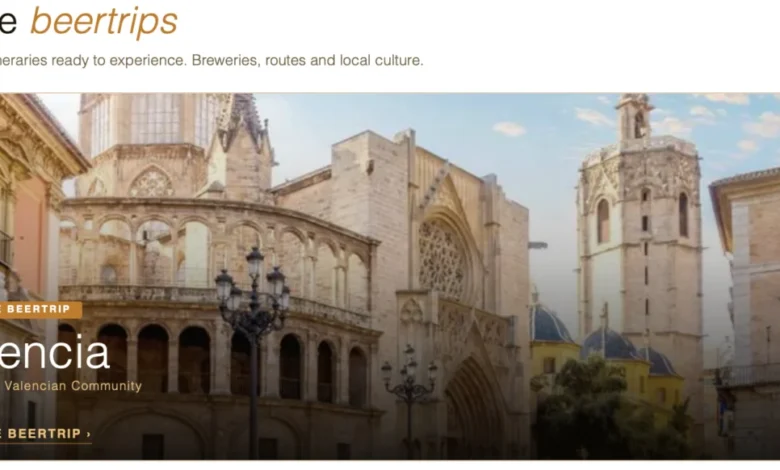
As Europe gears up for its vibrant spring and summer travel season, a new initiative poised to transform how adventurers explore the continent has emerged. beBeer in your pocket, a platform dedicated to the world of beer, is launching "Beer Trips," a concept designed to immerse travelers in the rich tapestry of European brewing culture and authentic local experiences. This groundbreaking approach taps into the burgeoning trend of experiential tourism, slow travel, and gastronomy-focused getaways, signaling a significant evolution in how people discover and engage with destinations.
The Rise of Experiential Beer Tourism in Europe
Across the continent, from the historic breweries of Belgium and Germany to the traditional pubs of the Czech Republic, and even the burgeoning craft scenes in Italy and France, a noticeable shift is underway. Europeans are increasingly orchestrating their travel plans around the allure of brewing heritage, regional culinary delights, and genuine cultural encounters. This growing appetite for authentic experiences has created fertile ground for the rapid expansion of European beer tourism. Far removed from the well-trodden paths of mass tourism, these "Beer Trips" invite travelers to experience Europe through a different lens – one that focuses on cities renowned for their brewing prowess, charming medium-sized towns, and picturesque rural communes where local brewing traditions have shaped regional identity for centuries.
The deep-seated connection between brewing heritage and broader cultural landscapes is a cornerstone of this trend. Across Europe, the story of beer is inextricably linked to historical narratives, architectural marvels, diverse gastronomies, and the very fabric of local life. This heritage offers visitors a tangible link to generations of craftsmanship, the spirit of conviviality, and the enduring tradition of hospitality that defines many European communities. It’s a journey not just through landscapes, but through time and culture, offering a more profound understanding of the places visited.
The Beer Trip Planner: A Digital Compass for Discovery
At the heart of this ambitious initiative lies the Beer Trip Planner, a sophisticated digital tool developed by beBeer in your pocket. This platform is meticulously designed to guide users through a curated selection of beer-focused escapes across Europe. It shines a spotlight on key brewing cities, highlights unique local beer experiences, identifies renowned brewpubs and traditional venues, and crafts thematic itineraries tailored for the discerning traveler seeking authenticity and deep local immersion. The platform’s core objective extends beyond mere promotion of beer; it aims to foster a novel approach to exploring European destinations by leveraging the universal appeal of brewing culture and the rich potential of local tourism.
Currently, users can explore a growing portfolio of approximately fifteen distinct Beer Trips spanning various European regions. The platform is continuously expanding, with new destinations and experiences being progressively integrated. Crucially, beBeer positions itself as a dedicated European beer tourism initiative, rather than a simple beer distribution network. Its focus remains firmly on crafting enriching travel experiences, celebrating brewing heritage, and promoting sustainable tourism practices that are intrinsically linked to local identities and economies. This strategic positioning underscores a commitment to responsible and immersive travel.
Aligning with Sustainable Tourism Goals
The launch of Beer Trips aligns seamlessly with the European Union’s evolving strategy for sustainable tourism. By encouraging travelers to venture beyond conventional tourist hubs and explore lesser-known destinations, secondary cities, medium-sized towns, and rural communities, beBeer is actively contributing to a more balanced and diversified tourism ecosystem. The ambition is clear: to promote slower, more mindful, and more authentic travel experiences across the continent, while simultaneously alleviating pressure on overcrowded hotspots. This approach not only benefits travelers seeking genuine encounters but also supports the economic vitality of smaller communities often overlooked by mainstream tourism.
This strategic direction reflects profound shifts in contemporary European travel habits. Increasingly, travelers are prioritizing meaningful, localized experiences that are rooted in gastronomy, regional culture, and genuine human interaction. The emphasis is moving away from passive sightseeing towards active engagement and discovery. The convenience of train-accessible escapes, the charm of walkable destinations, and the invaluable opportunity to connect with local communities are becoming paramount considerations for modern European explorers.
Beer Culture as a Gateway to Authenticity
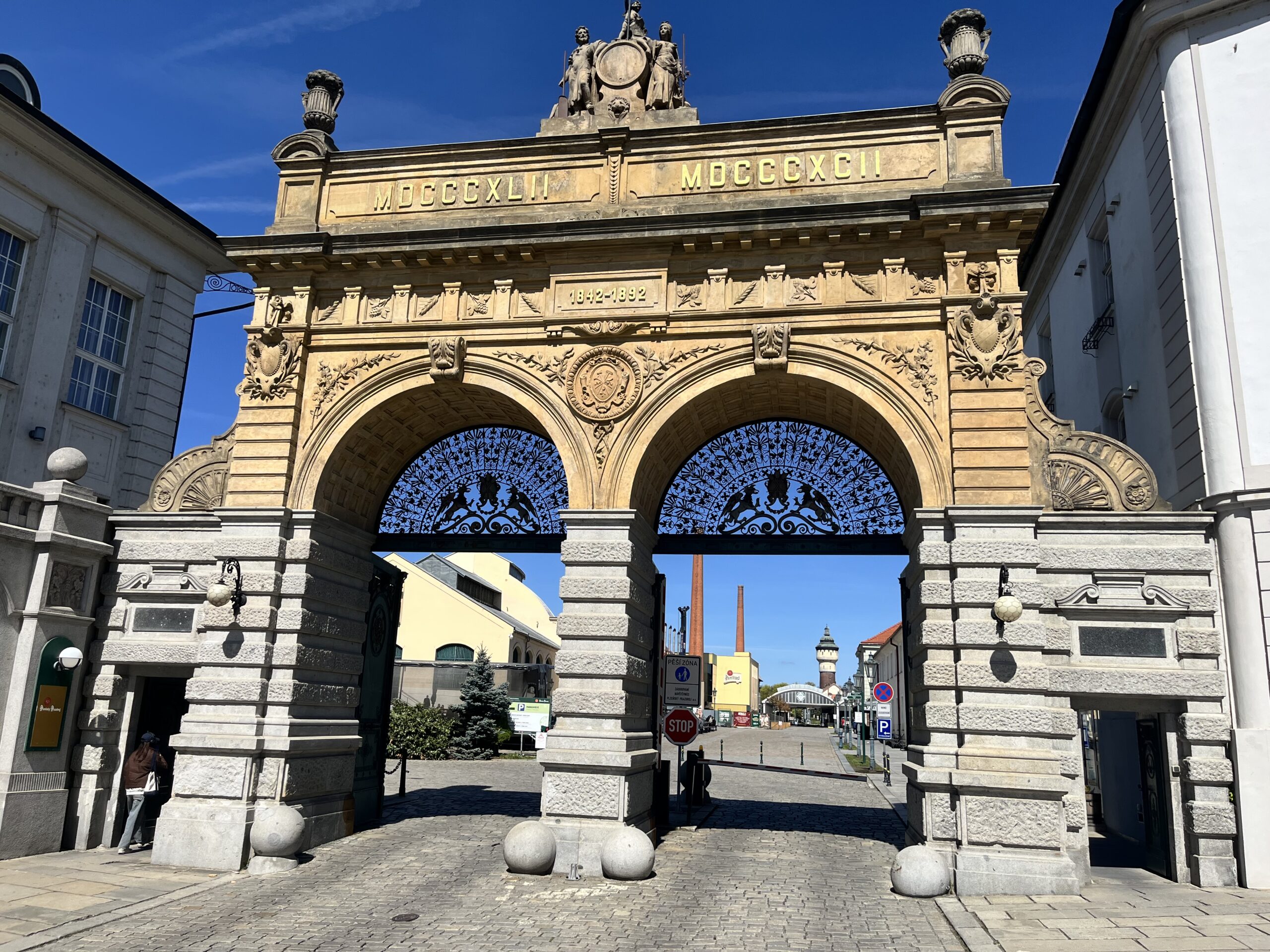
Beer tourism, by its very nature, is exceptionally well-suited to meet these evolving traveler expectations. Across Europe, the rich history and diverse traditions of brewing have emerged as a powerful gateway to discovering local heritage, regional customs, and often overlooked destinations that are typically absent from conventional guidebooks. From the ancient brewing cities with centuries of history to the quaint rural communes where beer production remains a vital part of community life, European beer culture offers a compelling and multifaceted tourism experience in its own right.
One of beBeer’s particularly innovative features is its user-driven contribution model. The platform actively invites users to suggest new brewing cities and communes that they believe deserve recognition for their unique beer culture and untapped tourism potential. This crowdsourced approach not only helps to broaden the visibility of emerging beer tourism destinations across Europe but also ensures that the platform remains dynamic, inclusive, and reflective of the continent’s diverse brewing landscape. This collaborative spirit fosters a sense of ownership and community among users, further enhancing the platform’s value.
Broader Implications for European Tourism
At a time when the European travel sector is increasingly prioritizing authenticity, sustainability, and cultural enrichment, the concept of "Beer Trips" holds significant promise. It represents a potentially transformative trend for both dedicated beer enthusiasts and curious urban explorers. For travelers seeking a harmonious blend of exploration, immersion in European heritage, culinary discovery, and a deep dive into brewing culture, their next unforgettable getaway may well begin with the simple pleasure of a well-crafted beer.
The implications of this shift are far-reaching. By highlighting the cultural and economic significance of brewing, beBeer’s initiative can help to preserve traditional brewing methods, support local economies, and foster a deeper appreciation for the craftsmanship and heritage associated with beer production. Furthermore, by promoting travel to secondary cities and rural areas, it contributes to a more sustainable and equitable distribution of tourism benefits, potentially revitalizing communities that have historically been on the periphery of the tourism industry. This model offers a sustainable pathway for growth, ensuring that the benefits of tourism are shared more widely.
Data Supporting the Trend
The burgeoning interest in beer tourism is not merely anecdotal; it is supported by growing statistical evidence. According to a report by the European Travel Commission, experiential tourism, which includes culinary and cultural tours, saw a significant rebound in post-pandemic travel patterns. While specific data on beer tourism is still emerging, the broader trend towards niche, interest-based travel indicates strong potential. For instance, studies on food and beverage tourism highlight that travelers are increasingly willing to spend more on unique gastronomic experiences, with beer tours and brewery visits often ranking high on their lists of desired activities.
Moreover, the rise of craft breweries across Europe, a phenomenon that has gained momentum over the past decade, has created a new generation of attractive destinations for tourists. Many of these craft breweries are not just production facilities but also vibrant social hubs, offering tasting rooms, food pairings, and educational tours that contribute to a rich visitor experience. This expansion of the craft beer scene directly fuels the demand for specialized beer-related travel.
Historical Context and Evolution
The concept of traveling for beer is not entirely new. For centuries, certain regions in Europe, such as Bavaria in Germany or Flanders in Belgium, have been pilgrimage sites for beer aficionados. However, what is novel is the structured and accessible approach to organizing such trips, facilitated by digital platforms like beBeer. Historically, discovering these hidden gems often required extensive research and local knowledge. The Beer Trip Planner democratizes this process, making it accessible to a wider audience.
The evolution of tourism itself has also paved the way for this development. The shift from mass tourism, characterized by standardized itineraries and crowded landmarks, to a more personalized and authentic form of travel has created an opening for niche tourism sectors like beer tourism to flourish. Travelers are no longer content with simply seeing a place; they want to experience it, connect with its people, and understand its unique character. Beer, with its deep cultural roots and widespread presence across Europe, serves as an ideal vehicle for such immersive experiences.
Potential Economic and Cultural Impact
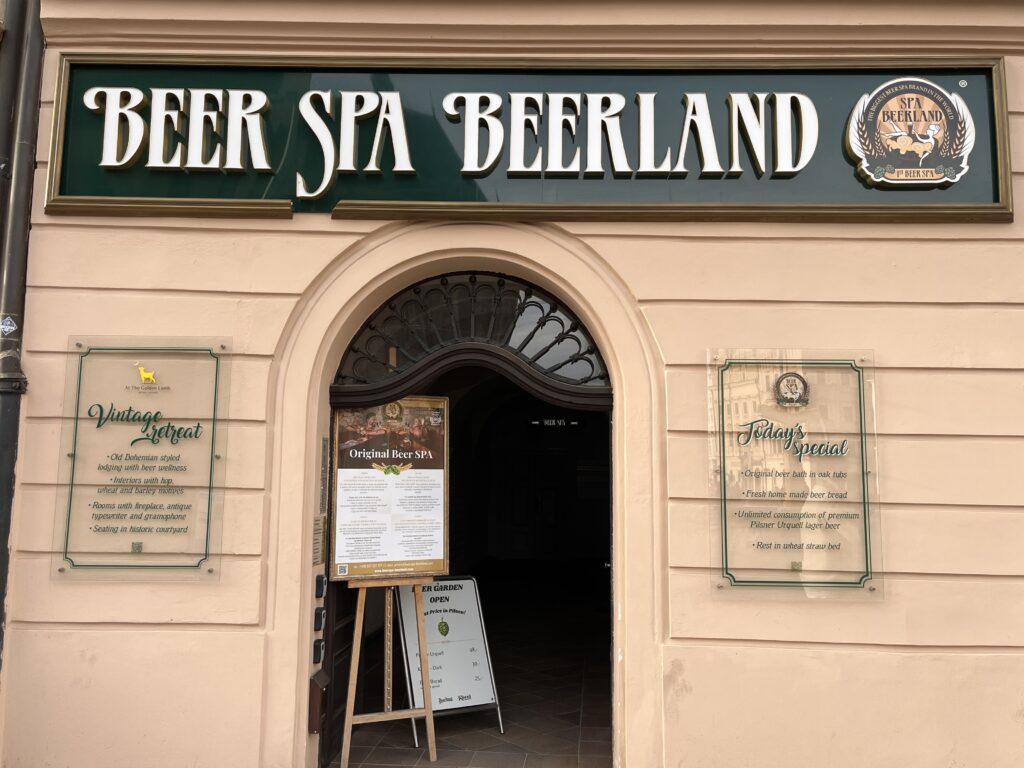
The economic implications of promoting beer tourism are substantial. By encouraging visitors to explore beyond major cities, beBeer’s initiative can inject vital revenue into local economies, supporting small businesses, traditional pubs, and local food producers. This can lead to job creation and preservation of cultural heritage in regions that might otherwise struggle to attract significant tourism flows.
Culturally, beer tourism fosters a deeper appreciation for the craftsmanship, history, and diversity of European brewing traditions. It can help to keep alive artisanal brewing techniques, support the use of local ingredients, and promote a sense of regional pride and identity. Moreover, by facilitating interaction between visitors and local communities, it can lead to cross-cultural understanding and the sharing of traditions.
Future Outlook and User Engagement
The future of beer tourism in Europe appears robust. As beBeer continues to expand its offerings and refine its platform, the concept of "Beer Trips" is likely to become an increasingly prominent segment of the European travel market. The emphasis on sustainability, authenticity, and local immersion resonates strongly with contemporary travel trends, suggesting a sustained interest from travelers.
The user-generated content aspect of the Beer Trip Planner is particularly significant. By empowering travelers to contribute their own discoveries and recommendations, beBeer is building a community of passionate explorers and fostering a collaborative ecosystem. This not only enriches the platform’s content but also creates a network effect, drawing in more users who are eager to share their experiences and discover new destinations. This participatory model ensures that the platform remains relevant, dynamic, and truly representative of the evolving European beer landscape.
In conclusion, beBeer’s "Beer Trips" initiative is more than just a new travel concept; it represents a thoughtful response to the changing demands of modern travelers and a forward-thinking approach to promoting sustainable and authentic tourism in Europe. By positioning beer culture as a key to unlocking genuine local experiences, beBeer is not only offering a unique way to explore the continent but is also contributing to the economic and cultural vitality of communities across Europe. As the travel season unfolds, the appeal of discovering Europe, one brew at a time, is set to captivate a growing number of discerning adventurers.
Discover the Beer Trip Planner here:
https://www.bebeer.app/bebeer/contenu/my-beer-trip-planner?utm_source=chatgpt.com